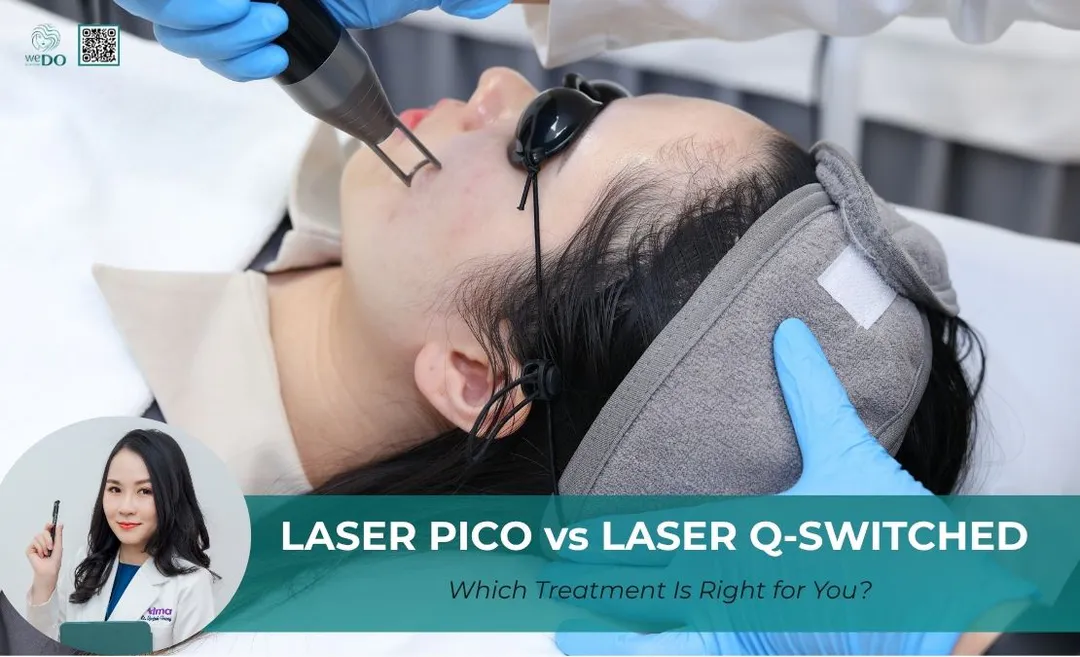
When comparing Pico Laser vs Q-Switched Laser for Melasma, many people assume one technology is simply better than the other. In reality, both lasers are effective, but the right choice depends on factors such as pulse duration, wavelength, treatment settings, and—most importantly—your skin condition. Learn how dermatologists determine which laser is best suited to your individual needs.
Understanding Pico Laser and Q-Switched Laser
When comparing Pico Laser vs Q-Switched Laser for Melasma, many people assume they are completely different technologies. In reality, both belong to the same category of pigment-targeting lasers. They work by delivering highly concentrated laser energy that selectively targets melanin while minimizing damage to surrounding tissue. The fundamental treatment principle is therefore the same, but the two technologies differ primarily in pulse duration, while the wavelength depends on the specific laser platform rather than whether it is a Pico or Q-Switched device.
Q-Switched Laser
A Q-Switched Laser delivers energy in nanoseconds (10⁻⁹ seconds). These ultra-short pulses create a strong photoacoustic effect that fragments melanin into tiny particles, allowing the body’s immune system to gradually eliminate the pigment.
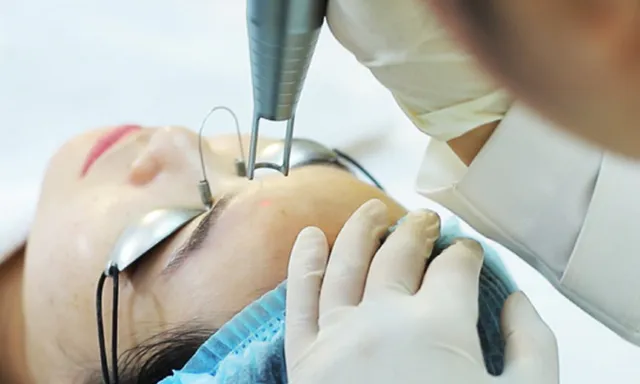
The Q-Switched Nd:YAG laser has been used in dermatology for decades and remains one of the most extensively studied laser technologies for pigmentary disorders. It is commonly used to treat melasma, freckles, solar lentigines, and post-inflammatory hyperpigmentation. Although newer laser technologies have emerged, low-fluence Q-Switched Nd:YAG laser continues to be widely used in clinical practice because its efficacy and safety have been demonstrated in multiple clinical studies.
Pico Laser
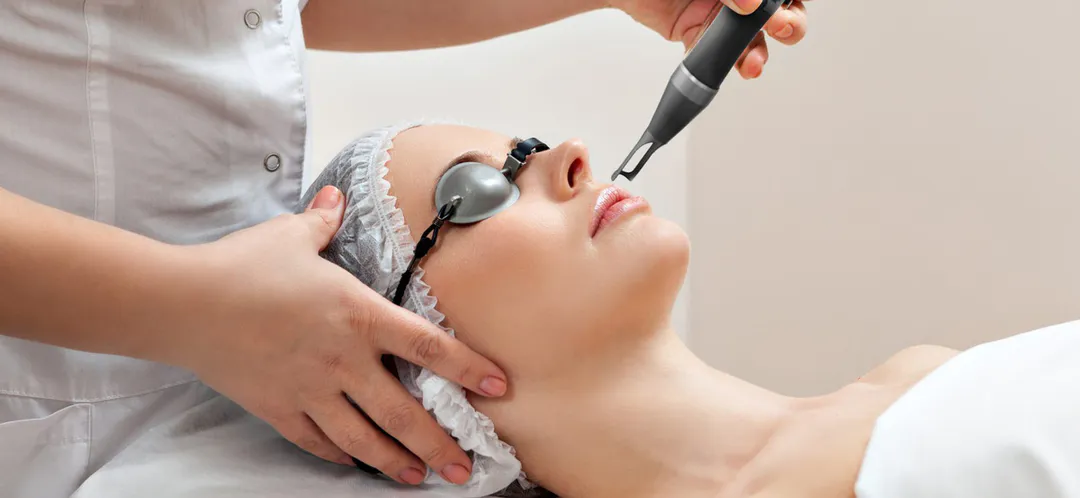
A Pico Laser emits energy in picoseconds (10⁻¹² seconds), delivering laser pulses approximately 1,000 times shorter than nanosecond lasers.
Because the pulse duration is significantly shorter, picosecond lasers generate a stronger photoacoustic effect while reducing heat diffusion into surrounding tissue. This allows melanin to be fragmented into even smaller particles with potentially less collateral thermal injury. Depending on the wavelength of the device, picosecond lasers can also be used to treat tattoos, benign pigmented lesions, acne scars, and selected cases of melasma.
However, a shorter pulse duration does not automatically mean better outcomes for every patient with melasma. Factors such as melasma subtype, pigment depth, Fitzpatrick skin type, laser parameters, adjunctive skincare, and physician experience all influence treatment results. Therefore, modern dermatology increasingly emphasizes selecting the right laser for the right patient, rather than assuming that newer technology is always superior.
Pico Laser vs Q-Switched Laser: A Clinical Comparison
Both Q-Switched Laser and Pico Laser are widely used to treat melasma, but they differ in how laser energy is delivered to the skin. While Picosecond technology is often marketed as a newer generation of pigment laser, current evidence does not support the conclusion that it consistently outperforms Q-Switched Laser in every case. Instead, the most appropriate choice depends on the patient’s skin type, melasma characteristics, treatment goals, and the dermatologist’s clinical assessment
| Comparison | Q-Switched Laser | Pico Laser |
|---|---|---|
| Pulse duration | Nanoseconds (10⁻⁹ s) | Picoseconds (10⁻¹² s), approximately 1,000× shorter |
| Primary mechanism | Photoacoustic effect with a greater photothermal component | Stronger photoacoustic effect with less thermal diffusion |
| Pigment fragmentation | Breaks melanin into small particles | Produces finer pigment fragmentation, potentially allowing faster clearance |
| Heat spread to surrounding tissue | Slightly greater | Generally lower due to the ultra-short pulse duration |
| Common indications | Melasma, freckles, solar lentigines, PIH, nevus of Ota | Melasma, tattoos, benign pigmented lesions, acne scars, skin rejuvenation |
| Number of treatment sessions | May require more sessions depending on pigmentation depth | In selected cases, fewer sessions may achieve similar improvement |
| Risk of post-inflammatory hyperpigmentation (PIH) | Low when appropriate settings are used, but increases with overly aggressive treatment | May reduce thermal injury, although PIH can still occur if treatment parameters are inappropriate |
| Treatment cost | Generally lower | Typically higher due to newer technology |
Pulse Duration: The Main Difference Between the Two Lasers
The defining distinction between these technologies is pulse duration, not the wavelength itself.
A Q-Switched Laser delivers energy in nanoseconds, whereas a Pico Laser emits energy in picoseconds—approximately one-thousandth of a nanosecond. Because the laser energy is released much more rapidly, picosecond lasers create a stronger mechanical disruption of pigment while limiting heat transfer to adjacent tissue. This principle is believed to reduce unnecessary thermal injury and improve pigment fragmentation in certain clinical situations.
However, shorter pulses do not automatically produce better clinical outcomes for melasma. Current evidence suggests that treatment success depends on multiple variables, including laser settings, melasma subtype, and physician experience.
Can Pico Laser Remove Melasma Faster?
This is one of the most common questions patients ask.
From a technical perspective, Pico Laser can fragment melanin into smaller particles than conventional nanosecond lasers. Consequently, some patients—particularly those with mixed pigmentation or concurrent tattoo pigment—may achieve satisfactory results in fewer treatment sessions.
Nevertheless, this advantage should not be generalized to every patient with melasma.
A 2023 systematic review found that 1064-nm picosecond lasers were both safe and effective, but the available evidence remained limited. The authors also reported that 755-nm picosecond lasers were not significantly superior to topical depigmenting agents in improving melasma severity, highlighting the importance of wavelength selection rather than assuming all picosecond devices perform equally.
Similarly, a broader network meta-analysisinvolving 20 clinical studies and more than 1,100 patients concluded that no single laser treatment was universally superior for melasma. Combination therapy—including topical medications alongside laser treatment—generally achieved better outcomes than laser alone.
Which Laser Is Right for Your Melasma?
After comparing the technologies, the most important question remains: Which laser should you choose?
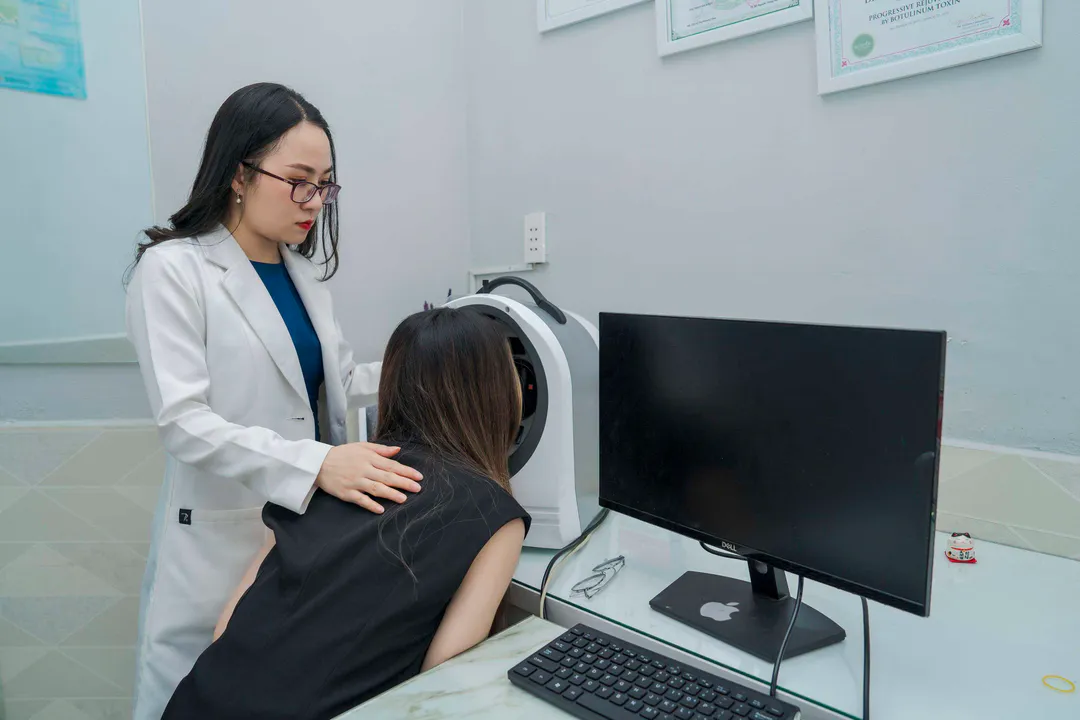
The answer is rarely as simple as selecting the newest device. In clinical practice, dermatologists do not decide between Pico Laser and Q-Switched Laser based solely on technology. Instead, the decision is guided by your skin characteristics, the type of melasma, previous treatment history, and the likelihood of developing treatment-related pigmentation.
Simply put, the best laser is the one that best matches your skin—not necessarily the latest one available.
Your Melasma Type Matters More Than the Laser Name
Melasma is not the same in every patient. It can be classified as epidermal, dermal, or mixed, with each subtype responding differently to treatment.
Patients with predominantly epidermal pigmentation often respond more predictably to laser therapy, while dermal or mixed melasma tends to be more challenging because pigment is located deeper within the skin. In these cases, treatment usually requires a combination of laser therapy, topical medication, strict photoprotection, and long-term maintenance rather than relying on a single procedure.
This is one of the reasons why two patients treated with the same laser may achieve very different outcomes.
Skin Type Also Influences Laser Selection
Your Fitzpatrick skin type is another key factor in determining which laser is appropriate.
Individuals with darker skin tones naturally have more active melanocytes, making them more susceptible to post-inflammatory hyperpigmentation (PIH) if excessive laser energy is used.
For these patients, dermatologists often prioritize conservative treatment settings rather than aggressive energy levels. Choosing the correct wavelength, fluence, spot size, and treatment interval is generally more important than choosing Pico or Q-Switched technology alone.
This explains why experienced physicians may recommend a Q-Switched Laser for one patient and a Pico Laser for another—even when both have been diagnosed with melasma.
Treatment Parameters Matter More Than the Machine
Patients frequently ask whether Pico Laser is “more powerful.” From a clinical standpoint, this is not the most relevant question. A laser device is only a tool. The outcome depends on how that tool is used.
Before treatment, a dermatologist adjusts multiple parameters, including:
- Laser wavelength
- Pulse duration
- Fluence (energy density)
- Spot size
- Pulse frequency
- Treatment interval
These settings are individualized according to the patient’s skin condition and therapeutic goals.
Even the most advanced laser system may produce disappointing results if treatment parameters are inappropriate. Conversely, an established Q-Switched Nd:YAG Laser can achieve excellent outcomes when used with proper patient selection and evidence-based protocols.
Laser Therapy Should Be Part of a Comprehensive Treatment Plan
Another common misconception is that laser treatment alone can permanently remove melasma.
In reality, melasma is a chronic, relapsing pigmentary disorder influenced by ultraviolet radiation, visible light, hormones, inflammation, and genetic predisposition.
For this reason, most dermatologists recommend combining laser treatment with:
- Broad-spectrum sunscreen used daily.
- Topical depigmenting agents when appropriate.
- Measures to reduce UV and visible light exposure.
- Regular follow-up and maintenance treatment to reduce recurrence.
Patients who follow a comprehensive treatment plan generally achieve more stable and longer-lasting improvement than those relying on laser treatment alone.
Choosing a Trusted Clinic for Melasma Treatment
Since both Pico Laser and Q-Switched Laser can be effective, selecting the right clinic often matters more than choosing a specific device.
A trustworthy clinic should begin with a comprehensive skin assessment rather than recommending a treatment immediately. This includes evaluating the type and depth of pigmentation, identifying potential triggers such as sun exposure or hormonal factors, reviewing previous treatments, and discussing realistic expectations. A personalized treatment plan is then developed based on these findings.
From this perspective, Wedo Skin Clinic stands out as a clinic that emphasizes individualized care rather than promoting a single laser technology. Instead of positioning Pico Laser or Q-Switched Laser as a universal solution, treatment decisions are made after consultation with dermatologists who assess each patient’s pigmentation pattern, skin type, and treatment history.

The clinic also incorporates multiple evidence-based modalities when appropriate, including topical therapies, laser treatment, and long-term maintenance strategies. This multidisciplinary approach aligns with current recommendations that melasma should be managed as a chronic condition requiring ongoing care rather than a one-time procedure.
Another strength is the availability of multiple pigment laser platforms, allowing physicians to select the most appropriate technology instead of being limited to a single device. Combined with individualized parameter selection and follow-up assessments, this approach supports safer treatment and more consistent outcomes, particularly for patients with recurrent or treatment-resistant melasma.
While no clinic can guarantee permanent clearance of melasma, choosing a center that prioritizes accurate diagnosis, personalized treatment planning, and long-term follow-up is more likely to produce sustainable improvements than selecting a clinic based solely on the newest laser equipment.
Conclusion
Choosing between Pico Laser vs Q-Switched Laser for Melasma is not about deciding which technology is universally better. Both lasers have demonstrated effectiveness in treating pigmentary disorders, but their clinical performance depends on appropriate patient selection, treatment parameters, and the expertise of the treating dermatologist.
FAQ
1. Is Pico Laser better than Q-Switched Laser for melasma?
Not necessarily. Both technologies can be effective. The most appropriate choice depends on your melasma type, skin characteristics, and the treatment plan recommended by your dermatologist.
2. Does Pico Laser require fewer treatment sessions?
Some patients may experience improvement in fewer sessions, but this varies depending on the severity of melasma and individual treatment response.
3. Can melasma return after laser treatment?
Yes. Melasma is a chronic condition with a risk of recurrence. Consistent sun protection and maintenance therapy are important for long-term control.
4. Is laser treatment painful?
Most patients experience only mild discomfort. Cooling systems and individualized treatment settings help improve comfort during the procedure.
5. Which is more important: the laser device or the dermatologist?
Both matter, but clinical assessment and appropriate treatment parameters generally have a greater impact on treatment outcomes than the laser platform alone.
Follow News for more!
Related articles: