
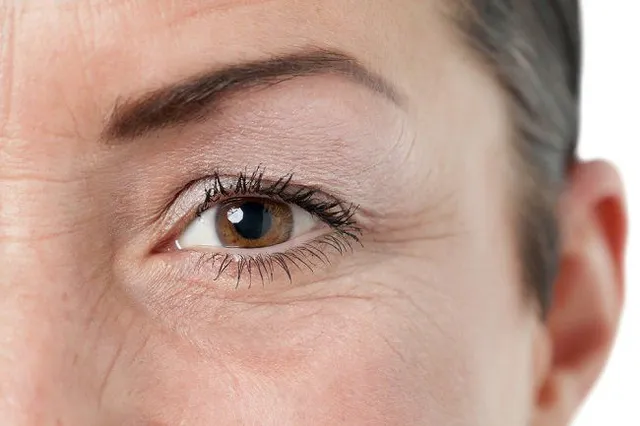
Wrinkle Treatment in HCMC: Forehead, Crow’s Feet, Under-Eye and Neck Lines
Non-surgical wrinkle treatment at WeDo Skin Clinic, Ho Chi Minh City: forehead, crow's feet, under-eye and neck lines. From 1,800,000 VND, free skin analysis.
At WeDo Skin Clinic, wrinkle treatment is selected by facial zone and by how deep the line sits – not by one protocol applied to the whole face. Resurfacing and collagen-stimulating treatments start at 1,800,000 VND; deeper-acting options for the eye area and the neck cost more. The skin exam and skin analysis with a dermatologist are free.
Below is the approach zone by zone – forehead, crow’s feet, under-eye, neck and nasolabial folds – with the real price band for each technology group. Our dermatologists consult in English at the District 1 and District 2 clinics in Ho Chi Minh City. For the whole rejuvenation menu, start from high-tech skin rejuvenation.
How it works
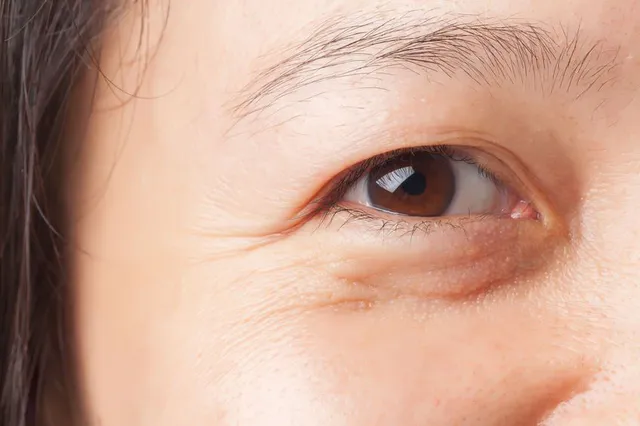
What is the difference between dynamic and static wrinkles?
A dynamic wrinkle exists only while a facial muscle contracts. Frown and the two vertical lines between your brows appear; let the face relax and they go. A static wrinkle stays put with the face completely at rest.
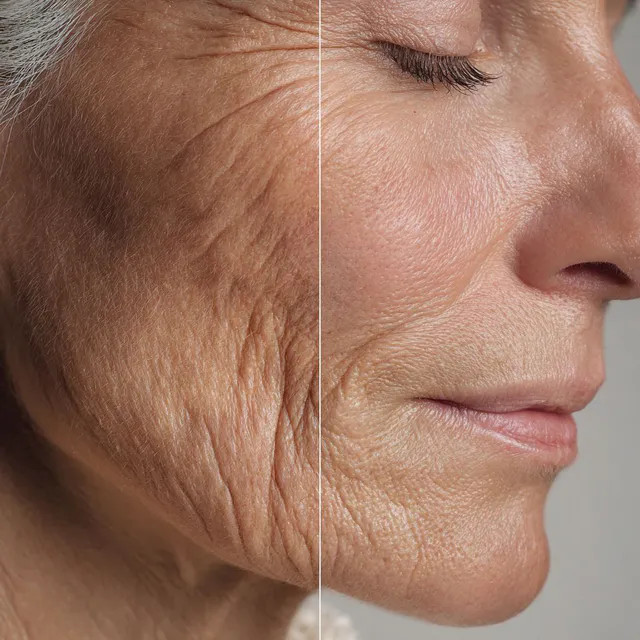
Why do wrinkles form?
Skin stays smooth because of two fiber systems in the dermis: collagen for thickness and support, elastin for the ability to spring back after being folded. From the mid-twenties, production of both slows year on year while existing fibers continue to break down.
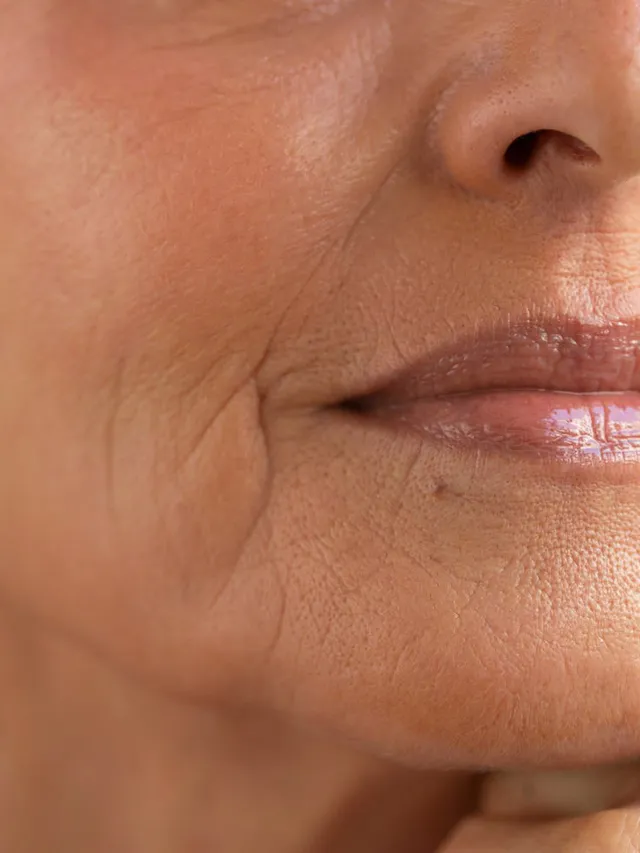
Wrinkles vs sagging skin — what is the difference?
A wrinkle is a crease in the skin surface. Sagging is a matter of contour: no new line appears, but the shape of the face changes - the jawline blurs, the cheeks drop, the area under the chin and along the neck loosens. The two sit in different layers. Wrinkles form in the epidermis and dermis, where collagen and elastin decline; the other starts deeper, as the fascial layer, the supporting ligaments and the subcutaneous fat compartments loosen and descend.

Which layer does each technology reach?
Fractional works in the epidermis and upper dermis and suits shallow lines, rough texture and enlarged pores. RF and RF microneedling, including Morpheus 8, deliver heat into the dermis at a depth the needle handpiece sets precisely, which suits static lines and skin that has lost elasticity. NIR by Alma Harmony warms the dermis over a broad area, non-invasively and with essentially no downtime. The deep-layer group is HIFU UTIMS and Ultherapy, which focus energy down to the fascial layer Thermage CPT and Thermage FLX, which heat the full thickness of the dermis evenly and have a dedicated eye tip
Why choose this treatment
Treatments & pricing
100% of treatments are performed by dermatology specialists. Prices do not include 8% VAT. Contact us for a direct assessment and an exact quote based on your skin, severity and target area.
| Treatment | Price |
|---|---|
Fractional Skin Rejuvenation – Level 1 for Brightening and Smoothing | 1.800.000 VND - 2.200.000 VND |
Reju NIR Face Anti-Aging – EUROPEAN REJUVENATION TECHNOLOGY Anti-aging, firms and smooths skin, stimulates collagen production | 1.900.000 VND |
RF Skin Tightening and Rejuvenation | 2.800.000 VND |
Eyes Lifting Combo Experience Rejuvenation, reduction of under-eye bags and wrinkles – HIFU Pen + Line Near + Eye RF | 4.200.000 VND3.500.000 VND |
RF Skin Firming and Tightening | 5.900.000 VND |
ULTHERAPY Experience Rejuvenation for Any Treatment Area | 8.800.000 VND 7.100.000 VND |
HIFU – Full Eye Rejuvenation Rejuvenation for the eye area, reducing under-eye bags and wrinkles, and lifting the brow | 11.000.000 VND9.800.000 VND |
HIFU – Full Neck Rejuvenation Complete neck rejuvenation | 16.500.000 VND14.000.000 VND |
RF Needling Morpheus 8 | 19.500.000 VND |
THERMAGE CPT – Eye Rejuvenation Rejuvenation for the eye area, reducing under-eye bags and wrinkles, and lifting the brow | 35.000.000 VND26.500.000 VND |
THERMAGE CPT – Full Neck Rejuvenation Complete neck rejuvenation | 38.500.000 VND29.500.000 VND |
THERMAGE FLX – Full Eye Rejuvenation Rejuvenation for the eye area, reducing under-eye bags and wrinkles, and lifting the brow | 48.000.000 VND40.500.000 VND |
6 steps, clinically led
Step 1: Photography and skin imaging, wrinkles recorded zone by zone
Standardized photographs and skin-imaging captures are stored per zone — forehead, eye area, perioral, neck — as the reference point for every later session, so progress is judged objectively.
Step 2: Your dermatologist classifies dynamic vs static wrinkles and identifies the layer to treat
The skin is studied at rest, then you are asked for a few expressions so dynamic lines can be separated from static ones, alongside an assessment of dermal thickness and elasticity. If you are pregnant or breastfeeding, have an infection or open lesion in the area, or have a relevant underlying condition, treatment is postponed or redirected.
Step 3: A zone-by-zone plan and an agreed cost for the full course
Each zone is assigned its own technology group and its own settings; your dermatologist sequences the sessions, estimates how many you need, and quotes the total before you decide.
Step 4: Cleansing, numbing and preparation of the treatment area
Makeup removal and deep cleansing, then topical anesthetic left on for its full working time where the technique requires it — the step that decides how comfortable the session feels, so it is never cut short.
Step 5: Your dermatologist treats each zone at its own settings
Tips and parameters change as treatment moves between zones: the eye area does not share settings with the cheek, the neck does not share settings with the forehead.
Step 6: Aftercare instructions and a scheduled reassessment
You are talked through day-by-day care for the first week, with a reassessment date set by how your skin responds rather than by a fixed calendar.
Make results last
Sun protection is the condition for keeping your result
UV exposure is the most modifiable cause of static wrinkles: it activates the enzymes that break down dermal collagen, which means the collagen you just paid to build is spent again if the skin keeps meeting unfiltered sun.
For the first two days, favor physical cover – a wide-brimmed hat, a mask, sunglasses. From day three, apply a broad-spectrum SPF 30+ every morning and reapply if you are outdoors. The neck and the skin around the eyes need the same coverage as the rest of the face; they are the two spots most often missed.
Care in the first 3–7 days
How much your skin reacts depends on the technology group. After NIR or non-invasive RF, expect mild flushing and tightness for a few hours. After RF microneedling or fractional, expect redness, dryness and light flaking for 3–7 days. After deep-layer treatment, mild tenderness when the area is pressed, for a few days.
Through this window use only a gentle cleanser and the recovery products your dermatologist specifies, and pause exfoliants and strong actives until you are cleared. Avoid saunas, heavy sweating workouts and strong sun for the first week.
Between sessions
Results accumulate across a course rather than arriving in one session: new collagen takes weeks to form and keeps remodeling afterward, which is why the interval between sessions is set by that cycle and not by your calendar.
Between visits the simple things carry real weight – consistent moisturizing, enough water, enough sleep, and not spending the whole night with one side of your face pressed into a pillow. Stopping smoking belongs on the same list; it is the habit that costs collagen fastest.
When to come back for reassessment
The reassessment interval is set by how you actually respond, not by a fixed milestone: skin that responds quickly can stretch the interval, while a slow-responding zone may need different settings or a different group. Standardized photographs are the basis for that comparison, because you see your own face daily and adapt to it.
You can read real patient journeys to see how a course unfolds. And if you are not sure which kind of wrinkle you have, book a free skin analysis and decide afterward.
Still have questions?
Can wrinkles be removed permanently?
How much does wrinkle treatment cost in Ho Chi Minh City?
What is the best treatment for forehead lines?
How do you get rid of crow's feet?
Can neck lines be treated without surgery?
What is the difference between dynamic and static wrinkles?
Wrinkles vs sagging skin — what's the difference?
Shine with confidence in clear, radiant skin
Start your skin story.
Schedule your diagnostic session. Our doctors will map your unique skin biology to build a lifelong protocol for health.