

Stretch marks caused by weight gain can appear when the body changes size rapidly, stretching the structures that support the skin. These marks often become lighter over time, but they do not necessarily disappear when your weight returns to its previous level. A realistic treatment goal is to make stretch marks less noticeable, rather than promising to restore the skin completely to its original appearance. [1]

Understanding the type of stretch marks you have can help you avoid spending money on multiple products without achieving the results you expect. A newly developed reddish-purple stretch mark differs from a white mark that has been present for years, even when both appear on the abdomen or thighs.
Why Can Weight Gain Cause Stretch Marks?
Stretch marks are scar-like changes associated with alterations in the dermis, the deeper layer of the skin. Rapid changes in body size can contribute to their development, while individual predisposition and hormonal influences may also play a role. Not everyone who gains weight develops stretch marks, and similar amounts of weight gain do not necessarily produce the same degree of stretching. [1,2]
Common areas include the abdomen, hips, thighs, buttocks, breasts, and upper arms. Stretch marks can also develop during puberty, pregnancy, or periods of rapid muscle growth. Therefore, their presence alone does not establish that someone is overweight or has unhealthy lifestyle habits. [2]
If you notice stretch marks appearing after taking a weight-gain product or using medication over an extended period, record the product or medication name and discuss it during your consultation. This information is more useful than simply describing the stretch marks as “severe” or “mild.”
What Is the Difference Between Red and White Stretch Marks?
New stretch marks may appear red, pink, purple, or darker than the surrounding skin, depending on your skin tone. Over time, they generally become lighter and may develop a slightly depressed appearance with a texture different from the surrounding skin. The term “white stretch marks” describes a more established stage; it does not mean that the skin has a fungal infection or a nutritional deficiency. [2]
To monitor changes, you can photograph the same area under similar lighting and in the same position. Avoid comparing a photo taken immediately after a hot shower with one taken when your skin is cool, or comparing images with different color adjustments. Changes in lighting can make stretch marks look lighter or darker even when their underlying structure has not changed.
When tracking progress, consider three separate features: color, width, and depth. A reduction in redness does not necessarily mean the skin has become completely smooth. Conversely, an area may look smoother while faint lines remain visible.
Does Losing Weight Get Rid of Stretch Marks?
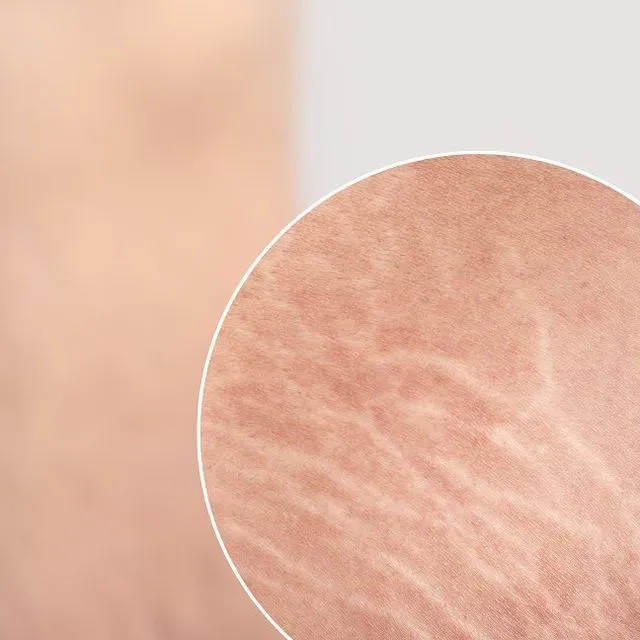
Weight loss is not a method for reversing the structural changes associated with stretch marks. They may become less noticeable over time, but improvement does not occur in a fixed proportion to the number of kilograms lost. You should not lose excessive weight simply to try to eliminate stretch marks. [1,3]
If you need to manage your weight for health reasons, set goals appropriate to your body and maintain habits you can sustain over the long term. Decisions about stretch mark treatment should reflect how much the marks affect you, rather than pressure to achieve completely flawless skin.
During a consultation, explain which feature you most want to improve: redness, indentation, or the visibility of the marks when wearing certain clothing. A specific goal makes it easier to discuss treatment options, costs, and recovery time.
How Much Can Moisturizers and Topical Treatments Help?
Moisturizers can reduce dryness and tightness, but improving skin hydration does not mean that the underlying stretch marks have been fully repaired. Products such as olive oil, cocoa butter, and vitamin E should not be considered guaranteed methods for eliminating stretch marks. [1]
A dermatologist may consider tretinoin for certain newer stretch marks. However, this medication can cause irritation and should not be used without appropriate guidance. People who are pregnant or planning to become pregnant should avoid retinoids. If you are breastfeeding, consult your healthcare professional before using them. [3]
When reading a label that claims to “improve stretch marks,” check whether the product has been studied on newer or older marks, how long it was used, and how the results were assessed. A review stating that the skin feels softer is not sufficient evidence that the structural changes associated with stretch marks have been repaired.
Do not apply multiple active ingredients at once to an area that is already itchy or damaged. If a product causes burning, a rash, or significant peeling, stop using it and consult a healthcare professional rather than continuing because you believe the skin is “renewing itself.”
When Should You Consider Procedures to Improve Stretch Marks?

After examining your skin, a dermatologist may discuss options such as laser treatments or microneedling, depending on the stage of the stretch marks, your skin tone, the treatment area, and the risk of complications. These procedures work differently, and no single technology is suitable for every type of stretch mark. [3]
Before making a decision, ask the following questions:
- Is the main goal to reduce discoloration or improve skin texture?
- How long will it take to assess the treatment response?
- What side effects are common, and which warning signs require follow-up?
- What costs are included, such as aftercare and follow-up appointments?
- If the improvement is less than expected, how might the treatment plan be adjusted?
Do not attempt to treat stretch marks at home using microneedling rollers, acid peels, or energy-based devices. A benign stretch mark is not worth risking burns, hyperpigmentation, or additional scarring. A good treatment plan should account for aftercare and recovery, not just the procedure itself.
Signs That Should Be Medically Evaluated
Stretch marks that appear rapidly, spread extensively, seem disproportionate to changes in body size, or occur alongside other unusual symptoms should be assessed by a healthcare professional. Prolonged corticosteroid use and certain endocrine disorders can be associated with stretch marks. Do not stop prescribed medication on your own; discuss your concerns with the prescribing clinician. [2]
You can review information about dermatology consultations at WeDo to prepare for an assessment. Bring a list of medications and topical products you use, along with photographs showing when the stretch marks first appeared and how they have changed.
Frequently Asked Questions
- Can gaining a few kilograms cause stretch marks?
It is possible, but there is no single weight threshold that applies to everyone. The rate of body-size changes and individual predisposition should be considered together.
- Are stretch marks caused by weight gain contagious?
No. Stretch marks are not an infectious disease. You do not need to avoid physical contact with other people because you have them.
- Can long-standing white stretch marks still improve?
Some people may achieve partial improvement. An individual assessment can help establish realistic expectations about how much less noticeable the marks may become, rather than expecting them to disappear completely.
- Do all stretch marks need treatment?
No. Typical stretch marks do not require treatment unless they cause discomfort or concern. However, unusual symptoms should be medically assessed.
- Can you determine the final result after just one treatment session?
Usually not. The immediate reaction after a procedure and the results after the skin has recovered are two different stages. Assess progress according to the follow-up schedule recommended by your dermatologist.
References
[1] American Academy of Dermatology. Stretch Marks: Why They Appear and How to Get Rid of Them.
[3] Mayo Clinic. Stretch Marks: Diagnosis and Treatment.


