

Eye Rejuvenation in HCMC: Under-Eye Bags And Dark Circles
Eye rejuvenation is receiving increasing attention because the eye area is prone to wrinkles but is also highly sensitive. Improper treatment can cause skin damage.
Medically reviewed by Dr Quynh Trang, Dermatologist (HCMC)
Eye rejuvenation involves addressing under-eye bags and dark circles. Different underlying causes affect different tissue layers and present with different clinical features. Before selecting a treatment, the dermatologist will perform a free assessment to determine where the signs of aging are occurring.
How it works
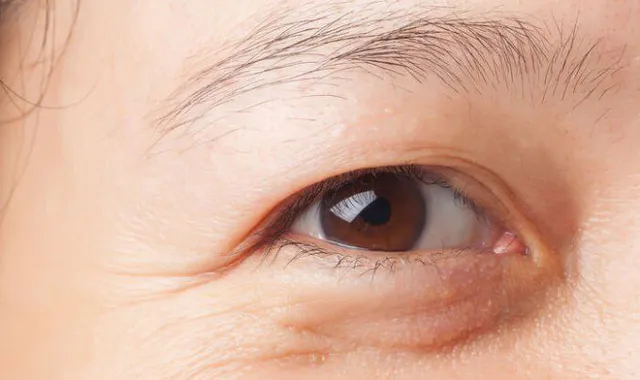
Why the eye area ages first?
Three factors accelerate aging of the skin around the eyes: - The skin is thinner and drier than in most other areas of the body. The eyelid skin is approximately 0.5 mm thick—the thinnest skin on the body—with very little underlying fat for cushioning. It also contains relatively few sebaceous glands, making its moisture barrier weaker than that of the rest of the face. - Despite its delicate structure, the eye area is highly active. The orbicularis oculi muscle contracts every time you blink—tens of thousands of times a day—along with frequent squinting in sunlight and when looking at screens. - The orbital septum gradually weakens with age. This thin membrane helps keep the fat surrounding the eyeball in position, but it becomes lax over time. For these reasons, treatments around the eyes require greater precision and dedicated settings rather than using the same parameters as for the entire face.
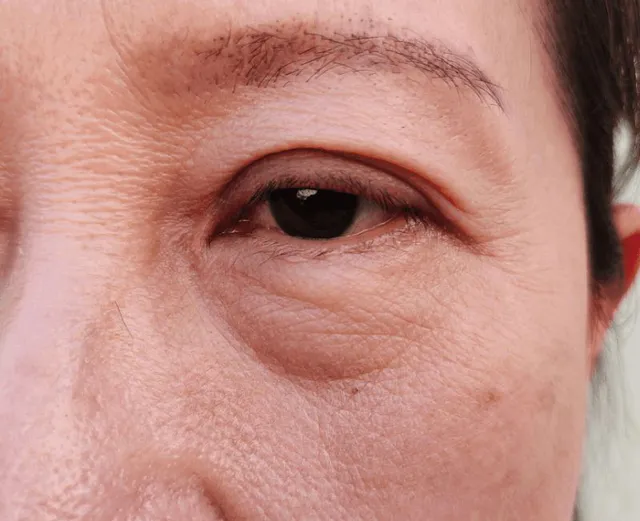
The three origins of under-eye bags, and how to tell them apart
- Fluid-retention bags: Most noticeable upon waking and gradually improve throughout the day. They may become more pronounced after a salty meal, lack of sleep, or an episode of allergic rhinitis. - Prolapsed orbital fat: Remains relatively unchanged from morning to evening, with a distinct contour. It may become more noticeable when sitting upright and looking upward, and less prominent after lying on your back for a while. - Lower eyelid skin laxity: Appears more loose or sagging than swollen. When the lower eyelid skin is gently pulled outward and released, it returns to its original position more slowly than normal. The appropriate treatment depends on the underlying cause. A dermatologist can distinguish these three types through skin examination, oblique lighting, and several simple clinical tests.
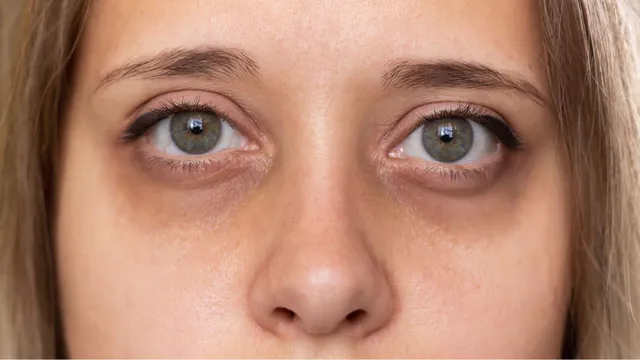
Three kinds of dark circles: pigment, vascular and shadow
- Pigmented dark circles are brownish, with usually indistinct borders. They remain relatively unchanged when the lighting angle changes and retain their color when the skin is gently stretched. They are often associated with darker skin tones, atopic dermatitis around the eyelids, or prolonged eye rubbing. - Vascular dark circles have a bluish-purple appearance, become more noticeable with fatigue and lack of sleep, and temporarily fade when gently pressed before returning. They are caused by superficial blood vessels showing through very thin skin. - Shadowing-related dark circles change depending on the direction of the light. They are more noticeable under overhead lighting but may almost disappear when light is directed upward from below.

Which Layer of the Eye Area Does Each Technology Target?
- Periorbital RF: Uses radiofrequency energy to generate controlled heat in the superficial to mid-dermis, targeting the firmness of the eyelid skin itself. - HIFU Pen and HIFU UTIMS: Use focused ultrasound to create thermal coagulation points at deeper tissue layers, depending on the handpiece. Around the eyes, a shallow-depth handpiece specifically designed for thin skin is used. - Thermage CPT and Thermage FLX: Use monopolar RF to distribute heat throughout the dermal thickness of the treated area and have dedicated tips for the eye area. These three technologies differ in their treatment depth. The appropriate technology is selected based on the specific tissue layer affected. Treatment may need to be postponed or carefully considered in the following cases: - Pregnancy or breastfeeding - Infection or open wounds in the treatment area - Active eye disease - Recent eyelid surgery - Certain underlying medical conditions
Why choose this treatment
Treatments & pricing
100% of treatments are performed by dermatology specialists. Prices do not include 8% VAT. Contact us for a direct assessment and an exact quote based on your skin, severity and target area.
| Treatment | Price |
|---|---|
Eyes Lifting Combo Experience Rejuvenation, reduction of under-eye bags and wrinkles – HIFU Pen + Line Near + Eye RF | 4.200.000 VND3.500.000 VND |
HIFU – Full Eye Rejuvenation Rejuvenation for the eye area, reducing under-eye bags and wrinkles, and lifting the brow | 11.000.000 VND9.800.000 VND |
COMBO HIFU EYES-LIFTING Dual-technology treatment for enhanced eye rejuvenation, wrinkle reduction, and improvement of under-eye bags – HIFU Pen + (Line Near) + 2 sessions of Eye RF | 17.500.000 VND10.900.000 VND |
THERMAGE CPT – Eye Rejuvenation Rejuvenation for the eye area, reducing under-eye bags and wrinkles, and lifting the brow | 35.000.000 VND26.500.000 VND |
THERMAGE FLX – Full Eye Rejuvenation Rejuvenation for the eye area, reducing under-eye bags and wrinkles, and lifting the brow | 48.000.000 VND40.500.000 VND |
Deep tear-trough hollowing and shadow-type dark circles (special assessment) | The doctor will examine and provide specific recommendations |
6 steps, clinically led
Step 1: Eye-area examination, skin analysis and photographs — free
Your dermatologist examines the upper lid, lower lid and tear trough under standardized lighting, then changes the angle to separate shadow from pigment. Photographs are taken in the same position and the same light so later sessions can be compared honestly. This step is free, including if you decide not to go ahead.
Step 2: The dermatologist identifies the cause — fat, fluid, laxity, pigment, vessels or hollowing
A few simple clinical maneuvers — gently stretching the lid skin, changing head position, changing the direction of the light — separate causes that look identical in the mirror. If your condition falls outside what technology can treat, you are told at this visit rather than after a course.
Step 3: A plan built around the cause, with the full course price agreed before anything starts
The technology family is chosen by the layer involved, with an expected number of sessions and the interval between them. The total cost is agreed upfront with nothing added later, and you are welcome to take the plan away and come back.
Step 4: Cleansing, numbing and eye shielding
The eye area is cleansed thoroughly, then topical anesthetic is left on for its full working time so the session is comfortable. Protective shields are placed over the eyes and stay in place throughout the procedure.
Step 5: Treatment with a tip and energy level set specifically for eyelid skin
Your dermatologist performs the eye-area treatment personally and sets the energy separately from the settings used on the rest of the face. You are asked how each pass feels, so the settings can be adjusted region by region.
Step 6: Aftercare, eye-area sun protection and a review appointment
You are talked through day-by-day aftercare and how to protect the thinnest skin on your body from the sun. The review interval is set by how your skin responds rather than by a fixed calendar, and read against your first-visit photographs.
Make results last
The first 3–7 days
After radiofrequency or focused-ultrasound treatment the eye area is usually slightly red, warm and mildly swollen for a few days; how much depends on the technology family and on you. Cleanse gently, do not rub the lids, and avoid saunas, steam and other high heat for the first week. Pause strong actives around the eyes until your dermatologist clears you, and use only the products you have been given. If you wear contact lenses, ask when to put them back in.
Sun protection and sunglasses — the condition for keeping your result
UV is the fastest way to darken dark circles and to keep losing collagen, so sun protection here is not general advice — it is the condition for keeping the result you paid for. Lid skin is too thin and too close to the eye for heavy application, which makes wide sunglasses the mechanical sunscreen for this area, together with a broad-brimmed hat in the middle of the day. Any sunscreen used close to the eye should be one your dermatologist has recommended, to avoid stinging and irritation.
Daily habits that change how bags and dark circles look
- The amount of salt consumed at dinner, fluid intake, sleep quality, and sleeping position can all affect the severity of under-eye bags in the morning.
- Uncontrolled allergic rhinitis and habitual eye rubbing can worsen under-eye bags and deepen pigmented dark circles. Managing the allergy may sometimes produce more noticeable improvement than a cosmetic treatment.
- Rough makeup removal around the eyes can cause repeated pulling and friction, which may accelerate eyelid skin laxity.
When to come back for review, and when to come back sooner
Your dermatologist sets the interval between sessions by how your skin responds, not by a fixed schedule, and each review is read against photographs taken in the same light so you see real change rather than an impression of it. Come back promptly — or see an ophthalmologist straight away — if you have swelling markedly worse on one side, pain that increases rather than settles, any change in vision or double vision, a newly drooping lid, or an open wound that is not healing. To see what a full course looks like from the patient’s side, read our patient journeys. If you are weighing up budget, what drives eye-rejuvenation costs explains why the same area is quoted so differently from clinic to clinic.
Still have questions?
Do under-eye bags go away on their own?
What causes bags under the eyes?
Can dark circles under the eyes be treated?
How much does eye rejuvenation cost in Ho Chi Minh City?
Can under-eye bags be treated without surgery?
How long does it take to see results from eye rejuvenation?
When do under-eye bags need surgery instead of an energy-based treatment?
Shine with confidence in clear, radiant skin
Start your skin story.
Schedule your diagnostic session. Our doctors will map your unique skin biology to build a lifelong protocol for health.