
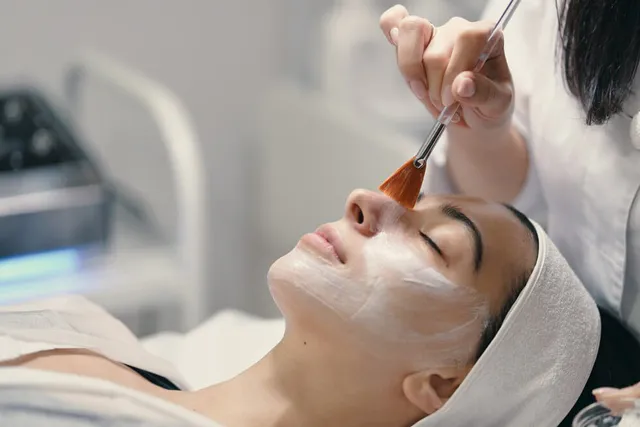
Chemical Peel
Chemical peel is a clinically proven treatment for pigmentation, dull skin, and uneven tone — safely performed by WeDo's certified dermatologists.
How it works
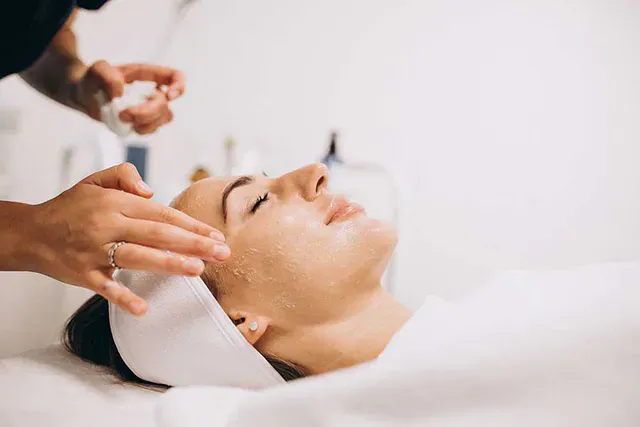
Introduction to Chemical Peel Treatment
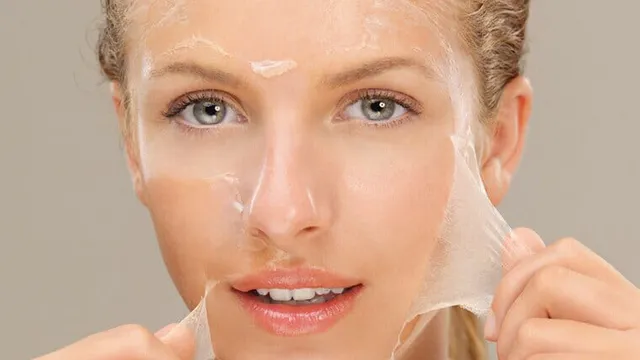
A chemical peel is a dermatological procedure that uses organic acids to remove dead skin cells on the surface, stimulate new cell regeneration, and address common concerns such as dark spots and pigmentation. The most commonly used acids include: Glycolic Acid: Often used to treat hyperpigmentation, aging signs, and to brighten the skin. Salicylic Acid: Highly effective for oily skin, inflammatory acne, and blackheads. TCA (Trichloroacetic Acid): Used for medium to deep peels to improve fine lines and shallow scars.
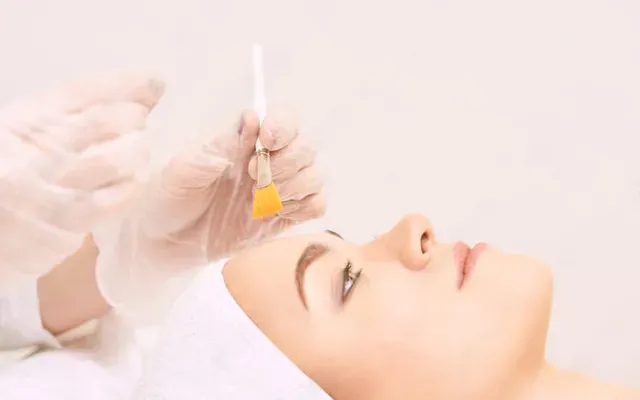
Mechanism of Action
The acids used in chemical peels accelerate the skin renewal process by promoting exfoliation and stimulating new cell regeneration. This enhances the natural elimination of melanin pigments, helping to fade dark spots and pigmentation. When combined with pigment-inhibiting products, the treatment further improves skin tone and radiance. Depending on the individual’s skin condition, the dermatologist will determine the most suitable type of acid and peeling intensity. Chemical peeling is a medical procedure that must be performed by a qualified dermatologist to ensure both safety and effectiveness.
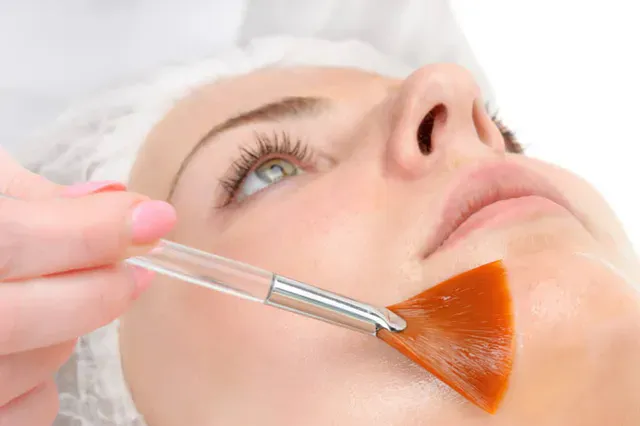
The Truth About Chemical Peels
Below are some common misconceptions about chemical peels: 1. Peels make the skin thinner and weaker When performed correctly, peels actually strengthen the skin by stimulating cell regeneration, resulting in firmer, smoother, and more even-toned skin. 2. One peel session makes the skin instantly radiant Visible results require a treatment course. Lasting brightness and smoothness also depend on proper post-peel skincare. 3. The stronger the peel, the better the results The concentration and depth of the peel must be carefully selected based on your skin type and treatment goals to ensure optimal results and prevent complications. 4. It’s safe to perform peels at home A chemical peel is a medical procedure that should only be performed by a licensed dermatologist to avoid burns, irritation, or other skin damage.
Contraindications
Individuals with the following conditions should avoid chemical peel treatments: Currently pregnant or breastfeeding. Having active skin infections or open wounds. History of photosensitive (light-sensitive) skin. Suffering from dermatological conditions such as psoriasis, atopic dermatitis, or allergic contact dermatitis. History of keloid or hypertrophic scarring, or recent use of isotretinoin or light-based skin therapies within the past six months.
Why choose this treatment
Treatments & pricing
100% of treatments are performed by dermatology specialists. Prices do not include 8% VAT. Contact us for a direct assessment and an exact quote based on your skin, severity and target area.
| Treatment | Price |
|---|---|
Dermalogica Peel: Brightens, Clears Acne, and Fades Dark Spots for Healthier Skin | |
Dermalogica 3-Layer Peel | |
Dermalogica 5-Layer Peel | |
INNOA ESTHETICS Peel | |
Brightening Combination Peel: Improves Skin Radiance and Minimizes Pores | |
Regenerative Combination Peel | |
Full-Face Regenerative Peel | |
Microneedling Combined with Chemical Peel for Smooth, Firm Skin Reduces Ice-Pick Scars and Minimizes Pores | |
Targeted Peel Treatment – Neck / Underarms / Upper Back (1/3 Area) |
9 steps, clinically led
Step 1: Assess Skin Condition Before Treatment
Before starting melasma treatment, the dermatologist will perform a detailed skin analysis to assess the client’s skin condition. Through this process, the doctor identifies the type of melasma, freckles, and dark spots, along with their underlying causes and severity. This evaluation is crucial as it helps the dermatologist determine the most appropriate treatment approach and allows clients to better understand their own skin condition.
Step 2: Develop a Personalized Treatment Plan
After completing the skin assessment, the dermatologist will design a personalized treatment plan tailored to each client’s unique skin type and condition. Since every individual’s skin responds differently, the treatment approach must be carefully customized. The doctor will explain all available melasma treatment options, outlining their benefits, potential risks, and estimated costs to help you make the most informed and suitable decision.
Step 3: Makeup Removal, Facial Cleansing, and Exfoliation
Before starting melasma treatment, the skin must be thoroughly prepared. The first step involves makeup removal and deep facial cleansing to eliminate dirt, excess oil, and any remaining makeup residue. Next, exfoliation helps remove dead skin cells, allowing treatment products and active ingredients to penetrate more effectively. This essential step enhances absorption and significantly improves overall treatment results.
Step 4: Sanitize and Sterilize Medical Instruments Before Treatment
At WEDO, client safety is always the top priority. Before any treatment begins, all medical instruments are thoroughly sanitized and sterilized under strict protocols. Every hygiene procedure complies with international medical standards, ensuring the highest level of safety and preventing any risk of infection or unwanted side effects during treatment.
Step 5: Perform the Chemical Peel Treatment
Once all preparation steps are completed, the treatment process begins. Depending on the personalized treatment plan established earlier, the dermatologist will carry out the prescribed melasma treatment technologies precisely as outlined to ensure safety and optimal results.
Step 6: Electrophoresis Hydration Therapy for Post-Treatment Skin Recovery and Radiance
After completing the treatment process, the skin is pampered with specialized post-procedure recovery products. These formulations deeply hydrate, soothe irritation, and repair any microdamage, leaving the skin plump, radiant, and healthier. Post-treatment recovery plays a crucial role—it not only accelerates healing but also helps the skin retain moisture and softness for long-lasting results.
Step 7: Apply Moisturizing Serum and Sunscreen
One of the most important steps is applying a specialized moisturizing cream or serum to nourish and strengthen the skin. At the same time, using sunscreen is essential to protect the skin from harmful UV rays — one of the main causes of melasma and freckles returning after treatment.
Post-Treatment Skincare Instructions and Recommendations
After the treatment, the dermatologist provides detailed post-care instructions and skincare guidance. The clinic’s treatment specialist also creates an online support group to assist clients at home, connecting them directly with the doctor for continuous monitoring and timely follow-up on their skin condition.
Attend Scheduled Follow-Up Appointments
After completing the treatment process, attending follow-up appointments is essential for monitoring and evaluating the results. During these visits, the dermatologist will assess your skin condition and its recovery progress. If necessary, the doctor may adjust the treatment plan or recommend additional procedures to enhance outcomes. This ensures that every client receives optimal care and achieves the desired, long-lasting results.
Make results last
Important Notes After a Chemical Peel
Shine with confidence in clear, radiant skin
Start your skin story.
Schedule your diagnostic session. Our doctors will map your unique skin biology to build a lifelong protocol for health.