
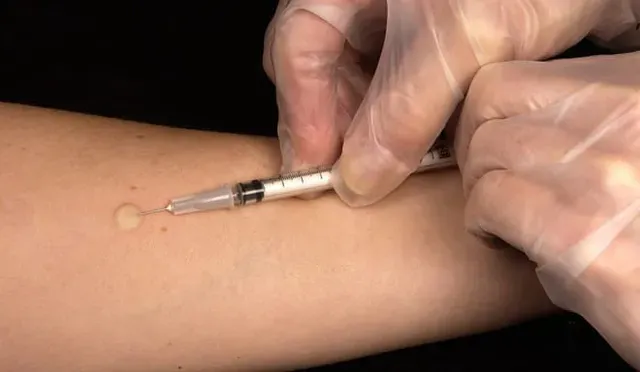
Scar injection
Keloid injection is a proven, longer-lasting alternative to topical creams. Learn how targeted scar injections effectively reduce and flatten keloids.
How it works
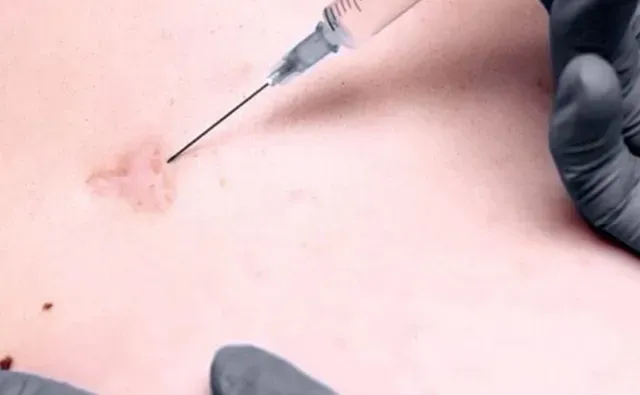
What is keloid injection?
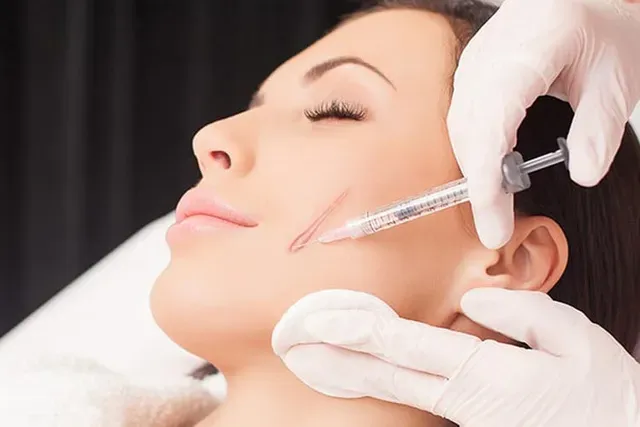
Keloids are a type of scar formed due to excessive proliferation of fibrous tissue (collagen), resulting in raised and uneven skin. With keloid injection, the doctor administers corticosteroids directly into the scar tissue to inhibit collagen production, helping the scar soften and flatten.
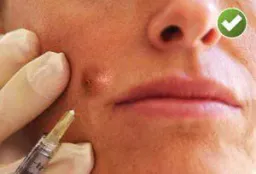
Mechanism of Action
Corticosteroids can reduce the size of keloids through multiple mechanisms, specifically: - Inhibit inflammatory responses. - Induce vasoconstriction, reducing oxygen and nutrient supply to scar tissue. - Suppress keratinocytes and fibroblasts, thereby slowing tissue regeneration and new collagen production. - Promote the activity of collagenase enzymes that degrade collagen.
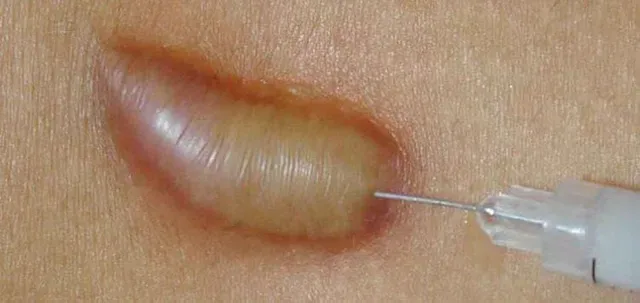
Efficacy of Keloid Injection
According to a study by Acosta et al. (2016), keloid injection is effective in softening and reducing scar size. The response rate following corticosteroid injection ranges from 50–100%, with a recurrence rate of 9–50%. After an average of two injection sessions, scar volume can decrease by up to 82.7%.
Contraindications
- Ulcerated, bleeding, infected, or eczematous scars. - Individuals with Cushing’s syndrome or pseudo-Cushing’s syndrome. - Individuals with prolonged menstrual disorders or severe acne. - Individuals with active gastrointestinal diseases (stomach–duodenal conditions). - Individuals with chronic conditions such as hypertension, diabetes mellitus, or heart failure. - Individuals with active infections such as pulmonary tuberculosis, fungal infections, or immunodeficiency. - Pregnant or breastfeeding women.
Why choose this treatment
Treatments & pricing
100% of treatments are performed by dermatology specialists. Prices do not include 8% VAT. Contact us for a direct assessment and an exact quote based on your skin, severity and target area.
| Treatment | Price |
|---|---|
Keloid Treatment Area <5 cm² | 600.000 VND |
Meso for Scar Area of 5 cm² | 950.000 VND |
Full-Face Scar Meso | 3.900.000 VND |
9 steps, clinically led
Step 1: Examination and Assessment of Scar Condition
The first step in the treatment process is examination and assessment of the scar condition. The doctor will evaluate the scar type, location, and severity to develop an appropriate treatment plan.
Step 2: Development of a Personalized Treatment Plan
The doctor will develop a personalized treatment plan for each patient. Each scar case is different; therefore, the treatment plan must be flexible and appropriate. A personalized treatment plan will include the treatment methods, number of sessions, budget, as well as post-treatment care instructions. This helps patients better understand the process and be well-prepared for recovery.
Step 3: Comprehensive Skin Cleansing (Makeup Removal, Facial Cleansing, Exfoliation for Scar Treatment, etc.)
Before starting the treatment, thorough skin cleansing is essential. Makeup removal, facial cleansing, and exfoliation help eliminate impurities and dead skin cells on the surface, creating optimal conditions for the procedure. The products used in this step must also be carefully selected to avoid skin irritation.
Step 4: Topical Anesthesia and Preparation of Medical Instruments
Removal of anesthetic cream and antiseptic preparation of the treatment area not only ensure hygiene but also minimize the risk of infection during the procedure. This step is also when the doctor reassesses the skin condition before initiating treatment. If any abnormalities are detected, the doctor will provide consultation and adjust the treatment plan accordingly for optimal outcomes.
Step 5: Removal of Anesthetic and Antiseptic Preparation
Once adequately prepared, the doctor will apply topical anesthesia to the treatment area. This helps minimize pain and discomfort throughout the procedure. After anesthesia, medical instruments are carefully prepared, and all equipment must be sterilized to ensure patient safety. This is a crucial step to prevent the risk of infection and potential complications.
Step 6: Keloid Injection Procedure
The doctor inserts the needle into the scar parallel to the skin surface, with the entry point located in healthy skin approximately 0.3–0.5 cm from the scar margin. The injection is performed until the scar surface becomes pale or slightly blanched.
Step 7: Re-disinfection of the Treatment Area to Prevent Infection
Keloid injection creates micro-injuries in the skin; therefore, after the procedure, the doctor will perform antiseptic cleansing once again to minimize the risk of infection.
Step 8: Post-Treatment Instructions and Skincare Guidance
The doctor provides post-treatment instructions and skincare guidance. A therapist will create an online support group for at-home care, connecting the client with the doctor via online channels to regularly monitor the client’s skin condition.
Follow-up according to the scheduled appointment
After completing the treatment process, follow-up visits for monitoring and evaluation are essential. The doctor will assess the skin condition and the progress of recovery. If necessary, the doctor may adjust the treatment plan or recommend additional therapies to enhance outcomes. This ensures that patients receive optimal care and achieve the expected results.
Still have questions?
Is keloid injection painful?
What factors affect the effectiveness of keloid injection?
Shine with confidence in clear, radiant skin
Start your skin story.
Schedule your diagnostic session. Our doctors will map your unique skin biology to build a lifelong protocol for health.