
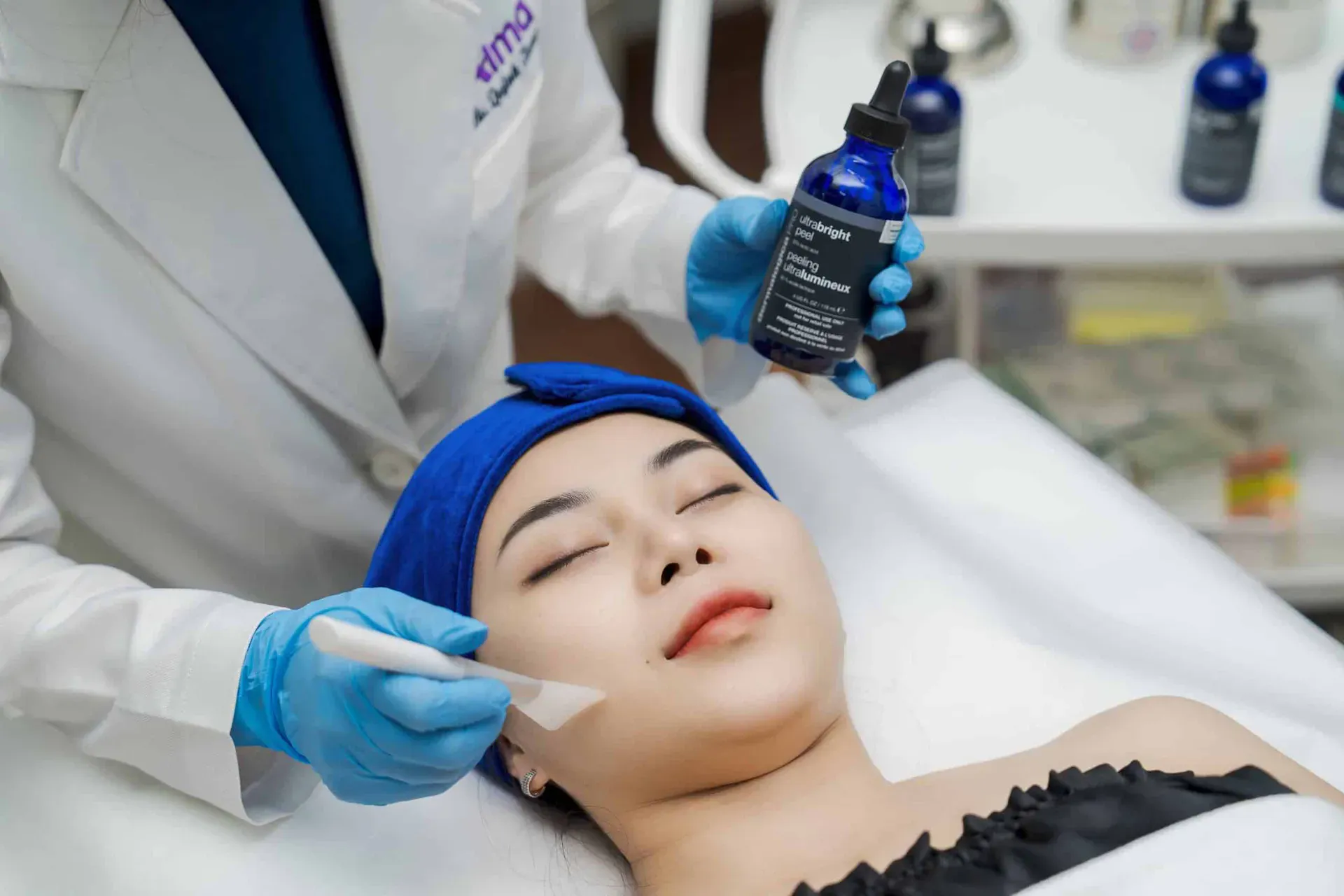
Acne Chemical Peel
Acne chemical peeling acts directly on the skin to address the causes of acne, such as bacteria, excess sebum, and impurities that clog the pores.
How it works

Mechanism of Acne Treatment
After being applied to the skin, the selected mild acids help dissolve the stratum corneum and create a controlled exfoliation of the epidermal and superficial dermal layers. This process promotes the shedding of dead skin cells, breaks down keratin within the hair follicles, and helps bring comedones to the surface for easier removal. When the outer layer of dead skin is eliminated, the skin becomes clearer and more receptive to active ingredients used in subsequent treatments. At the same time, chemical peeling helps regulate sebum production, refine enlarged pores, and provides anti-inflammatory as well as antibacterial effects.
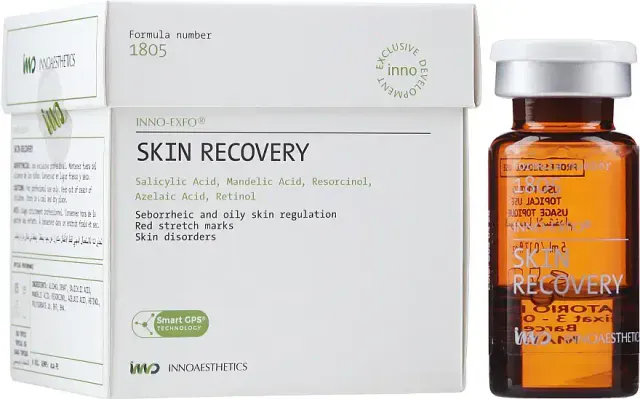
INNOAESTHETICS Chemical Peel
INNOAESTHETICS Skin Recovery Peel features a well-balanced formulation with carefully selected active ingredients: - Salicylic Acid (MA) 30%: A natural acid from the BHA group, derived from white willow bark. It helps treat acne, regulate excess sebum production, refine pores, and improve overall skin tone. - Mandelic Acid (SA) 10%: A natural AHA derived from bitter almonds. It helps inhibit the formation of new acne lesions, reduce hyperpigmentation, stimulate collagen regeneration, support wrinkle improvement, and help prevent skin aging. - Vitamin A 0.05%: Helps brighten the skin, reduce post-acne marks, and minimize the appearance of fine lines and wrinkles. - Resorcinol: Promotes exfoliation of dead skin cells, helping to brighten the complexion, reduce pigmentation, and improve overall skin tone. It also provides antibacterial and anti-inflammatory benefits. - Smart GPS: A proprietary technology developed by INNOAESTHETICS. This intelligent delivery system helps guide active ingredients precisely to the targeted treatment areas for enhanced effectiveness.
Dermalogica Chemical Peel
If you are a skincare enthusiast and enjoy chemical peels, you are likely familiar with the Dermalogica brand. Dermalogica’s acne peel is often recommended by professionals for oily, acne-prone skin, enlarged pores, and skin affected by post-acne marks. The formulation contains 2% Salicylic Acid (BHA), 10% Mandelic Acid (AHA), and 15% Malic Acid (AHA) combined with the Terpineol–Thymol complex. As a result, the Dermalogica peel helps to: - Cleanse the skin and help prevent acne formation. - Reduce post-inflammatory hyperpigmentation. - Balance the skin and regulate excess oil and sebum production.
Why choose this treatment
Treatments & pricing
100% of treatments are performed by dermatology specialists. Prices do not include 8% VAT. Contact us for a direct assessment and an exact quote based on your skin, severity and target area.
| Treatment | Price |
|---|---|
Regional Regenerative Peeling for Skin Renewal | 790.000 VND |
Dermalogica Peel for Brighter, Healthier Skin, Acne Reduction, and Post-Acne Mark Improvement | 890.000 VND |
Dermalogica 3-Layer Peel for Brighter, Healthier Skin, Acne Reduction, and Post-Acne Mark Improvement | 1.100.000 VND |
Dermalogica 5-Layer Peel for Smoother, Brighter, and More Radiant Skin | 1.700.000 VND |
INNOAESTHETICS Peel – Advanced Acne Treatment, Deep Pore Purification, and Antibacterial Action | 1.400.000 VND |
Combination Peel for Brighter, Healthier Skin and Pore Refinement | 1.400.000 VND |
Combination Peel for Skin Renewal, Brightening, and Pore Refinement | 1.500.000 VND |
Full-Face Regenerative Peeling for Skin Renewal | 1.500.000 VND |
Peel for Targeted Areas: Neck / Underarms / Upper Third of the Back | 890.000 - 2.200.000 VND |
6 steps, clinically led
Step 1: Skin Analysis and Consultation for an Appropriate Peel Treatment Plan
The doctor will use a specialized skin analysis device to evaluate the skin condition and determine the most appropriate type of peel and treatment protocol.
Step 2: Facial Cleansing
This step includes makeup removal, facial cleansing, exfoliation, and skin balancing. It helps eliminate makeup residue, dirt, and excess sebum deep within the pores, thereby thoroughly preparing the skin surface to optimize the effectiveness of the acids used in the peel.
Step 3: Perform the Chemical Peel
The doctor applies the peel layer by layer while closely monitoring the skin’s response. The procedure is performed gently and comfortably, with minimal discomfort.
Step 4: Cold Electroporation to Soothe the Skin and Minimize Redness Caused by Irritation
Acids acting on the skin may naturally cause a mild tingling sensation and slight redness. To minimize redness or warmth of the skin, the technician will perform cold electroporation to help rebalance and instantly soothe the skin.
Step 5: Post-treatment care guidance
After completing the medical acne treatment procedure, the doctor will take time to consult and guide clients on proper post-treatment skincare. This is an important step to help maintain the treatment results. Clients will receive specific instructions on their skincare routine, how to care for the skin, as well as recommended diet and daily habits to support the skin’s recovery process.
Step 6: Create an online group for skin care guidance and progress monitoring
To ensure the medical acne treatment process is continuous and effective, WEDO creates dedicated online monitoring groups for each client. In these groups, doctors and specialists regularly update information, track the patient’s skin condition, and provide 24/7 support to answer any questions throughout the treatment journey, while also sharing useful skincare tips.
Make results last
Gentle cleansing: Use lukewarm water to gently cleanse the skin after the peel.
Hydrate and repair the skin: Peeling may temporarily weaken the skin barrier. Therefore, clients should use a moisturizer to strengthen and restore the skin’s protective barrier.
Use a gentle sunscreen: The skin becomes more sensitive after a peel, so direct sun exposure should be avoided as it can accelerate skin aging. If sun exposure is unavoidable, apply a sunscreen with SPF 30 or higher.
Limit activities that cause heavy sweating: Intense physical activity increases blood circulation and sweating, which may lead to heat, itching, redness, or other uncomfortable side effects on the skin. It is recommended to limit such activities to allow the skin to recover properly.
Avoid touching or scratching the skin: Clients should refrain from touching, rubbing, or scratching the treated area, as this may damage the skin and transfer bacteria from the hands to the skin.
Shine with confidence in clear, radiant skin
Start your skin story.
Schedule your diagnostic session. Our doctors will map your unique skin biology to build a lifelong protocol for health.