

PRP Facial Rejuvenation in Ho Chi Minh City — Price & Procedure
PRP for facial rejuvenation is derived from the patient’s own blood, offering a high degree of biocompatibility and minimizing the risk of irritation.
Medically reviewed by Dr Quynh Trang, Dermatologist (HCMC) ·
How it works
What is PRP facial rejuvenation?
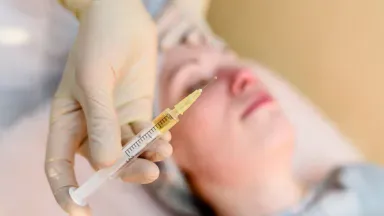
PRP (Platelet-Rich Plasma) is plasma with a high concentration of platelets, prepared from a small sample of the patient’s own blood using centrifugation. After centrifugation, the plasma contains a much higher platelet concentration than normal blood. Platelets store growth factors—biological signals that stimulate fibroblasts, promoting collagen and elastin production in the treated area. PRP can improve the overall quality of aging skin, making the skin texture smoother, improving elasticity, softening fine lines, and reducing the appearance of enlarged pores over successive sessions. Rather than targeting a specific wrinkle, PRP works on overall skin quality, making it most suitable for people seeking comprehensive skin rejuvenation. One of the key differences between PRP and externally administered substances is that PRP is derived from the patient’s own blood. Because it does not introduce foreign proteins, the risk of irritation or allergic reactions is minimized. Another treatment in the same category is PRF (Platelet-Rich Fibrin), which uses slower centrifugation and allows growth factors to be released more gradually and over a longer period.
When is PRP the right choice — and when is another technology better?
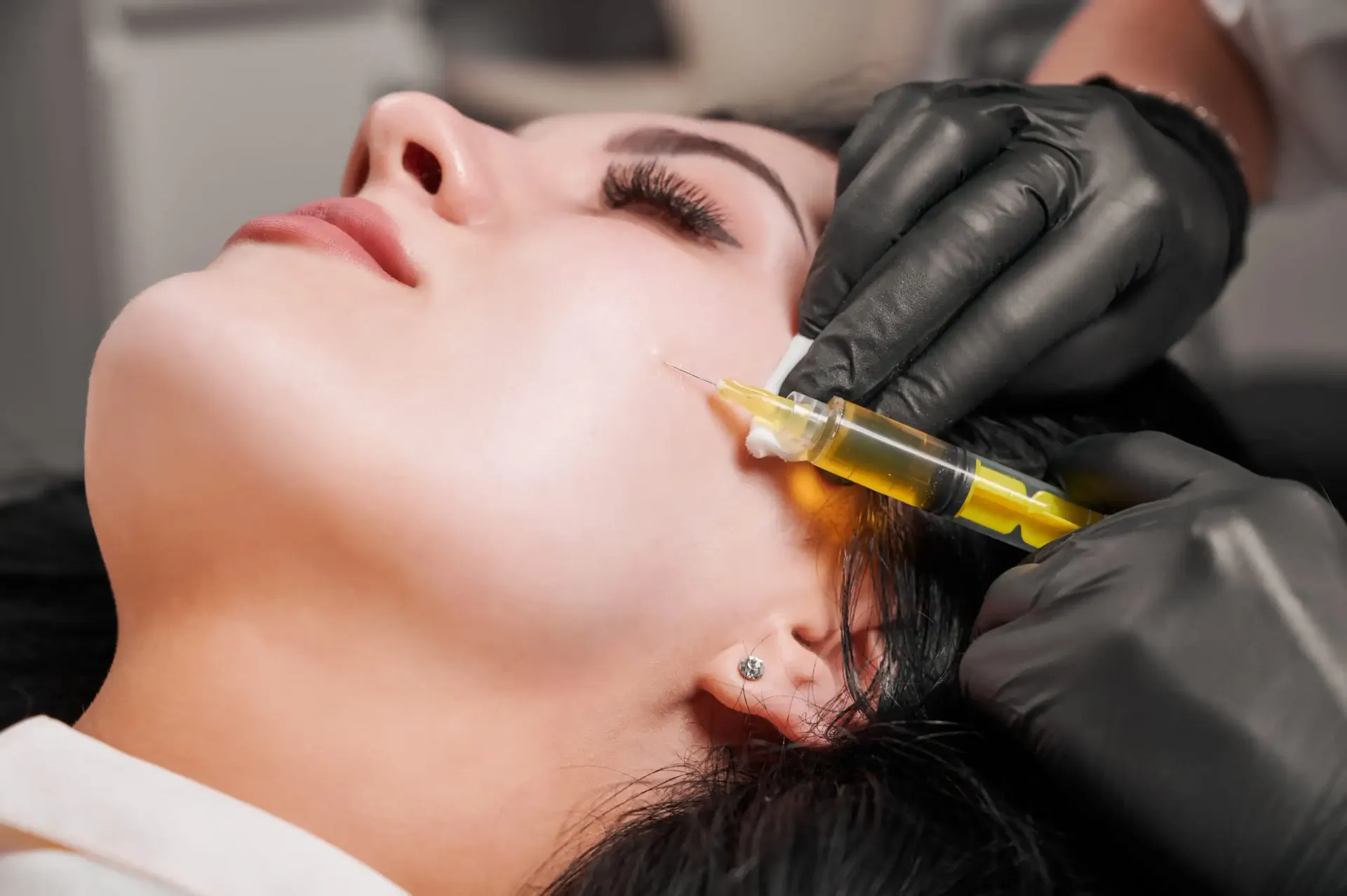
PRP skin rejuvenation is suitable when the main concerns involve overall skin quality: dullness, dryness, reduced elasticity, fine lines, enlarged pores, or skin that looks tired without significant sagging. It is also a reasonable option for those looking to begin minimally invasive rejuvenation using an autologous approach with a short recovery period. In clinical practice, PRP is rarely used as a standalone treatment. Instead, dermatologists often incorporate PRP into a broader treatment plan or combine it with technologies such as RF or laser therapy to stimulate collagen production from within while also applying mechanical or thermal effects externally. Conversely, if the skin has significant sagging and the primary goal is lifting and tightening, technologies specifically designed for skin lifting, such as HIFU, Thermage, or Ultherapy, may be more appropriate. PRP is contraindicated or may be unsuitable for: - People with platelet disorders or blood disorders - People taking anticoagulants - Active skin infections in the treatment area - Malignancy - Pregnancy or breastfeeding
How is the PRP procedure performed at WeDo?
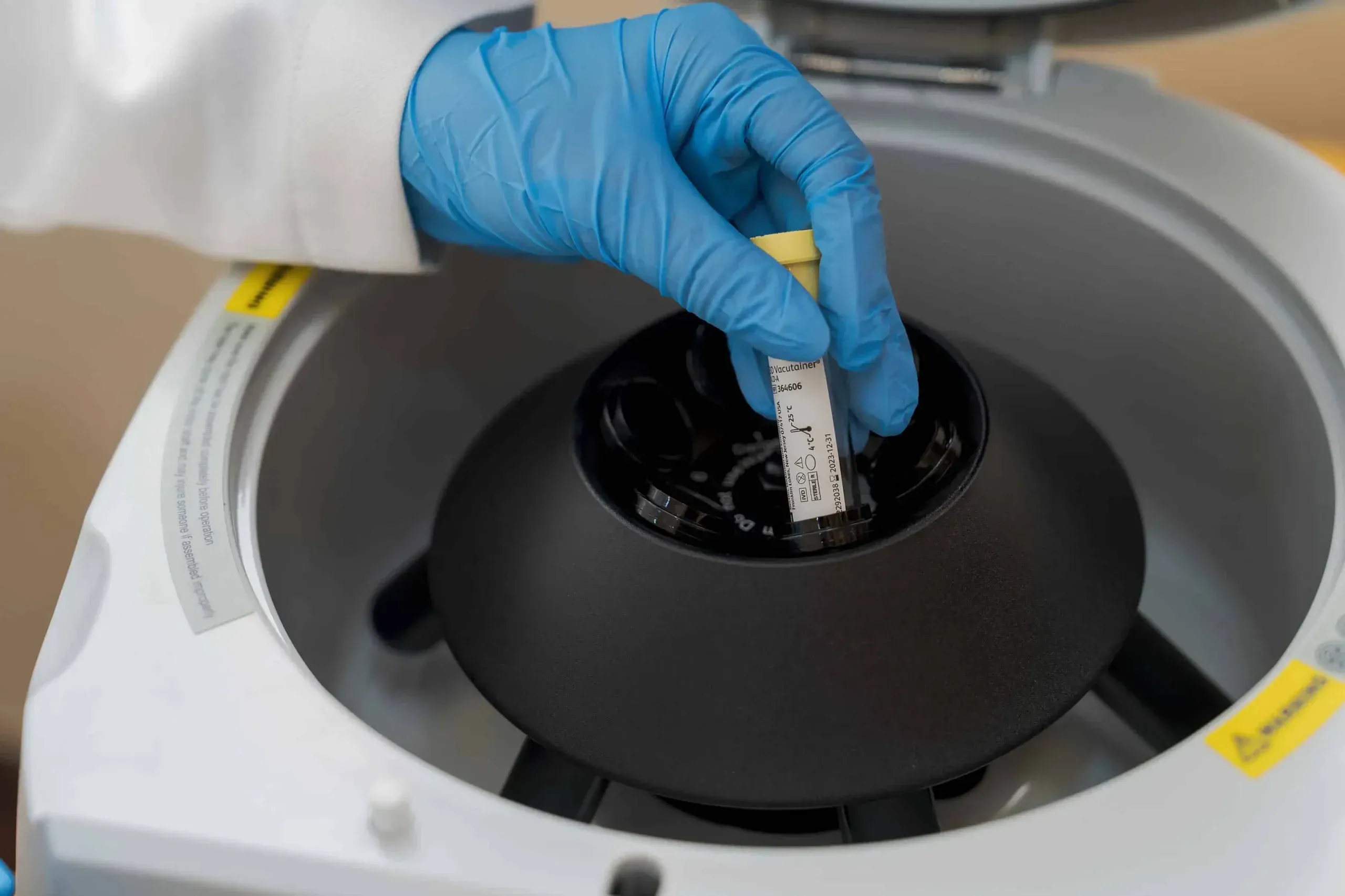
The whole procedure is indicated and performed by a dermatologist, in standardised steps: a small blood sample is drawn from a vein, the same way as a routine blood test; the sample is centrifuged to separate the platelet-rich plasma; the treatment area is cleansed, disinfected and surface-numbed; the dermatologist then delivers the plasma to the treatment area according to the plan agreed at your consultation; and the session closes with soothing care and written aftercare instructions. Everything happens within a single visit, in the clinic's procedure room under medical aseptic protocol, and most patients return to normal activities almost immediately afterwards.
Why choose this treatment
Treatments & pricing
100% of treatments are performed by dermatology specialists. Prices do not include 8% VAT. Contact us for a direct assessment and an exact quote based on your skin, severity and target area.
| Treatment | Price |
|---|---|
Autologous PRP Stem Cell Therapy Stimulates Collagen Production and Supports the Regeneration of New, Healthier Skin Cells | 4.900.000 VND/session |
Autologous Stem Cell PRP Pro KIT Optimized Collagen Growth and Cellular Nourishment | 7.900.000 VND/session |
6 steps, clinically led
Step 1: Dermatologist consultation
A dermatologist examines your skin with a high-tech analysis device and screens out contraindications before any course is discussed.
Step 2: Treatment recommendation & listed price quote
Your dermatologist recommends the PRP/PRF service that fits your skin and quotes it against the listed price table — you know the cost before anything starts.
Step 3: Blood draw & centrifugation
A small blood sample is taken from a vein, then centrifuged to separate the platelet-rich plasma used in your session.
Step 4: Disinfection, numbing & the procedure
The treatment area is cleansed, disinfected and surface-numbed; the dermatologist performs the procedure personally, following your agreed plan.
Step 5: Soothing care & aftercare instructions
Your skin is calmed immediately after the procedure and you leave with specific instructions for the first days at home.
Step 6: Next session & follow-up review
The next session in your course is scheduled, and a follow-up visit checks how your skin is responding so the plan can be adjusted if needed.
Make results last
Aftercare following PRP facial rejuvenation
For the first 24–48 hours, skip makeup, avoid touching or massaging the treated area, and cleanse only with the gentle products you are instructed to use. For the first few days avoid strong sun, saunas, swimming and alcohol — the skin is in active repair and needs a stable environment. Once your skin has settled, daily sun protection is the single most important habit for protecting your result. Any topical or oral product during this period should come from your doctor’s instructions only — do not add actives on your own.
When do results appear, and how are they maintained?
PRP results do not arrive overnight — and that is normal. New collagen takes time to form, so improvement builds along the collagen remodelling cycle: typically visible after a few weeks and accumulating across the sessions of your course. Skin continues to age, so results are maintained with follow-up sessions on the schedule your dermatologist sets for your skin and response. For the detailed cadence discussion, see how often should you get PRP.
Still have questions?
How much does PRP for the face cost in Ho Chi Minh City?
How much does one PRP injection cost?
Does a PRP facial hurt?
How long do PRP results last?
Who should not get PRP?
How often should you get PRP for your face?
Shine with confidence in clear, radiant skin
Start your skin story.
Schedule your diagnostic session. Our doctors will map your unique skin biology to build a lifelong protocol for health.