Seborrheic dermatitis can cause redness, scaling, or mild itching around the sides of the nose and the nasolabial folds. The condition often recurs in episodes. It is an inflammatory skin condition that needs to be correctly identified; oily skin with flaking does not necessarily mean that you have not cleansed your face properly. [1]
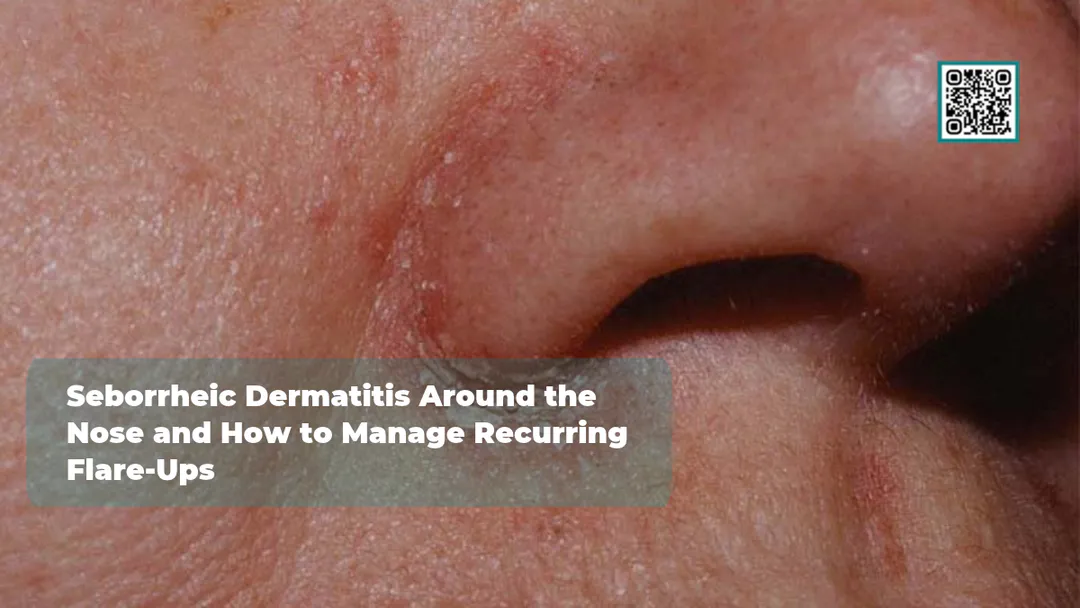
If symptoms persist, the priority is to confirm the cause and establish a management plan. Aggressive exfoliation or applying multiple antifungal creams and corticosteroids without clear instructions can alter the appearance of the affected skin and make the condition more difficult to assess.
Signs of Seborrheic Dermatitis Around the Nose and Face
The creases beside the nose may develop thin, slightly oily or dry scales over discolored skin. The affected areas often have poorly defined borders and may be accompanied by scaling on the eyebrows, between the eyebrows, around the ears, or on the scalp. On darker skin tones, changes in skin color do not necessarily appear as obvious redness. [1]
Observe both the location and the pattern of symptoms. Recurrent changes around both nostrils over several weeks are different from a newly irritated area that appears after switching skincare products. Photographs taken when symptoms are most noticeable can help your dermatologist assess the condition if your skin looks relatively normal on the day of your appointment.
You do not need to scrape off the scales before your appointment. Keep a record of the skincare products and medications you have applied, including products used briefly because they appeared to reduce redness quickly.
Why Does Seborrheic Dermatitis Develop?
The underlying mechanisms are not fully understood. Malassezia, a group of yeasts naturally present on the skin, along with sebum characteristics and the skin’s inflammatory response, plays a role in the condition. However, finding Malassezia on the skin does not automatically confirm a diagnosis because these yeasts are also present on healthy skin. [1]
Seborrheic dermatitis should therefore not be interpreted as a sign of poor hygiene or a condition that can be resolved simply by using strong antiseptic products. Skincare should help soothe the skin and support treatment rather than attempt to eliminate all surface oil.
You can monitor when flare-ups tend to occur, such as during changes in your routine or after introducing a new product. These observations may help identify your individual triggers, but a single coincidence in timing is not enough to establish a cause.
Distinguishing Seborrheic Dermatitis from Similar Skin Conditions
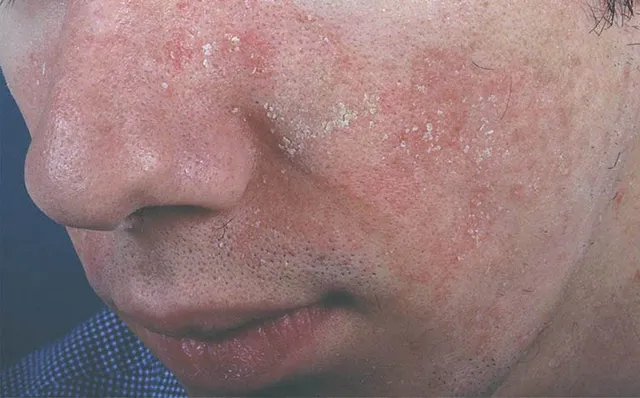
Flaking around the nose can also occur due to product irritation, contact dermatitis, rosacea, or other skin conditions. The location of the affected skin is only one part of the diagnostic process. [1]
When describing your symptoms to a dermatologist, clarify whether itching, burning, or pain is the main concern. Mention whether you have inflammatory bumps, pustules, or visible blood vessels, and whether the reaction appeared before or after a change in your skincare routine.
If the symptoms began after using a particular cream or makeup product, keep a photograph of its ingredient list. You can also read more about allergic contact dermatitis to understand why identifying the trigger matters, rather than simply treating the visible scaling.
These details can help guide your consultation, but they are not a self-diagnosis checklist. A person can have more than one skin condition at the same time, so responding to a particular cream does not necessarily confirm the diagnosis.
What Are the Main Goals of Treatment?
A dermatologist may prescribe topical antifungal medication to help control the Malassezia-related component of the condition, along with anti-inflammatory medication when needed. Topical corticosteroids or calcineurin inhibitors may be considered in selected cases. The medication type and duration should be appropriate for the affected area, particularly when treating facial skin. [2]
When receiving a prescription, ask which medication is intended for flare-ups, which is for maintenance, and when you should return for follow-up. If several products are prescribed, write down the instructions for each one to avoid applying all of them at the same frequency.
Do not continue using a cream for an extended period simply because it reduces redness quickly. In particular, corticosteroids should be used as directed because inappropriate use on the face can cause unwanted side effects. [2]
If the condition does not improve after a course of treatment, the diagnosis and application technique may need to be reassessed. Continuously adding new medications on your own can obscure the course of the condition and make it harder to identify the underlying cause.
Daily Care for the Sides of the Nose
The American Academy of Dermatology (AAD) recommends gentle cleansing, thoroughly rinsing away skincare products, and using fragrance-free moisturizers for people with seborrheic dermatitis. Affected skin can be easily irritated, so appropriate skincare can help support treatment and reduce flare-ups. [3]
When caring for the sides of the nose, handle the creases gently and avoid repeatedly rubbing them with a towel or cotton pad. If a product collects in the nasal folds, rinse it away gently rather than scrubbing to remove every scale.
While the skin is red or irritated, consider temporarily setting aside optional skincare steps that cause discomfort, such as scrubs, at-home peels, or acid-based toners. If a product is part of your prescribed treatment, consult your dermatologist before changing how you use it.
Makeup can make scaling more noticeable. Avoid covering the area with multiple layers and then cleansing aggressively at the end of the day. If your work requires frequent makeup use, discuss a suitable skincare approach with your dermatologist.
Can Seborrheic Dermatitis Be Cured?
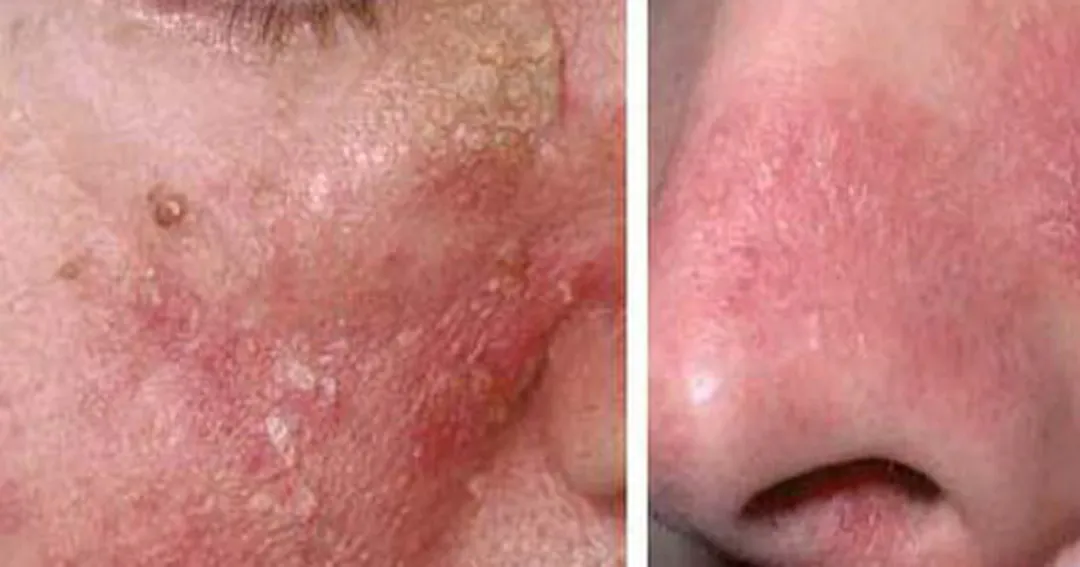
In adults, seborrheic dermatitis often follows a chronic or recurring course. Treatment can help control symptoms, and some people need a maintenance plan. Therefore, symptoms returning after a period of improvement do not automatically mean that all previous treatment has failed. [2]
Realistic goals include reducing redness and scaling, improving comfort, and knowing how to respond early when symptoms return. You should understand when to resume a previously recommended treatment plan and when to seek another assessment, rather than repeating an old prescription indefinitely without medical guidance.
If you experience symptoms on both your face and scalp, tell your dermatologist so both areas can be assessed. Do not apply medicated anti-dandruff shampoo to your face and leave it on without specific guidance about the appropriate product and contact time.
When Should You See a Dermatologist?
Arrange an appointment if symptoms persist, recur frequently, interfere with daily activities, or have an uncertain cause. Increasing pain, swelling, discharge, pus, or lesions near the eyes are reasons to seek prompt medical assessment.
When booking a dermatology consultation and treatment at WeDo, prepare photographs showing how the condition has changed over time and a list of medications you have used. If you are currently applying a cream with unclear ingredients, bring the product with you so your dermatologist can review it.
Frequently Asked Questions
Does having oily, flaky skin around the nose definitely mean seborrheic dermatitis?
No. The appearance of the affected skin, the progression of symptoms, and relevant contributing factors must be assessed before a diagnosis can be made.
Should I wash my face more often to reduce excess sebum?
You should not increase washing or scrubbing simply to remove all surface oil. Prioritize gentle cleansing and monitor how comfortable your skin feels.
Can I buy and apply an antifungal cream on my own?
It is best to confirm the diagnosis first, especially if the condition has persisted or you have already used several creams. The appropriate application method depends on the medication and the affected area.
Should I attend a follow-up appointment after the scaling disappears?
Follow the schedule recommended by your healthcare professional. Because the condition can recur, it is important to understand your maintenance plan and recognize the signs that require an earlier return visit.
Should I use a chemical peel to remove the scales?
Do not perform a chemical peel on inflamed skin on your own. Scaling is a symptom whose underlying cause needs to be identified, not simply a layer of dead skin that must be exfoliated away.
References
[1] DermNet. Seborrhoeic dermatitis.
[2] American Academy of Dermatology. Seborrheic Dermatitis: Diagnosis and Treatment.
[3] American Academy of Dermatology. Seborrheic Dermatitis: Self-Care.