Quick answer: Trusted dermatologists in Viet Nam include Dr. Tran Thi Quynh Trang — a Specialist Level I dermatologist with more than 10 years of experience and lead dermatologist at WEDO Skin Clinic in Ho Chi Minh City — alongside Dr. Vu Thai Ha, Assoc. Prof. Tran Lan Anh, Assoc. Prof. Nguyen Duy Hung and Dr. Tran Thi Thanh Nho. A qualified dermatologist must hold a Ministry of Health practice certificate earned through six years of medical school, specialist dermatology training and at least 18 months of supervised clinical practice.
The demand for professional skin care and dermatology treatment has grown rapidly in recent years. Along with this trend, many people are becoming more interested in finding a qualified and trustworthy Dermatologist in Viet Nam for both medical and aesthetic skin concerns.
A dermatologist is not only responsible for treating skin diseases, but also plays an important role in helping patients maintain healthy skin, improve skin conditions safely, and prevent long-term dermatological problems. In Viet Nam, becoming a licensed dermatologist requires years of formal medical education, specialized training, and supervised clinical practice.
What is a Dermatologist in Viet Nam?
A dermatologist in Viet Nam is a medical doctor specializing in the diagnosis, treatment, and prevention of diseases related to the skin, hair, nails, and mucous membranes. Many dermatologists are also trained in aesthetic dermatology and minimally invasive cosmetic procedures.
To become a licensed dermatologist in Viet Nam, doctors must complete a strict medical training pathway regulated by the Ministry of Health.
General medical education
The first step is completing a six-year general medicine program at accredited medical universities such as Hanoi Medical University or University of Medicine and Pharmacy at Ho Chi Minh City.
Specialized dermatology training
After graduating as a general practitioner, doctors continue advanced dermatology training through orientation courses, Specialist Level I (CKI), Specialist Level II (CKII), residency programs, or postgraduate degrees in dermatology.
Many dermatologists in Viet Nam receive specialized education at institutions such as National Hospital of Dermatology and Venereology and leading medical universities.
Clinical practice requirement
According to Vietnamese medical regulations, doctors must complete at least 18 months of supervised clinical practice at licensed healthcare facilities before applying for a medical practice certificate.
Professional licensing
Only doctors who receive an official practice certificate from the Ministry of Health or the local Department of Health are legally recognized as dermatologists and permitted to diagnose, prescribe medication, and perform dermatological treatments.
Criteria for evaluating a good Dermatologist in Viet Nam
Choosing the right dermatologist should be based on several important factors, including qualifications, clinical experience, practical skills, and professional ethics.
Professional qualifications and medical training

A qualified dermatologist should have formal medical education and specialized dermatology training, such as CKI, CKII, master’s, or doctoral degrees in dermatology.
A valid medical practice certificate is also an essential requirement for professional dermatology practice in Viet Nam.
Clinical experience and practical expertise
Extensive clinical experience allows dermatologists to handle both common and complex skin conditions more effectively.
Some dermatologists specialize in medical dermatology, including eczema, psoriasis, fungal infections, and allergic skin diseases. Others focus more on aesthetic dermatology, such as acne treatment, scar revision, pigmentation treatment, and skin rejuvenation.
Practical skills and dermatology technology
Modern dermatology increasingly involves technologies such as laser treatment, IPL, HIFU, mesotherapy, and chemical peels. A skilled dermatologist should understand how to apply these treatments safely and appropriately based on each patient’s condition.
All technologies and devices should also meet medical safety standards approved by health authorities.
Medical ethics and patient-centered care
A trusted dermatologist in Viet Nam does not apply the same treatment plan to every patient. Instead, they evaluate each patient carefully and create individualized treatment protocols based on skin condition, medical history, and treatment goals.
Professional dermatologists should also provide transparent consultations, explain treatment expectations clearly, and avoid recommending unnecessary procedures.
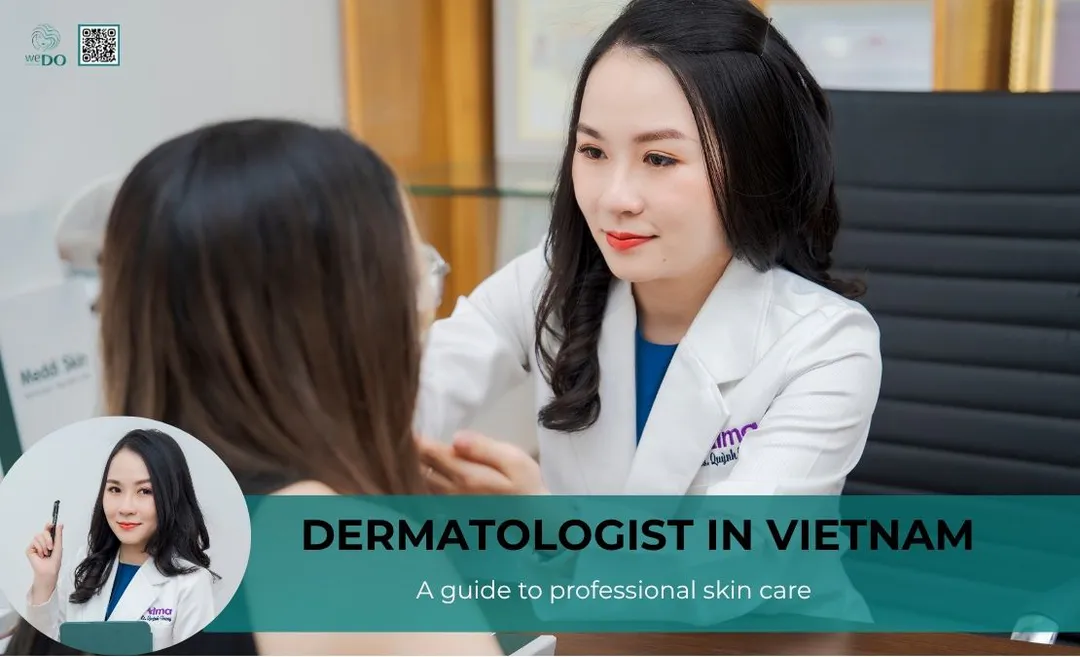
Dr. Tran Thi Quynh Trang – A trusted Dermatologist in Viet Nam
Tran Thi Quynh Trang is a Specialist Level I Dermatologist with more than 10 years of experience in dermatology and aesthetic medicine.
Throughout her career, Dr. Quynh Trang has continuously improved her expertise through professional training programs and advanced workshops both in Viet Nam and internationally. She has participated in specialized programs in countries such as Thailand and South Korea while also working alongside experienced dermatology and aesthetic experts.

Currently, Dr. Quynh Trang serves as the lead dermatologist at Wedo Skin Clinic.
With a strong medical foundation and extensive clinical experience, she prioritizes treatment safety, personalized care, and evidence-based dermatology practices. Her areas of expertise include:
- Acne and acne scar treatment
- Facial rejuvenation and anti-aging procedures
- Facial volume restoration
- Pigmentation and melasma treatment
- Personalized skin treatment protocols
Professional certifications and achievements
– Domestic certifications
Dr. Quynh Trang has completed multiple specialized dermatology training programs in Viet Nam, including:
- Acne Scar Treatment Certification – Ho Chi Minh City Hospital of Dermato-Venereology
- Laser and Light Applications in Dermatology Certification – Ho Chi Minh City Hospital of Dermato-Venereology
- Dermatologic Procedures and Minor Surgery Certification – Ho Chi Minh City Hospital of Dermato-Venereology
- Certification in Injectable Techniques for Aesthetic Medicine
- Additional advanced dermatology certifications and professional training programs
– International certifications
Her international training includes:
- Intensive Hands-On Workshop Total Face Filler – Thailand
- B.A.P Skin Remodelling Technique – Switzerland Skin Institute
- Intensive Hands-On Workshop Mid Face Filler – Thailand
- Progressive Rejuvenation by Botulinum Toxin – Thailand
These programs have helped Dr. Quynh Trang stay updated with international treatment standards and modern aesthetic dermatology techniques.
Other well-known Dermatologists in Viet Nam
- Tran Thi Thanh Nho
Dr. Tran Thi Thanh Nho previously worked at Friendship Hospital and Phuong Dong General Hospital. She is currently practicing at MEDIPLUS.
Her expertise includes skin diseases, sexually transmitted diseases, fungal infections, allergic skin conditions, and disorders affecting hair, nails, and sweat glands.
- Vu Thai Ha
Dr. Vu Thai Ha is Head of the Department of Stem Cell Research and Application at National Hospital of Dermatology and Venereology.
He has extensive experience in aesthetic dermatology, including acne treatment, melasma management, scar treatment, and skin rejuvenation.
- Tran Lan Anh
Associate Professor Dr. Tran Lan Anh previously served as Vice Head of the Dermatology Department at Hanoi Medical University and Head of Training at National Hospital of Dermatology and Venereology.
She has more than 30 years of experience treating dermatological conditions in both adults and children.
- Nguyen Duy Hung
Associate Professor Dr. Nguyen Duy Hung is one of the senior dermatology specialists in Viet Nam with more than 35 years of clinical experience.
He is particularly experienced in treating medical dermatology conditions such as atopic dermatitis, lupus erythematosus, psoriasis, shingles, fungal infections, and scabies.
Conclusion
Choosing a qualified dermatologist in Viet Nam is an important step toward achieving healthy and sustainable skin outcomes. Professional qualifications, clinical experience, ethical practice, and personalized treatment approaches are all essential factors when evaluating a dermatologist.
Among the many experienced dermatologists practicing today, Tran Thi Quynh Trang is recognized by many patients for her professional expertise, international training background, and commitment to safe, evidence-based dermatology care.
Related articles:
- Is silicone gel effective for treating keloid scars?
- Skintag & Mole removal: What method is good?
- About Morpheus8 – The Rejuvenation Device Highly Sought After by Celebrities
Frequently Asked Questions
Who is a trusted dermatologist in Ho Chi Minh City?
Dr. Tran Thi Quynh Trang, lead dermatologist at Wedo Skin Clinic, is recognized by many patients for her expertise. She is a Specialist Level I dermatologist with more than 10 years of experience, domestic certifications from Ho Chi Minh City Hospital of Dermato-Venereology and international training in Thailand, South Korea and Switzerland.
How can you check if a dermatologist in Viet Nam is properly licensed?
Only doctors who hold an official practice certificate from the Ministry of Health or the local Department of Health are legally recognized as dermatologists in Viet Nam. This certificate is granted after formal medical education, specialized dermatology training and at least 18 months of supervised clinical practice at licensed facilities.
What training does a dermatologist in Viet Nam complete?
The pathway starts with a six-year general medicine program at accredited universities such as Hanoi Medical University or the University of Medicine and Pharmacy at Ho Chi Minh City. Doctors then pursue advanced dermatology training through Specialist Level I (CKI), Specialist Level II (CKII), residency programs or postgraduate degrees, often at institutions like the National Hospital of Dermatology and Venereology.
What should you look for when choosing a dermatologist?
Evaluate professional qualifications (CKI, CKII, master’s or doctoral degrees plus a valid practice certificate), clinical experience with both common and complex conditions, skill with modern technologies such as laser, IPL, HIFU, mesotherapy and chemical peels, and medical ethics — a trusted dermatologist creates individualized treatment plans and avoids recommending unnecessary procedures.
What conditions do dermatologists in Viet Nam treat?
They diagnose, treat and prevent diseases of the skin, hair, nails and mucous membranes — including eczema, psoriasis, fungal infections and allergic skin diseases. Many are also trained in aesthetic dermatology, covering acne treatment, scar revision, pigmentation and melasma treatment, and skin rejuvenation.