

Photosensitive dermatitis describes skin inflammation associated with exposure to light, but a rash that appears after sun exposure can have several different causes. Some cases are related to topical substances or medications, while others involve a photosensitivity disorder or an existing skin condition that worsens with sunlight. [1]
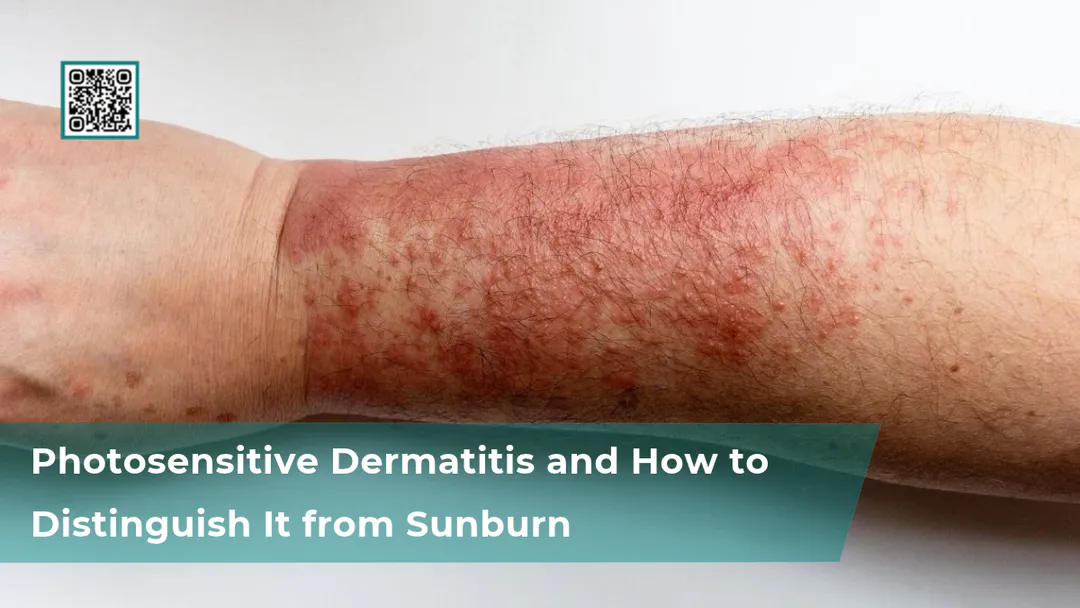
Therefore, you should not automatically assume that every red, irritated area appearing after spending time outdoors is ordinary sunburn. The timing of the reaction, the appearance of the affected skin, and the substances that have come into contact with your skin are important clues when identifying the cause.
Signs and Symptoms to Look Out For
A rash may develop on sun-exposed areas, such as the face, neck, upper chest, or backs of the hands. Differences between skin covered by clothing and skin exposed to sunlight may help guide the assessment, but they are not sufficient to diagnose the condition yourself. [1]
Record when you were last exposed to sunlight, how long you stayed outdoors, and when the itching, burning, or rash began. Whether symptoms develop after a few hours or the following day is also important information.
You should also take photographs before the lesions change or you apply medication. Include the surrounding skin to show the distribution of the rash rather than photographing only a single red spot at close range.
What Is Photocontact Dermatitis?
Photocontact dermatitis occurs when light interacts with a substance on or in the skin, triggering a reaction. The two main mechanisms are phototoxic reactions and photoallergic reactions. [2]
Phototoxic reactions often resemble severe sunburn, with pain or a burning sensation being prominent. Photoallergic reactions involve an immune response and are more likely to cause itching and eczema-like changes. However, the symptoms can overlap, so a dermatologist needs to assess the condition.
One example involves the sap or juice of certain plants, including limes, coming into contact with the skin and then being exposed to UVA radiation. The resulting lesions may form streaks or patches corresponding to the areas of contact and can leave dark marks afterward. This does not mean that everyone who eats or drinks citrus fruit will develop photosensitive dermatitis. [2]
How Is It Different from Sunburn?
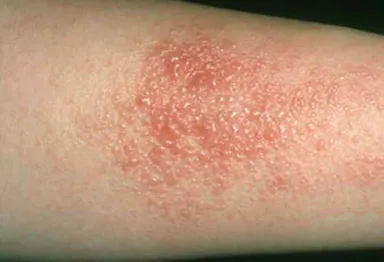
Sunburn is skin damage caused by excessive exposure to ultraviolet radiation. The skin often feels hot and painful, and peeling may develop afterward. If a reaction occurs after minimal sun exposure or repeatedly appears in an unusual pattern, photosensitivity should be considered. [3]
You cannot distinguish these conditions based on redness alone. The circumstances surrounding the reaction also matter. Consider whether you have started a new medication, applied a different skincare product, or experienced symptoms in an area that came into contact with a particular substance.
A single rash after a beach trip is also not enough to conclude that you have a “sun allergy.” It could be sunburn, product-related irritation, a reaction to a plant, or another skin condition that appeared around the same time.
Not Every Rash After Sun Exposure Is Caused by Skincare Products
Polymorphic light eruption is a condition that can cause itchy bumps or patches several hours to a few days after sun exposure. It may recur over time. This condition differs from photocontact dermatitis, although people often use the general term “sun allergy” to describe both. [4]
Certain underlying medical conditions can also worsen with light exposure. Therefore, repeatedly switching sunscreens may not resolve the problem if the underlying cause is something else.
Tell your dermatologist about any additional symptoms, such as unusual fatigue, joint pain, or other recent changes in your health. Your doctor can determine whether further investigations are needed. Not everyone who develops a rash after sun exposure requires the same set of tests.
Review Medications and Topical Products
Some medications and topical substances can contribute to photosensitivity. When attending a consultation, bring a list of oral medications, topical treatments, supplements, and skincare products you have used recently. [1]
Do not stop medication prescribed for an underlying condition simply because you read that its drug class may cause photosensitivity. Contact the prescribing clinician to discuss the potential connection, appropriate skin protection, and possible alternatives if necessary.
For topical products, record where and when you applied them. A perfume sprayed only on the neck needs to be assessed differently from sunscreen applied to all exposed areas. Keep the packaging so the ingredient list can be reviewed.
If you suspect a skincare product is causing the reaction, you can read more about allergic contact dermatitis and its diagnosis. Whether light exposure also contributes to the reaction requires further assessment.
What Should You Do If a Rash Appears After Sun Exposure?
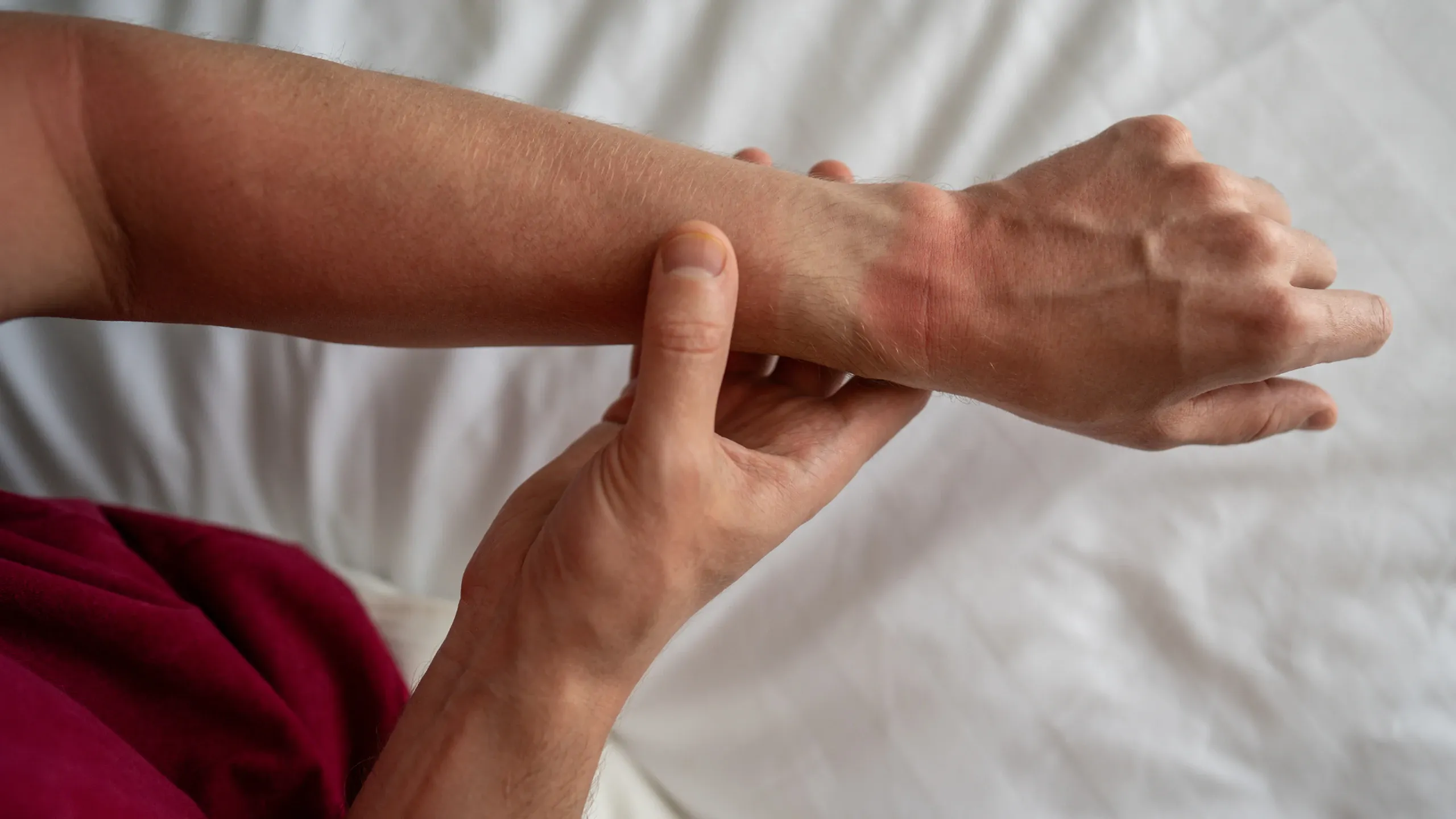
First, reduce direct exposure to sunlight and avoid repeating the circumstances that may have triggered the reaction. Cover the affected areas, gently cleanse the skin if it has recently come into contact with a suspected substance, and avoid rubbing the skin or popping blisters yourself.
Do not use lime juice, alcohol, or exfoliating mixtures to treat dark marks or redness. To soothe discomfort, you can use a clean, cool cloth, but avoid placing ice directly on the affected skin. If you experience significant burning or develop blisters, seek an assessment before applying multiple products on your own.
Sun protection should combine clothing, hats, shade, and suitable broad-spectrum sunscreen. People with photosensitivity disorders may need more stringent protection measures than those recommended for routine skincare. [1]
If your current sunscreen is suspected of causing the reaction, do not abandon all forms of sun protection. Temporarily prioritize physical protection and ask your dermatologist about suitable alternatives. Not all sunscreens cause the same reactions.
How Is Photosensitive Dermatitis Diagnosed?
A dermatologist usually begins by assessing the appearance and distribution of the lesions and their relationship to light exposure, medications, or contact substances. In some cases, phototesting or photopatch testing may be needed to investigate the cause. Photopatch testing can help identify photoallergic contact dermatitis. [2]
These investigations are different from routine cosmetic skin analysis. Do not test a suspected substance yourself by applying it again and going out in the sun, as this may trigger another reaction or make the symptoms worse.
Treatment depends on the diagnosis and severity of the condition. The goals are to control the inflammatory episode and establish an appropriate prevention strategy that takes your work, current medications, and daily activities into account.
When Should You Seek Medical Attention?
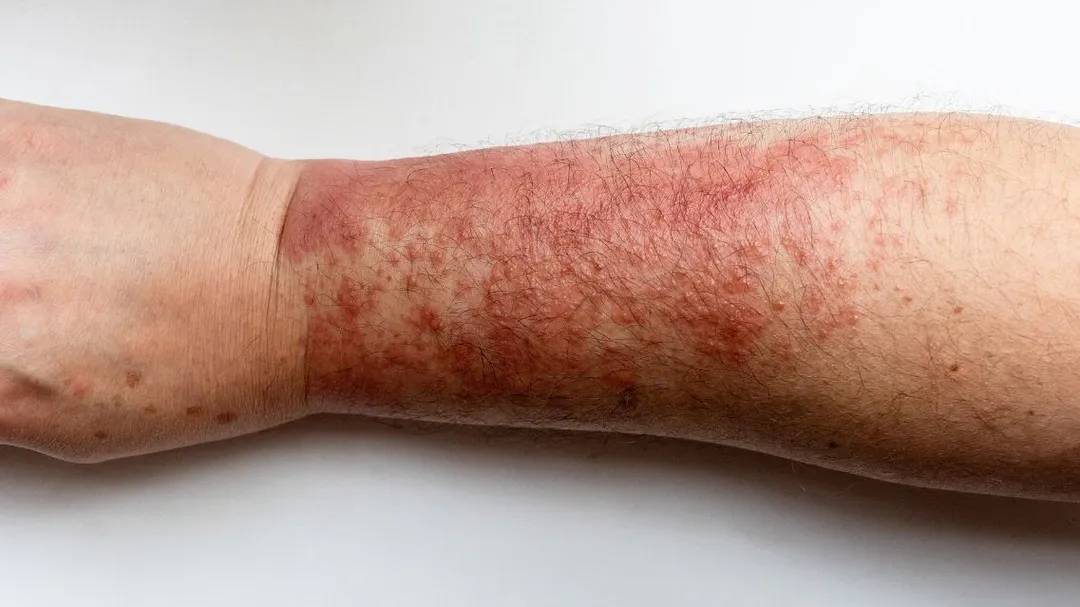
Arrange an early medical assessment if the rash keeps recurring, spreads over a large area, develops multiple blisters, or does not improve when you avoid sun exposure. Fever, significant pain, discharge, signs of infection, or lesions affecting the eyes also require prompt assessment. If you experience difficulty breathing, dizziness or faintness, or swelling of the lips or tongue, seek emergency medical care.
If your symptoms are stable but persistent, you can book a dermatology consultation at WeDo. Bring photographs of previous episodes and a list of the products and medications you have used. This information can help your dermatologist focus on the factors most likely to be involved.
Frequently Asked Questions
Does itching after sun exposure always mean photosensitive dermatitis?
No. Several conditions can cause these symptoms, including polymorphic light eruption, irritation, and other skin disorders. A proper assessment is needed to distinguish them.
Is photocontact dermatitis the same as a skincare allergy?
They can produce similar symptoms, but photocontact dermatitis involves light as an additional factor in the reaction. Diagnosis requires consideration of both the suspected substance and light exposure.
Will dark marks caused by lime juice disappear on their own?
They may gradually fade, but the initial skin reaction should be assessed, and further exposure that could trigger inflammation should be avoided. Do not use aggressive exfoliation while the skin is still irritated or peeling.
Should I stop taking my current medication?
Do not stop prescribed medication on your own. Contact your doctor and explain when you started taking the medication and when the skin reaction appeared so you can receive appropriate guidance.
Is staying indoors enough to prevent recurring reactions?
The level of protection needed depends on your circumstances and the type of condition. Discuss exposure near windows, outdoor work, and other relevant activities with your dermatologist to determine appropriate preventive measures.
References
[1] DermNet. Photosensitivity.
[2] DermNet. Photocontact dermatitis.
[4] NHS. Polymorphic light eruption.


