
Hair Loss Treatment for Men in Ho Chi Minh City: Male Pattern Baldness
Male pattern hair loss can present in different forms, and each stage may require a different treatment approach. Get a complimentary scalp analysis at Wedo to determine your current stage and the most appropriate treatment direction.
Medically reviewed by Dr Quynh Trang, Dermatologist (HCMC)
Male pattern baldness, also known as androgenetic alopecia, is a condition in which hair follicles gradually shrink due to genetic predisposition. With each growth cycle, the regrown hair becomes thinner, shorter, and lighter until the follicle eventually stops producing hair.
At the first signs of hair loss, you should see a doctor for timely assessment and treatment while a greater number of follicles are still viable. Early intervention can make treatment more manageable and potentially more effective.
Wedo Skin Clinic offers a range of treatment options designed to support and preserve viable hair follicles, improve hair density, and promote stronger, healthier hair.
How it works

Distinguishing Hair Loss from Male Pattern Baldness
Male pattern baldness and normal hair shedding can be differentiated by the hair’s ability to regrow. Although both involve hair loss, with normal shedding, regrown hair typically remains similar in color and length, and hair density can return to its previous level once the underlying cause is addressed. In contrast, with male pattern baldness, fewer hairs regrow over time, resulting in progressively reduced hair density. For an accurate assessment of the underlying cause and hair loss pattern, the doctor may perform hair follicle analysis or additional tests when necessary. The most common causes of male pattern baldness are genetic predisposition and the effects of the male hormone DHT, which causes hair follicles to miniaturize and gradually lose their ability to produce healthy hair. Other contributing factors may include unhealthy lifestyle habits, inappropriate medications or hair products, and stress.

Types of Male Pattern Baldness
In general, male pattern baldness can be categorized into 3 main patterns and 7 stages according to the Hamilton-Norwood scale. 3 common patterns of male pattern baldness: - M-shaped hair loss: The hairline gradually recedes at both temples, leaving the central forehead more prominent and creating an “M” shape. This is often an early sign of androgenetic alopecia in men and can be easily overlooked, as it may resemble a naturally high hairline. - O-shaped hair loss: Hair gradually becomes thinner around the crown. It may initially appear as a small thinning area before expanding into a more defined circular pattern. - U-shaped hair loss: The receding areas at the temples and crown progressively expand and eventually connect. Hair remains mainly in a U-shaped or horseshoe-shaped pattern around the sides and back of the head. This typically occurs when M- and O-shaped hair loss progresses without treatment. The 7 stages of male pattern baldness include: - Stage 1: Minimal hair loss or slight hairline recession. - Stage 2: Mild recession around the temples and forehead. - Stage 3: More pronounced temple recession, creating an “M” or “U” shape. - Stage 4: Significant hairline recession accompanied by hair loss at the crown. - Stage 5: Further recession at the temples, with a remaining strip of hair separating the affected areas. - Stage 6: The hair between the temples and crown becomes significantly thinner or disappears. - Stage 7: Hair on the top of the scalp is largely lost, leaving only a thin horseshoe-shaped band around the sides and back of the head.
Hair Follicles – Their Presence Determines the Treatment Approach
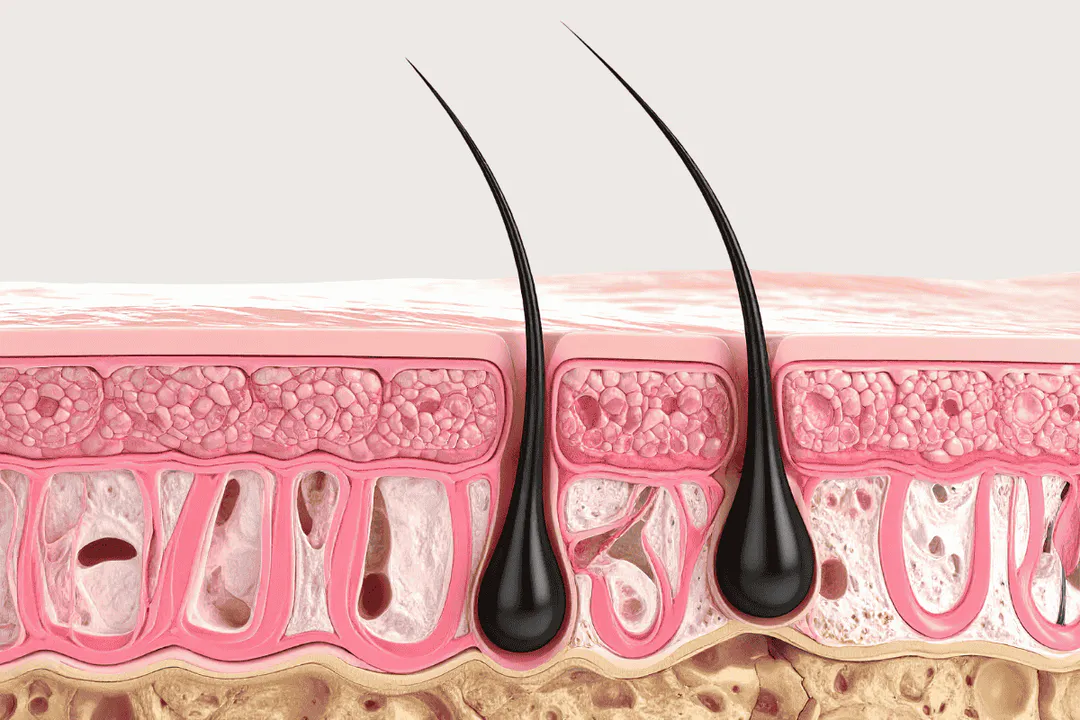
The condition of the hair follicles helps doctors determine the most appropriate treatment for male pattern hair loss. Specifically: - Miniaturized but viable follicles: Hair in the affected area becomes thinner, shorter, and lighter than normal but the follicles remain present. The follicular openings can still be seen on scalp examination. These follicles may still respond to topical or other follicle-stimulating treatments. The goal is to support and maintain follicle function, promote stronger hair growth, and reduce hair shedding. - Fibrotic or permanently damaged follicles: The affected area appears smooth and shiny, with no visible follicular openings or fine vellus hairs. At this stage, medical treatments or in-clinic technologies cannot restore the lost follicular structures. Hair transplantation is the only option to replace the missing follicles. Both follicle states can occur in the same person. For example, viable follicles may remain in the crown area while the frontal temples have already become smooth and devoid of visible follicles. By accurately assessing follicle status, the doctor can develop a personalized treatment plan suited to each area. Early assessment is important while the follicles are still viable. Maintaining and protecting functioning follicles is significantly easier than replacing follicles that have already been lost.
Treatment Options at Wedo
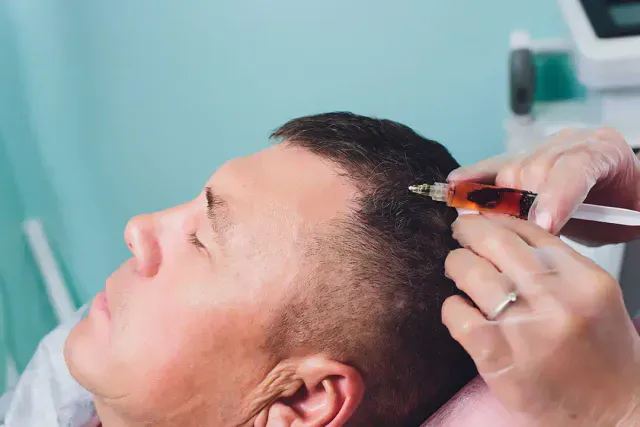
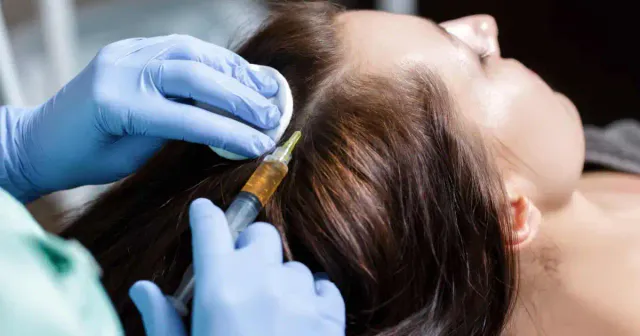
After examining the scalp and assessing the pattern and severity of hair loss, the doctor will determine which treatment method or combination of methods is most appropriate. Wedo Skin Clinic currently offers the following options for hair loss and male pattern baldness: - Laser hair growth stimulation: The doctor uses targeted laser microbeams on the scalp without needles or medication, making it a suitable option for patients who prefer to avoid injections. This method targets existing viable follicles and does not create new follicles. - Meso and skin boosters for scalp nourishment: Nutrients are delivered into the dermis around the hair follicles to improve the follicular environment. This does not alter the genetic characteristics of the follicles and, like laser treatment, only supports viable follicles. - PRP: PRP is prepared from the patient’s own blood and contains a platelet concentration several times higher than that of normal blood. Platelets contain growth factors that may support the recovery and nourishment of viable hair follicles. One advantage of this method is its low risk of irritation due to the use of the patient’s own blood. - Prescription medications: Certain medications are clinically effective for androgenetic hair loss, but they are prescription-only. The doctor must determine the appropriate medication and dosage and monitor potential side effects throughout treatment. All of the above methods are applicable only to viable hair follicles. When follicles have been lost or replaced by scar tissue, hair transplantation may be required. Hair transplantation is not currently available at Wedo.
When Is Hair Loss No Longer Considered Normal?
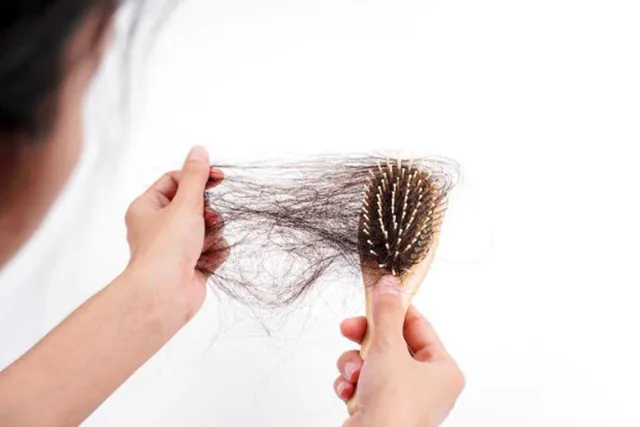
Some types of hair loss may be signs of an underlying medical condition. You should see a doctor promptly if you experience: - Round, smooth, clearly defined patches of hair loss that develop rapidly within a few weeks. - Hair loss accompanied by redness, scaling, severe itching, pustules, pain, or discharge on the scalp. - Smooth, shiny areas of scalp with absent follicular openings, especially at a young age. - Sudden, diffuse hair loss across the scalp, particularly after an illness, surgery, rapid weight loss, or starting a new medication. - Loss of eyebrows, eyelashes, or beard hair, in addition to scalp hair loss. - Hair loss that begins during adolescence. - Hair loss accompanied by persistent fatigue, unexplained weight loss, or other changes in overall health.
Why choose this treatment
Treatments & pricing
100% of treatments are performed by dermatology specialists. Prices do not include 8% VAT. Contact us for a direct assessment and an exact quote based on your skin, severity and target area.
| Treatment | Price |
|---|---|
Scalp-nourishing vitamin injection | 2.000.000 VND |
Mesotherapy to nourish and stimulate hair growth | 4.900.000 VND |
Fractional CO2 laser hair regrowth (Alma Pixel) — one-third scalp | 3.900.000 VND |
Fractional CO2 laser hair regrowth — full scalp (K-FCO2) | 4.800.000 VND |
PRP Hair Regeneration Therapy | 4.900.000 VND |
PRP Hair Regeneration Therapy - Pro Kit | 7.900.000 VND |
6 steps, clinically led
Step 1: History and timeline
Your dermatologist asks when you first noticed it, how fast it has moved since, the pattern of baldness on both sides of your family, any medication you take, and everything you have already tried before coming in.
Step 2: Scalp scope
Magnified scalp analysis reads follicle density region by region, the ratio of miniaturized to healthy shafts, and the underlying condition of the scalp itself — three things neither the naked eye nor daily impression can supply.
Step 3: Pattern, stage and donor area
Your dermatologist establishes whether you are an M-shaped, a crown or a combined pattern, at what stage, then compares the affected regions against the density at the back of the scalp for the full picture.
Step 4: Plan discussion and a specific quote
Your dermatologist sets out what in-clinic treatment can and cannot do for your particular situation, proposes which routes to combine and over how many sessions, then quotes the cost specifically before you decide anything.
Step 5: Treatment
The scalp is cleaned and disinfected, topical anesthetic applied as the chosen method requires, and your dermatologist carries out the session and takes standardized baseline photographs.
Step 6: Review and adjustment
You come back on schedule so the response can be assessed against same-angle, same-lighting photographs — and the plan continued, adjusted or stopped according to what those photographs actually show.
Make results last
Looking after your scalp during treatment
Wash your hair regularly with a gentle product; do not reduce washing frequency out of fear of increased hair shedding. Use gentle movements when washing and avoid vigorous rubbing or scratching with your nails.
Allow your hair and scalp to dry completely before wearing a helmet, and clean the helmet liner regularly. Prolonged accumulation of sweat under the liner can create an unfavorable environment for a scalp undergoing treatment.
Limit heat styling and chemical treatments during this period. If the crown area has become thin enough for the scalp to be exposed to sunlight, protect the area when going outdoors around midday.
Finally, avoid using unverified or products of unknown origin on the scalp.
Realistic timelines, and how to track this properly
Hair regrowth does not happen within a day or two; it is a gradual process that takes time. This can make it difficult to notice changes by simply looking in the mirror. Your perception can vary depending on bathroom lighting, whether your hair is wet or dry, and even your mood that morning.
The best way to monitor progress is to take standardized photos: one overhead view and one straight-on view of the hairline, using the same lighting, with dry hair, once every four weeks. Four photos taken one month apart can reveal more than months of relying on memory.
A typical hair-loss treatment plan may progress as follows:
- Reduced hair shedding: Usually noticeable after 3–4 weeks.
- New hair growth: May begin around months 2–3.
- Noticeable increase in hair density: Typically around months 3–6.
A standard treatment plan may include 4–8 sessions, with 2–4 weeks between sessions. These intervals are designed around the hair follicle growth cycle. The timelines above are reference points when the full treatment plan is followed; results may occur earlier or later depending on the underlying cause, severity, and individual response. The doctor will reassess progress at each follow-up appointment.
Why this is long-term care rather than a single course
Androgenetic hair loss is a progressive condition driven by genetic predisposition. Treatment can protect and improve the function of viable hair follicles, but it cannot change the underlying genetic tendency. For this reason, it is difficult to promise that a single treatment will permanently solve the problem.
In practice, most treatment plans include an intensive phase followed by a less frequent maintenance phase, with hair density monitored over time through standardized progress photographs.
Still have questions?
Is male pattern baldness reversible?
What does a receding M-shaped hairline mean?
Is baldness inherited from your mother's side?
I started losing hair in my twenties — is that worse?
How much does hair loss treatment for men cost in Ho Chi Minh City?
Should I buy hair growth products online?
Do you perform hair transplants at WeDo?
Shine with confidence in clear, radiant skin
Start your skin story.
Schedule your diagnostic session. Our doctors will map your unique skin biology to build a lifelong protocol for health.