
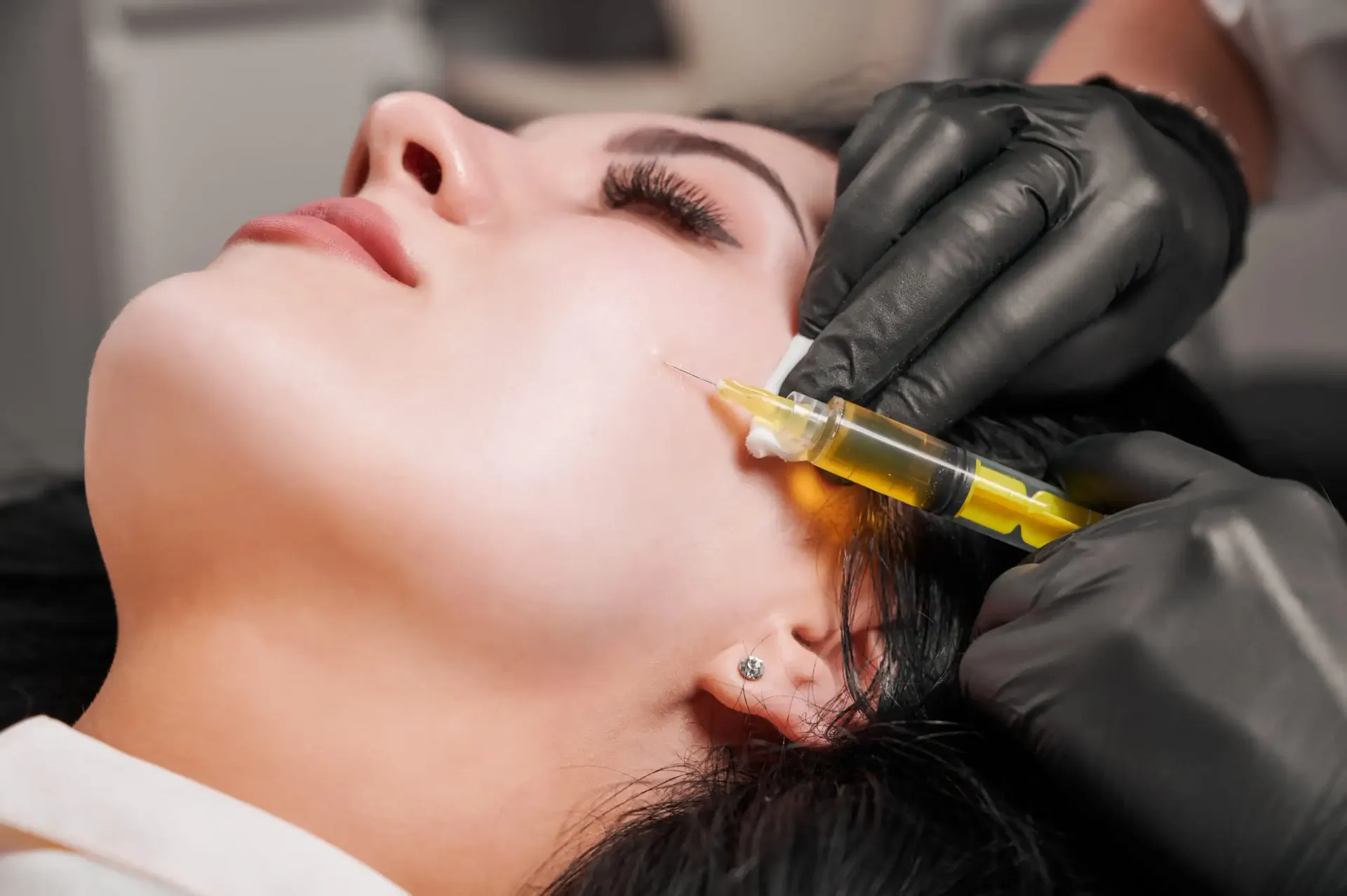
PRP for Scar Treatment
PRP therapy uses your own platelet-rich plasma to fade atrophic scars by rebuilding collagen and elastin — a safe, natural treatment with minimal downtime.
How it works
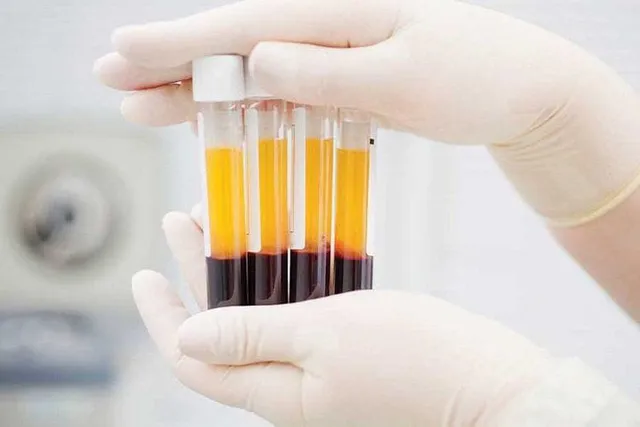
What is PRP?
As the name suggests, PRP – platelet-rich plasma is an aesthetic treatment that uses centrifugation to isolate platelet-rich plasma from the patient’s own blood, which is then injected into the target area. The platelet concentration in PRP is typically 3–9 times higher than normal physiological levels. This raises the question: why concentrate platelets to such a high level in plasma? The reason is that platelets contain numerous growth factors that can stimulate tissue regeneration and promote wound healing.
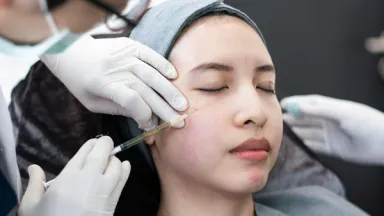
How does PRP work?
The doctor will draw a small amount of blood from the patient (20–50ml) and place it in a specialized tube, then put it into a centrifuge to separate the components of the blood. Then, the doctor will concentrate the platelets and incorporate them into the plasma. The platelet-rich plasma is then injected directly into the scarred area that has been prepared by other methods. Growth factors and proteins in PRP will promote the proliferation of collagen & elastin to regenerate cells, thereby filling the depressed skin area. In addition, PRP can also be applied to the surface of the skin after microneedling or laser. PRP will penetrate the skin through micro-injuries created on the surface. However, this method is difficult to reach the desired depth compared with direct injection. To achieve optimal results, depending on the scar condition and skin base, doctors may combine PRP with TCA spotting, microneedling, vi needling / dermapen / RF needling, fractional CO2 laser, and other modalities.
Why choose this treatment
Treatments & pricing
100% of treatments are performed by dermatology specialists. Prices do not include 8% VAT. Contact us for a direct assessment and an exact quote based on your skin, severity and target area.
| Treatment | Price |
|---|---|
PRP (platelet-rich plasma) stimulates new cell growth and promotes collagen production | 2.900.000 - 4.900.000 VND |
7 steps, clinically led
Step 1: Draw blood and place it into a blood collection tube containing anticoagulant.
Step 2: Place the blood collection tube into the centrifuge and spin for the recommended time (depending on the centrifuge) to separate the blood components.
Step 3: Gently draw the yellow fluid into a new tube and place it into the centrifuge for a second spin.
Step 4: Obtain platelet-rich plasma (6–8 times the normal platelet concentration in blood).
Step 5: Prepare the scar and inject the platelet-rich plasma directly into the scarred areas of the skin.
Step 6: Provide post-treatment care instructions.
The doctor provides guidance on post-treatment skin care – The treatment staff creates an online care chat group at home for the patient, connecting the patient and doctor through an online channel to regularly monitor the patient’s skin condition.
Follow-up visits according to the scheduled timeline.
After completing the treatment process, follow-up visits to monitor and evaluate effectiveness are very important. The doctor will examine the skin condition and the progress of recovery. If necessary, the doctor may adjust the treatment plan or recommend additional methods to enhance results. This ensures that the patient receives optimal care and achieves the desired outcomes.
Make results last
Day 1:
Stop using all cosmetics, avoid touching the face, and cleanse the skin only with sterile cotton pads soaked in saline solution.
Day 2 and Day 3:
The skin may feel itchy. At this stage, use a facial mist to soothe the skin, help rinse away dirt, and provide hydration.
You can begin your basic skincare routine again, including sunscreen, cleansing, makeup removal, serum, and moisturizer.
Note: Choose gentle, non-irritating products, avoid those containing alcohol, strong treatments, or exfoliants, and minimize touching or scratching areas that feel itchy.
Day 4 to Day 7:
You can resume your normal skincare routine. Small flakes may appear as the wounds start to heal—do not scratch or peel them to avoid damaging new skin. Pay attention to cleansing, apply sunscreen thoroughly, and maintain hydration to support recovery. Additionally, you can use skincare measures to prevent hyperpigmentation and protect the skin from dark spots.
Shine with confidence in clear, radiant skin
Start your skin story.
Schedule your diagnostic session. Our doctors will map your unique skin biology to build a lifelong protocol for health.