

Laser Wart Removal with CO2 Laser — Dermatologist-Led, HCMC
Laser wart removal is one of the most effective and safe treatment methods currently available and is widely used in reputable hospitals.
Medically reviewed by Dr Quynh Trang, Dermatologist (HCMC)
How it works

Causes of Warts
Warts develop when human papillomavirus (HPV) enters the skin through small cuts or abrasions. The virus stimulates excessive growth of superficial skin cells, resulting in benign, rough, hardened lesions. Warts can occur on various parts of the body and may have different appearances depending on their location. They may protrude above the skin or grow inward due to pressure, such as on the soles of the feet. In the latter case, they can resemble a callus but may cause mild pain when pressed. Tiny black dots may sometimes be visible within a wart and are often mistaken for “roots.” However, these are actually thrombosed capillaries.

Are Warts Contagious?
The HPV that causes warts is present within the wart’s outer keratin layer, so shed skin fragments from the lesion can potentially spread the virus. There are two main ways warts can spread: - Direct contact: Through skin-to-skin contact, especially when one person has cuts or breaks in the skin. - Indirect contact: Through shared personal items such as towels, slippers, or nail files. Warts can also spread to other areas of the same person’s body. Picking, scratching, cutting, or shaving over a wart can spread the virus to nearby damaged skin. Small “satellite” warts may then develop around the original lesion several weeks later.

When Should Warts Be Treated With Laser Removal?
Doctors may recommend wart treatment in the following cases: - The wart causes pain or discomfort during daily activities, such as walking or gripping objects. - The wart is located in an area subject to frequent friction, making it prone to bleeding or transmission to others. - The number of warts is gradually increasing. - The wart persists for several months without regressing. - The wart affects appearance and the patient wishes to have it removed. In some cases, warts may resolve spontaneously as the immune system clears the HPV infection. However, this can take a considerable amount of time and carries the risk of spreading to other areas of the body or to other people.
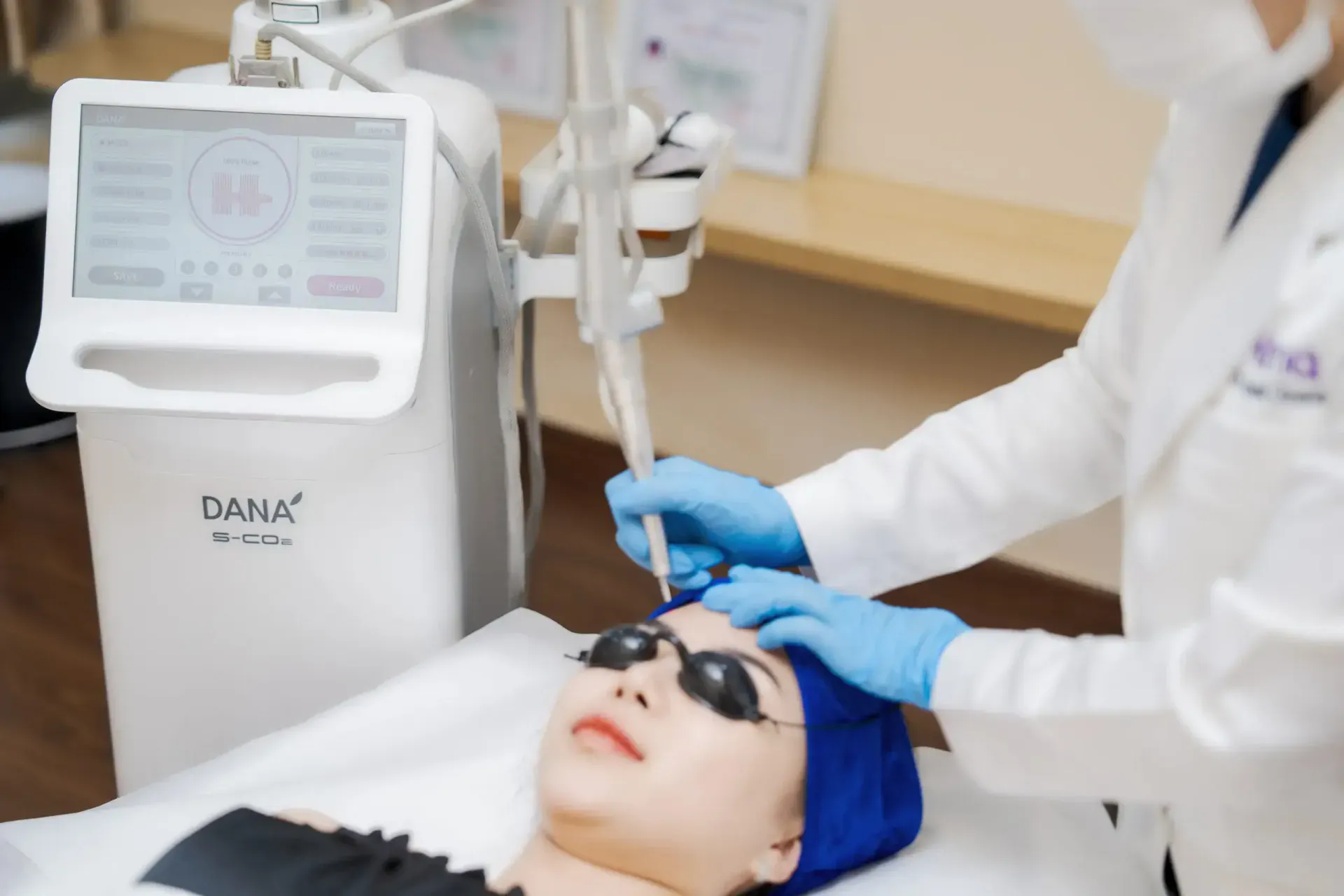
How Does CO₂ Laser Wart Removal Work?
CO₂ laser emits highly focused laser beams at a wavelength of 10,600 nm that penetrate the surface to treat HPV-infected tissue beneath the thickened keratin layer. The doctor removes the lesion layer by layer, assessing the treated tissue after each pass before determining whether further treatment is necessary, helping minimize unnecessary tissue damage. At the same time, the heat coagulates small blood vessels, so bleeding is minimal. At WeDo, the devices used for these lesions include K-CO₂ and Alma Pixel CO₂ lasers. The doctor selects the device and energy settings based on the wart’s location, thickness, and size. Local anesthesia is administered before the procedure, and laser treatment usually takes only a few minutes per lesion.
Why choose this treatment
Treatments & pricing
100% of treatments are performed by dermatology specialists. Prices do not include 8% VAT. Contact us for a direct assessment and an exact quote based on your skin, severity and target area.
| Treatment | Price |
|---|---|
Wart removal — targeted laser ablation (K-CO2 / Alma Pixel CO2) | 450.000 VND - 1.200.000 VND (depending on size and severity) |
Large papulonodular or hyperkeratotic lesion treatment — laser (K-CO2) | 1.000.000 VND - 1.800.000 VND |
Large papulonodular or hyperkeratotic lesion treatment — laser (Alma Pixel CO2) | 1.300.000 VND - 3.000.000 VND |
6 steps, clinically led
Step 1: Dermatologist examination
Your dermatologist examines and analyses the skin, identifies the lesion type, and rules out the cases that need further assessment before any laser is considered.
Step 2: Treatment plan and quote
The doctor talks through the approach, how many lesions will be treated in this session, and the exact price, so you decide before anything begins.
Step 3: Cleansing and local anaesthetic
The area is cleaned and disinfected, then numbed with a local anaesthetic — a step given its full working time rather than rushed.
Step 4: CO2 laser ablation
The doctor vaporises the lesion layer by layer, inspecting the base after each pass and stopping at healthy tissue underneath.
Step 5: Disinfection, dressing and aftercare briefing
The wound is disinfected and dressed where needed, and you are taken through exactly how to clean it, keep it dry and monitor it at home, day by day.
Step 6: Follow-up visit
Your doctor books a follow-up to check the wound has healed as expected and to watch the surrounding skin for any new lesions.
Make results last
Aftercare: keep it dry and leave the scab alone
Clean the area gently, exactly as instructed, and keep the wound dry. No long soaking, no swimming, no steam rooms until it has fully healed: prolonged moisture slows the scab from forming and gives the virus conditions to spread into the skin beside it.
Do not pick the scab. That scab is the biological dressing your body built over new tissue underneath; lifting it early reopens a wound that has not closed, and it is the leading cause of the two outcomes nobody wants — a shallow depression where the wart was, and virus spreading into the skin next to it. If picking has already left you with a depressed mark, that is lost tissue rather than pigment, and it is handled through atrophic scar treatment once the area has completely settled.
On timing, which is what most people want to know: the treated spot usually scabs over within 3–5 days, and the scab comes away on its own after roughly 7–14 days for a small lesion. Recovery after CO2 laser wart removal runs longer on the sole of the foot, because the skin there is thick and takes your weight with every step — wear soft, roomy shoes and keep friction off it during this stage. Once the scab has gone, the new skin underneath is pinker than the skin around it and pigments very easily, so daily sun protection matters until the colour evens out. Any topical or oral treatment, if it is needed at all, is a prescription from your doctor; do not buy one yourself and do not reuse someone else’s.
This aftercare is the same as for any ablative treatment of a superficial skin lesion, so if you also have moles or skin tags you would like handled in the same visit, see mole, skin tag and benign lesion removal — the doctor still identifies each lesion type separately before choosing a method for it. The two devices used for this group are Laser CO2 for spot ablation and ALMA PIXEL CO2 for spot ablation, both listed in our treatment technology overview.
Preventing spread — to your household and to yourself
For yourself the rule is a single one: do not cut, shave, scrape or file a wart, and do not take a pumice stone to it. If a lesion sits where you shave or where you file your nails, say so at the consultation and you will be shown a safe order to do things in. Why the rule is that strict is explained further in are warts contagious, and the behaviour specific to the sole of the foot is covered in plantar warts.
Anyone in the household with similar lesions should be seen in the same round of appointments. Each person treating their own at home is the fastest way for a household to keep passing them back and forth.
Do warts come back after laser, and when should you return?
A lesion that has been fully vaporised does not usually regrow in the same spot. But the virus can remain in the skin nearby, so a new lesion can still appear close to it — particularly where conditions favour it, such as reduced immunity, skin that stays damp, or a site that rubs. That is why the follow-up appointment exists, not because the first treatment fell short.
Come back sooner than your appointment if swelling and pain increase after the third day, if there is cloudy or foul-smelling discharge, if you develop a fever, or if you see new lesions around the treated area. Those need a doctor’s eyes on them rather than more waiting at home.
Two questions come up so often they are worth answering here. Laser wart removal is done under local anaesthetic, so what patients describe is a brief burning sensation rather than sharp pain, with some tenderness for a few hours afterwards. And the wart does not “fall off” at the end of the session — it is vaporised during treatment, and what falls away 7–14 days later is the scab that formed over the wound. There is more depth on both in is laser wart removal good, and how long it takes to heal, and the question of whether warts go away on their own has its own article, as do the options people try first.
Still have questions?
How much does laser wart removal cost in Ho Chi Minh City?
Are warts contagious?
Do warts go away on their own?
Does laser wart removal hurt?
Do warts come back after laser removal?
Does laser wart removal leave a scar?
Are warts dangerous?
Shine with confidence in clear, radiant skin
Start your skin story.
Schedule your diagnostic session. Our doctors will map your unique skin biology to build a lifelong protocol for health.