
WeDo Skin Clinic
Consult a dermatologist

Personalized plans — effective & safe

Book a consultation
Hotline: (+84)-898898875
Zalo chatCall nowMessengerLocation
Freckle Laser Treatment at WeDo Skin Clinic Ho Chi Minh City
Services & Treatments

Freckle Laser Treatment at WeDo Skin Clinic Ho Chi Minh City

Freckle laser treatment at WeDo Skin Clinic HCMC: 80,000-150,000 VND per spot, full-face pigment laser 2,400,000 VND a session. Free dermatologist exam.

Medically reviewed by Dr Quynh Trang, Dermatologist (HCMC) · Updated August 1, 2026

Freckle laser treatment at WeDo Skin Clinic is priced two ways: spot-by-spot CO2 laser ablation at 80,000–150,000 VND per spot when you have a handful of scattered marks, or a full pigment laser pass across the cheeks and nose at 2,400,000 VND a session when they are too numerous to count. The dermatologist consultation, skin analysis and treatment plan are free. After a session, treated freckles usually darken for 1–2 days, dry into fine crusts, and shed on their own around days 5–10 on the face — that is when the skin looks clearest, and the reason not to pick at them. Freckles (ephelides) are a pigment trait written partly by genetics and partly by sun exposure, so the honest goal is to fade them and hold the result with sun protection, not to erase them once and for all.

We see this every week at our District 1 and District 2 clinics: someone who has used a brightening cream for a few months, watched the overall tone even out, and watched the individual spots stay exactly where they were. That is not a product failure. Topicals work across the skin surface; a freckle is a small cluster of pigment cells that respond harder to ultraviolet light than the skin around them, and reaching those needs light or heat delivered at the right depth. Consultations are in English, and your dermatologist will tell you plainly if now is not the right time to treat.

This page covers freckles only — how they are identified, which of the two treatment routes fits, what each costs, and how long the peeling takes. For the wider pigment picture, start from melasma, freckle and dark-spot treatment; if you are still unsure which condition you are looking at in the mirror, our guide to distinguishing dark spots, melasma and freckles describes each pattern in detail. Larger, sharply bordered brown patches that appeared later in life — on the face or the backs of the hands — are priced per lesion on our mole, skin tag and brown-spot removal page instead. The fastest way to know which group you fall into is to book a free skin analysis; the visit costs nothing even if you decide not to treat.

## Spot by spot or a full field pass — and why the two routes are priced differently

The first question a dermatologist answers after reading your skin scan is not “which device,” it is “how many spots, and how far apart.”

A handful of discrete marks, clearly darker than the rest, sitting on reasonably even skin: that is the clean indication for spot-by-spot ablation with CO2 laser spot ablation. Each spot is a unit price, so you know exactly what you are paying for, and a short appointment covers the lot.

A face carrying dozens to hundreds of freckles reverses that arithmetic. Treating each one individually stretches the session out and creates far more micro-injuries at once than a shallow pigment problem warrants. For those patients the plan switches to a field treatment that covers the whole area evenly — laser toning for brighter skin on the Q-Switched Nd:YAG platform, or Dye-VL for pigmentation and the Nd:YAG 1064 laser for pigmentation where the skin also carries background redness or fine vessels. Pricing then runs per session rather than per spot. Every platform behind these routes is listed under treatment technologies at WeDo and shared across all our dermatology services.

One thing worth stating plainly: the device and the energy settings are chosen by your dermatologist after the skin scan, not by the patient from a price list. Most Vietnamese and East and Southeast Asian patients sit in Fitzpatrick skin types III–IV, which pigment readily in response to heat and inflammation. That is precisely why conservative starting settings and longer intervals between sessions matter more here than they would on paler skin — it is a clinical decision, not a caution written for legal comfort. The number that actually matters to you is the total for your course, and it only exists after the exam; the full price list gives you the cross-service reference in the meantime.

The dermatologist consultation, skin analysis and treatment plan are free. From there, treatment is priced one of two ways: per spot for scattered marks, or per session for areas dense enough to need a full field pass. Our full clinic price list sets out every service group for comparison, and where several pigment problems overlap, your dermatologist may recommend a combined technology session rather than running each route separately. Payment is per session, so you can stop once the result is where you want it. The first consultation at either the District 1 or District 2 clinic is free.

The technology

How it works

What are freckles, and why do they darken every summer?

Freckles, known clinically as ephelides, are small pigment spots roughly 1–3mm across, light brown to tan, round with a reasonably defined border, clustered over the cheeks, the bridge of the nose, the shoulders and the outer arms. They appear early — many people have had them since childhood or adolescence — and they fade and darken with the seasons. The mechanism is straightforward: the pigment cells in a freckle respond to ultraviolet light far more strongly than the surrounding skin, so the same sun exposure makes them produce more melanin and deliver it to the surface faster. Sunny months darken them, cooler months soften them, and the same face can look genuinely different in March and October. Strictly speaking this is a skin characteristic rather than a disease. Treating it is a cosmetic choice; sun protection is the part you cannot skip if you want the result to hold.

Freckles vs melasma, and freckles vs sun spots

These three get talked about as one problem and behave as three. Freckles are many small, separate spots with clear borders and a light brown color, present from early life, darkening with sun. Melasma is a diffuse patch rather than a spot — soft, ill-defined borders, usually symmetrical across both cheeks, driven by hormones as well as ultraviolet light, and seated deeper in the skin; it needs its own protocol and is covered on our melasma treatment page. Sun spots, or solar lentigines, are the larger, more sharply bordered brown marks that appear later in life after years of accumulated exposure, commonly on the face and the backs of the hands; they are usually treated lesion by lesion and priced accordingly. One safety line that is not negotiable: any pigmented lesion that is changing in size, color or border, or that bleeds, must be examined by a dermatologist before any ablative treatment. We do not treat an undiagnosed pigmented lesion.

CO2 laser spot ablation: when it is the right call

The CO2 laser vaporizes the pigment-bearing tissue at the exact point it is applied, with the beam narrowed so the injury stays inside the borders of each spot and the healthy skin around it is barely touched. Its correct indication is a small number of discrete marks, clearly darker than the rest, or isolated spots that a field pass would take several sessions to fade. After numbing, each spot takes only moments; a fine crust forms over each treated point and sheds on its own. The limitation is as clear as the indication. On a face with dozens to hundreds of spots, going one at a time is both slow and unnecessarily traumatic to the skin as a whole, which is why your dermatologist will move to a field treatment instead. That distinction, not device marketing, is what separates the two price lines in the table below.

Q-Switched Nd:YAG pigment laser (Lutronic Spectra)

WeDo's Q-Switched Nd:YAG platform is the Lutronic Spectra. It fires pulses measured in billionths of a second, carrying energy that melanin absorbs selectively; the pigment particle shatters into microscopic fragments while the surrounding tissue barely has time to heat, and the lymphatic system clears the fragments over the following weeks. The indication here is freckling spread evenly across a wide area, where treating point by point stops making sense, and skin that also needs an overall brightening rather than the removal of a few marks. Treatment runs per session, each covering the cheek and nose region or the full face as indicated. Downtime is milder than the spot-by-spot route: the skin typically flushes and feels like mild sunburn for a few hours, then the spots darken and shed fine crusts along the timeline described below.

Broad-spectrum light with the Alma Harmony XL PRO and Dye-VL

The Alma Harmony XL PRO is a broad-spectrum light platform; Dye-VL is a filtered wavelength band that acts on melanin and hemoglobin at the same time. The strength of this route is not raw power but coverage of two problems in one pass: brown pigment and background redness. So the typical candidate is a face with freckles spread evenly across skin that also shows mild flushing or fine surface vessels — after a course the skin reads as more uniform overall, not simply as fewer spots. Treatment runs per session, and your dermatologist normally starts at a conservative energy level and raises it according to how your skin actually responds. Worth repeating once for the whole page: the platform and the settings are a clinical choice made after the skin scan, not a menu item. The two platforms solve two different problems, and choosing the wrong route costs time more than it costs money.
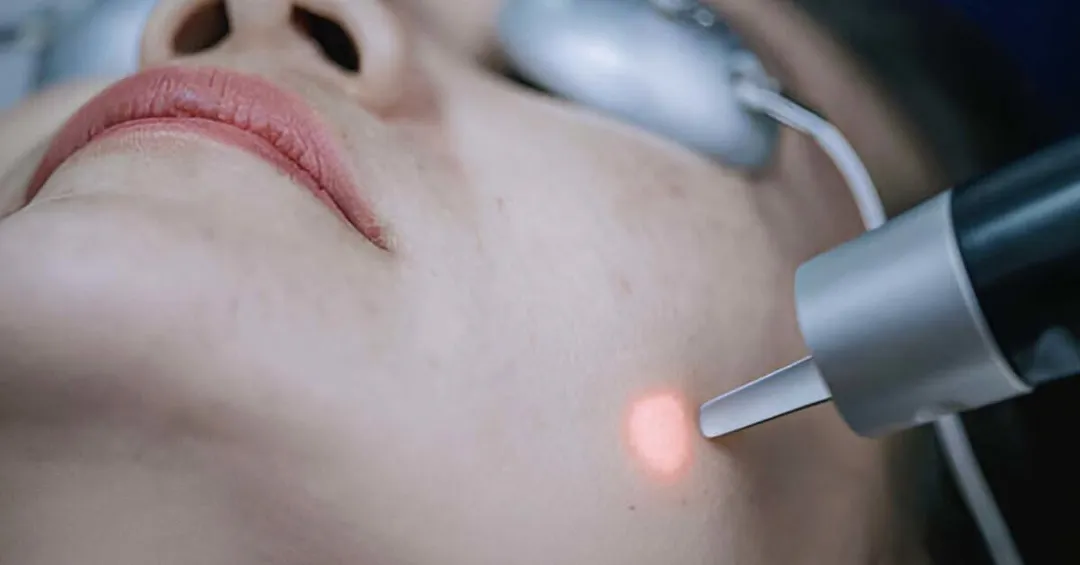
How long does it take for freckles to peel after laser?

This is the question we are asked most, so here it is by the day. Immediately after the session: mild redness and a sunburn-like sting for a few hours, then it settles. Days 1–2: the treated freckles look darker than they did before treatment — this is normal pigment moving toward the surface, not the skin "going black." Days 3–7: the spots dry into fine crusts and begin flaking off in patches. Around days 5–10 on the face: most crusts have shed on their own, leaving pale pink skin underneath that evens out over the following days. After 2–4 weeks: skin tone stabilizes, and only now can the true result of that session be judged. Hands and shoulders heal more slowly than the face because circulation there is poorer, so add time for those areas. Three things reliably stretch the peeling phase out, and all three are within your control: picking at the crusts, getting sun too early, and letting the skin dry out instead of moisturizing it.
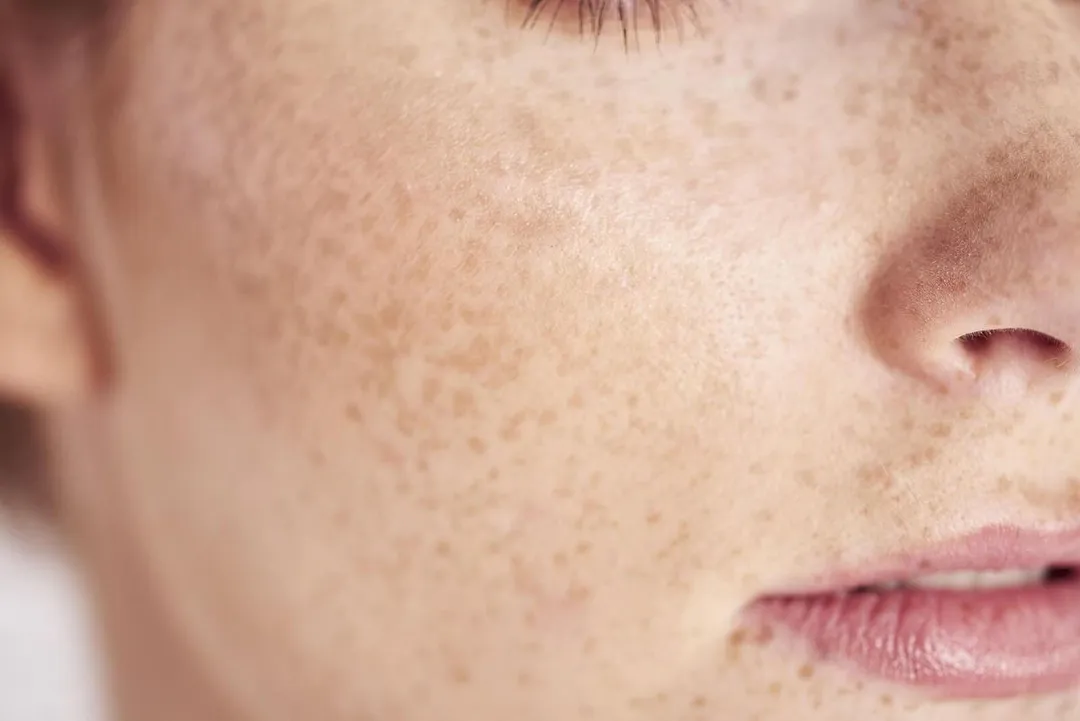
How many sessions does it take to remove freckles?

The number of sessions depends on how densely the spots are packed, how dark the pigment is, and your skin type. Shallow, recent spots on lighter skin respond quickly; long-standing spots on skin that has already accumulated background pigment need more sessions and wider intervals so the skin recovers fully before the next pass. WeDo does not publish a fixed number in advance, because a number quoted before anyone has seen your skin describes a package rather than a patient. Your dermatologist estimates the course during the free skin analysis, quotes the expected cost up front, and adjusts as your skin responds. If you are visiting Ho Chi Minh City for a short trip, plan on one session per trip rather than a whole course: sessions sit weeks apart by design, and compressing them is the single most common way patients turn a straightforward treatment into a pigment problem.
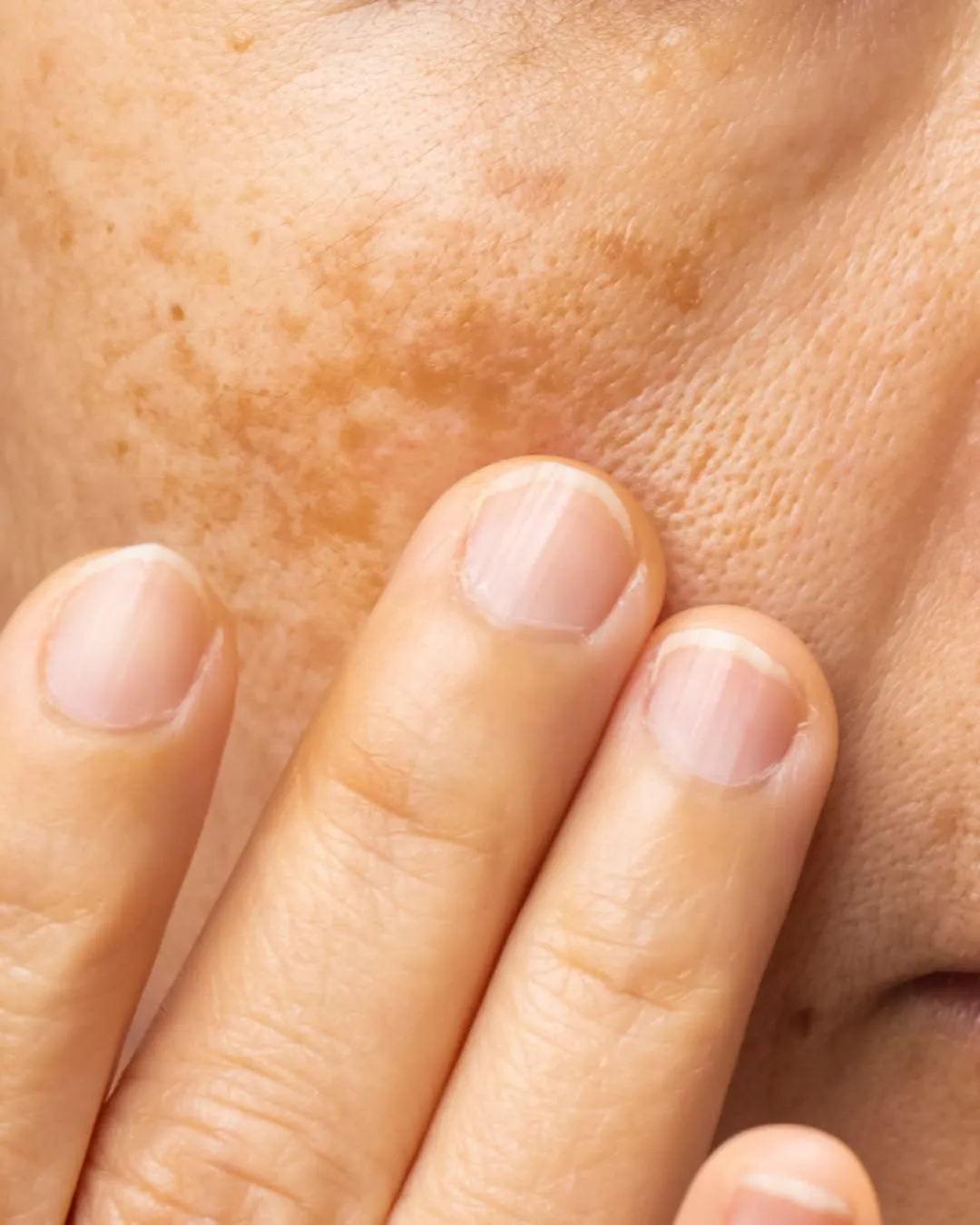
Do freckles come back after laser treatment?

The honest answer is yes, they can. Genetics decide how many pigment cells you have in those clusters and where they sit; the laser clears the melanin that is there now, but it does not change what those cells are. Ultraviolet light is the switch that turns them back on. So how long your result holds depends almost entirely on daily sun protection and on staying out of the harshest midday hours — unglamorous advice that nonetheless determines most of the outcome. In practice many patients hold their result with a single maintenance session each year, usually after the sunny season, at their dermatologist's recommendation. The accurate way to describe the goal is to fade and maintain, rather than to remove once and be done.

Who should not have freckle laser treatment yet?

There are times to wait, and your dermatologist will say so at the consultation. Treatment is postponed if you are pregnant or breastfeeding; if the area is inflamed, infected or has an open wound; if you have just had heavy sun exposure and the skin is currently tanned; if you are taking a medication that makes skin photosensitive under a doctor's prescription; if you have a history of keloid scarring at the site you want treated; or if you have an unusual pigmented lesion that has not been diagnosed. These are relative contraindications — for most people they mean "not this month" rather than "never." It is also why the free skin analysis is built as a screening step and not a sales step: some patients leave with an appointment to come back after the sunny season instead of a treatment plan.

Advantages

Why choose this treatment

A dermatologist reads your skin scan and classifies freckles, melasma or sun spots before choosing a route — get the classification wrong and every protocol runs slow.
Two transparent pricing routes, per spot and per session, so you are not sold a field treatment when you have a handful of marks.
Devices are named openly in your plan and on the price list, not hidden behind the phrase "advanced technology."
Conservative starting energy and intervals set by response, chosen for Fitzpatrick III–IV skin to minimize the risk of post-inflammatory hyperpigmentation.
Aftercare instructions given day by day, so the crusts shed on schedule and you know in advance which days your skin is still vulnerable.
Consultations in English at our District 1 and District 2 clinics, with the expected number of sessions and total cost stated before anything begins.
Pricing

Treatments & pricing

100% of treatments are performed by dermatology specialists. Prices do not include 8% VAT. Contact us for a direct assessment and an exact quote based on your skin, severity and target area.

Consultation, high-tech skin analysis and treatment plan with a dermatologist
FREE
TreatmentPrice
Brown spot / freckle removal with CO2 laser ablation (priced per spot)
80.000 - 150.000 VND per spot
Q-Switched Nd:YAG pigment laser — Lutronic Spectra (1 session)
2.400.000 VND
Full-face pigment laser — Alma Harmony XL PRO (1 session)
2.400.000 VND
Dye-VL Shining Recover light therapy — even tone, fading dullness and marks (1 session)
1.700.000 - 2.200.000 VND
Prices do not include 8% VAT

See the full price list

Treatment process

6 steps, clinically led

1

Step 1: Examination, skin scan and lesion classification

Your dermatologist confirms whether you are looking at freckles, melasma or sun spots, estimates spot density and pigment depth, chooses the per-spot or per-area route, and quotes the expected number of sessions and cost before you decide.

2

Step 2: Cleansing and makeup removal over the treatment area

The area is thoroughly cleansed of oil, sunscreen and makeup residue. That residue absorbs light unevenly and distorts how the skin responds, so this step is not cosmetic housekeeping.

3

Step 3: Numbing and eye shielding

Topical anesthetic is left on for its full working time for the area being treated. Your eyes are shielded with protective equipment before any energy is fired, even when the treatment area sits well away from them.

4

Step 4: The dermatologist performs the laser treatment

A test shot is placed on a small, discreet area first to read how your skin responds at the selected energy, and only then is the full treatment area covered according to the agreed plan.

5

Step 5: Soothing, barrier repair and sun protection before you leave

The skin is calmed and its barrier supported immediately after treatment, then sunscreen is applied in the clinic before you leave — the walk to the car counts as sun exposure.

6

Step 6: Day-by-day aftercare instructions and your next appointment

You leave knowing what to expect on each day of the shedding phase, which days your skin is still vulnerable, and when your next session is scheduled based on how your own skin is expected to recover.

Aftercare

Make results last

The first few days: let the crusts shed on their own

The fine crusts that form after a session are a biological dressing your body built over new skin. Lifting them early reopens an unhealed wound, and that is the shortest route to a mark that outlasts the freckle you were treating. Let them shed naturally over roughly 5–10 days on the face, wash with cool water and a gentle touch, and pat dry rather than wiping across the area. These day markers are part of the wider treatment journey described in our patient results section and are repeated to you before you leave the clinic.

Sun protection throughout the course

Sun protection is not an afterthought to freckle treatment; it is half the result. For the first two days rely on physical cover — a mask, a wide-brimmed hat, dark closely woven clothing — then use sunscreen every day from day three, including indoors near windows, and reapply every few hours when you are outside. If you are not sure which rating to choose, our guide to what SPF level is enough explains how to read the numbers. Avoid the harshest midday hours for the whole course, not just the week after a session.

Moisturizing and calming the skin correctly

Dry skin holds crusts longer and sheds them unevenly, so consistent moisturizing is the simplest way to shorten this phase. Keep products gentle while you recover: pause chemical exfoliants, physical scrubs and all strong actives until your dermatologist clears you to restart them. Postpone saunas, swimming pools and heavy sweating while the skin is still crusted. If you want a longer-term routine for skin that freckles easily, our guide to how brown freckles are treated goes deeper into everyday care.

When to come back early

Contact the clinic before your scheduled visit if the treated area becomes progressively more swollen or red rather than less, if it is painful, if it weeps, or if the crusts have shed but the skin underneath keeps darkening instead of clearing. Persistent darkening after treatment is post-inflammatory hyperpigmentation, and it responds best when it is addressed early — our article on pigmentation after laser sets out the approach dermatologists normally take. It is also why WeDo spaces sessions by how your skin responds rather than by a fixed calendar.

FAQ

Still have questions?

How long does it take for freckles to peel after laser?
Treated freckles usually darken for 1–2 days, then dry into fine crusts; on the face those crusts shed on their own around days 5–10, while hands and shoulders generally take longer. Picking at the crusts or getting sun straight after treatment both slow the shedding down and raise the risk of a lasting mark.
How much does freckle laser treatment cost?
At WeDo, spot-by-spot CO2 laser ablation is 80,000–150,000 VND per spot, and a full pigment laser session covering the whole area is 2,400,000 VND; the dermatologist consultation, skin analysis and treatment plan are free. Your final cost depends on the number of spots, the size of the area, and how many sessions your dermatologist prescribes after the skin scan.
What is the difference between freckles and melasma?
Freckles are many small, separate spots with clear borders and a light brown color, usually present from early life and darkening with sun exposure; melasma is a diffuse patch with soft borders, typically symmetrical across both cheeks, and driven by hormones as well as ultraviolet light. The two need different protocols and different energy settings, so a dermatologist should classify them before any treatment starts.
Are age spots the same as freckles?
No. Age spots, or solar lentigines, are larger brown marks with sharper borders that appear later in life after years of accumulated sun exposure, commonly on the face and the backs of the hands, while freckles are small spots present from early life and strongly linked to genetics. Age spots are usually treated lesion by lesion, so your dermatologist will classify them first and then explain how the pricing works.
How many sessions does it take to remove freckles?
It depends on how densely the spots are packed, how dark the pigment is, and your skin type: shallow, recent spots respond faster than long-standing spots on skin that has already accumulated background pigment. Your dermatologist estimates the number of sessions and the interval between them during the free skin analysis, then adjusts as your skin responds. We do not quote a fixed number before seeing your skin.
Can laser make freckles darker afterwards?
The spots looking darker for the first 1–2 days is a normal reaction before the crusts form, not the skin going black. Lasting darkening is post-inflammatory hyperpigmentation, usually caused by energy set too high, sessions spaced too closely, or inadequate sun protection — which is why WeDo starts conservatively and spaces sessions by response, particularly on Fitzpatrick III–IV skin.
Do freckles come back after laser treatment?
They can. Genetics determine how many pigment cells sit in those clusters and where, while ultraviolet light is the trigger that activates them, so how long your result holds depends heavily on daily sun protection. Many patients maintain their result with a single session after each sunny season, at their dermatologist's recommendation.

Shine with confidence in clear, radiant skin

Start your skin story.

Schedule your diagnostic session. Our doctors will map your unique skin biology to build a lifelong protocol for health.

11 TRẦN DOÃN KHANH, QUẬN 1
17 THÁI THUẬN, QUẬN 2

Include your country code, e.g. +84-857466767