
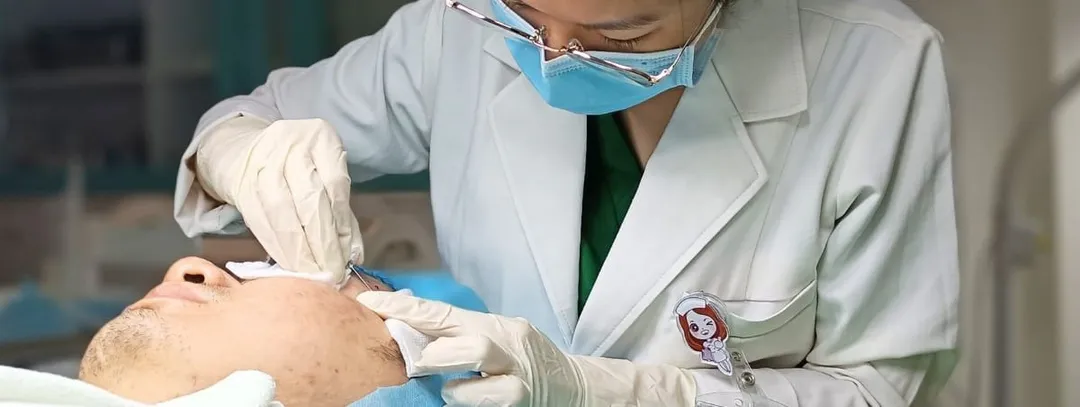
Subcision (Scar Release)
Subcision breaks up fibrotic strands beneath depressed scars, lifting the skin for visible, lasting improvement. Performed safely by qualified doctors.
How it works
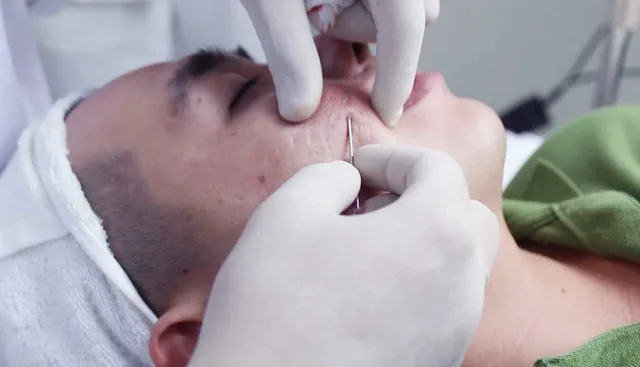
Mechanism of Scar Filling
The doctor directly releases the fibrotic strands that are the root cause of atrophic scars, freeing the tethered scar base. At the same time, controlled micro-injuries are created to stimulate the body’s natural collagen production and healing process. Over time, this process helps gradually fill and improve depressed scars.
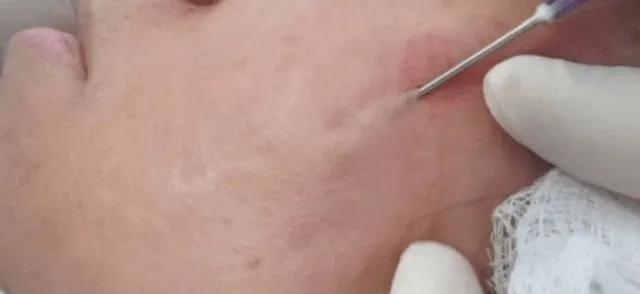
Suitable Candidates for Subcision Treatment
Subcision is suitable for individuals with the following characteristics: - Presence of rolling scars or deep boxcar scars. - Individuals who want to combine multiple treatment methods to enhance scar improvement and support faster skin recovery. - Individuals without active skin infections, underlying medical conditions, or medications that may interfere with the wound healing process.
Why choose this treatment
Treatments & pricing
100% of treatments are performed by dermatology specialists. Prices do not include 8% VAT. Contact us for a direct assessment and an exact quote based on your skin, severity and target area.
| Treatment | Price |
|---|---|
Scar base release and fibrotic scar excision for mild – moderate – severe contractures, addressing aesthetic depressions and raised, tethered scars | 500,000 – 2,900,000 VND (Doctor consultation and personalized treatment plan depending on scar condition) |
Depressed Scar Filling Scar base release to stimulate filling of depressed scars | 3,900,000 VND |
Depressed Scar Filling – Scar Restoration Scar base release to fill extensive depressed scars and restore smooth skin | 5,900,000 VND |
8 steps, clinically led
Bước 1: Soi khám da và xác định tình trạng
The doctor will use a specialized skin analysis device to evaluate the skin condition and determine the severity of the scars. Each type of scar, with different depths and sizes, requires a different treatment approach. Therefore, an accurate diagnosis helps the doctor determine the most appropriate solution for each client.
Step 2: Develop a Personalized Scar Treatment Plan
The doctor will develop a personalized treatment plan for each client. This plan focuses not only on improving scar depth but also on enhancing overall skin health. You will receive clear consultation regarding treatment methods, estimated costs, and expected treatment duration, helping you make the most appropriate decision.
Step 3: Topical Anesthesia and Preparation of Medical Instruments
Once everything is prepared, the doctor will apply topical anesthesia to the treatment area. This helps reduce pain and discomfort throughout the procedure. After the numbing process, the medical instruments will be carefully prepared. All instruments must be properly sterilized to ensure patient safety. This is an essential step to minimize the risk of infection and other potential complications.
Step 4: Remove Anesthetic and Perform Skin Antisepsis
This step not only ensures proper hygiene but also minimizes the risk of infection during the procedure. At this stage, the doctor will also re-evaluate the skin condition before starting the treatment. If any abnormal signs are detected, the doctor will provide consultation and adjust the treatment plan accordingly.
Step 5: The Doctor Performs Subcision.
Depending on the subcision technique as well as the severity and size of the scars, the doctor may use a needle, cannula, or medical CO2 to release the fibrotic strands beneath the skin. This process is performed with great care and precision on each scar to accurately control the level of tissue release while avoiding impact on surrounding skin areas.
Step 6: Re-disinfect the Treated Area.
The subcision process creates micro-injuries; therefore, antisepsis is necessary to reduce the risk of infection. Afterwards, the doctor may apply specialized solutions containing growth factors to support wound healing, stimulate collagen production, and improve scar filling.
Post-Treatment Instructions and Skincare Guidance
The doctor will provide post-treatment instructions and skincare guidance. In addition, the therapist will create an online support group for at-home care, connecting clients with the doctor through online channels to regularly monitor the client’s skin condition.
Follow-up According to the Scheduled Appointment
After completing the treatment, follow-up visits for monitoring and evaluation are very important. The doctor will assess the skin condition and the progress of the recovery process. If necessary, the doctor may adjust the treatment plan or recommend additional methods to enhance treatment effectiveness. This ensures that patients receive optimal care and achieve the expected results.
Make results last
Some Notes After Subcision Treatment
After subcision, doctors will prescribe medications, topical products, and provide instructions on proper skincare to optimize collagen stimulation for scar filling while minimizing the risk of infection.
In addition to following the doctor’s instructions, please also note the following:
– Avoid touching the treated area: Do not touch or rub the treated area to prevent irritation and infection, allowing the wound to heal faster.
– Cleanse gently: Use a gentle cleanser with a mild, skin-friendly ingredient list suitable for your skin type.
– Allow scabs to fall off naturally: Avoid touching newly formed scabs to allow the underlying skin regeneration process to proceed properly. Do not pick or remove scabs.
– Avoid makeup: Limit the use of makeup or other cosmetic products on the treated area.
– Protect the skin from sunlight: Avoid direct sun exposure during the first few days after treatment. When going outdoors, apply a suitable sunscreen with adequate protection and gentle ingredients, and use physical protection such as hats and face masks.
Still have questions?
Is Subcision Painful?
Shine with confidence in clear, radiant skin
Start your skin story.
Schedule your diagnostic session. Our doctors will map your unique skin biology to build a lifelong protocol for health.