
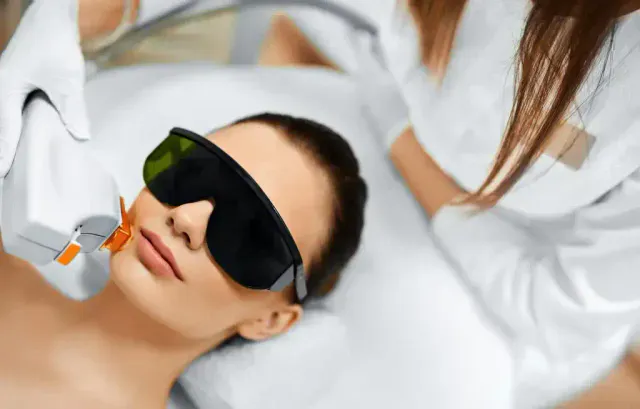
IPL Acne Treatment
IPL (Intense Pulsed Light) uses high-intensity pulsed light to treat acne and post-acne pigmentation effectively — all without invasive procedures.
How it works
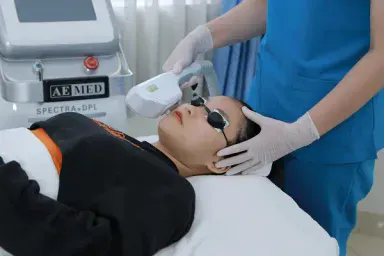
Learn About IPL (Intense Pulsed Light)
What is IPL? IPL (Intense Pulsed Light) is a technology that uses high-intensity pulsed light to treat various dermatological conditions. It emits a broad spectrum of light wavelengths (400–1200 nm), which are filtered to allow only the wavelengths absorbed by pigments and blood vessels to pass through. How IPL Treats Acne: The acne-causing bacterium C. acnes produces a substance called porphyrin. IPL works through a photochemical reaction with porphyrin — when exposed to IPL light, porphyrin generates reactive oxygen species (free radicals) that destroy C. acnes bacteria. In addition, these oxygen radicals help suppress sebaceous gland activity and reduce inflammation, leading to clearer, calmer skin.
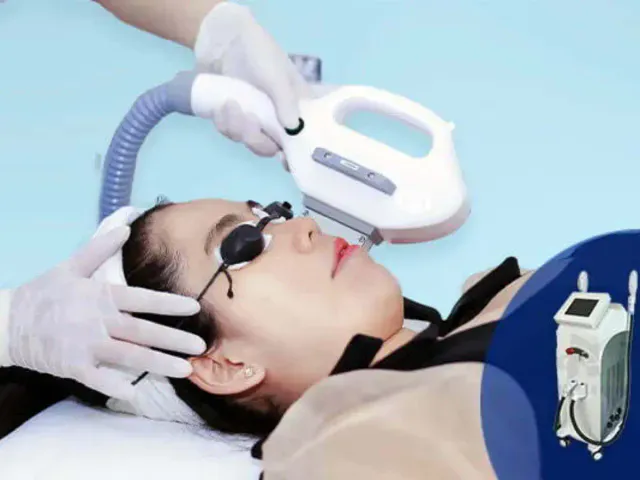
Difference Between IPL and Laser
The operating principle of IPL is quite similar to that of a laser, which is why many people often mistake IPL for laser technology. However, the key difference lies in the broad-spectrum light it emits. While lasers produce a single, focused wavelength of light, IPL generates a wide wavelength range (400–1200 nm) that cannot be concentrated into a single beam like a laser. This means that IPL light is more dispersed, allowing it to reach different skin depths. In fact, IPL can penetrate into the dermis (the second layer of skin) without causing damage to the epidermis (the outermost layer).
Why choose this treatment
Treatments & pricing
100% of treatments are performed by dermatology specialists. Prices do not include 8% VAT. Contact us for a direct assessment and an exact quote based on your skin, severity and target area.
| Treatment | Price |
|---|---|
IPL helps reduce post-acne inflammation, redness, and pigmentation. | 370.000 VND |
6 steps, clinically led
Step 1: Skin Examination and Acne Assessment
The first step in a medically standardized acne treatment process is skin examination and acne assessment. The dermatologist uses a specialized skin analysis device to evaluate the skin condition, accurately diagnosing the type of acne and its underlying causes. Since each type of acne has different causes and treatment approaches, proper diagnosis allows the doctor to create the most effective and personalized treatment plan for each client.
Step 2: Makeup Removal, Facial Cleansing, and Exfoliation
The process begins with makeup removal and deep facial cleansing to eliminate dirt, excess oil, and any remaining makeup residue. Next, exfoliation helps remove dead skin cells, allowing treatment products to penetrate more effectively. This is a crucial step that enhances absorption and maximizes the effectiveness of the overall treatment.
Step 3: Apply Gel to the Treatment Area
Before performing the IPL treatment, the dermatologist applies a conductive cooling gel to the acne-affected area. This gel helps reduce light reflection on the skin’s surface, allowing the light to penetrate more effectively while also dissipating heat during the procedure for added comfort and safety.
Step 4: Perform the IPL Treatment
The dermatologist performs the IPL treatment on the targeted skin areas. During the procedure, you may feel only a mild tingling sensation, but it is generally comfortable and not painful.
Step 5: Post-Treatment Instructions and Skincare Guidance
After the IPL treatment, the dermatologist provides detailed post-care instructions and skincare guidance. The clinic’s treatment specialist also creates an online support group, connecting the client directly with the doctor to monitor skin progress, provide timely advice, and ensure proper at-home care.
Attend Scheduled Follow-Up Appointments
After completing the treatment, follow-up appointments are essential to monitor and evaluate the results. During these visits, the dermatologist will assess your skin’s condition and recovery progress. If necessary, the doctor may adjust the treatment plan or suggest additional methods to enhance outcomes, ensuring you receive the best care and achieve the desired results.
Make results last
Important Notes After IPL Acne Treatment
Shine with confidence in clear, radiant skin
Start your skin story.
Schedule your diagnostic session. Our doctors will map your unique skin biology to build a lifelong protocol for health.