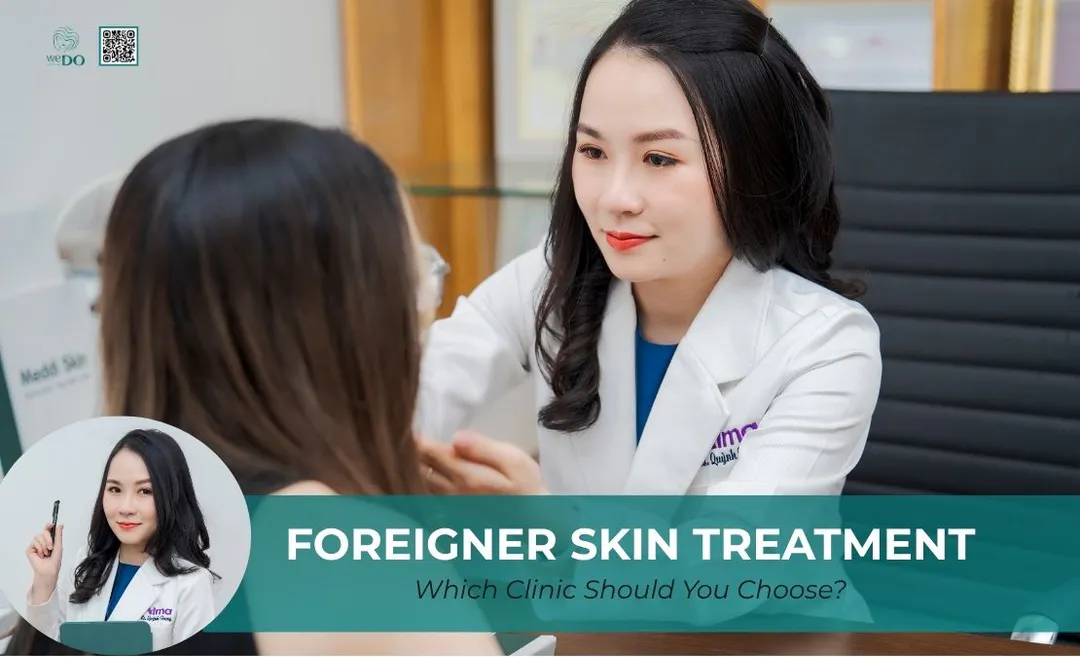
As Vietnam’s dermatology sector continues to grow, more international patients are choosing to receive treatment locally instead of waiting until they return home. However, selecting the right clinic involves much more than choosing a place with modern equipment or positive online reviews.
This guide explains why Foreigner Skin Treatment in Vietnam has become increasingly common, what international patients should look for when choosing a dermatology clinic.
Why more foreigners are seeking skin treatment in Vietnam?
Whether you’re visiting Vietnam for a short holiday, working as an expatriate, or planning a longer stay, skin concerns can arise when you least expect them. Changes in climate, stronger UV exposure, different water quality, and lifestyle adjustments can all affect your skin.
Climate and environmental changes can trigger skin problems
One of the most common reasons foreigners seek dermatological care after arriving in Vietnam is the sudden change in environment.
Vietnam’s tropical climate is characterized by high humidity, intense sunlight, and year-round heat. For people coming from cooler or drier regions, these conditions can significantly alter the skin’s natural balance.
Higher temperatures stimulate oil production, while excessive sweating creates an environment where acne-causing bacteria can thrive more easily. Meanwhile, stronger ultraviolet exposure increases the risk of pigmentation disorders and accelerates photoaging, especially for individuals who already have sensitive or melanin-rich skin.

Other factors, including air pollution, changes in water quality, unfamiliar skincare products, dietary adjustments, travel fatigue, and stress, may further weaken the skin barrier and trigger various skin conditions.
Vietnam has become an increasingly popular destination for dermatology care
At the same time, Vietnam’s healthcare system has undergone significant development, particularly in dermatology and aesthetic medicine.
Many modern clinics now combine experienced dermatologists with internationally recognized technologies, allowing patients to receive evidence-based treatments without the long waiting times often encountered in other countries.
For many foreign visitors, receiving treatment in Vietnam offers several practical advantages:
- Convenient appointment scheduling
- Access to advanced dermatological technologies
- High-quality care at reasonable costs
- Flexible treatment plans for both travelers and expatriates
These advantages have contributed to the growing demand for Foreigner Skin Treatment in Vietnam.
Choosing the right clinic matters more than ever
Although many clinics offer similar treatments, the quality of care can vary significantly.
For foreign patients, an ideal dermatology clinic should provide more than modern equipment. Accurate diagnosis, personalized treatment planning, effective communication in English, and comprehensive post-treatment guidance are equally important in ensuring both safety and successful outcomes.
This is why understanding the key qualities of a trustworthy dermatology clinic is essential before beginning any treatment.
What makes a good skin Clinic for Foreign Patients?
Finding a dermatology clinic in a new country can feel overwhelming, especially when you’re dealing with an active skin condition. While many clinics may offer similar treatments, the quality of care often depends on factors that go far beyond advanced equipment or attractive facilities.
Medical expertise should always come first
When choosing a skin clinic, technology should never be the first thing patients look at. Even the most advanced laser or energy-based device cannot replace an accurate diagnosis made by a qualified dermatologist.
Many skin conditions share similar symptoms but require completely different treatment approaches. Inflammatory acne, fungal folliculitis, rosacea, allergic contact dermatitis, and perioral dermatitis can all present with redness or acne-like bumps. According to the American Academy of Dermatology (AAD), an accurate diagnosis is the first step toward effective treatment, as different skin conditions often require completely different management strategies. For example, inflammatory acne, fungal folliculitis, rosacea, allergic contact dermatitis, and perioral dermatitis may all present with redness or small bumps. Treating the wrong condition not only delays recovery but may also worsen the skin.
This is particularly important for foreign patients, whose skin characteristics may differ from those commonly seen in local clinical practice. Dermatologists should be familiar with different Fitzpatrick Skin Types, understand how various skin tones respond to lasers, chemical peels, and topical medications, and carefully evaluate each patient’s risk of developing post-inflammatory hyperpigmentation (PIH) or prolonged redness after treatment.
A well-trained dermatologist also considers more than what appears on the skin. Medical history, current medications, allergies, previous treatments, travel plans, and lifestyle all influence the choice of treatment. Rather than following a standard protocol, experienced physicians adjust treatment plans based on each individual’s condition and expected recovery timeline.
For this reason, professional expertise remains the foundation of safe and effective dermatology care.
Clear communication is part of effective treatment

Successful treatment depends not only on what happens inside the consultation room, but also on how well patients understand every step of their treatment journey.
For foreign patients, language barriers can easily lead to misunderstandings. Important information such as previous medical conditions, medication history, allergies, pregnancy status, or recent cosmetic procedures may be overlooked if communication is unclear. Even seemingly small details can influence treatment decisions and affect patient safety.
Communication also plays a critical role after the procedure.
Whether a patient receives acne treatment, laser therapy, chemical peeling, or skin rejuvenation, proper aftercare significantly influences the final outcome. Patients need clear instructions regarding cleansing, moisturizing, sun protection, exercise restrictions, skincare products to avoid, and signs that require medical attention. Appropriate post-treatment skincare and sun protection are consistently recommended by dermatologists to support healing and reduce the risk of complications such as irritation or post-inflammatory hyperpigmentation.
Without proper guidance, skin may become irritated, healing may be delayed, or pigmentation problems may develop unnecessarily.
For this reason, clinics that are able to communicate confidently in English provide more than convenience. They create an environment where patients feel comfortable asking questions, discussing concerns, and fully understanding both the benefits and limitations of each treatment option. This shared understanding helps build realistic expectations while reducing unnecessary anxiety throughout the treatment process.
Personalized care makes a meaningful difference
Every patient’s skin tells a different story.
Age, ethnicity, occupation, lifestyle, travel schedule, previous treatments, and individual skin biology all influence how the skin responds to treatment. A personalized approach acknowledges these differences rather than applying the same protocol to everyone.
This becomes even more important when caring for international patients.
Some visitors remain in Vietnam for only a few days, while others live here for months or years. A traveler preparing for an international flight within three days requires a different treatment strategy from someone planning a long-term skincare program. Likewise, an expatriate with ongoing acne may benefit from a progressive treatment plan that combines prescription medication, professional procedures, and regular follow-up visits.
An experienced dermatology clinic should therefore adapt both treatment intensity and scheduling to fit each patient’s circumstances. In some cases, physicians may recommend postponing certain procedures if recovery time could interfere with travel plans. In others, they may modify treatment intervals to ensure the skin heals safely before the patient returns home.

Personalized care also extends beyond the clinic visit itself.
Patients should receive practical advice that fits their daily routines, including recommendations for maintaining healthy skin while traveling, protecting the skin under
Vietnam’s intense sun, selecting appropriate skincare products, and recognizing early signs of complications if they continue their journey elsewhere.
This level of attention reflects a patient-centered approach rather than a procedure-centered one.
A great clinic treats more than just the skin
The best dermatology clinics understand that successful treatment is built on trust.
Patients are often anxious when seeking medical care in an unfamiliar country. They may worry about language barriers, treatment safety, costs, or whether recommendations are truly in their best interest. A trustworthy clinic helps reduce these concerns through transparent communication, ethical medical practice, and realistic treatment planning.
Rather than promising immediate results, experienced dermatologists explain what patients can realistically expect, discuss potential side effects, outline the expected recovery process, and adjust treatment plans when necessary.
This combination of medical expertise, effective communication, and individualized care forms the foundation of high-quality dermatology services for international patients. It is also the standard against which any clinic should be evaluated before treatment begins.
Why many foreign patients choose Wedo Skin Clinic?
Choosing a dermatology clinic is ultimately about trust. Once patients understand the key qualities that define safe and effective dermatological care, the next step is identifying a clinic that consistently meets those standards in real-world practice.
Dermatologist-Led care, not Procedure-Led treatment
One of the biggest differences between medical dermatology and aesthetic services lies in how treatment decisions are made.
At Wedo Skin Clinic, every treatment journey begins with a direct consultation with a board-certified dermatologist. Instead of recommending procedures based solely on visible symptoms, physicians perform a comprehensive skin assessment to identify the underlying causes of each condition before designing a personalized treatment protocol.
This approach is particularly valuable for international patients because skin concerns often involve multiple contributing factors, including climate adaptation, previous treatments, skincare habits, medications, and lifestyle changes after arriving in Vietnam.
Rather than following a one-size-fits-all approach, treatment plans are adjusted according to each patient’s skin condition, recovery expectations, travel schedule, and long-term skincare goals.
Personalized protocols designed around each patient
No two patients have identical skin.
This philosophy is reflected throughout Wedo’s treatment process.
The clinic follows a structured five-phase treatment journey, beginning with digital skin analysis and physician assessment, followed by a personalized treatment protocol, precision intervention using advanced technologies, longitudinal monitoring, and continuous 1:1 physician supervision throughout the treatment course.
For foreign patients, this personalized approach provides several practical advantages.
A visitor staying in Vietnam for only one week may require a conservative treatment plan with minimal downtime, while an expatriate living in Ho Chi Minh City can benefit from a longer-term strategy that combines prescription medication, procedural treatments, and scheduled follow-up appointments.
Instead of fitting every patient into the same protocol, treatment recommendations are built around what is both medically appropriate and realistically achievable for each individual’s circumstances.
Advanced technology supports clinical decisions – It does not replace them
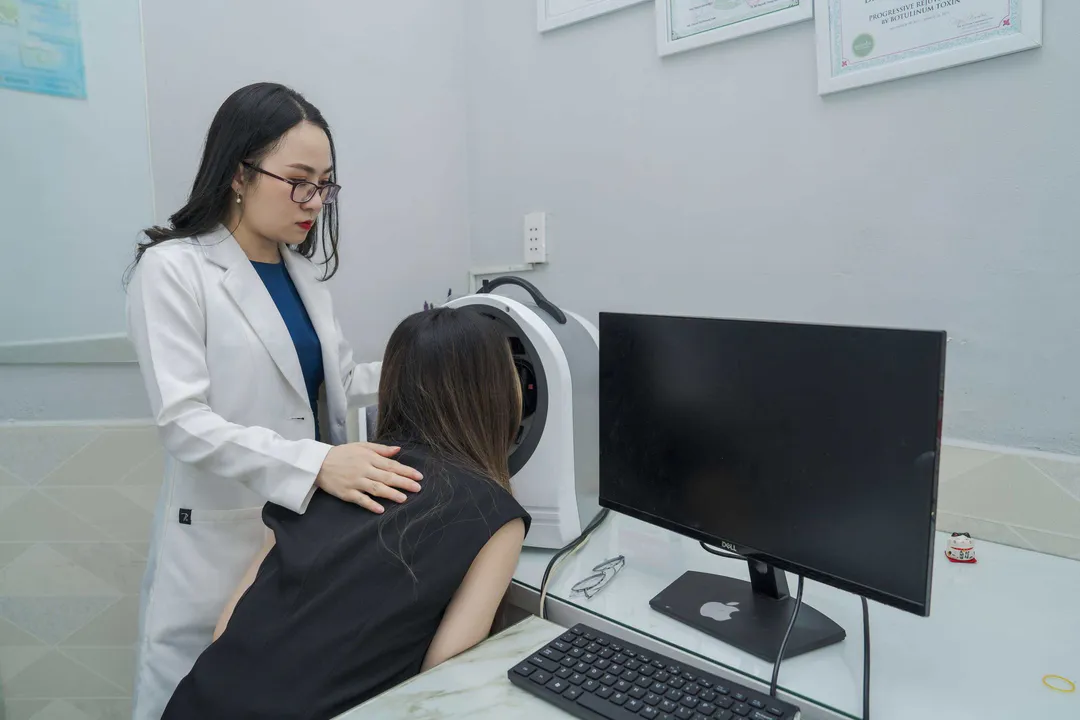
Technology has become an essential part of modern dermatology, but its effectiveness depends on how it is used.
Wedo integrates more than 65 internationally certified technologies, including devices that meet FDA (United States), KFDA (South Korea), and CE (Europe) standards. These technologies support the treatment of acne, acne scars, pigmentation disorders, vascular lesions, skin rejuvenation, and many other dermatological concerns.
However, technology is never presented as a standalone solution.
Each device is selected according to the patient’s diagnosis, skin characteristics, and treatment objectives. Parameters are individually adjusted by dermatologists to optimize efficacy while minimizing unnecessary downtime or complications.
This evidence-based approach reflects an important principle in dermatology: successful outcomes depend not on having the newest device, but on choosing the right treatment for the right patient at the right time.
A comfortable experience for international patients
Medical expertise is only one part of a positive treatment experience.
For many foreign patients, confidence also comes from being able to communicate openly with their healthcare team.
Wedo’s medical team is experienced in working with international patients, allowing consultations, treatment explanations, aftercare instructions, and follow-up recommendations to be communicated clearly in English. This helps reduce misunderstandings, improves adherence to post-treatment care, and enables patients to make informed decisions throughout their treatment journey.
The clinic also places strong emphasis on transparency. Diagnoses, treatment recommendations, expected outcomes, recovery timelines, and treatment costs are discussed openly before procedures begin, allowing patients to understand both the benefits and limitations of each recommended option. Transparency and individualized care are core standards highlighted in the clinic’s model of practice.
Built on experience, measured by patient trust
While advanced technology and clinical expertise are important, long-term patient trust remains one of the strongest indicators of consistent medical quality.
Since its establishment more than six years ago, Wedo Skin Clinic has continued to expand its dermatology services while remaining focused on physician-led care and individualized treatment. The clinic reports more than 10,000 successful treatment journeys, supported by a 4.9-star Google rating and a medical team led by dermatologists with over 10 years of clinical experience, including advanced professional training in Switzerland, South Korea, and Thailand.
For international patients seeking reliable dermatology care, these numbers represent more than milestones. They reflect years of accumulated clinical experience, standardized treatment protocols, and the confidence that thousands of patients have placed in the clinic.
Conclusion
If you are searching for Foreigner Skin Treatment in Vietnam, taking the time to evaluate these factors will help you make a more informed decision. For many international patients, Wedo Skin Clinic has become a trusted choice by combining evidence-based dermatology, personalized medical protocols, internationally certified technologies, and a commitment to transparent, patient-centered care.
FAQ
1. Is it safe for foreigners to receive skin treatment in Vietnam?
Yes. As long as you choose a licensed dermatology clinic with qualified dermatologists, evidence-based treatments, and clear communication, skin treatment in Vietnam is generally safe for international patients.
2. Do dermatologists in Vietnam speak English?
Some dermatology clinics provide English-speaking consultations and aftercare support. It’s best to confirm this before booking your appointment.
3. Can I start acne treatment while traveling in Vietnam?
Yes. Many acne treatments can begin during your stay. Your dermatologist will recommend a plan based on your skin condition and travel schedule.
4. How many treatment sessions will I need?
It depends on your diagnosis and treatment goals. Mild conditions may require only a few sessions, while acne scars or pigmentation often need a longer treatment plan.’
5. Why do international patients choose Wedo Skin Clinic?
Wedo Skin Clinic offers dermatologist-led consultations, personalized treatment plans, English-speaking support, and more than 65 internationally certified technologies, with 10,000+ treatment journeys completed over the past six years.
Related articles: