
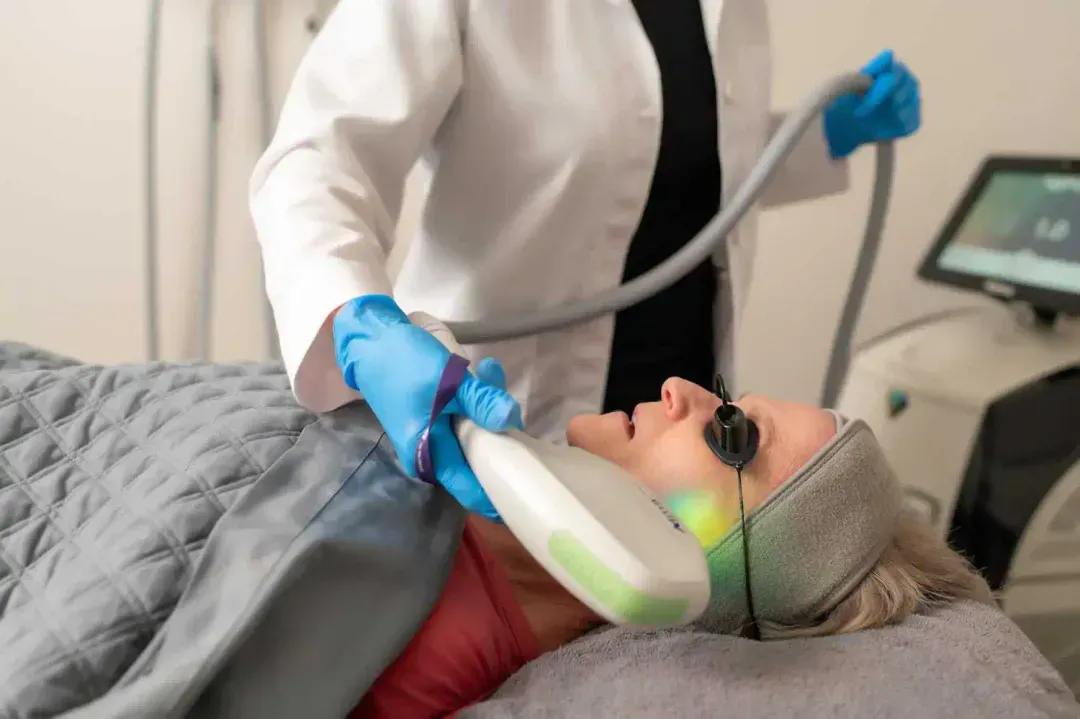
Dye VL brightens and evens out skin tone.
Dye VL targets post-acne dark and red marks with a painless, non-invasive procedure — leaving skin visibly brighter, clearer, and more even-toned.
How it works

How Does Dye VL Work in Skin Treatment?
Dye VL uses a narrow light wavelength range (500–600 nm) that precisely targets chromophores such as melanin (in pigmented lesions) and oxyhemoglobin (in vascular lesions). This controlled heating process safely breaks down unwanted pigmentation and vascular irregularities without damaging the surrounding healthy skin. As a result, the treatment effectively reduces redness, broken capillaries, facial flushing, and various types of melasma—leaving the skin brighter, smoother, and more evenly toned.

Experience the Dye VL Technology
During the Dye VL treatment, the device’s applicator is gently placed on the skin, emitting pulses of light. You may feel a mild tingling or warm sensation, but it remains comfortable thanks to the integrated cooling system. After the session, slight redness or mild swelling may occur but typically subsides within a few hours. Pigmented spots may temporarily darken before naturally flaking off, revealing clearer and more even-toned skin underneath.
Why choose this treatment
Treatments & pricing
100% of treatments are performed by dermatology specialists. Prices do not include 8% VAT. Contact us for a direct assessment and an exact quote based on your skin, severity and target area.
| Treatment | Price |
|---|---|
Post-Acne Recovery and Pigmentation Reduction Technology – Dye VL Harmony from Germany | 1.700.000 VND |
5 steps, clinically led
Step 1: Assess Skin Condition Before Treatment
Before starting melasma treatment, the dermatologist will examine the skin using specialized diagnostic equipment to assess the client’s condition. Through this process, the doctor identifies the type of melasma, freckles, and dark spots, along with their underlying causes and the extent of skin damage. This evaluation is crucial as it helps the dermatologist determine the most suitable treatment method while allowing clients to better understand their own skin condition.
Step 2: Makeup Removal, Facial Cleansing, and Exfoliation
The first step involves thorough makeup removal and deep facial cleansing to eliminate dirt, excess oil, and any remaining makeup residue on the skin. Next, the exfoliation process helps remove dead skin cells, allowing treatment products and active ingredients to penetrate more effectively. This is a crucial step that enhances absorption and optimizes overall treatment results.
Step 3: Perform the Dye VL Treatment
The dermatologist will apply the Dye VL treatment to the targeted skin areas requiring care and recovery. During the procedure, the doctor can adjust the light intensity and use integrated cooling technology to minimize discomfort, ensuring a safe and comfortable experience for the client.
Step 4: Post-Treatment Instructions and Skincare Guidance
After the melasma treatment, the dermatologist provides detailed instructions and skincare guidance to support the recovery process. The clinic’s treatment specialist also sets up an online support group, connecting the client directly with the doctor for continuous skin monitoring, personalized advice, and timely care throughout the post-treatment period.
Attend Scheduled Follow-Up Appointments
After completing the treatment process, attending follow-up appointments is essential to monitor and evaluate the effectiveness of the results. During these visits, the dermatologist will assess the skin’s condition and its recovery progress. If necessary, the doctor may adjust the treatment plan or recommend additional methods to enhance outcomes, ensuring each client receives the best care and achieves the desired results.
Make results last
Maintain a Healthy and Balanced Diet
A balanced, nutrient-rich diet nourishes skin cells from within, supports and enhances treatment results, and helps maintain long-term skin health and radiance.
You should include the following foods in your daily meals:
-
Leafy green vegetables and fruits: Rich in vitamin C, these help boost collagen production, promote skin cell regeneration, and lighten pigmentation.
-
Whole grains: Provide fiber and B vitamins, helping stabilize blood sugar levels and reduce inflammation — both of which improve overall skin condition.
-
Nuts: Almonds, walnuts, and cashews are high in vitamin E, which protects the skin from free radical damage and helps maintain elasticity.
At the same time, try to limit the following:
-
Sugar: Excessive sugar intake can increase insulin production, stimulate melanin formation, and worsen hyperpigmentation.
-
Processed foods: Fried, oily, and fast foods contain preservatives and unhealthy fats that can harm the skin.
-
Dairy products: Some people are sensitive to lactose, which may trigger inflammation and exacerbate pigmentation problems.
Shine with confidence in clear, radiant skin
Start your skin story.
Schedule your diagnostic session. Our doctors will map your unique skin biology to build a lifelong protocol for health.