Moles appearing on the face or body can affect appearance and, in some cases, may raise concerns related to health or personal beliefs about appearance and physiognomy. In a city where appearance is often an important consideration such as Ho Chi Minh City, the demand for mole removal among office workers and younger people continues to increase. However, mole removal in HCM City is not simply a minor cosmetic procedure. If performed at an unqualified facility, patients may face risks such as depressed scars, raised scars, infection, or failure to recognize potentially concerning skin lesions.
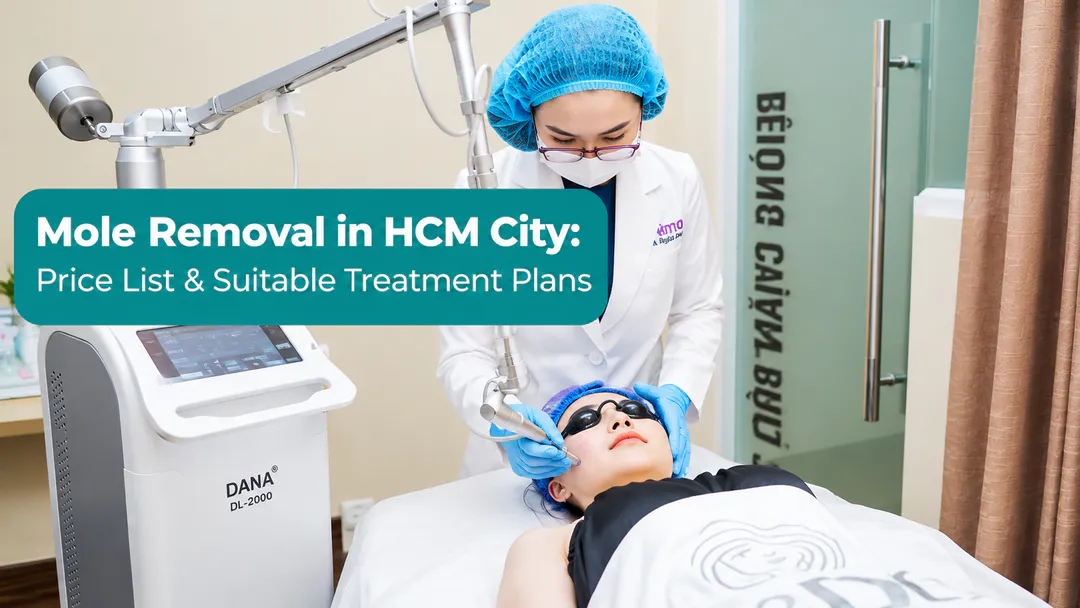
Choosing a reputable clinic with appropriate laser technology and direct assessment by a dermatology professional is an important step toward achieving smoother-looking skin while prioritizing safety. This guide provides a detailed treatment process and important considerations for anyone considering mole removal in Ho Chi Minh City.
Key Takeaways
- Advanced technology: Fractional CO2 Laser is one of the technologies used for selected benign skin lesions. It can deliver controlled energy to the treatment area while minimizing unnecessary damage to surrounding tissue when appropriately performed.
- Medical assessment: A qualified medical professional should assess a mole before removal to determine whether it has any suspicious characteristics that may require further evaluation.
- Post-treatment care: Proper aftercare plays an important role in supporting wound healing and reducing the risk of pigmentation or scarring. WeDo Skin Clinic provides detailed home-care instructions and follow-up support after treatment.
- Trusted provider: WeDo Skin Clinic provides a clinical treatment process, professional medical supervision, modern equipment, and transparent pricing.
When Should You Consider Mole Removal?
You may consider mole removal if a mole affects your appearance or confidence, interferes with work or daily activities, is located in an area that experiences frequent friction, or you simply prefer to have it removed. However, the lesion should first be assessed by a qualified medical professional to determine whether removal is appropriate.
According to information from Mayo Clinic, most moles are benign. However, changes in size, color, shape, or symmetry can sometimes be warning signs that require medical evaluation.
In Ho Chi Minh City, intense sun exposure and UV radiation can also contribute to changes in skin pigmentation. Rather than assuming that a mole is harmless based solely on appearance, individuals should seek professional assessment if a lesion changes or appears unusual.
As interest in mole removal continues to grow, choosing a reputable dermatology clinic with qualified medical professionals is important for identifying potentially abnormal lesions and selecting an appropriate removal method.
Common Mole Removal Technologies Available Today
Advances in dermatology and aesthetic medicine have expanded the options available for managing benign moles and other pigmented or raised lesions. Common approaches at specialized dermatology clinics include the following:
1. Fractional CO2 Laser
Fractional CO2 Laser is one option used for selected benign superficial skin lesions. The technology uses a wavelength of approximately 10,600 nm to deliver controlled laser energy to the treatment area. The treatment parameters can be adjusted according to the size and characteristics of the lesion.
When appropriately performed, the laser can precisely target the intended area while limiting unnecessary injury to surrounding skin. Depending on the lesion and treatment technique, this can help reduce bleeding and support controlled healing.
CO2 laser energy may also stimulate collagen remodeling and tissue repair. However, the risk of scarring depends on factors such as lesion depth, treatment settings, skin type, aftercare, and individual healing characteristics. Therefore, no laser procedure can guarantee that a scar will never form.
2. Electrocautery
Electrocautery uses electrical energy, including radiofrequency-based or plasma-related technologies depending on the device, to remove or destroy targeted tissue. It can be performed relatively quickly for selected small lesions.

The treated area may take several weeks to gradually return closer to the surrounding skin tone. One advantage of electrocautery is that it can provide controlled treatment with relatively limited bleeding.
However, excessive thermal injury or inappropriate treatment settings may increase the risk of deeper tissue damage and scarring. The experience and technique of the medical professional are therefore important.
3. Minor Surgical Excision
For certain lesions, a doctor may recommend surgical removal followed by careful wound closure using fine sutures. This approach may be considered for:
- Larger moles, particularly those measuring around 5 mm or more
- Deeper lesions
- Moles with hair growing from the surface
- Lesions that recur after previous laser or electrocautery treatment
- Lesions with suspicious characteristics that require further medical evaluation or histopathological examination
Comparison of Mole Removal Methods
| Criteria | Fractional CO2 Laser | Electrocautery | Minor Surgery |
|---|---|---|---|
| Precision | High | Moderate to high | High |
| Scarring risk | Generally low when appropriately performed | Moderate to potentially high depending on technique and lesion depth | A linear surgical scar may remain |
| Typical healing time | Approximately 3–5 days for initial surface healing | Approximately 7–10 days, depending on lesion | Approximately 10–14 days for initial wound healing |
| Suitable lesions | Selected small to medium benign lesions | Selected small or raised benign lesions | Larger, deeper, recurrent, or suspicious lesions |
Healing time varies according to lesion characteristics, treatment method, wound size, skin type, and individual healing response.
Medical-Grade Mole Removal Process at WeDo Skin Clinic
At WeDo Skin Clinic, the mole removal in HCM City process is designed around medical assessment, appropriate treatment selection, and post-treatment care. Treatments are performed by trained dermatology professionals using appropriate clinical equipment and infection-control procedures.
Step 1: Dermatologist Consultation and Lesion Assessment
The first step is a consultation and examination. The medical professional at WEDO evaluates the mole or other lesion that the patient wishes to remove.
Based on the examination, the doctor determines whether removal is appropriate and recommends a suitable method and treatment plan.
Step 2: Personalized Treatment Planning
After the examination, an individualized treatment plan is developed. This is important because every patient has different skin characteristics, lesion sizes, depths, and locations.
The WEDO team explains the recommended procedure, expected healing period, treatment method, and estimated cost so that patients can understand what to expect before treatment begins.
Step 3: Cleansing the Treatment Area and Applying Topical Anesthetic

The treatment area is carefully cleansed before the procedure. The medical team cleans the surrounding skin to remove surface impurities and reduce the risk of contamination.
A topical anesthetic may then be applied when appropriate to improve patient comfort during the procedure.
Step 4: Removing the Anesthetic and Disinfecting the Skin
After approximately 20–30 minutes, depending on the anesthetic protocol, the anesthetic is removed and the treatment area is disinfected again.
This helps prepare the skin for the procedure and supports appropriate infection-control practices.
Step 5: Mole Removal According to the Selected Method
The medical professional performs the procedure according to the treatment plan. For a small number of lesions, the procedure may take approximately 10–15 minutes, depending on the size, number, depth, and removal method.
Laser treatment is generally performed with the goal of minimizing discomfort, although sensations can vary between patients.
Step 6: Applying Skin-Repair and Wound-Healing Products
After treatment, a suitable repair or wound-care product may be applied to the treated area to support healing and protect the skin from external irritants.
Step 7: Aftercare Instructions
Patients receive detailed instructions on how to care for the treated area during the healing period. Proper aftercare is important for reducing irritation and supporting normal wound healing.
Step 8: Follow-Up and Treatment Evaluation
The treatment team may provide online follow-up support after the procedure to monitor the healing process. If patients have concerns or questions, medical professionals can provide additional guidance on appropriate aftercare.
Mole Removal Price List at WeDo Skin Clinic
| Treatment Item | Price |
|---|---|
| Dermatologist consultation and skin assessment | FREE |
| Skin tag / brown spot removal (fewer than 10 lesions) | 980,000–1,100,000 VND (depending on technology) |
| Skin tag / brown spot removal (10–20 lesions) | 1,400,000–1,600,000 VND (depending on technology) |
| Skin tag / brown spot removal (20–30 lesions) | 2,200,000–2,600,000 VND (depending on technology) |
| Skin tag / brown spot removal (30–50 lesions) | 3,900,000–4,500,000 VND (depending on technology) |
| Skin tag / brown spot removal (50–80 lesions) | 5,500,000–6,600,000 VND (depending on technology) |
| Small mole removal | 250,000–300,000 VND (depending on technology) |
| Medium mole removal | 350,000–450,000 VND (depending on technology) |
| Large/deeply rooted or highly raised mole (special case) | Doctor’s assessment and individualized recommendation |
| Wart removal | 200,000–1,000,000 VND (depending on size and severity) |
| Glandular lesion / nodule / papule | 500,000–3,000,000 VND |
| Acne comedone treatment, 5–10 lesions | 1,100,000–1,400,000 VND (depending on technology) |
| Acne comedone treatment, 10–20 lesions | 1,400,000–1,800,000 VND (depending on technology) |
| Acne comedone treatment, 20–30 lesions | 1,800,000–2,200,000 VND (depending on technology) |
Important Considerations When Removing Moles
According to guidance from the American Academy of Dermatology (AAD), attempting to remove moles at home using acids, unverified products, or so-called traditional remedies purchased online can cause skin injury, infection, and scarring.
Important warnings from dermatology professionals:
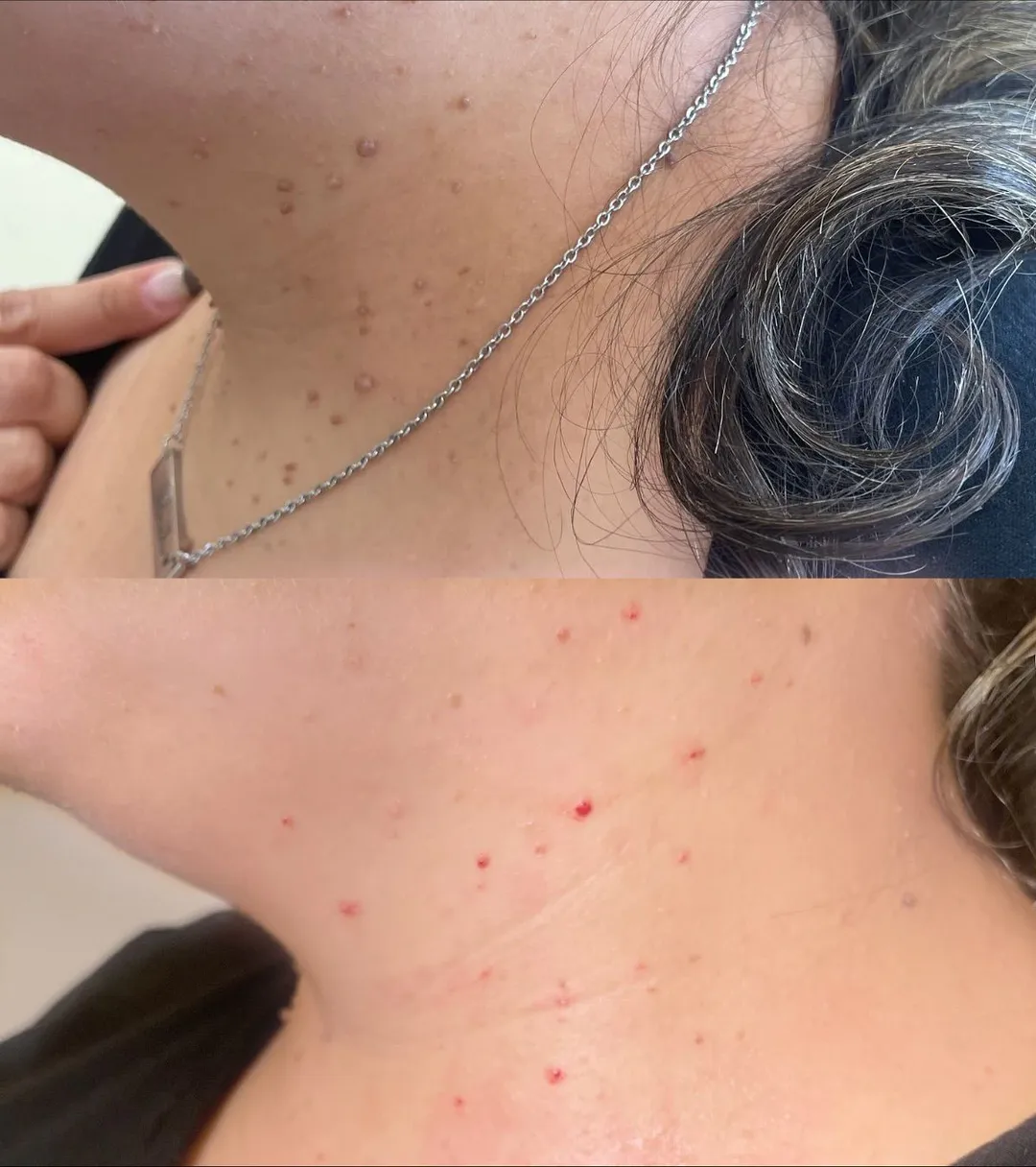
- Potentially suspicious lesions: Destroying a suspicious lesion without appropriate medical assessment may make subsequent diagnosis more difficult. A lesion with concerning characteristics may require medical examination and, in some cases, biopsy or histopathological evaluation.
- Permanent scarring: Areas such as the chest, shoulders, and jawline can be more prone to raised or hypertrophic scarring in susceptible individuals.
- Infection: Poorly sterilized equipment and inadequate hygiene can increase the risk of infection and other complications.
Advice: Choose a properly licensed medical facility with qualified dermatology professionals responsible for the treatment and clinical care.
Post-Mole-Removal Skin Care to Reduce Scarring Risk
The period after mole removal is important for proper wound healing and the final appearance of the treated skin.
Cleaning the Wound After Mole Removal
- Day 1: Use sterile saline or a suitable gentle antiseptic recommended by your medical professional to clean the treated area. This can help remove surface contaminants and reduce infection risk.
- From Day 2: Depending on the wound condition, you may use a gentle cleanser around the treated area. Avoid products that cause irritation or direct friction to the wound.
Avoid Direct Trauma to the Treated Area
- Do not pick the scab: Picking or scratching the scab can delay healing, increase infection risk, and contribute to scarring. Allow the wound to heal and the scab to detach naturally.
- Keep the wound appropriately protected: Follow your clinician’s instructions regarding keeping the area dry, covered, or protected. A sterile dressing may be recommended when necessary.
Protect the Skin from External Factors
Avoid intense physical activities that may cause friction or trauma to the treated area. Swimming in pools, lakes, or the sea may also need to be avoided during the early healing period according to your doctor’s instructions.
Maintain Adequate Hydration
Moisturizing the surrounding skin after mole or skin-tag removal can help maintain the skin barrier and reduce dryness. Suitable products may include gentle hydrating sprays or serums containing ingredients such as hyaluronic acid or glycerin, provided they are appropriate for the treated area.
In addition to topical hydration, maintain adequate fluid intake according to your individual needs. Good hydration supports overall health and normal skin function.
Protect the Skin from Sun Exposure
During the early healing period, the treated skin can be particularly sensitive. If you need to go outside, use physical protection such as sunglasses, a mask, or a wide-brimmed hat to reduce direct sun exposure.
Once the wound has sufficiently healed and your medical professional confirms that sunscreen can be used, apply a broad-spectrum sunscreen with an appropriate SPF every day. Reapply approximately every 3–4 hours when exposed to sunlight or according to the product instructions.
Additional Topical Medication
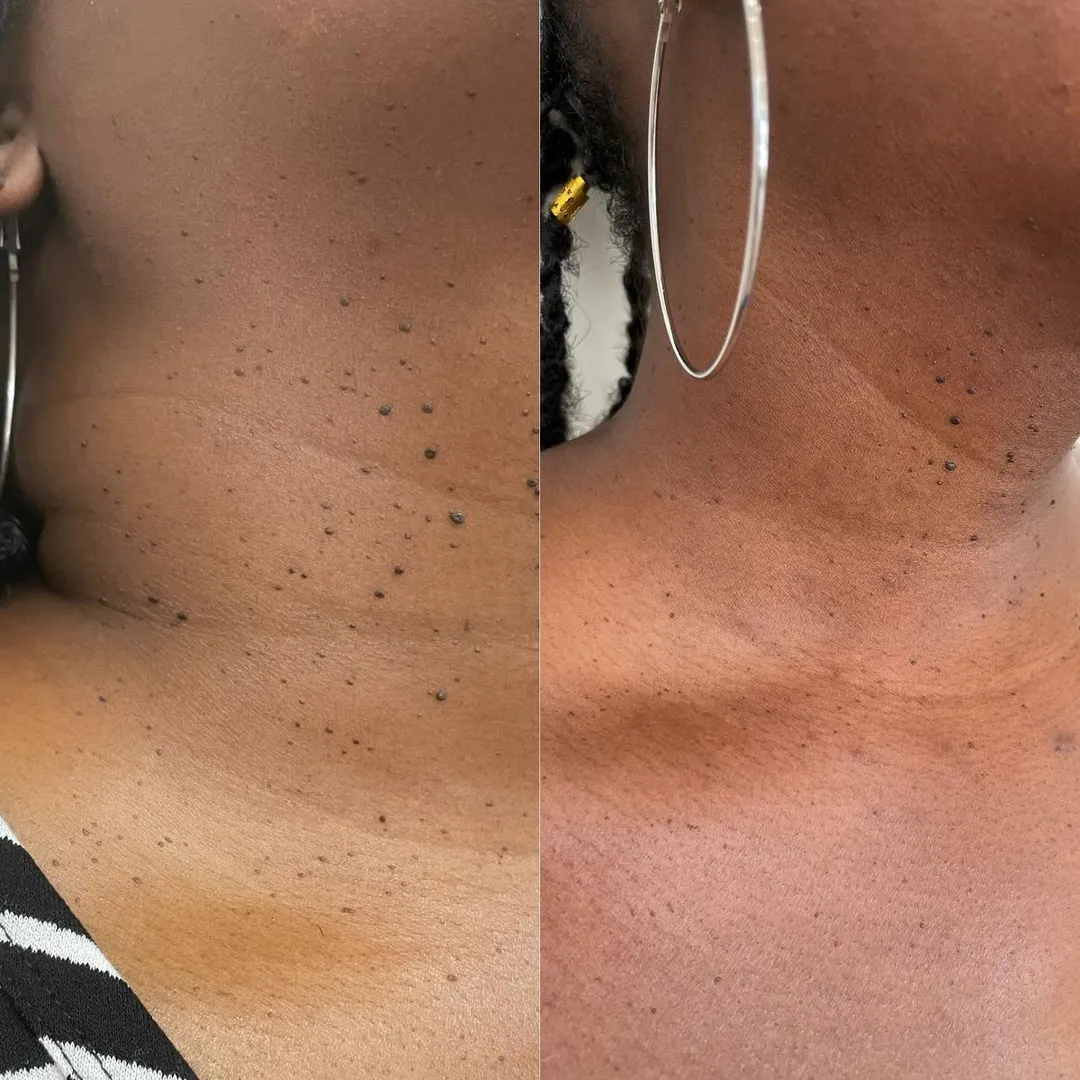
Additional oral or topical medications, such as prescribed wound-care or anti-inflammatory products, should only be used according to your doctor’s instructions. Examples listed in the original treatment protocol include Fucidin, Eumovate, and nano-silver products, but these should not be self-administered without professional guidance.
Frequently Asked Questions (FAQ) About Mole Removal in HCM City
Q1: Is laser mole removal painful?
Answer: With Fractional CO2 Laser treatment and an appropriate topical anesthetic protocol, discomfort can generally be minimized during the procedure. After the anesthetic wears off, patients may experience mild stinging or warmth for a short period.
Q2: Can a mole grow back after removal?
Answer: Some moles can recur, particularly if deeper tissue remains after superficial treatment. A medical professional should assess the depth and characteristics of the lesion before selecting the appropriate removal method. In some cases, additional treatment may be required.
Q3: How long after mole removal can I wear makeup?
Answer: It is generally advisable to wait until the wound has fully re-epithelialized and any scab has naturally fallen off before applying makeup directly to the treated area. This may take around 5–7 days for some superficial wounds, but healing time varies. Follow your clinician’s specific instructions.
Q4: What is the best season for mole removal in HCM City?
Answer: Mole removal can be performed at different times of the year. Because Ho Chi Minh City has substantial sunlight throughout the year, patients should pay particular attention to sun protection during the healing period. Avoiding direct sun exposure and following appropriate sunscreen recommendations after the wound has healed can help reduce the risk of post-inflammatory pigmentation.
Conclusion
Mole removal in HCM City can improve the appearance of selected benign lesions, but safety should always come first. Rather than choosing a treatment based solely on price, patients should select a reputable medical facility where lesions can be properly assessed and an appropriate removal method can be recommended.
Professional evaluation is particularly important for moles that change in size, shape, color, or appearance. With appropriate medical assessment, suitable technology, and proper aftercare, patients can better manage the risk of complications and support a smoother healing process.
Follow the News section for more useful information and expert skincare insights.
Related Articles: