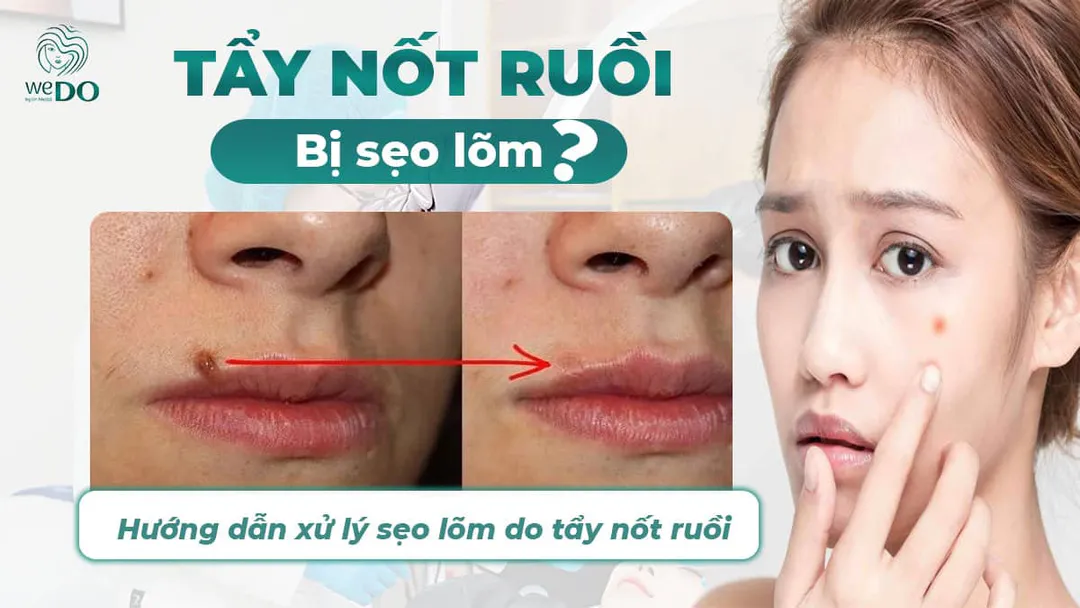
Pitted Scars from Mole Removal can absolutely occur if you choose a low-quality dermatology facility or fail to follow proper skincare procedures for the treatment method. Although this is an undesirable outcome, there’s no need to worry excessively, as timely and appropriate treatment can restore smooth skin.
Identifying Pitted Scars from Mole Removal
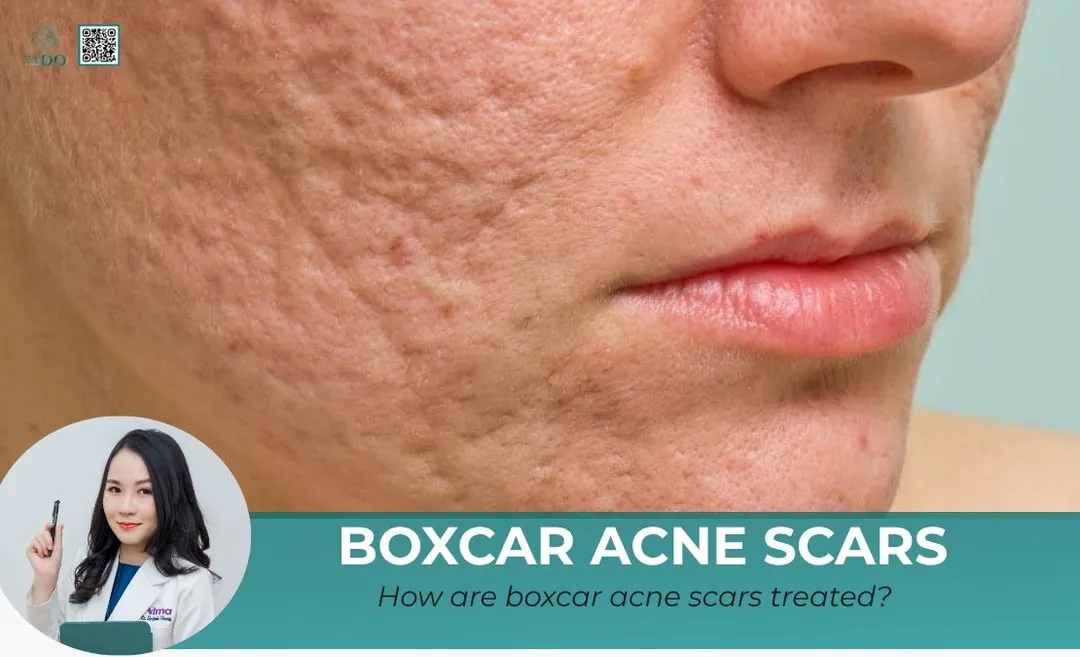
Pitted scars after mole removal are a common form of skin damage, occurring when the treated area fails to fully regenerate as it was originally. Since moles are typically small, the resulting scars are also small and hard to notice without close inspection. Many people overlook monitoring the area closely, only realizing the issue after the critical healing window has passed, when the scars have already embedded deeply into the skin’s surface.
After mole removal, pay attention to the following signs to identify pitted scars early:
- The scar is smaller than the original wound area.
- The pitted area on the skin has an irregular shape and size.
- It doesn’t cause pain when touched, but it feels noticeably indented.

When Does Mole Removal Lead to Pitted Scars?
Several factors, both subjective and objective, can contribute to scarring after mole removal:
- Skin type: Skin lacking sufficient tissue may form pits after being impacted.
- Large moles: Larger moles leave wider and deeper wounds, increasing the likelihood of pitted scars if post-treatment care is inadequate.
- Doctor/technician expertise: Unskilled doctors or technicians may not follow proper procedures, leading to infections, delayed healing, and a higher risk of scarring.
- Incorrect method: Outdated mole removal techniques, folk remedies, widely advertised topical medications, or the use of old equipment carry a high risk of complications, particularly pitted scars.
- Post-removal skincare: Inadequate care can hinder skin cell regeneration, leading to tissue deficiency and pitted scars.

What to Do About Pitted Scars from Mole Removal?
Pitted scars cannot heal on their own because the damaged area has lost collagen and elastin. Instead of hoping the scar will fill in naturally, early treatment is crucial to prevent scar tissue from hardening and impeding recovery.
- Laser Fractional CO2
This is one of the most advanced scar treatment methods, offering optimal effectiveness and safety. Laser Fractional CO2 works by splitting the laser into tiny beams, targeting only a small portion of the skin without causing widespread damage. It penetrates deep into the skin, stimulating collagen production and resurfacing the skin. This technology delivers noticeable results while minimizing recovery time.
- Microneedling
Microneedling uses tiny needles to create micro-injuries on the skin’s surface, triggering the body’s natural healing process. These micro-injuries stimulate collagen and elastin production, gradually softening stubborn scars and resulting in smoother, more even-toned skin. However, this method requires a highly skilled doctor to control the appropriate force and accurately target the treatment area without affecting the surrounding skin.
- Subcision
A doctor uses a specialized needle to cut the fibrous bands beneath the skin, releasing the surface pulled down by the scar. This method encourages the skin to produce collagen, filling in pitted areas. For better results, subcision can be combined with other treatments like laser.

- TCA Spot Treatment
Trichloroacetic Acid (TCA) is applied directly to the damaged skin area, destroying the epidermis and stimulating new collagen production to fill the scar from within.
- Derma Pen
Derma Pen combines microneedling with chemical peeling to create micro-injuries on the skin, stimulating collagen and elastin production. This fills scars, reduces pore size, and improves skin texture.
- PRP (Platelet-Rich Plasma)
PRP uses the patient’s own platelet-rich plasma injected into the damaged skin area. Platelets release growth factors, stimulating skin regeneration, filling scars, and improving skin texture.
- Mesotherapy
Mesotherapy treats scars by injecting a mixture of vitamins, minerals, amino acids, and bioactive substances into the skin’s middle layer. This method improves blood circulation, stimulates collagen and elastin production, and fills scars.
Wedo Skin Clinic – A Trusted Address for Effective Medical-Grade Scar Treatment
Advanced technology and a team of specialized dermatologists are the two key factors determining the success of pitted scar treatments. Wedo Skin Clinic is a dermatology center that excels in both. It boasts board-certified dermatologists and master’s degree holders in dermatology with years of experience, trained in beauty hubs like South Korea and Thailand. Additionally, the clinic uses cutting-edge equipment certified by the FDA (USA) and KFDA (South Korea).
The first critical step in scar treatment is selecting the right method. Each person’s skin has unique scar conditions, varying in depth, indentation, and age. The doctors’ role is to choose the most suitable approach, designing personalized treatment plans to optimize results. This not only restores smooth skin but also saves time and costs, fitting each client’s lifestyle. After treatment, doctors continue to monitor the skin’s condition until it stabilizes.
Conclusion
To avoid pitted scars after mole removal, seek reputable facilities and strictly follow post-treatment skincare protocols. If the skin is damaged and pitted scars form, consult a doctor as soon as possible for treatment, as newer scars are easier to fill and correct.