There is no fixed day when skin should peel after microneedling, and not everyone experiences noticeable peeling. Some people develop dry, slightly rough skin or fine flaking in the days following the procedure. Redness and discomfort often improve within a few days to approximately one week, although recovery time depends on the technique used and the individual’s skin condition. [1][2]
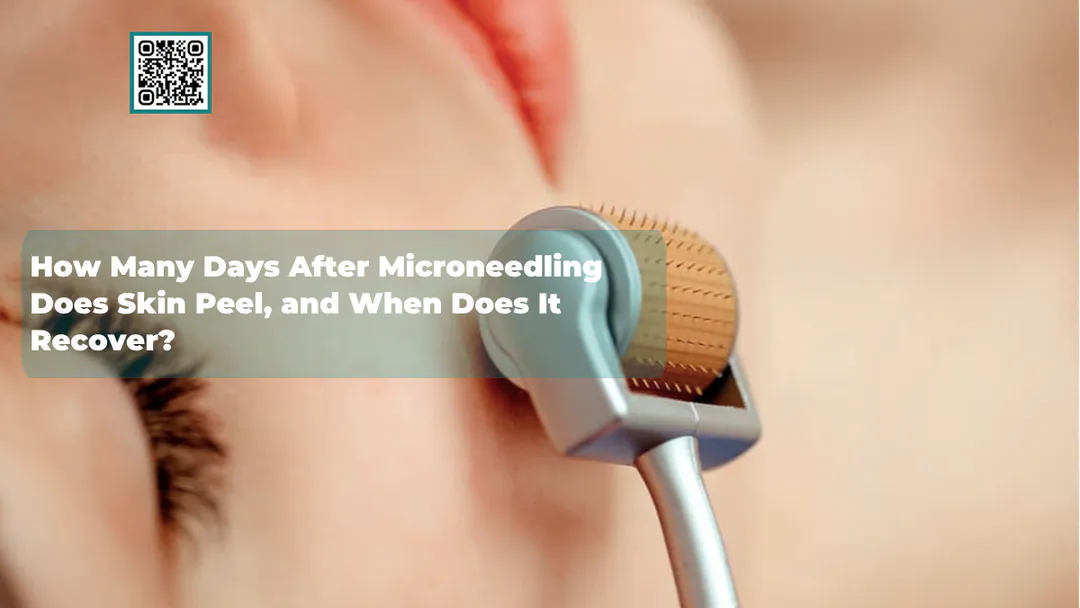
Peeling is not a requirement for microneedling to be effective. You should not use another person’s degree of peeling as the standard for evaluating your own treatment results.
Understand the Procedure You Received
Microneedling and other forms of mechanical needling create tiny, controlled punctures in the skin using fine needles. Devices may include rollers or motorized pens with moving needle cartridges. The needle depth, treatment area, and intended goal all influence the degree of skin disruption. [3]
If the procedure also includes a chemical peel, topical medication, or radiofrequency (RF) energy, recovery may differ from that of mechanical microneedling alone. Therefore, the statement that “skin must peel on day three” is not an appropriate rule for every treatment marketed as microneedling.
Before following aftercare instructions, make sure you know the procedure performed and the steps involved. You can read an overview on WeDo’s page about microneedling, mechanical needling, and RF needling, then compare that information with the instructions provided by your treating clinician.
What to Expect During Microneedling Recovery
Immediately after the procedure, your skin may be red, slightly swollen, tight, or feel mildly sunburned. Over the following days, some people experience dryness or fine peeling. The important factor is whether these reactions are gradually improving, rather than how red the skin looks at a single point in time. [1][2]
You can keep a daily record of three things: the level of pain or stinging, the extent of redness, and the products you have applied. If photographs appear to show increased redness because of different lighting, your symptom notes can help prevent an inaccurate conclusion.
Do not peel off loose skin, scrub the area to make it renew faster, or undergo another procedure before your skin has been assessed. A surface that looks free of flakes does not necessarily mean that all healing processes beneath the skin have finished.
How to Care for Your Skin After Microneedling
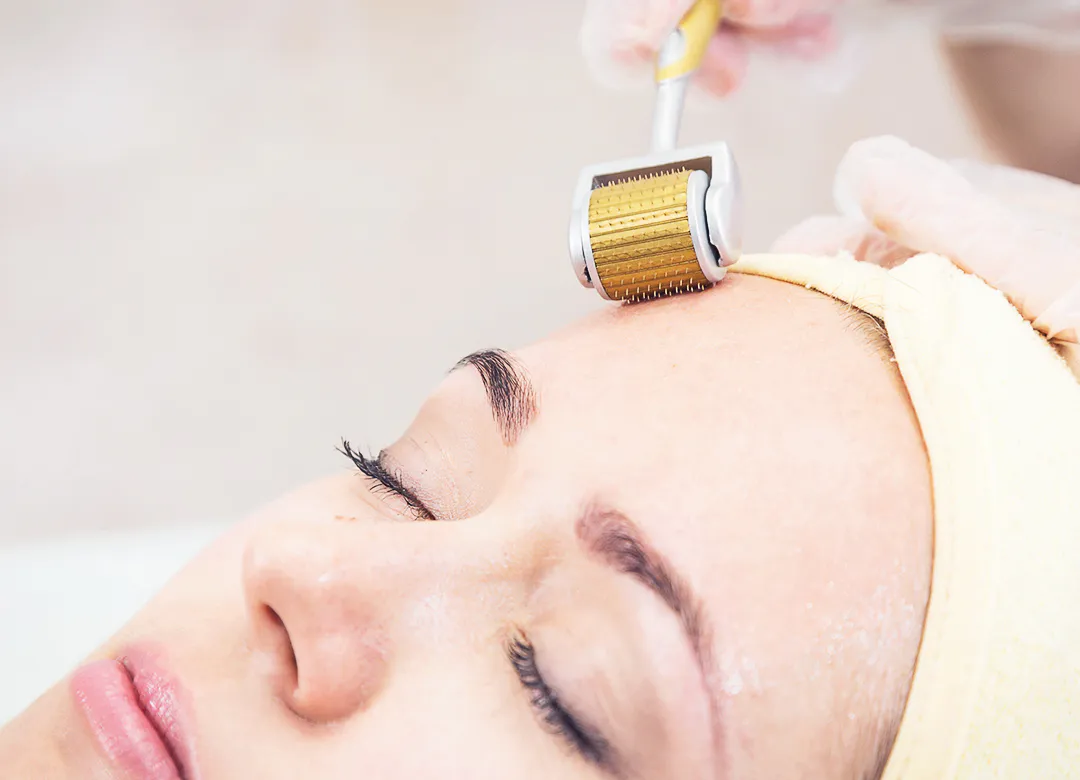
Your aftercare instructions should clearly explain when to cleanse the skin, which products to use, and when to resume your usual skincare routine. If your clinic only advises you to “moisturize and use sunscreen,” ask for more specific guidance about which products are appropriate for your current stage of recovery.
- Wash your hands before touching the treated area and avoid repeatedly touching your skin to check its condition.
- Cleanse and moisturize as instructed. Avoid combining multiple serums on your own.
- Temporarily stop products that may cause irritation until you receive guidance on when to restart them.
- Do not pick at scabs or peel away flaking skin.
- Avoid direct sun exposure and combine suitable sun protection with physical measures such as shade and protective clothing.
After microneedling, cosmetic products may cause more stinging on recently treated skin. The US Food and Drug Administration (FDA) also identifies potential risks such as pigment changes, infection, and reactivation of herpes. Therefore, increased burning after applying a product should not automatically be regarded as a reaction you must tolerate to achieve better results. [3]
When Can You Wear Makeup and Restart Active Ingredients?
The American Academy of Dermatology (AAD) provides general guidance to wait at least 24 hours before applying makeup after microneedling. However, if your skin is still damaged, has discharge, or your clinician recommends waiting longer, follow the individualized instructions. A general time frame does not replace an assessment of your skin’s condition. [1]
For retinoids, exfoliating acids, or acne treatments, ask when it is appropriate to resume use rather than restarting every product as soon as the peeling stops. If a clinician has prescribed a product to treat a skin condition, do not make prolonged changes to the treatment plan without discussing them first.
You should also ask when it is safe to return to activities that cause significant heat or sweating, or expose your skin to potentially unclean environments. The answer depends on the extent of the procedure and your recovery, not simply the number of days that have passed.
When Should You Contact Your Doctor?
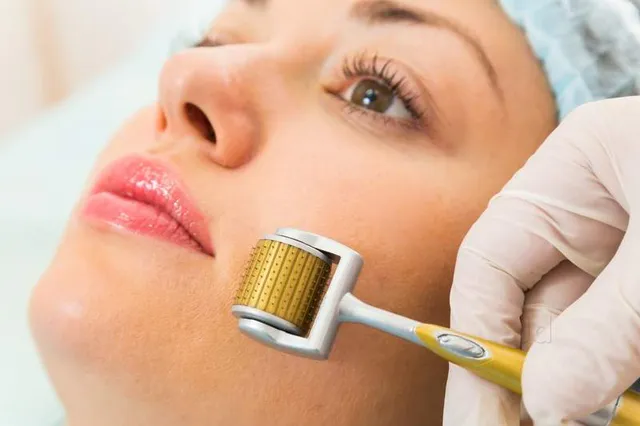
Contact the treating clinic if pain or redness progressively worsens, pus appears, blisters develop, bleeding continues, or swelling does not improve as expected according to your aftercare instructions. Cleveland Clinic recommends contacting a healthcare professional if bleeding lasts longer than 24 hours, blisters appear, or swelling persists for more than a week. If symptoms are severe, do not wait until these time thresholds have passed before seeking help. [2]
When reporting a concern, include the date of the procedure, when the unusual symptoms began, and any products you recently used. Clear photographs without filters are more helpful than images that are too close-up or poorly lit.
Do not buy antibiotics, use strong topical medications, or undergo a chemical peel on your own to manage a reaction after treatment. The cause should be assessed before additional treatment is introduced.
Skin Peeling and Visible Improvement Are Two Different Milestones
Reduced redness or the end of peeling reflects part of the skin’s surface recovery. Improvements in scars or skin texture involve collagen remodeling and are generally assessed over weeks to months. Some people may require multiple treatment sessions. [1]
Therefore, the question “When will my skin look better after microneedling?” should be linked to a specific goal, such as reducing the appearance of scars, improving skin tone, or refining texture. Ask your doctor when to take comparison photographs and which criteria will be used to evaluate progress before deciding whether to undergo another session.
If you need advice about a microneedling treatment plan, you can contact WeDo Skin Clinic. If you are experiencing a reaction after a procedure performed elsewhere, provide your treatment records and details of the products used to support a more complete assessment.
Frequently Asked Questions
Does microneedling fail if my skin does not peel?
No. Peeling is not the only measure of effectiveness. Results should be evaluated according to the treatment goal and the skin’s progress after the procedure.
Should I perform another microneedling session myself to make the skin peel evenly?
No. Creating additional skin injuries on your own may increase irritation and the risk of complications. It does not verify whether the previous treatment was effective.
What should I eat after microneedling?
Maintain a balanced diet that meets your nutritional needs, and follow any individualized dietary advice related to an underlying health condition. You do not need to eliminate large groups of foods simply because you are concerned that your skin has not peeled.
Is it abnormal if my skin is still red on day three?
Consider whether the redness is improving or worsening and whether you have pain, swelling, or discharge. If you are concerned, contact the treating clinic rather than judging your recovery solely by the number of days that have passed.
Can I apply these guidelines to RF microneedling?
Not without modification. RF microneedling also delivers radiofrequency energy into the tissue, so aftercare instructions should be tailored to the device, treatment settings, and your skin condition.
References
[1] American Academy of Dermatology. Microneedling Can Fade Scars, Uneven Skin Tone, and More. https://www.aad.org/public/cosmetic/scars-stretch-marks/microneedling-fade-scars
[2] Cleveland Clinic. Microneedling. https://my.clevelandclinic.org/health/treatments/23113-microneedling
[3] US Food and Drug Administration. Microneedling Devices. https://www.fda.gov/medical-devices/aesthetic-cosmetic-devices/microneedling-devices