

Beard hair removal for men may be an option if you want to reduce beard density, spend less time shaving, or manage ingrown hairs under medical guidance. Before treatment, determine whether you want to reduce hair across the entire beard area or simply refine the edges along the cheeks, neck, or jawline.
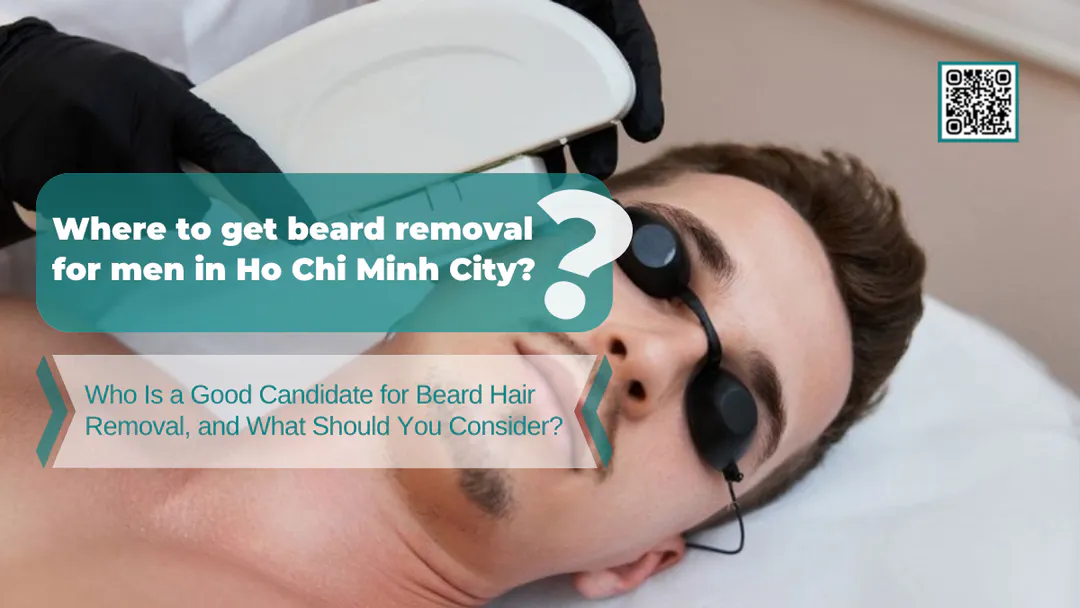
This decision can have a long-term impact on your appearance. If you may want to grow a beard in the future, discuss this during your initial consultation rather than assuming you can restore your original beard growth after treatment.
How Is Hair Reduction Different from Shaving?
Shaving primarily removes the visible portion of hair above the skin’s surface, making it suitable when you want flexibility in changing your beard style. Laser hair removal targets hair follicles to achieve long-term hair reduction. Results depend on hair and skin characteristics, and dark hair generally responds better to light-based treatment than gray or white hair. [1]
Some men simply want to reduce excessive beard density, while others want a cleaner neckline or less hair around the mouth. These goals do not necessarily require the same treatment area or number of sessions.
Clearly identify the areas you want to treat and those you want to preserve. You can bring reference photographs or discuss the boundaries with your provider. Avoid relying on the phrase “full beard removal” if you and your provider have different interpretations of the cheeks, jawline, chin, and neck.
Ingrown Beard Hairs and Red Bumps After Shaving
When a shaved hair grows back into the skin, it can trigger an inflammatory reaction known as pseudofolliculitis barbae. These bumps commonly develop on the face or neck and may itch, hurt, or leave dark marks. This condition differs from infectious folliculitis, although both can occur at the same time. [2]
Adjusting shaving techniques, avoiding an excessively close shave, or choosing an alternative hair-removal method may help manage the condition. Laser hair removal can be considered for suitable individuals, but a beard-removal package should not replace a proper diagnosis when the skin has numerous pus-filled bumps or painful swelling. [2]
If your main reason for considering beard removal is the development of bumps after shaving, tell your doctor. In this situation, treatment outcomes should be assessed not only by reduced hair density but also by changes in inflammation and discomfort.
Does Beard Laser Hair Removal Last, or Will Hair Grow Back?
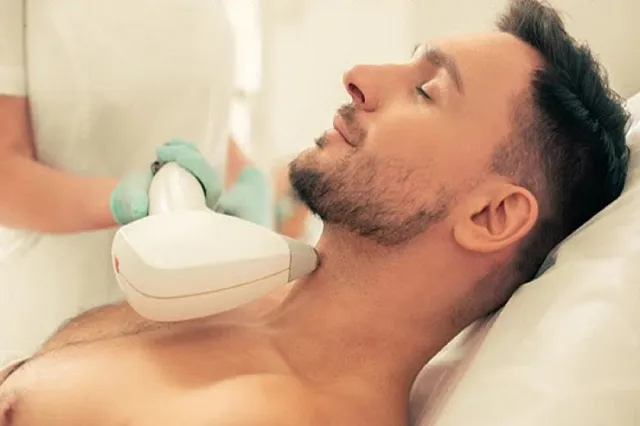
Some beard hair may grow back, and maintenance treatments may be necessary in certain cases. The term “permanent beard removal” should not be interpreted as a guarantee that every hair will disappear for the rest of your life. [1]
Before choosing a treatment plan, agree on the level of hair reduction you want. If you prefer a thinner but even beard, understand that different areas may respond differently. A specific hair density cannot be guaranteed simply by selecting a particular number of sessions.
Taking photographs at consistent intervals after shaving can help you compare results more fairly. A photograph taken immediately after shaving during the first session and another taken several days after shaving during a later session will not provide an accurate comparison.
Preparing for a Beard Hair Removal Session
Tell your provider about medications you take, any history of abnormal scarring, cold sores caused by herpes simplex, and recent cosmetic procedures. Skin that has recently tanned or is currently damaged should also be assessed before treatment. [3]
Ask the clinic when you should shave before your appointment. Avoid plucking or waxing to “remove the roots” before treatment unless your provider specifically advises otherwise. If you have shaving cuts or abrasions, report them rather than attempting to conceal them with cosmetics.
Appropriate eye protection must be used during treatment. If you experience heat or pain beyond what was explained beforehand, notify the provider immediately. Do not assume that higher energy settings automatically produce better results.
Aftercare and Monitoring Your Skin
Your skin may become red or slightly swollen for a short time after treatment. Cleanse and moisturize according to your provider’s instructions, avoid aftershave products that cause stinging, and protect your face and neck from sunlight. [4]
If you develop blisters, increasing pain, discharge, or unusual changes in skin color, contact the treating clinic. Do not repeatedly shave the area to check whether the hair has shed, and do not pick at scabs.
Before your next session, record any reactions you experienced and how long they took to settle. This information can help your provider adjust the treatment plan more effectively than a general comment that the previous session was “a little painful.”
Beard Hair Removal Prices at WeDo: Check the Exact Treatment Area
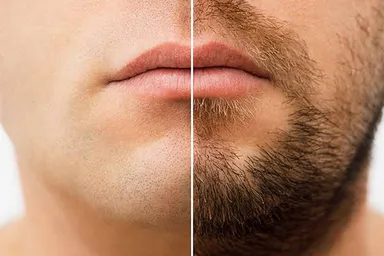
According to the service page reviewed on October 22, 2026, WeDo lists laser treatment for the hair around the mouth using Alma technology at VND 650,000 per session or VND 2,530,000 for five sessions. The page also lists upper-lip hair removal using OTP light SHR at VND 180,000 per session. The listed prices exclude VAT. [5]
These prices should not be treated as a quote for full beard removal. When asking about costs, confirm how the cheeks, chin, jawline, and neck are priced. A package with more sessions does not automatically mean you need to complete every session included.
You can review WeDo’s high-tech hair removal services and price list, then discuss the treatment area, technology, estimated number of sessions, and any additional charges before booking. Confirm the applicable price directly with the clinic at the time of service.
Frequently Asked Questions
Can one session remove all beard hair permanently?
You should not expect this. Results need to be assessed over a course of treatment rather than by looking at the appearance immediately after the first session.
Can I remove hair only from my neck?
You can discuss a treatment plan focused on a specific area. Make sure the boundaries and the hair you want to preserve are clearly agreed upon before treatment.
Is laser treatment as effective on gray beard hair as it is on black hair?
You should not expect the same response. Hair with little pigment absorbs less light energy, so your provider should discuss suitable alternatives or realistic expectations.
Can beard hair removal replace acne treatment?
No. Bumps that develop after shaving may be related to ingrown hairs, but acne and skin infections require separate assessment and management.
Can I use an at-home device for men’s beard hair removal?
Not every device is intended or cleared for use on men’s facial hair. Check the manufacturer’s instructions, permitted treatment areas, and safety warnings. Seek professional advice if you are unsure whether a device is suitable for your beard area.
References
[1] Mayo Clinic. Laser Hair Removal. https://www.mayoclinic.org/tests-procedures/laser-hair-removal/about/pac-20394555
[2] DermNet. Pseudofolliculitis Barbae. https://dermnetnz.org/topics/pseudofolliculitis-barbae
[3] American Academy of Dermatology. Laser Hair Removal: Preparation. https://www.aad.org/public/cosmetic/hair-removal/laser-hair-removal-preparation
[4] American Academy of Dermatology. Laser Hair Removal FAQs. https://www.aad.org/public/cosmetic/hair-removal/laser-hair-removal-faqs
[5] WeDo Skin Clinic. Hair Removal Services and Price List, reviewed October 22, 2026. https://wedoskinclinic.com/triet-long-cong-nghe-cao


