

Dark corners of the mouth should be assessed according to the affected area: the skin on either side of the mouth, the lip border, or the red part of the lips. If the area is cracked, stinging, or peeling, treating the underlying inflammation may be the first priority. Applying additional brightening products while the skin is irritated can make it harder to identify the cause and monitor progress.
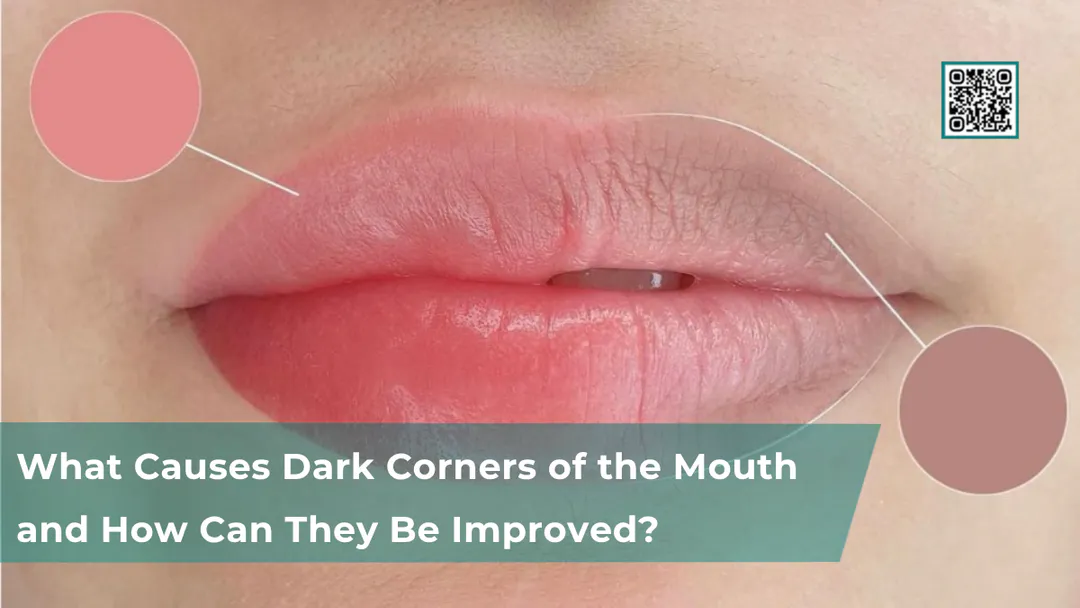
Not every dark area around the mouth is melasma. Natural skin pigmentation, post-inflammatory hyperpigmentation, and reactions to skincare products can produce similar-looking changes.
Identify the Location and Associated Symptoms
Before choosing a treatment for a dark lip border, determine whether the discoloration appeared recently or has been present for a long time. Also note whether the skin feels itchy or stings when you apply lipstick, whether opening your mouth causes pain, or whether the corners are cracked.
Focusing only on the darkness may cause you to overlook active inflammation. Conversely, a stable area that has been present for years without other symptoms needs to be assessed differently from a newly developing patch that is spreading or changing color rapidly.
Take photographs without lipstick, using natural lighting and no filters. If you suspect a reaction to a particular product, record when you started using it and when the symptoms began rather than simply concluding that the product caused darkening.
Angular Cheilitis and Residual Dark Marks
Angular cheilitis can cause painful cracks, crusting, or oozing at one or both corners of the mouth. Prolonged contact with saliva is a common contributing factor. Some cases also involve infection or underlying factors that require attention. The skin around the inflamed area may also develop changes in pigmentation. [1]
If you have dark corners of the mouth along with pain when opening your mouth, do not focus solely on brightening creams. A doctor needs to determine whether inflammation is still active and identify factors that may be causing the cracks to recur.
Do not apply antifungal medication, antibiotics, or corticosteroids based on someone else’s experience. These medications have different indications, and temporary improvement in redness does not necessarily mean the underlying cause has been treated correctly.
How Can Lipstick and Personal Care Products Contribute?
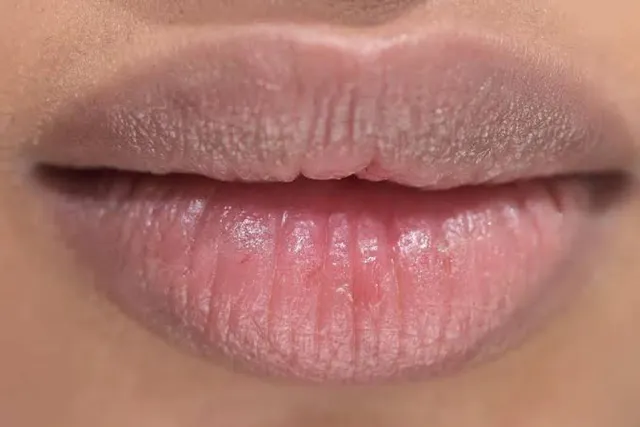
Allergic contact cheilitis can develop when the lips come into contact with an ingredient that triggers an allergic reaction. Potential sources include lip cosmetics, toothpaste, and other oral care products. Symptoms commonly resemble inflammation of the skin, including dryness, redness, itching, and peeling. [2]
Another condition, pigmented contact cheilitis, can cause the lips or lip border to become darker following a contact reaction. Once the responsible trigger has been identified, avoiding further exposure can help prevent new episodes. However, the discoloration may fade slowly and may not always return completely to its previous appearance. [3]
This does not mean that you need to stop using every lipstick or toothpaste. Keep a list of product ingredients, when you started using each product, and any specific reactions you experienced. If an allergy is suspected, a doctor may consider patch testing to identify the trigger. Trying products on your lips at random is not a substitute for this assessment. [2]
Caring for the Lips and Surrounding Skin
If your lips are dry or irritated, simplify your skincare routine. Stop using products that cause noticeable stinging, avoid licking your lips, and do not pick at peeling skin. A simple, non-irritating lip moisturizer may help. Petrolatum is a commonly used option for protecting and moisturizing dry lips. [4]
When outdoors, protect your lips with a suitable lip product containing sunscreen and use additional physical protection when possible. For the skin around your mouth, use products according to their instructions and intended application area. Do not apply facial skincare products to the inside of your mouth or other mucosal surfaces.
Avoid using lemon juice, toothpaste, or abrasive mixtures to scrub the lip border. A product that makes your lips burn is not necessarily removing pigmentation. Prioritize reducing irritation and monitor whether the skin becomes more stable.
If cracks persist, the area continues to ooze, or symptoms repeatedly return, moisturizing alone may not be enough. The underlying cause should be investigated rather than adding more layers of skincare products.
When Should You Consider Pigmentation Treatment?
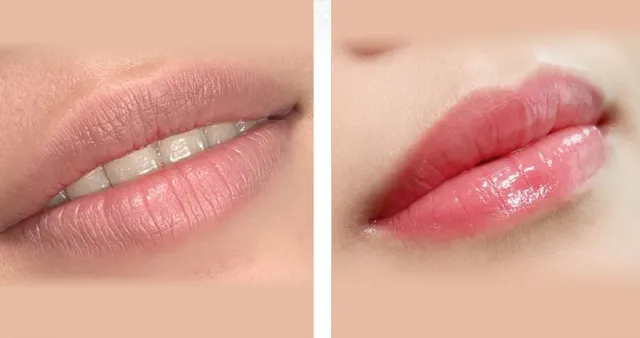
Discuss options for lightening the affected area only after inflammation has been assessed and the treatment area has been clearly identified. The red part of the lips, the lip border, and the surrounding skin are different surfaces and should not automatically be treated with the same products or procedure settings.
Ask your doctor whether the primary goal is to treat an active skin condition or improve discoloration left behind after inflammation. If pigmentation is the only remaining concern, discuss the expected degree of improvement and how progress will be monitored before deciding on topical medication or a procedure.
WeDo’s page on treatments for melasma, freckles, and brown spots provides information about pigmentation disorders. However, dark corners of the mouth should not automatically be classified as melasma or treated using the same protocol.
When Should You See a Dermatologist?
Seek medical assessment if the discoloration is new, spreading, limited to one side, or accompanied by persistent cracking and pain. A distinct spot that changes shape, develops an ulcer, or bleeds should also be examined directly.
When booking an appointment at WeDo Skin Clinic, bring the products you use around your mouth, details of previous topical medications, and photographs showing how the area has changed. If you have previously undergone lip tattooing or another lip procedure, share that information so your doctor can understand the area’s treatment history.
Frequently Asked Questions
Can dark corners of the mouth be caused by a vitamin deficiency?
You cannot determine this from skin color alone. Assessing a possible nutritional deficiency requires consideration of symptoms, diet, and medical evaluation. Avoid taking multiple supplements on your own to treat discoloration.
If the corners of my mouth are cracked and dark, which problem should I treat first?
The cracking and inflammation should be assessed first. A pigmentation treatment plan is more appropriate once the factors causing the skin damage are under control.
Will my lips become lighter immediately after I stop using lipstick?
No. If a product is contributing to the reaction, avoiding further exposure may help prevent ongoing irritation. However, residual discoloration usually takes time to improve and should be monitored.
Should I exfoliate the lip border every day?
Avoid frequent scrubbing or exfoliation when your lips are dry, cracked, or irritated. More peeling does not mean that a product is working better to lighten the skin.
Does darkening around the mouth always require laser treatment?
No. The cause and exact location must be identified first. In many cases, adjusting skincare habits or treating inflammation should take priority.
References
[1] DermNet. Angular Cheilitis. https://dermnetnz.org/topics/angular-cheilitis
[2] DermNet. Allergic Contact Cheilitis. https://dermnetnz.org/topics/allergic-contact-cheilitis
[3] DermNet. Pigmented Contact Cheilitis. https://dermnetnz.org/topics/pigmented-contact-cheilitis
[4] American Academy of Dermatology. 7 Dermatologists’ Tips for Healing Dry, Chapped Lips. https://www.aad.org/public/everyday-care/skin-care-basics/dry/heal-dry-chapped-lips


