
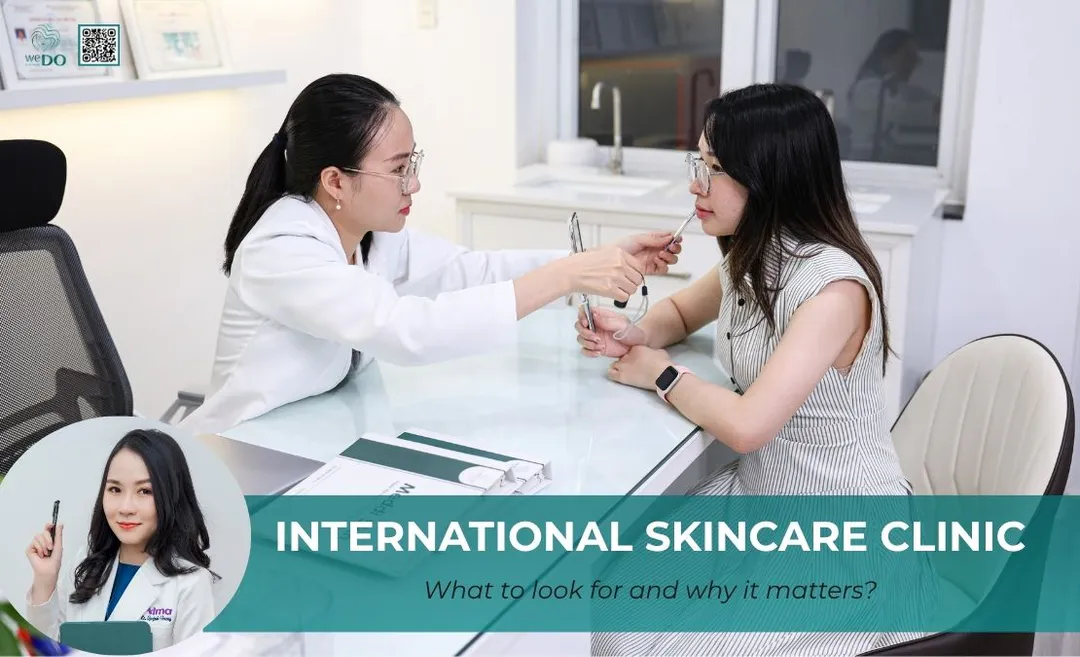
As international travel, relocation, and cross-border careers become increasingly common, access to reliable dermatology care is more important than ever. This article explores what defines an international skincare clinic and the key standards patients should consider when seeking skin treatment abroad.
Why the demand for international skincare clinics is growing
An international skincare clinic is more than a clinic that welcomes foreign patients. It refers to a dermatology clinic that combines evidence-based medical care, effective communication, and internationally recognized standards to provide accessible treatment for people from different countries and cultural backgrounds.
Global mobility is increasing
International travel, overseas employment, and long-term relocation have become increasingly common. According to the UN World Tourism Barometer, international tourist arrivals reached approximately 1.4 billion in 2024, reflecting a strong recovery in global travel. As more people live or travel abroad, the demand for reliable healthcare—including dermatology services—continues to grow.
Skin health is influenced by environmental changes
The skin is highly sensitive to external environmental factors. Changes in ultraviolet (UV) exposure, humidity, air quality, water conditions, and daily routines can affect the skin barrier and contribute to conditions such as acne, melasma, eczema, or rosacea. These concerns often require medical evaluation rather than self-treatment with skincare products alone.

Patients need continuous dermatologic care
Many skin disorders require ongoing monitoring instead of a single treatment session. Conditions such as acne, atopic dermatitis, and psoriasis often need individualized treatment plans and periodic follow-up to maintain long-term results. As a result, more patients seek dermatology clinics that provide professional medical care alongside clear communication and consistent treatment standards.
What defines a reliable international skincare clinic?
As the demand for cross-border healthcare continues to grow, choosing the right dermatology clinic becomes increasingly important. A reliable clinic should offer more than convenience for international patients—it should deliver safe, evidence-based care while ensuring clear communication and individualized treatment. The following criteria can help patients evaluate whether a clinic meets internationally recognized standards.
Dermatologist-led diagnosis and treatment
Successful treatment begins with an accurate diagnosis. Many skin conditions share similar symptoms but require completely different treatment approaches. For example, facial redness may be caused by rosacea, eczema, or allergic contact dermatitis, while pigmentation disorders may resemble one another despite having different underlying mechanisms.
This is why reputable dermatology clinics place qualified dermatologists at the center of the consultation process. Through medical history, clinical examination, and when necessary, additional diagnostic tools, physicians can identify the underlying cause before recommending an appropriate treatment plan. This evidence-based approach reduces the risk of misdiagnosis and unnecessary procedures.

Evidence-based technologies and medical devices
Modern technologies have significantly expanded treatment options in dermatology. However, advanced equipment alone does not guarantee better outcomes. The effectiveness of any technology depends on appropriate patient selection, correct clinical indications, and proper operation by trained medical professionals.
Patients should look for clinics that use authentic medical devices with internationally recognized certifications, such as FDA clearance or CE marking, as these certifications indicate compliance with established safety and performance requirements. More importantly, treatment recommendations should be based on clinical needs rather than on promoting a particular technology.
Clear communication for international patients
Communication is a fundamental component of patient safety. International patients need to understand their diagnosis, treatment options, expected outcomes, possible risks, recovery timeline, and post-treatment care before making medical decisions.
Language barriers may reduce treatment adherence or create misunderstandings during follow-up care. For this reason, clinics serving international patients should provide consultations in English or other commonly spoken languages whenever possible, ensuring informed consent and effective communication throughout the patient journey.
Personalized treatment plans and follow-up care
Every patient’s skin is different. Factors such as skin type, ethnicity, medical history, lifestyle, and environmental exposure all influence treatment outcomes. Therefore, standardized treatment packages may not always provide optimal results.
A reliable international dermatology clinic develops personalized treatment plans based on individual assessment and adjusts them as the skin responds over time. Follow-up care is equally important, particularly for chronic conditions such as melasma, acne, rosacea, and eczema, where treatment often requires long-term monitoring and modification.

How Wedo Skin Clinic meets international standards?
The principles discussed above provide a practical framework for evaluating any dermatology clinic that serves international patients. At Wedo Skin Clinic, these standards are reflected through a combination of clinical expertise, patient-centered care, and evidence-based treatment, with every stage of the patient journey designed around medical standards rather than cosmetic trends.
Medical expertise comes first
Every treatment at Wedo begins with a comprehensive clinical assessment performed by a dermatologist. Instead of recommending procedures based solely on visible skin concerns, physicians evaluate the patient’s medical history, skin condition, lifestyle, and treatment goals before developing a personalized treatment protocol. This reflects the clinic’s commitment to precision dermatology, where treatment decisions are guided by diagnosis and clinical evidence rather than symptoms alone.
According to Wedo, the medical team includes Specialist Level I Dermatologists (CKI), Master’s-level dermatology physicians, and doctors who have participated in advanced professional training in countries such as South Korea, Switzerland, and Thailand. The clinic also reports having treated more than 10,000 patients over more than six years of clinical practice, providing continuous physician involvement throughout the treatment process rather than limiting medical supervision to the initial consultation.
Technology should support clinical decisions
Technology plays an important role in modern dermatology, but only when it supports appropriate clinical decision-making. Rather than relying on a single platform for every indication, Wedo integrates multiple treatment modalities into an evidence-based treatment strategy, selecting technologies according to each patient’s diagnosis, skin characteristics, and expected clinical outcomes.
The clinic currently operates more than 65 medical technologies used across pigmentation treatment, acne management, scar revision, skin rejuvenation, and skin tightening. Many of these systems carry internationally recognized certifications such as FDA, CE, and KFDA, including platforms such as Ultherapy PRIME®, Thermage FLX®, Lutronic Spectra XT®, Alma Harmony XL Pro®, and other physician-grade dermatologic devices.

This approach demonstrates that technology is viewed as a clinical tool rather than a standalone solution, with every device selected according to its clinical indication, safety profile, and suitability for the individual patient.
Effective communication improves patient safety
For international patients, communication is an essential part of safe and effective medical care. Wedo provides English-speaking consultations throughout the patient journey, helping patients understand their diagnosis, recommended procedures, expected outcomes, possible risks, and post-treatment care before any treatment begins.
The clinic also emphasizes shared decision-making, allowing patients to participate actively in developing their treatment plans after receiving clear explanations from their dermatologist. Combined with transparent consultation and treatment recommendations based on medical necessity, this approach supports informed consent while improving treatment adherence throughout the recovery process.
For expatriates, business travelers, and international visitors who may be unfamiliar with Vietnam’s healthcare system, clear communication can significantly improve both confidence and continuity of care.
Personalized care leads to better long-term outcomes
Successful dermatologic care extends beyond a single procedure. At Wedo, treatment begins with clinical mapping and physician evaluation to understand each patient’s skin condition before creating a personalized treatment protocol. Rather than applying identical treatment packages, dermatologists consider skin type, ethnicity, medical history, environmental exposure, and individual treatment goals when selecting appropriate therapies.
The clinic also places emphasis on longitudinal monitoring and continuous physician oversight, particularly for chronic conditions such as acne, melasma, rosacea, post-inflammatory hyperpigmentation, and sensitive skin disorders. Follow-up assessments allow treatment parameters to be adjusted as the skin responds over time, supporting safer procedures and more consistent long-term clinical outcomes.
By combining dermatologist-led care, internationally certified technologies, individualized treatment planning, and structured follow-up, Wedo Skin Clinic demonstrates many of the qualities patients should expect when choosing an international skincare clinic.
Conclusion
As international mobility continues to grow, access to high-quality dermatologic care is becoming increasingly important for travelers, expatriates, and global professionals alike. Choosing an international skincare clinic involves more than finding an English-speaking provider—it requires confidence in the clinic’s clinical expertise, medical standards, communication, and commitment to evidence-based care.
FAQ
1. What is an international skincare clinic?
An international skincare clinic is a dermatology clinic that provides medical skin care for patients from different countries. In addition to clinical expertise, these clinics typically offer internationally recognized treatment standards, multilingual communication, and patient-centered care to support both local and international patients.
2. Can international patients receive dermatology treatment in Vietnam?
Yes. Many dermatology clinics in Vietnam provide consultations and treatments for international patients. When choosing a clinic, it is advisable to look for qualified dermatologists, internationally certified medical technologies, transparent communication, and personalized treatment planning.
3. Why is communication important during dermatologic treatment?
Clear communication helps patients understand their diagnosis, treatment options, expected outcomes, potential risks, and aftercare instructions. This supports informed decision-making, improves treatment adherence, and contributes to safer clinical outcomes.
4. Are FDA- or CE-certified devices important?
FDA clearance and CE marking indicate that medical devices have met recognized regulatory requirements for safety and performance. While certification is an important consideration, treatment outcomes also depend on accurate diagnosis, appropriate clinical indications, and the experience of the medical team operating the technology.
5. How does Wedo Skin Clinic support international patients?
Wedo Skin Clinic provides dermatologist-led consultations, English-speaking support, personalized treatment protocols, and a wide range of internationally certified medical technologies. The clinic follows a patient-centered approach designed to help international patients receive clear communication and evidence-based dermatologic care throughout their treatment journey.
Related articles:


