If you are looking for a Chemical Peel HCM City, you may be wondering whether this treatment is suitable for acne, pigmentation, uneven skin tone, or rough skin texture. Chemical peeling is a professional dermatological treatment that uses a carefully selected exfoliating solution to remove damaged outer layers of the skin and encourage healthier skin renewal.
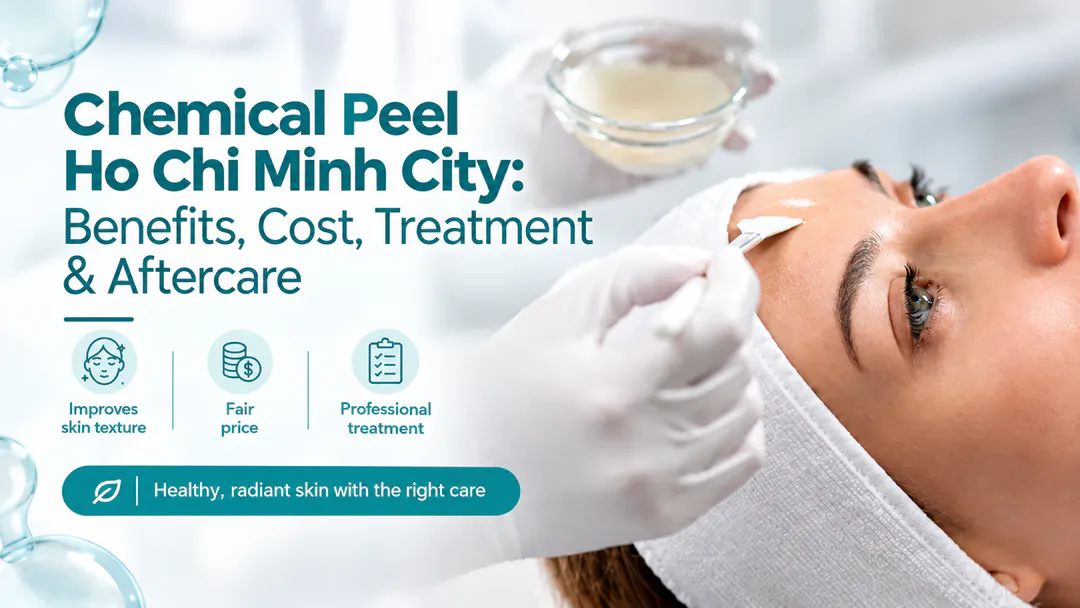
Unlike an ordinary exfoliating product used at home, a professional chemical peel should be selected according to your skin condition, treatment goals, sensitivity, and medical history. The appropriate type and strength of peel can vary significantly from one person to another.
For people searching for a Chemical Peel Clinic HCM City, understanding the treatment, expected results, potential downtime, cost, and aftercare is an important first step before making an appointment.
What Is a Chemical Peel?
A chemical peel is a dermatological procedure in which a chemical solution is applied to the skin for a controlled period to exfoliate specific layers of the epidermis. Depending on the type of peel and its depth, treatment can address different cosmetic and dermatological concerns.
Professional chemical peels are generally categorized according to how deeply they affect the skin. Superficial peels primarily target the outermost layer and are commonly used to improve skin texture, dullness, mild acne, and uneven pigmentation. Medium-depth peels penetrate further and may be considered for more pronounced pigmentation, texture irregularities, or other selected concerns.
The choice should not be based simply on the strongest or most intensive treatment. A dermatologist or qualified skin professional should assess the condition of the skin and determine an appropriate approach.
What Can a Chemical Peel Treat?
One reason chemical peeling is popular in Ho Chi Minh City is its versatility. Depending on the formulation and individual skin condition, a professional peel may be considered for several concerns.
Acne and clogged pores
Certain chemical peeling agents can help remove accumulated dead skin cells and excess surface oil. Some formulations may also be useful for people with acne-prone skin.
However, active acne can have different causes and levels of severity. A chemical peel should therefore be considered as part of an appropriate acne treatment plan rather than automatically used as a standalone solution.
Post-acne marks
After acne has healed, some people experience persistent dark marks or uneven pigmentation. Appropriate professional exfoliation may help improve the appearance of these marks over time.
Treatment should be selected carefully because excessive irritation can potentially worsen pigmentation, particularly in skin that is prone to post-inflammatory hyperpigmentation.
Hyperpigmentation and uneven skin tone
Chemical peels may also be used to improve certain types of pigmentation and uneven skin tone. Results depend on the underlying cause of pigmentation, the treatment selected, and the individual’s skin response.
For conditions such as melasma, professional assessment is especially important because pigmentation can be persistent and may recur without appropriate long-term management.
Dull or rough skin
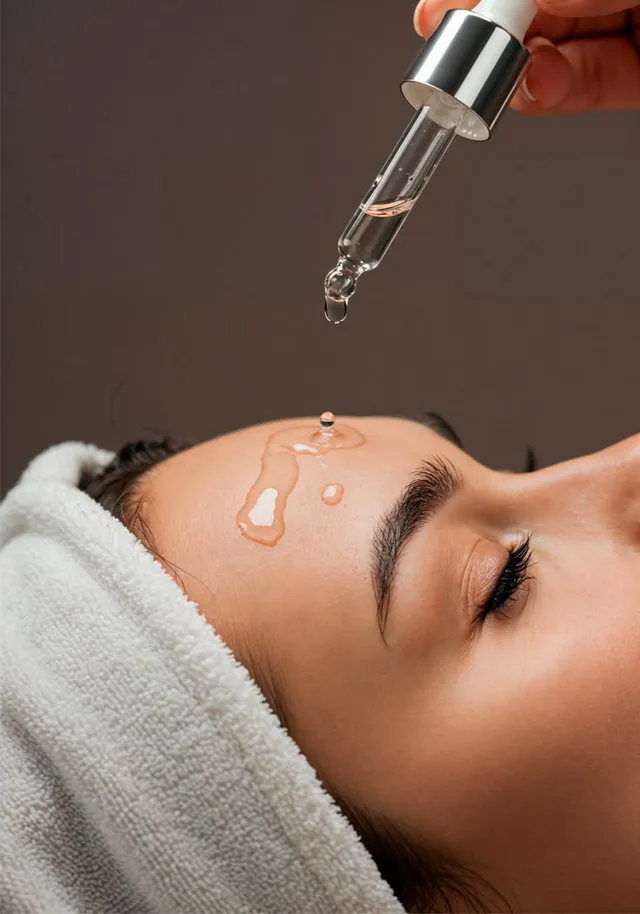
A superficial chemical peel can improve the appearance of dull skin by removing accumulated dead skin cells from the surface. This may make the skin appear smoother and more even.
Types of Chemical Peels
There are several types of chemical peeling agents used in professional skincare and dermatology. The appropriate option depends on the treatment objective and the patient’s skin.
Glycolic acid peels
Glycolic acid is an alpha hydroxy acid commonly used for superficial exfoliation. It may be considered for concerns such as dullness, uneven texture, and certain forms of pigmentation.
Salicylic acid peels
Salicylic acid is a beta hydroxy acid with properties that make it particularly relevant to oily and acne-prone skin. It may help with clogged pores and certain types of acne.
Lactic acid peels
Lactic acid is another alpha hydroxy acid that can be used for superficial exfoliation. It may be considered when the treatment goal involves improving skin texture and overall appearance.
TCA peels
Trichloroacetic acid, commonly known as TCA, can be used for deeper chemical peeling depending on concentration and treatment protocol. Because stronger peels can involve greater downtime and potential complications, they should only be performed under appropriate professional supervision.
Not every type of peel is appropriate for every patient. The name of an ingredient alone does not determine whether a treatment is suitable.
What Happens During a Chemical Peel Treatment?
A professional chemical peel generally begins with a consultation and skin assessment. This step allows the practitioner to understand the patient’s concerns, current skincare routine, previous treatments, sensitivity, and desired outcome.
The skin is then prepared before the peeling solution is applied. The treatment professional controls the application and exposure according to the selected protocol. Depending on the type of peel, the solution may be removed or neutralized after the appropriate exposure period.
After treatment, the skin may appear slightly red or feel warm, tight, or sensitive. Some peels cause visible peeling or flaking during the following days, while others produce little or no obvious peeling.
The exact experience depends on the depth and formulation of the peel as well as the individual’s skin response.
How Much Does a Chemical Peel Cost in Ho Chi Minh City?
The chemical peel price HCM City can vary considerably between treatments. There is no single price that applies to every patient because the total cost can depend on several factors.
These may include:
- Type of chemical peel
- Treatment depth and formulation
- Skin condition
- Treatment area
- Number of sessions recommended
- Professional assessment and follow-up
- Additional treatments included in the treatment plan
For this reason, a very low advertised price does not necessarily mean the treatment is appropriate for a particular skin concern.
If you are comparing the chemical peel cost HCM City, it is useful to ask what is included in the quoted price and whether the treatment has been selected following a professional skin assessment.
For an accurate treatment plan and current pricing, patients should contact the clinic directly for consultation.
How Many Chemical Peel Sessions Are Needed?
The number of chemical peel sessions depends on the individual’s skin condition and treatment goals.
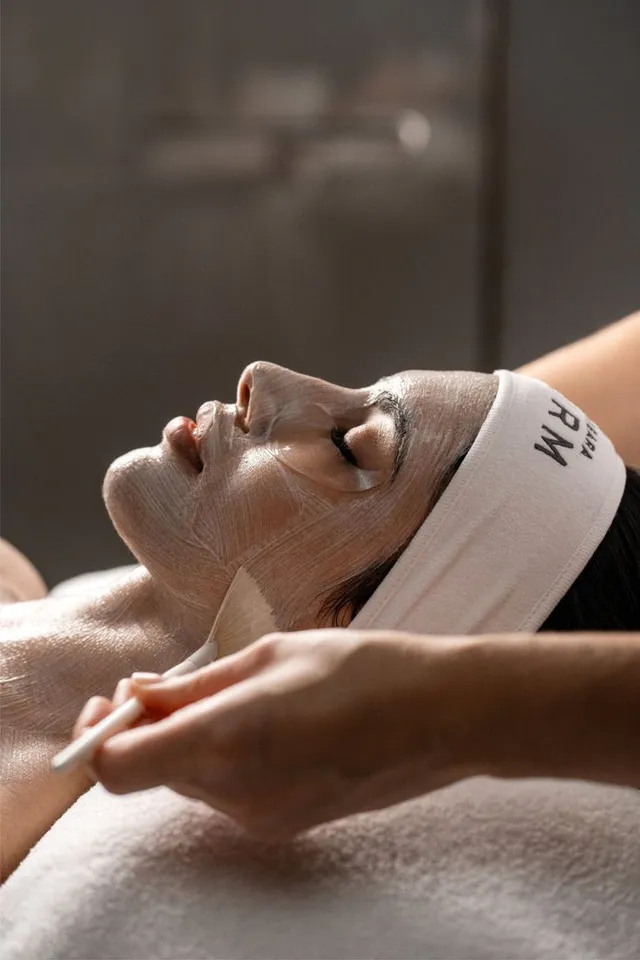
Someone seeking improvement in mild dullness may require a different approach from someone being treated for acne or pigmentation. The type of peel, skin response, and interval between treatments can also affect the overall plan.
It is generally better to follow a professionally designed treatment schedule rather than receiving repeated peels simply because the skin appears to respond well to exfoliation.
More treatment does not automatically mean better results. Maintaining the skin barrier and allowing adequate recovery between treatments are important parts of professional skin care.
Does a Chemical Peel Hurt?
The sensation during a chemical peel varies according to the product and depth of treatment.
A superficial peel may produce temporary tingling, warmth, or mild stinging. A deeper peel may cause more noticeable discomfort and generally requires more careful monitoring and aftercare.
Temporary redness, dryness, tightness, and flaking can occur after treatment. These effects are often part of the expected recovery process, but unusually severe pain, swelling, blistering, or other concerning symptoms should be assessed by a medical professional.
Chemical Peel Aftercare
Proper aftercare is essential for maintaining the skin barrier and reducing unnecessary irritation.
After a chemical peel, patients are generally advised to keep their skincare routine gentle. A mild cleanser and appropriate moisturizer may be recommended, while aggressive exfoliation should be avoided during recovery.
Sun protection is particularly important. Newly treated skin can be more sensitive to ultraviolet exposure, which may increase the risk of irritation and pigmentation.
Patients should also avoid picking or manually removing peeling skin. Letting the skin recover naturally can help minimize unnecessary trauma.
Your dermatologist or treatment professional may provide additional instructions depending on the type and depth of the peel.
Chemical Peel vs. Laser Treatment
Chemical peels and laser treatments are both used in professional dermatology, but they work differently.
A chemical peel uses a chemical solution to produce controlled exfoliation of the skin. Laser treatment uses specific wavelengths of light or energy to target selected skin structures.
The appropriate option depends on the problem being treated. Acne, pigmentation, scars, and skin aging can have different causes, so there is no single procedure that is universally suitable for everyone.
In some cases, different treatments may be used as part of a broader dermatological treatment plan. A professional assessment can help determine which approach is appropriate.
Why Choose Professional Chemical Peel Treatment in Ho Chi Minh City?
Choosing a professional clinic rather than performing a strong chemical peel independently can provide several important advantages.
First, the skin can be assessed before treatment. This is particularly important for people with sensitive skin, active inflammation, pigmentation disorders, or a history of adverse reactions.
Second, the treatment can be selected according to the patient’s specific concern rather than using a one-size-fits-all approach.
Finally, professional guidance provides clearer instructions for preparation, recovery, and aftercare.
For patients searching for chemical peel treatment HCM City, the quality of the consultation and treatment planning is just as important as the peeling solution itself.
Chemical Peel at Wedo Skin Clinic
If you are considering a chemical peel in Ho Chi Minh City, Wedo Skin Clinic can be considered as a destination for professional dermatological consultation.
Before undergoing treatment, patients should discuss their skin concerns, previous skincare or aesthetic treatments, allergies, current medications, and expectations with the clinical team. This information can help determine whether chemical peeling is appropriate and what type of treatment may be considered.
Rather than choosing a peel solely based on price or the name of an ingredient, a personalized assessment can help establish a treatment plan that considers both the desired outcome and skin safety.
Patients interested in chemical peeling can contact Wedo Skin Clinic to discuss their concerns and receive guidance on whether this treatment is suitable for their skin.
Frequently Asked Questions About Chemical Peel in Ho Chi Minh City
How much does a chemical peel cost in Ho Chi Minh City?
The price varies depending on the type of peel, treatment area, skin condition, and treatment plan. An exact cost should be confirmed directly with the clinic after assessment.
Is chemical peeling safe?
Chemical peels can be performed safely when the appropriate treatment is selected and carried out correctly. However, every procedure has potential risks, so professional assessment is important.
How long does a chemical peel take?
Treatment time varies according to the type and protocol. A professional consultation can provide a more accurate estimate.
How long does skin peel after treatment?
Some superficial treatments cause little visible peeling, while stronger treatments can cause more noticeable flaking for several days. Recovery varies between individuals.
Can chemical peels treat acne?
Certain chemical peels may help improve acne-prone skin and clogged pores. However, treatment should be selected according to the type and severity of acne.
Conclusion
A chemical peel HCM City can be considered for a range of concerns, including acne, post-acne marks, uneven pigmentation, dullness, and rough skin texture. However, the appropriate treatment depends on the individual’s skin condition, treatment goals, peel type, and expected recovery.
Rather than choosing a treatment based solely on price or treatment strength, professional assessment and appropriate aftercare should be key considerations. If you are exploring chemical peeling in HCMC, Wedo Skin Clinic can provide a starting point for discussing your skin concerns and determining whether professional chemical peel treatment is appropriate for you.
Follow the News section for more useful dermatology and skincare information.