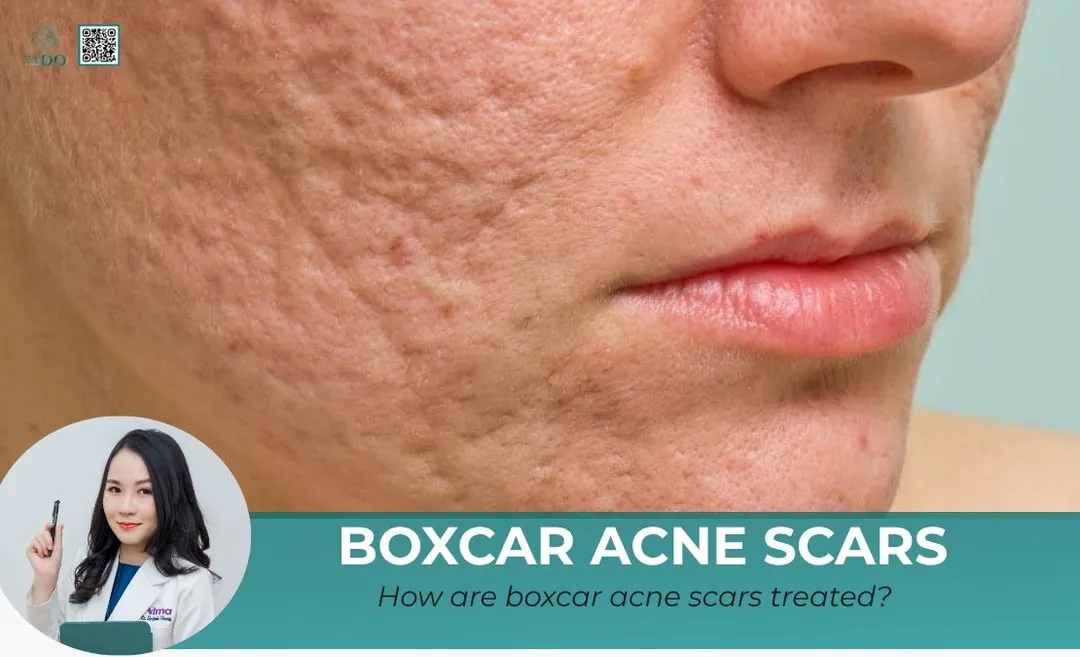
Post-treatment hyperpigmentation is the darkening of the treated area, creating uneven skin tone and affecting aesthetics. Without proper medical intervention, these “color patches” can persist for a long time and may worsen if the skin is not adequately protected.
Mechanism of Post-Inflammatory Hyperpigmentation (PIH) After Scar Treatment
Post-treatment hyperpigmentation, more accurately known as post-inflammatory hyperpigmentation (PIH), occurs when excess melanin is produced or distributed unevenly following an inflammatory response, leading to prolonged dark spots. These discolored areas are visible to the naked eye and can appear white, pink, red, purple, brown, or black—depending on skin tone and the depth of pigmentation.
PIH develops due to increased melanin production. Inflammation triggers the production and oxidation of arachidonic acid, which stimulates the release of inflammatory mediators such as leukotrienes, cytokines, chemokines, prostaglandins, and other inflammatory agents. These mediators activate melanocytes to produce more melanin and increase its transfer to surrounding skin cells.
PIH in the dermis can occur through two main mechanisms:
-
Mechanism 1: Inflammation damages the basal cell layer of the epidermis, causing melanin to be released into the dermal papillae. Macrophages in the dermis then engulf and store this melanin.
-
Mechanism 2: Macrophages migrate into the epidermis to engulf melanosomes, then return to the dermis. Melanin can remain in dermal macrophages for years.

Factors That Contribute to PIH After Scar or Acne Treatment
Any factor that causes skin injury or irritation can trigger PIH.
1. Invasive Procedures
Scar treatment techniques such as subcision or microneedling cause mechanical trauma, triggering localized inflammation and pigmentation halos that may spread beyond the treated area.
The severity of PIH depends on factors such as the depth of the procedure, laser pulse width, treatment heat levels, the interval between sessions (short intervals may not allow adequate healing), and the practitioner’s expertise.
2. UV Radiation
UV rays stimulate melanocytes to produce more melanin. Therefore, post-treatment patients must apply sunscreen regularly (in the correct amount, reapplying every 2–3 hours) and protect skin with physical barriers.

When going outdoors, apply sunscreen and protect your skin carefully to avoid the effects of UV rays.
3. Darker Skin Types
While PIH can affect all skin types, medium to dark skin tones are more prone to severe and long-lasting pigmentation. This is due to higher baseline melanin levels, which increase the risk of PIH.
Asian skin, classified as darker on the Fitzpatrick scale, has a higher PIH incidence—up to 50% of cases—and tends to present more severely compared to lighter skin tones.
4. Improper Post-Treatment Care
Treated skin is more sensitive and vulnerable. Picking at scabs or peeling the healing skin can exacerbate PIH.
Treatment Options for PIH
PIH treatment is typically long-term, ranging from 2–4 weeks or more depending on severity. Dermatologists may recommend single or combination therapies:
Laser Treatments
-
Erbium Laser
With a wavelength of 2940 nm, the Erbium laser delivers high-energy light that vaporizes damaged epidermal cells via photothermal effects. This stimulates the skin’s natural regeneration, replacing damaged tissue with healthy epithelial cells and improving pigmentation.
-
Fractional CO₂ Laser
Operating at 10,600 nm, this laser delivers concentrated heat to destroy damaged skin cells, remove melanin deposits, fade dark spots and age spots, and brighten skin tone.
Compared to the Erbium laser, CO₂ energy is less absorbed by water in the skin, allowing deeper penetration for enhanced skin remodeling.
Combining both Erbium and Fractional CO₂ lasers can yield superior PIH correction and skin rejuvenation results.
Mesotherapy
Specialized micro-needles deliver active ingredients directly into the skin, bypassing the stratum corneum. Common agents include tranexamic acid, vitamin C, glutathione, and antioxidants such as vitamins A and E. This technique requires high medical expertise to deliver actives precisely to targeted layers.
Chemical Peels
Peeling agents penetrate the skin to break down melanin clusters. For safety and efficacy, the choice and concentration of acids must match the PIH severity and skin characteristics. Mild to medium-depth peels commonly use glycolic acid, salicylic acid, or trichloroacetic acid (TCA).
How to Prevent PIH After Scar Treatment
To minimize PIH risk after scar or acne treatment, patients must strictly follow their dermatologist’s aftercare plan, including:
-
Topical depigmenting agents
Once post-treatment scabs have shed, apply creams containing melanin inhibitors such as tranexamic acid, vitamin C, or retinoids. Once the skin barrier is stronger, additional agents like kojic acid or arbutin may be introduced—always under professional guidance.
-
Sun protection
Combine sunscreen application with physical protection. Apply the correct amount for each area and reapply every 2–3 hours. Avoid sun exposure during peak hours when possible.
-
Cold compresses
A simple yet effective way to soothe skin, constrict blood vessels, relieve discomfort, and reduce inflammation. Wrap ice in a clean cloth and gently apply to treated areas.
Conclusion
PIH after treatment is common but manageable with proper skincare and professional guidance. Instead of worrying, view it as part of the healing process—where your skin simply needs more time and the right support to regain its healthy, even-toned appearance.
Frequently Asked Questions About PIH
1. Why does the treated area darken more than surrounding skin?
Because post-treatment skin is weaker and more sensitive, it is more prone to inflammation, triggering excess melanin production.
2. How long can PIH last without treatment?
It may persist for months or even longer, and can worsen if the skin is not protected from UV exposure.
3. Can lighter skin tones get PIH?
Yes, but the risk and severity are generally lower compared to medium or darker skin tones.
4. Does the interval between treatments affect PIH risk?
Yes. If sessions are too close together, the skin may not heal fully, increasing the risk of inflammation and PIH.
5. Should I self-apply skin-brightening products after scar treatment?
No. Active ingredients must be selected and prescribed by a dermatologist to avoid irritation or worsening pigmentation.