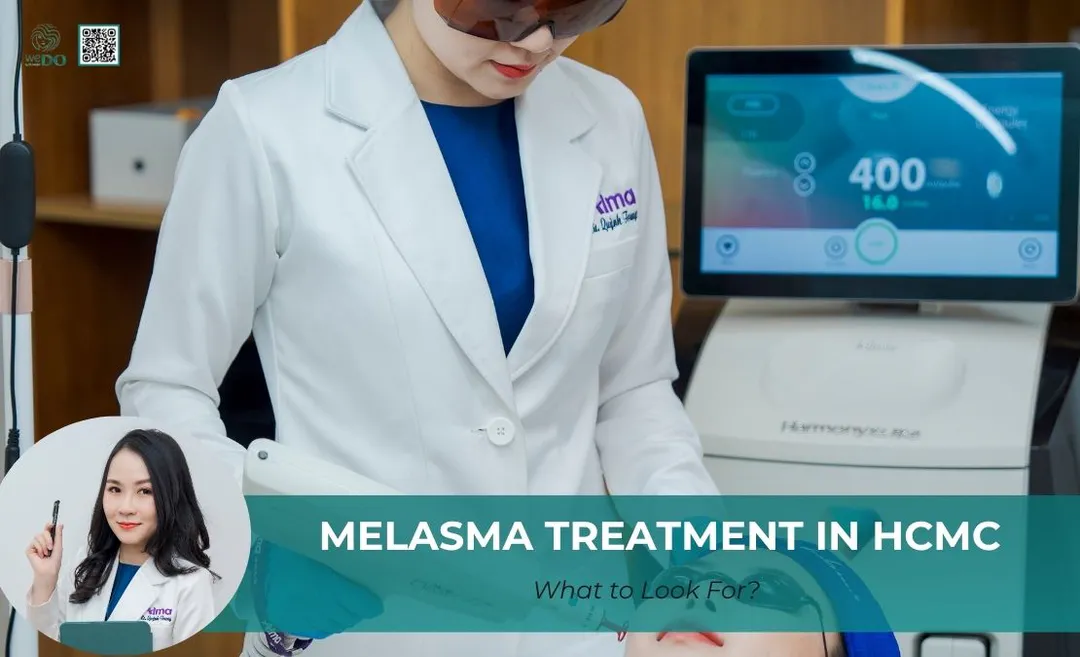
Melasma has become increasingly common among people living in Ho Chi Minh City, where intense UV exposure, heat, and a fast-paced lifestyle can all contribute to persistent pigmentation. Learn how to identify a trustworthy melasma treatment provider and what medical experts recommend for safer, more effective long-term results.
The Rising Need for Melasma Treatment in Ho Chi Minh City
For residents of Ho Chi Minh City, the need for Melasma Treatment in Ho Chi Minh City has grown steadily over recent years. This trend reflects not only environmental challenges unique to southern Vietnam but also increasing public awareness of evidence-based skin care and dermatologic treatment.
Ho Chi Minh City’s climate creates year-round pigment triggers
Unlike countries with four distinct seasons, Ho Chi Minh City experiences a tropical climate characterized by:
- High UV Index throughout most months of the year
- Average daily temperatures often exceeding 30°C (86°F)
- High humidity levels
- Strong sunlight during commuting hours
Continuous exposure to ultraviolet radiation remains one of the strongest environmental factors associated with melasma development and recurrence. Dermatology guidelines emphasize that both UVA and visible light can stimulate melanocytes, increasing melanin production even without sunburn.

According to the World Health Organization, excessive UV exposure contributes to multiple skin disorders, including pigmentary diseases, while the American Academy of Dermatology (AAD) recommends comprehensive photoprotection as a cornerstone of melasma management.
Modern lifestyles may worsen existing pigmentation
Environmental exposure is only one piece of the puzzle. Many working professionals in Ho Chi Minh City spend long hours under chronic psychological stress, experience irregular sleep schedules, and frequently transition between outdoor heat and heavily air-conditioned indoor environments. While these factors do not directly cause melasma, emerging evidence suggests they may contribute to oxidative stress and inflammatory pathways that influence pigmentation disorders in susceptible individuals.
Hormonal fluctuations—including pregnancy, oral contraceptive use, and menopause—remain among the strongest risk factors, particularly for women. Studies estimate that melasma affects women far more frequently than men, accounting for approximately 90% of diagnosed cases in many clinical populations.
People are becoming more selective when choosing a melasma clinic
Another noticeable change is not simply that more people seek treatment, but that patients are becoming better informed before making decisions.
Instead of relying solely on dramatic before-and-after photographs or heavily discounted packages, many patients now look for factors such as:
- Board-certified dermatologists with experience treating pigmentary disorders
- Evidence-based treatment protocols
- FDA- or CE-cleared laser technologies
- Transparent consultation and realistic expectations
- Long-term maintenance plans to reduce recurrence
This shift reflects a broader understanding that melasma is a chronic dermatological condition rather than a cosmetic blemish. International consensus statements consistently emphasize that complete and permanent removal cannot be guaranteed for every patient. Instead, the primary goals are pigmentation control, recurrence prevention, and improvement in quality of life.
How to Choose a Reliable Melasma Treatment Clinic in Ho Chi Minh City?
Melasma is widely recognized as one of the most challenging pigmentary disorders to manage because it is influenced by multiple biological mechanisms rather than a single cause. With the growing demand for Melasma Treatment in Ho Chi Minh City, patients are presented with an increasing number of aesthetic clinics and skin care centers. While greater accessibility is beneficial, it also makes it more difficult to distinguish between clinics that practice evidence-based dermatology and those that rely primarily on aggressive marketing or standardized treatment packages.
The following considerations may help patients identify a clinic that prioritizes safety, transparency, and sustainable clinical outcomes.
Dermatologist-led diagnosis should come before any treatment

Melasma is not a uniform condition. Dermatologists typically classify it into epidermal, dermal, mixed, or indeterminate melasma, each with different responses to treatment. In addition, other pigmentary disorders—including post-inflammatory hyperpigmentation, acquired dermal melanocytosis, and solar lentigines—may resemble melasma but require different therapeutic approaches.
Beginning treatment without an accurate diagnosis may lead to inappropriate laser settings, unnecessary procedures, or delayed improvement.
A qualified dermatologist should evaluate several factors before recommending treatment, including:
- Melasma subtype and depth
- Distribution pattern and severity
- Skin phototype
- Previous treatment history
- Hormonal or medical contributors
- Daily UV and visible light exposure
- Risk of post-inflammatory hyperpigmentation (PIH)
When indicated, diagnostic tools such as Wood’s lamp examination or dermoscopy may provide additional information about pigment distribution, although clinical examination remains the cornerstone of diagnosis.
Evidence-based technology matters—but only in experienced hands
Laser and light-based technologies have significantly expanded treatment options for melasma over the past decade. However, technology alone does not determine clinical success. Current international recommendations generally advocate a multimodal approach, combining topical medications, strict photoprotection, oral therapy when appropriate, and carefully selected energy-based devices for suitable patients.
Several laser systems have demonstrated clinical value in selected cases, including low-fluence Q-switched Nd:YAG lasers and picosecond lasers. Nevertheless, these devices require careful patient selection and conservative treatment parameters because excessive energy delivery may worsen pigmentation instead of improving it.
This is particularly relevant for individuals with Fitzpatrick skin types III–V, which are common among Vietnamese and other Southeast Asian populations. These skin types are naturally more susceptible to post-inflammatory hyperpigmentation following excessive thermal injury.
Rather than asking whether a clinic owns the “latest” laser platform, patients may benefit more from asking:
- Is the device FDA-cleared or CE-certified?
- Does the physician have experience treating Asian skin?
- How are treatment parameters individualized?
- Is laser therapy combined with topical maintenance?
- What measures are taken to minimize recurrence?
The goal should be controlled pigment reduction while preserving the integrity of the skin barrier—not simply delivering the highest laser energy possible.
Long-term management is more important than rapid whitening
One of the most common misconceptions is that melasma can be permanently removed after one or two laser sessions.
In reality, melasma is considered a chronic relapsing disorder. Even after successful treatment, pigmentation may recur because the underlying melanocyte activity remains sensitive to ultraviolet radiation, hormones, inflammation, and visible light.
For this reason, reputable clinics usually emphasize long-term management rather than promising immediate or permanent clearance.
Transparency reflects medical professionalism

Clinical excellence extends beyond technology.
Patients should receive clear explanations regarding:
- Expected improvement rather than guaranteed cure
- Potential side effects
- Estimated treatment duration
- Number of sessions likely required
- Financial transparency
- Post-treatment care
- Risk of recurrence
A clinic that openly discusses these aspects demonstrates a greater commitment to informed decision-making than one that focuses solely on promotional outcomes.
In many cases, setting realistic expectations contributes significantly to patient satisfaction because melasma management is measured by gradual, sustained improvement rather than dramatic overnight changes.
Wedo Skin Clinic: A Trusted Choice for Melasma Treatment in Ho Chi Minh City
For patients seeking Melasma Treatment in Ho Chi Minh City, Wedo Skin Clinic is one of the dermatology clinics that places these principles at the center of its clinical practice. Rather than relying on a one-size-fits-all approach, the clinic focuses on physician-led diagnosis and evidence-based treatment protocols tailored to each patient’s skin condition.
Every treatment plan begins with a dermatologist’s assessment
Melasma can present differently from one patient to another. Epidermal, dermal, and mixed melasma often respond differently to treatment, while conditions such as post-inflammatory hyperpigmentation or acquired dermal melanocytosis may resemble melasma clinically.
For this reason, patients at Wedo Skin Clinic undergo a comprehensive dermatological consultation before treatment begins. The assessment typically considers:
- Melasma type and pigment depth
- Fitzpatrick skin phototype
- Previous treatment history
- Lifestyle and occupational UV exposure
- Hormonal and medical history when relevant
- Individual risk of post-inflammatory hyperpigmentation (PIH)
This diagnostic-first approach helps physicians determine whether laser therapy, topical medication, oral treatment, or combination therapy is the most appropriate option rather than recommending the same procedure for every patient.
Modern technology supports—but never replaces—clinical expertise

While advanced laser systems have expanded treatment possibilities, their effectiveness depends heavily on appropriate patient selection and physician experience.
Wedo Skin Clinic utilizes medical devices from internationally recognized manufacturers, with systems that have received regulatory certifications such as FDA clearance and CE marking, depending on the specific platform. These technologies are selected according to each patient’s pigmentation pattern and treatment objectives rather than being routinely applied to all cases.
Depending on clinical indications, physicians may combine multiple therapeutic modalities, including:
- Medical-grade topical depigmenting therapy
- Laser treatment for selected pigmentation patterns
- Skin barrier restoration
- Strict photoprotection
- Long-term maintenance strategies
This multimodal philosophy aligns with international consensus recommendations, which increasingly recognize that successful melasma management requires addressing both visible pigmentation and the biological mechanisms driving recurrence.
Equally important, treatment parameters are adjusted according to the characteristics of Asian skin, where excessive laser energy may increase the risk of post-inflammatory hyperpigmentation if not carefully controlled.
Continuity of care is essential for chronic pigmentation
Unlike many cosmetic concerns that can be resolved after a single procedure, melasma often requires ongoing monitoring and treatment adjustments.
At Wedo Skin Clinic, follow-up appointments allow dermatologists to evaluate pigment response, monitor skin tolerance, and modify treatment protocols when necessary. This continuous assessment helps reduce unnecessary procedures while supporting gradual and sustainable improvement.
Patient experience extends beyond clinical treatment
Although physician expertise remains the most important factor, patient experience also plays a meaningful role in treatment adherence.
Managing melasma often requires multiple visits over several months. Clear communication, realistic expectation setting, and consistent support throughout treatment can improve patient confidence and encourage long-term compliance.
Risks of Choosing the Wrong Provider for Melasma Treatment
Melasma is one of the most difficult pigmentary disorders to treat because its underlying causes extend beyond visible skin discoloration. Without an accurate diagnosis and an individualized treatment plan, patients may experience unsatisfactory results or even worsening pigmentation.
One of the most common risks is post-inflammatory hyperpigmentation (PIH), which may occur when laser settings are inappropriate or when treatment is performed too aggressively, particularly in Asian skin types. In some cases, repeated procedures can also compromise the skin barrier, leading to prolonged redness, irritation, or delayed recovery.
Another concern is unrealistic treatment promises. Claims such as “permanent melasma removal” or “complete clearance after one session” are not supported by current dermatology evidence. International consensus recognizes melasma as a chronic relapsing condition, meaning that long-term management—including sun protection and maintenance therapy—is often necessary to reduce recurrence.
For individuals seeking Melasma Treatment in Ho Chi Minh City, choosing a clinic based solely on promotional pricing or social media advertising may increase the likelihood of unnecessary procedures and inconsistent outcomes. A dermatologist-led approach, supported by evidence-based protocols and certified medical technology, remains the safest strategy for achieving gradual, sustainable improvement.
Conclusion
When evaluating options for Melasma Treatment in Ho Chi Minh City, patients should look beyond promotional offers and focus on clinical expertise, evidence-based treatment protocols, certified technology, and ongoing follow-up care. These principles not only improve treatment outcomes but also help reduce the risk of recurrence and unnecessary complications.
FAQ
1. How many sessions are usually needed for melasma treatment?
The number of sessions varies depending on the type and severity of melasma, the patient’s skin type, and the treatment method used. Most patients require multiple sessions combined with long-term maintenance rather than a single procedure.
2. Can laser treatment permanently remove melasma?
No. Current evidence indicates that laser therapy can improve pigmentation in selected patients, but melasma is a chronic condition with a risk of recurrence. Long-term sun protection and maintenance therapy remain essential.
3. Is melasma treatment safe for Asian skin?
Yes, when treatment is performed by experienced dermatologists using appropriate protocols. Because Asian skin has a higher risk of post-inflammatory hyperpigmentation, careful patient selection and conservative treatment parameters are particularly important.
4. What should I look for in a melasma clinic in Ho Chi Minh City?
Patients should prioritize dermatologist expertise, evidence-based treatment protocols, certified medical devices, transparent consultations, and structured follow-up care rather than choosing a clinic based solely on promotional pricing.
5. Can melasma return after successful treatment?
Yes. Even after significant improvement, melasma may recur due to continued exposure to ultraviolet radiation, hormonal changes, visible light, or other triggers. Regular maintenance and consistent sun protection are key to sustaining results.
Follow News for more!
Related articles: