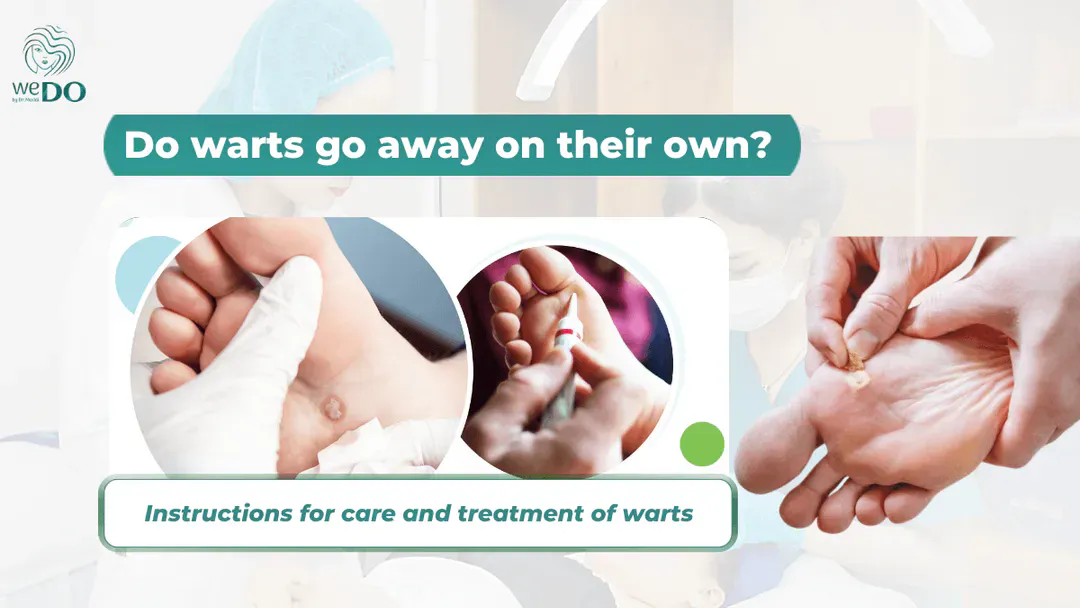
Warts are skin lesions caused by the HPV virus, which can appear in various locations and affect people of all ages. So, do warts go away on their own, or is medical intervention needed for complete treatment? The article below will help you understand the causes, characteristics, and risks of different types of warts, enabling you to choose the appropriate care and treatment approach.
What are warts? Are they dangerous?
Warts (verruca) are benign skin lesions caused by the HPV virus, which triggers excessive growth of keratinized cells. The virus typically enters through small cuts or abrasions, especially in moist or frequently rubbed skin areas. Once inside, the virus stimulates abnormal epithelial growth, forming small growths on the skin surface.
These lesions typically range from a few millimeters to a few centimeters in size, with a color matching the skin or slightly darker, a rough or bumpy surface, and can spread if not properly controlled.
Warts are rough skin growths caused by the HPV virus, with several common types:
- Common warts: Rough, cauliflower-like growths, typically found on hands, elbows, or knees. They are rarely painful but highly contagious.
- Flat warts: Smooth, flat, pale yellow/pink/brown growths, small in size, appearing in clusters on the face, neck, or limbs. Commonly seen in children and adolescents.
- Plantar warts: Found on the soles or heels, causing pain when walking, often mistaken for calluses but with tiny black dots.
- Filiform warts: Long, thread-like growths around the eyes, lips, or chin, affecting aesthetics and highly contagious.
- Genital warts: Cauliflower-like or warty growths spread through sexual contact, appearing in the genital or anal areas. Certain HPV strains that cause genital warts may lead to cancer if untreated.
Are warts contagious?
Warts are contagious, spreading through direct skin-to-skin contact with an infected person or indirectly via shared items like towels, shoes, or razors. Areas of moist or abraded skin or those with weakened immunity are more susceptible to the virus. Additionally, warts can spread from one area to another on the same body if not properly managed.
Most warts are benign but can cause pain, discomfort, aesthetic issues, and are prone to recurrence. Genital warts, in particular, require serious treatment due to their association with cancer risk if prolonged. Therefore, you should not be complacent or attempt home treatments without guidance from a dermatologist.

Do warts go away on their own?
The answer is yes, warts can disappear on their own without treatment, but this process can take a significant amount of time and does not always occur.
When can warts resolve on their own?
According to dermatologists, warts may disappear spontaneously in individuals with strong immune systems, particularly children and adolescents. Medical statistics suggest that about 60% of warts in children may resolve within two years without leaving significant traces.
Small, isolated lesions in areas not subject to friction are more likely to heal spontaneously. Conversely, warts in high-pressure areas (soles, fingers) or in clusters are more likely to persist and spread.
The time for warts to resolve naturally ranges from a few months to two years or longer. Children typically recover faster than adults. However, no method can accurately predict when warts will disappear, as it depends entirely on an individual’s immune response to the specific HPV strain.
How do children and adults differ in the likelihood of warts resolving?
In children, the immune response against HPV is often stronger, leading to a higher likelihood of warts resolving compared to adults. Children also have fewer risk factors for reduced immunity, such as chronic stress, chronic diseases, or immunosuppressive medications.
In contrast, adults often require medical intervention because warts tend to be more persistent, spread, or recur after treatment. Therefore, for adults, doctors recommend early treatment to control the condition and ensure long-term effectiveness.
Why choose active treatment instead of waiting for warts to resolve?
While warts may disappear on their own, this can take a considerable amount of time. Waiting can lead to several consequences, including:
- Risk of spreading: The HPV virus can spread to healthy skin areas, especially if the patient scratches, cuts, or has close contact with others.
- Skin tissue deformation: Warts can grow larger, become keratinized, affect aesthetics, or interfere with daily activities, especially on hands, feet, or the face.
- Secondary damage: Inflammation, bleeding, or secondary infections from improper home care can worsen the condition.
- High recurrence risk: If not thoroughly removed with specialized techniques.
Therefore, treating warts with medical methods such as cryotherapy, CO₂ laser, electrocautery, or specialized medications helps better control lesions, reducing the risk of spreading and long-term complications.

Thus, timely examination and treatment by a dermatologist are crucial to minimizing complications while ensuring effective and safe wart removal.

Post-treatment wart care
After wart treatment, dermatologists typically recommend proper body care using the following methods to prevent recurrence:
Maintain hygiene in the treated area
After wart treatment, patients should clean the treated area with antiseptic solutions or saline as per professional guidance. This helps maintain a clean environment, reducing the risk of secondary infections and supporting skin tissue regeneration.
Avoid mechanical impact on the treated area
Patients should avoid scratching, picking at scabs, or applying force to the healing skin. These habits can damage newly formed tissue, leading to inflammation, delayed healing, and scarring.
Minimize friction and pressure on the affected area
Patients should avoid wearing tight clothing or engaging in activities that cause friction on the treated area. Continuous mechanical force can damage new epithelium and prolong recovery time.
Protect skin from UV exposure
After wart treatment, protect the skin from sunlight and use broad-spectrum sunscreen if permitted by the doctor. UV rays can cause post-inflammatory hyperpigmentation, affecting the aesthetic outcome of the treatment.
Follow treatment guidelines and the re-examination schedule
Patients must strictly adhere to the prescribed treatment plan and follow-up schedule. Post-treatment monitoring helps assess clinical response, detect complications early, and manage recurrence risks.

How to prevent wart recurrence
To reduce the risk of recurrence after treatment, pay attention to the following preventive measures:
- Keep skin clean and dry, especially on hands and feet, areas prone to HPV infection.
- Avoid sharing personal items such as razors, towels, or shoes, especially with individuals who have suspected wart lesions.
- Avoid nail-biting, scratching, or causing abrasions, as these are entry points for the HPV virus.
- Avoid direct contact with wart-affected skin on others.
- Boost immunity through a healthy diet, adequate sleep, and stress reduction, as the immune system plays a critical role in controlling the HPV virus.
Returning to the question “Do warts go away on their own?”, the answer is that they can, but not in all cases. A strong immune system may eliminate the HPV virus causing warts, particularly in children and those with good resistance. However, most wart cases require specialized treatment to prevent spreading, reduce complications, and limit recurrence. It’s best to proactively consult a dermatologist and follow the prescribed treatment plan for a safer, more effective, and longer-lasting recovery.
WeDo District 1 – Tran Doan Khanh Street
- Hotline/Zalo/Whatsapp: 0898898875
- Address: 11 Tran Doan Khanh Street, Da Kao Ward, District 1, HCMC
WeDo District 2 – Thai Thuan Street
- Hotline/Zalo/Whatsapp: 0707196622
- Address: 17 Thai Thuan Street, An Phu Ward, Thu Duc City, HCMC