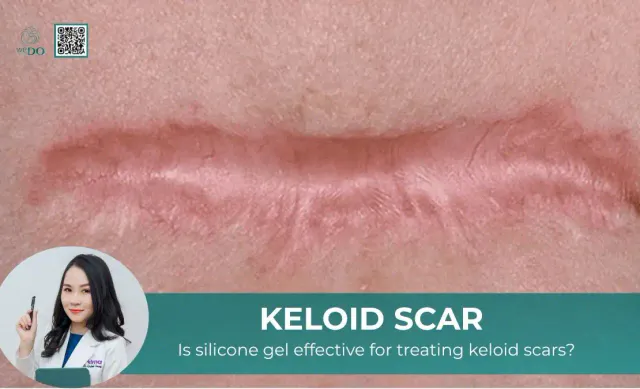
Is silicone gel effective for treating keloid scars? For individuals with keloid scars, can topical treatments help flatten the scar? This is a common concern, as topical therapy is both cost-effective and non-invasive. If you are also curious, refer to the article below to find the answer.
Is silicone gel effective for treating keloid scars?
The effectiveness of silicone gel for keloid scars depends largely on its ingredients and the severity of the scar. In cases of new or mild scars, scar gels may help flatten and fade the lesion. However, for large and long-standing keloids, using topical gel alone is unlikely to provide significant improvement.
If you have recently sustained a wound, completed the scab-shedding phase, and are entering early scar formation, early application is recommended to enhance efficacy. Typically, noticeable improvement may appear after 4–8 weeks of use. This duration can vary depending on individual predisposition and product formulation. Specifically, individuals with darker skin tones have up to a 15-fold higher risk of developing keloids compared to those with lighter skin. Moreover, people prone to keloid formation may develop keloids even from minor injuries such as needle punctures.

Topical treatment should be used under medical advice, particularly in pregnant or breastfeeding women.
Conversely, if the scar is hypertrophic or long-standing and topical therapy is ineffective, you should consult a dermatologist for further evaluation and alternative treatments such as intralesional injections, laser therapy, surgery, or cryotherapy.
Important considerations when choosing silicone gel for keloid scars
There are many scar gels on the market with diverse and appealing claims, which can make selection confusing. To ensure safety, consider the following:
- Choose products that have been clinically tested.
- Select products appropriate for your skin condition; consultation with a dermatologist is recommended.
- Prioritize formulations that dry quickly, absorb well, and do not leave a sticky residue.
Notes when using silicone gel for keloid scars
How you use the product can affect the final outcome. To optimize efficacy, ensure the following:
- Follow usage instructions: Use the correct dosage, duration, and application method. Do not combine multiple topical treatments without medical guidance.
- Combine with comprehensive skin care: Do not rely solely on scar gel. Proper care includes keeping the scar area clean, protecting it from direct sun exposure with appropriate sunscreen, and avoiding friction or further trauma.
- Be patient: Keloid treatment requires time, especially with topical therapy. Continue treatment for the recommended duration rather than stopping early or switching products prematurely.

Keloids form as a result of excessive healing after skin injury. Collagen production exceeds what is necessary, causing the affected area to become raised and form a keloid scar. Although this process is strongly influenced by individual predisposition, appropriate care can help minimize the risk. Specifically:
- Keep the wound clean: Wash the wound with mild soap and clean water to remove bacteria.
- Maintain hydration: This helps prevent dryness and scar formation, while also reducing the risk of wound worsening, post-inflammatory hyperpigmentation, and itching.
- Protect with dressings: After cleaning, cover the wound with sterile gauze to keep it clean and protect it from environmental factors. Change the dressing daily to ensure hygiene.
- Special care for surgical wounds: Before suture removal, strictly follow your physician’s instructions.
- Apply sunscreen: Once the wound has fully healed, apply sunscreen to protect against UVA and UVB damage and reduce the risk of hyperpigmentation.
Conclusion
Silicone gel for keloid scars may help improve the appearance of newly formed, uncomplicated scars. For long-standing or large keloids, combination therapy following a dermatologist-directed treatment plan is recommended.
Follow the News section for more useful information.
Related articles: