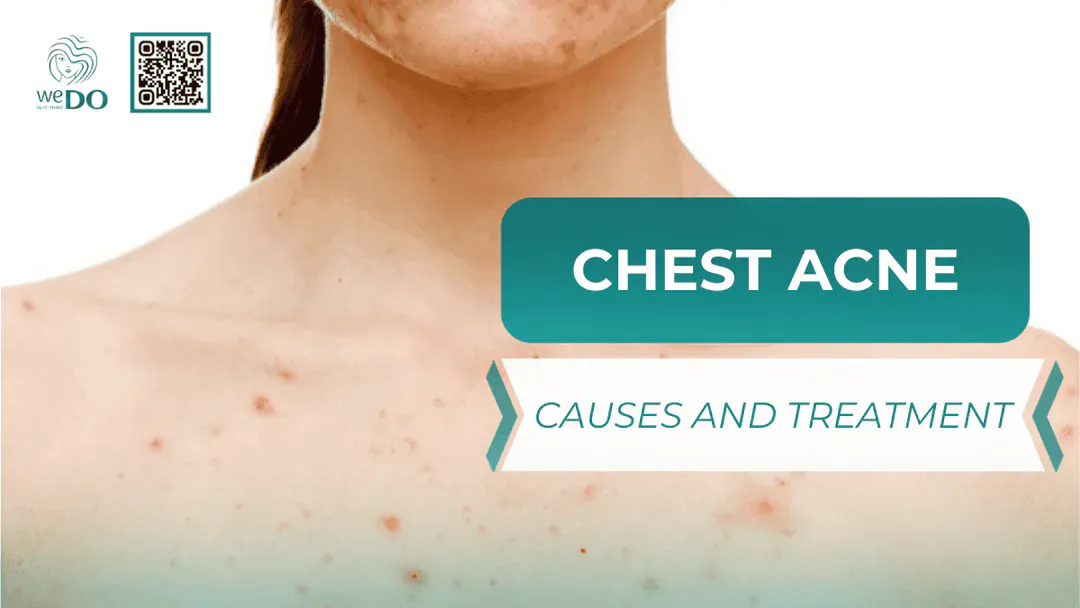
Acne does not only appear on the face—it can also develop on other areas of the body, including the chest. According to some perspectives, acne in different locations may reflect imbalances within the body. So, what causes chest acne, and how can it be effectively treated?
Causes of Chest Acne
There are multiple intrinsic and extrinsic factors that contribute to acne on the chest, ranging from small bumps to large inflamed lesions. These causes can be categorized into two main groups:
Clogged pores
-
Improper hygiene: The chest has numerous sebaceous glands and active sweat production. Without thorough cleansing, excess oil, sweat, and impurities can accumulate, leading to clogged pores and acne—especially in individuals who sweat heavily or are frequently outdoors.
-
Lack of exfoliation: Regular body washes may not remove all excess oil, leaving debris and bacteria trapped in the follicles. In addition, certain harsh ingredients in body cleansers can irritate the skin and trigger breakouts.

Hormonal imbalance
Hormonal fluctuations are common in adolescence due to increased activity of sex hormones, which stimulate sebum overproduction and clog pores. They may also occur during pregnancy or perimenopause.
Triggers of hormonal imbalance include:
- High sugar intake
- Chronic stress, sleep deprivation, or anxiety, which elevate cortisol and androgen levels, increasing sebum secretion and skin inflammation
- Underlying conditions such as polycystic ovary syndrome (PCOS), diabetes, and thyroid disorders
Effective Treatments for Chest Acne
Since every individual’s skin and lifestyle differ, treatment must be tailored accordingly. Consulting a dermatologist is essential to determine the underlying cause and receive a personalized treatment plan. Depending on the case, the dermatologist may recommend one or a combination of the following therapies:
Chemical peel – INNO ESTHETICS
This advanced biorevitalizing peel combines salicylic acid, mandelic acid, Vitamin A, and other active ingredients to remove dead cells, deeply cleanse pores, and stimulate healthy skin regeneration. It not only improves acne but also enhances skin texture and absorption of topical skincare.

A non-invasive technology that uses laser light to target acne-causing bacteria and reduce inflammation. After several sessions, patients can notice visibly clearer and healthier-looking skin.

LED Light Therapy – CELLUMAR
This method uses different LED wavelengths to treat acne effectively. Blue light helps eliminate P. acnes bacteria, while red light promotes skin repair and reduces inflammation.
Premium LED Photocare
Unlike conventional LED therapy, this technology penetrates deeper into the skin to stimulate collagen production, minimize post-acne pigmentation, and refine pores. Along with clearing acne, it enhances overall skin quality for a brighter, smoother, and more even complexion.
Medical treatments
For severe or persistent cases, dermatologists may prescribe topical or oral medications such as antibiotics, retinoids, or hormonal therapy. The specific regimen must be carefully selected based on each patient’s condition and skin type.
How to Prevent Chest Acne
To maintain smooth and acne-free chest skin, lifestyle adjustments and preventive care are crucial:
-
Maintain proper hygiene: shower regularly and wear clean clothes.
-
Use body washes with salicylic acid, exfoliate periodically, and apply lightweight, non-comedogenic moisturizers.
-
Wear breathable, sweat-absorbent fabrics; avoid tight clothing, especially in hot weather.
-
Adopt a balanced diet rich in vitamins A, C, and E; reduce intake of sugar, dairy, oily foods, and processed products; and drink plenty of water.
-
Exercise regularly to improve circulation.
-
Wash bedding frequently to reduce bacteria and dirt buildup.
-
Avoid scratching or touching acne lesions with unwashed hands to prevent infection, dark spots, or scarring.