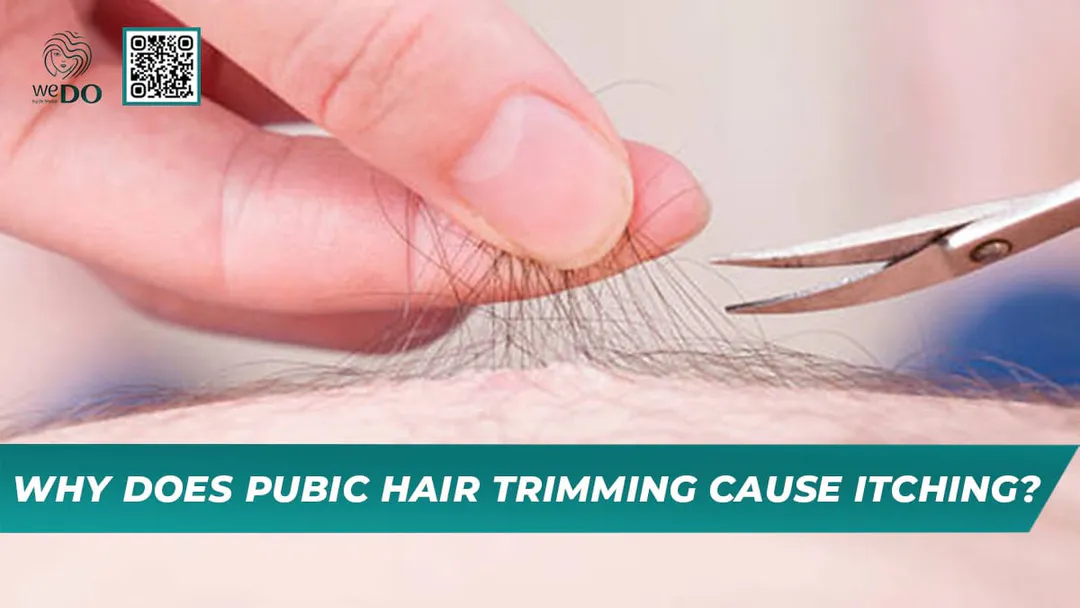
Trimming pubic hair is a common personal grooming habit that helps keep the intimate area clean, neat, and more aesthetically pleasing. However, many people experience itching or stinging sensations afterward, causing discomfort and concern. So, why does pubic hair trimming cause itching? Is it a normal reaction of the body or a warning sign of irritation or infection? In this article, Wedo Skin Clinic explains the causes of this condition and provides effective solutions to prevent it.
Itching After Trimming Pubic Hair
After trimming pubic hair, the skin may react immediately or within a few hours. The most common symptoms are tingling, mild stinging, or itching. Some people also notice that their skin becomes more sensitive, especially when wearing tight clothing or engaging in physical activities.
The skin surface may appear slightly red and itchy when hair starts to regrow. For sensitive skin, these symptoms can be more noticeable, leading to persistent irritation and the urge to scratch.

In some cases, small red bumps may appear, especially in areas with thick hair or where the trimming was very close to the skin. Although these reactions are usually mild and not dangerous, they can still cause discomfort—especially in warm or humid conditions.
Why Does Pubic Hair Trimming Cause Itching?
Many people trim pubic hair to maintain hygiene and improve aesthetics. However, itching afterward can result from several causes.
Unhygienic Trimming Tools
Using tools that aren’t properly sterilized allows bacteria to enter the skin, leading to inflammation, irritation, and itching. Moreover, if the blades are too sharp or handled carelessly, they can cause tiny cuts or scratches, resulting in redness, swelling, and infection.
Improper Hygiene After Trimming
After trimming, the skin loses part of its natural protective barrier, becoming more sensitive. Without proper cleansing, sweat and bacteria can accumulate, especially when wearing tight clothing. This increases the risk of itching, folliculitis, and even vaginal infections.

Reaction to Hair Removal or Cleansing Products
Some people use hair removal creams, gels, or cleansers containing fragrance, alcohol, or harsh chemicals after trimming. These ingredients can disrupt the pH balance of the intimate area, especially for those with sensitive skin or a history of contact dermatitis, resulting in itching or irritation.
Trimming Too Frequently
Frequent trimming is another common cause of post-trim itching. Repeated mechanical friction from the razor can damage hair follicles, leading to inflammation, redness, and discomfort. Additionally, the skin may not have enough time to recover between sessions, making it more sensitive and prone to irritation or infection.
Using a Dull Blade
When trimming tools become dull, they fail to cut hair cleanly. This forces you to shave over the same area multiple times, causing micro-abrasions and irritation. The result is often a burning or stinging sensation and the appearance of red bumps shortly after trimming.

Methods to Remove Pubic Hair Without Causing Itching
After understanding what causes the irritation, the next step is choosing a safe and effective hair removal method that minimizes discomfort and skin reactions. Below are two modern technologies recommended by Wedo Skin Clinic for smooth, irritation-free results.
| Criteria | Laser Alma Harmony | OTP-light SHR |
|---|---|---|
| Operating Principle | Uses selective photothermal laser energy that directly targets melanin in hair follicles for deep root destruction | Utilizes multi-pulse OPT light with continuous low-energy pulses to gradually weaken follicles without burning |
| Depth of Action | Deep and precise penetration into follicles for permanent removal | Gentle, evenly distributed energy on the skin surface — ideal for sensitive skin |
| Treatment Sensation | Mild warmth, virtually painless due to advanced cooling system | systemSmooth and comfortable, no stinging or burning like older IPL methods |
| Hair Removal Effectiveness | 90–95% reduction after the full course, with long-lasting results | 80–90% reduction, slower regrowth and finer hair |
| Suitable Skin Types | All skin tones, including darker skin | Sensitive, thin, or easily irritated skin |
| Treatment Duration | Quick — around 20–30 minutes for bikini area | Similar — about 20–25 minutes per session |
| Post-treatment Itching | Very low risk due to cooling and skin regeneration support | Almost none — extremely safe for intimate areas |
Conclusion
Itching after trimming pubic hair is common and generally harmless if you care for the skin properly. However, if itching persists, or you notice redness, pain, swelling, or small pustules, stop using any products immediately and consult a dermatologist or professional clinic to prevent infection.
Related Articles
- 5 Reasons Why You Should Choose High-Tech Bikini Hair Removal
- Permanent, non-invasive hair removal technologies
Frequently Asked Questions
1. Should I scratch when my pubic area itches after trimming?
No. Scratching can damage the skin and cause inflammation or bacterial infection.
2. Can I use ice to relieve itching after shaving?
Yes. Gently applying a cold compress helps reduce redness and itching instantly. Be sure to wrap the ice in a clean towel to avoid frostbite or contamination.
3. How to tell the difference between irritation and infection?
Irritation usually causes mild redness and itching that resolves in 1–2 days.
If symptoms include swelling, discharge, blisters, or unpleasant odor, it may be an infection — see a dermatologist immediately.
4. Should I apply moisturizer after trimming?
Yes. Use a gentle, fragrance-free moisturizer or aloe vera gel to soothe the skin and reduce dryness and itching. Avoid alcohol or perfume-based products.
5. Does trimming make hair grow faster and thicker?
No. The hair may appear coarser because the cut ends are blunt, but trimming does not change the growth rate or thickness of hair.