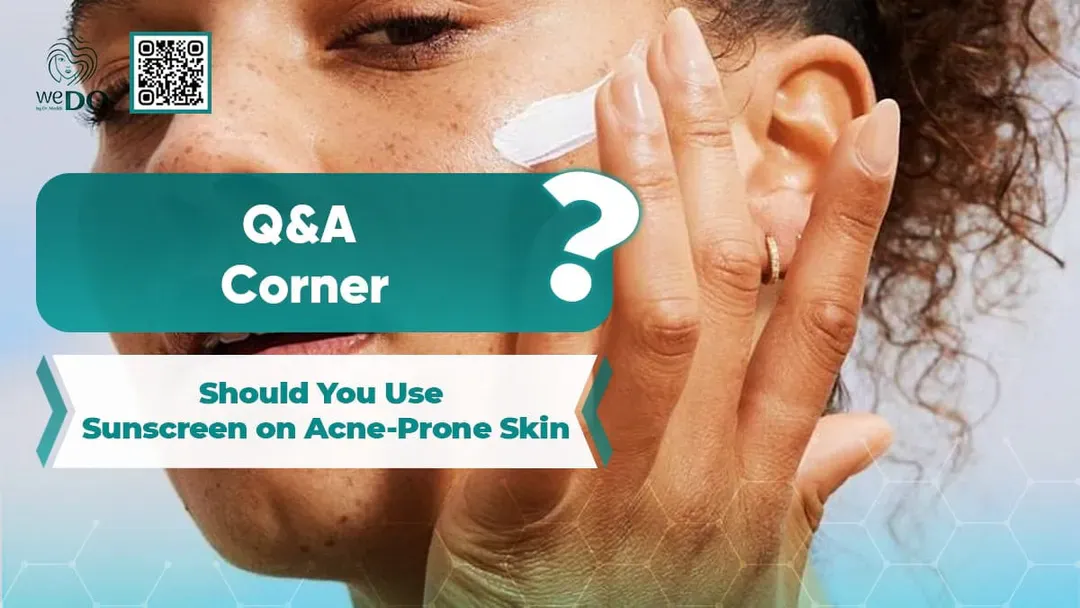
When your skin is breaking out, many people worry that applying sunscreen will clog pores and worsen acne. However, sunlight contains UV rays that can darken the skin, cause hyperpigmentation, and lead to facial redness. So, should you really use sunscreen on acne-prone skin? And if so, which type should you choose to both protect your skin and support acne treatment? This article from Wedo Skin Clinic will help you find the most accurate answer.
Should You Use Sunscreen on Acne Prone Skin?
The answer is definitely YES. Many people think sunscreen will make the skin oilier and cause more breakouts, but that’s not the case. UV rays can penetrate clouds and glass, directly affecting acne lesions—slowing the healing process, darkening post-acne marks, and making them fade more slowly. At the same time, UV rays silently break down collagen and elastin, weakening the skin, accelerating aging, and increasing the risk of pitted or dark scars.
Especially during acne treatment with exfoliating or skin-renewing active ingredients, the skin becomes more sensitive and easily irritated by sunlight. Applying sunscreen daily provides comprehensive protection, shielding acne-prone skin from UV rays while creating the ideal environment for recovery and regeneration.

How to Choose the Right Sunscreen for Acne-Prone Skin
Choosing the right sunscreen is crucial when dealing with acne. The wrong product can clog pores, cause breakouts, or trigger irritation. The right sunscreen will protect against the sun and help support acne treatment. Here are key factors to consider:
-
Oil-free formula: Reduces the risk of pore blockage, a major cause of acne formation and inflammation.
-
Lightweight texture: Opt for gel, lotion, or fluid types that absorb quickly without feeling greasy or heavy.
-
Avoid irritants: Stay away from products with drying alcohol, fragrance, mineral oils, or parabens.
-
Suitable SPF & PA rating: SPF 30–50 for effective UVB protection, PA+++ or higher for UVA protection.
-
Extra skin benefits: Ingredients like Niacinamide (anti-inflammatory), green tea extract (antioxidant), and allantoin (soothing, healing) can boost skin recovery.
-
Trusted brands: Prioritize dermatologist-recommended and clinically tested formulas for acne-prone skin.
Why Sunscreen is Important for Acne-Prone Skin
Many people skip sunscreen when they have acne, fearing breakouts. In reality, sunscreen is essential for acne-prone skin because it:
-
Prevents post-acne dark spots: Healing skin is sensitive and produces more melanin under UV exposure, making marks darker and harder to fade. Daily sunscreen limits pigmentation and helps keep skin tone even.
-
Reduces inflammation & acne spread: UV rays can trigger inflammation, making swollen acne worse. Sunscreen’s protective barrier reduces this effect, aiding faster healing.
-
Protects the skin barrier: Acne often compromises the skin’s natural moisture shield, lowering resistance to environmental damage. Sunscreen acts as a temporary “shield” against pollution, dust, and UV rays.
-
Prevents premature aging & loss of elasticity: UVA and UVB damage collagen and elastin, slowing regeneration in acne-prone skin and increasing the risk of scarring and wrinkles.

Common Mistakes When Applying Sunscreen to Acne-Prone Skin
The wrong sunscreen habits can cause clogged pores, new breakouts, or irritation. Avoid these mistakes:
-
Using a thick formula: Heavy creams can trap oil and debris, increasing the risk of inflammatory acne.
-
Not removing sunscreen properly: Simply washing with a cleanser is not enough—especially with water-resistant formulas. Always use a gentle makeup remover.
-
Applying only outdoors: UVA penetrates clouds and glass, so your skin still gets UV exposure indoors near windows.
-
Not reapplying during the day: Sunscreen protection lasts only 2–4 hours. Reapply, especially after sweating or extended sun exposure.

Conclusion
Acne-prone skin must be protected with sunscreen to guard against UV rays, prevent hyperpigmentation, reduce scarring risk, and support treatment results. The key is choosing the right product and applying it correctly. With consistent use, your skin will become healthier, heal faster, and feel smoother over time.
Related Questions About Sunscreen and Acne-Prone Skin
1. Which sunscreen is best for sensitive acne-prone skin?
Opt for gentle, fragrance-free formulas without alcohol or comedogenic ingredients.
2. Can sunscreen cause irritation if I have inflamed acne?
If you choose a mild formula and avoid rubbing during application, it should not cause irritation. Always patch test first.
3. Should I choose physical or chemical sunscreen for acne-prone skin?
Physical sunscreen is often gentler, but lightweight gel-textured chemical formulas can also work if your skin isn’t highly sensitive.
4. How often should I reapply sunscreen on acne-prone skin?
Every 2–3 hours outdoors, or after washing your face. Use a spray or cushion for easier touch-ups.
5. Can acne-prone skin use spray or gel sunscreen?
Yes. Gel formulas absorb quickly without greasiness, and sprays are convenient for reapplication—just make sure to use enough and spray evenly.