After acne extraction, the skin often becomes more sensitive and vulnerable. At this stage, diet plays a crucial role in supporting recovery and preventing post-inflammatory hyperpigmentation or scarring. So, what should and shouldn’t be consumed to help the skin regain its healthy state?
The Role of Nutrition in Skin Health
Skincare is not only about topical products or in-office procedures; skin also requires nourishment from within. Dr. Lauren Ploch, a board-certified dermatologist in Aiken, South Carolina, emphasizes that daily food intake has a direct impact on the skin’s condition.
The skin is built and maintained through nutrients from food. For example, protein promotes collagen synthesis to keep skin firm and aid wound healing, while antioxidants such as vitamin C and E protect against environmental stressors like UV rays and pollution. An imbalanced or unhealthy diet may manifest as dullness or acne flare-ups.

Recommended Foods After Acne Extraction
- Zinc
An essential mineral for skin development, metabolic regulation, and hormonal balance. Low zinc levels have been linked to more severe acne, according to BioMed Research International.
- Vitamin C
Citrus fruits, kiwi, and other vitamin C–rich foods accelerate wound healing, promote collagen formation, and protect skin from oxidative damage, reducing the risk of post-acne marks.
- Protein

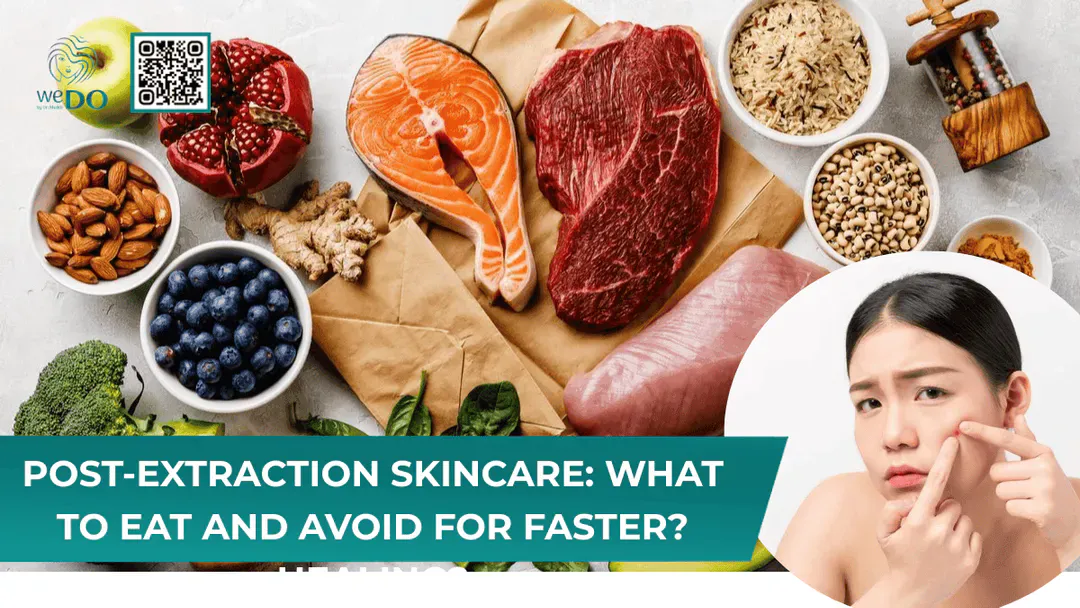
Found in fish, lean meats, legumes, walnuts, and almonds, protein provides the building blocks for cell renewal, immune defense, and collagen synthesis, all vital for wound repair.
Other beneficial food groups:
-
Leafy greens (except water spinach): packed with antioxidants, fiber, and vitamins that support healing.
-
Fresh fruits and berries: rich in vitamins and antioxidants.
-
Oily fish (salmon, mackerel, tuna): a source of omega-3 fatty acids with anti-inflammatory properties.
-
Legumes: high in vitamins, minerals, and antioxidants for faster recovery.
Foods That Help Prevent Post-Inflammatory Hyperpigmentation
Certain foods help inhibit melanin production and minimize scarring:
-
Kale: rich in vitamins A, C, K, and minerals.
-
Sweet potatoes: beta-carotene converts to vitamin A, reducing inflammation.
-
Pumpkin: contains zinc, enzymes, and alpha hydroxy acids.
-
Lemon: high in vitamin C and citric acid for detoxifying effects.
-
Papaya: papain enzyme exfoliates dead cells, unclogs pores, and improves texture.
-
Salmon: an excellent source of omega-3s.
-
Broccoli: contains histidine, which protects skin from UV damage.
Foods to Avoid After Acne Extraction

To prevent recurrence and support wound healing, avoid foods with a high glycemic index (GI) and dairy products, as both may exacerbate acne. Additionally, the following should be limited:
-
Beef: though protein-rich, it contains melanin precursors that may worsen scarring.
-
Chicken: may trigger itching in sensitive individuals.
-
Water spinach: may stimulate excessive tissue growth, increasing the risk of keloids.
-
Seafood: can cause irritation in sensitive skin during healing.
-
Eggs: particularly egg whites, which may overstimulate collagen production and promote hypertrophic scarring.
-
Glutinous rice (sticky rice): may worsen inflammation, swelling, and delayed healing.
-
Alcohol, tobacco, stimulants: impair immune function and delay repair.
-
Spicy, oily foods: increase sebum and sweat, clogging pores.
-
Sugary foods and soft drinks: elevate blood sugar, triggering inflammation and acne recurrence.
Conclusion
Diet directly influences skin healing after acne extraction. Nutrient-dense foods such as leafy greens, salmon, legumes, and fresh fruits accelerate repair and minimize scarring, while spicy, oily, sugary, or irritant foods may delay recovery and increase the risk of new breakouts. Supporting the skin with the right nutrition helps it return to a healthier, smoother state more quickly.
FAQs on Post-Extraction Diet
1. Why is diet important after acne extraction?
Because the skin is more fragile and prone to infection; healthy nutrition speeds up repair and reduces scarring risk.
2. Which food groups help soothe post-extraction skin?
Antioxidant-rich foods such as leafy greens, berries, and omega-3 fatty fish provide anti-inflammatory benefits.
3. Which nutrient-rich foods should still be limited?
Beef, chicken, and eggs—though high in protein—may worsen pigmentation or scarring in sensitive individuals.
4. How do sugary foods affect healing skin?
They raise blood glucose levels, trigger inflammation, and increase the likelihood of acne recurrence.
5. Should alcohol be avoided after acne extraction?
Yes. Alcohol weakens the immune system, slows healing, and can worsen redness or pigmentation.