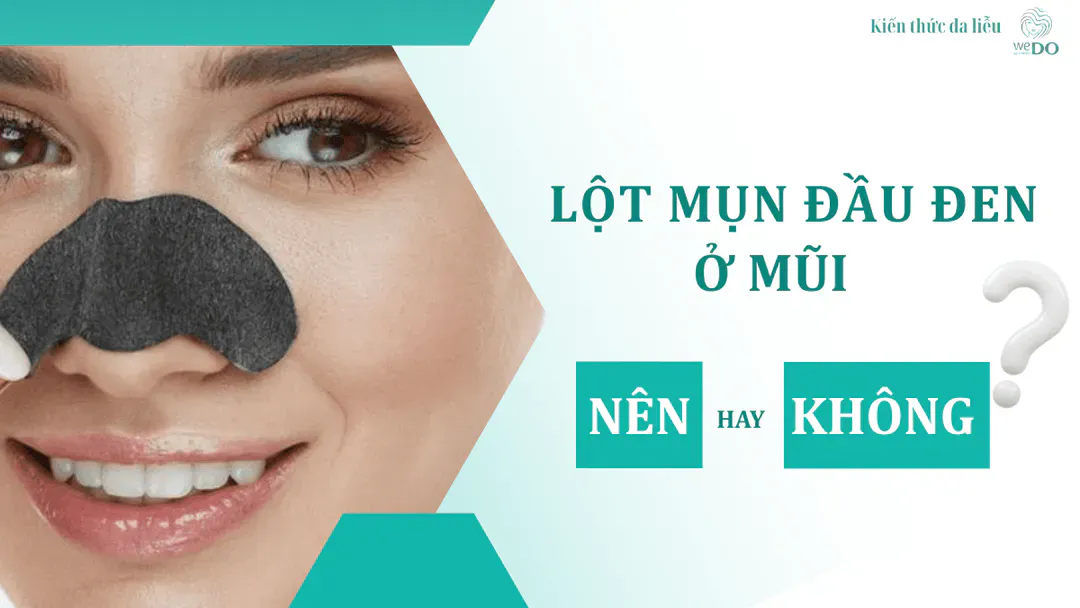
The image of a blackhead removal strip pulling out countless comedones is undeniably satisfying. However, beyond the thrill and visual appeal, does blackhead removal on the nose truly make the nose smoother? Is the frequent use of removal strips or gels safe for the skin in the long term?
Should you use blackhead removal strips on the nose?
The market offers a wide variety of blackhead removal strips, gels, and creams, capable of extracting numerous comedones. You can easily see immediate results in removing sebum and impurities clogging pores, making the skin appear cleaner.
However, just a few days later, those black dots reappeared as if they never left. This shows that removal strips don’t address the root cause of blackheads. Besides comedones, this method also removes sebum filaments—an essential component for maintaining the skin’s oil balance—potentially causing the skin to overproduce oil to compensate, or even leading to irritation.
In short, you can still use removal strips to tackle pesky blackheads, but you need to know how to use them correctly and avoid overuse.

Guide to using blackhead removal strips safely for your skin
To avoid damaging the skin’s protective barrier, incorporate products that restore balance after blackhead removal. Below is a guide to using removal strips while minimizing negative effects:
Step 1: Cleanse the skin and steam
This crucial step is often overlooked due to carelessness. Before starting, gently cleanse your face and steam for 5-10 minutes to open the pores.
Step 2: Apply the removal strip
Wet the nose area and apply the strip, pressing lightly to secure it. Wait for the strip to dry completely (check the instructions, as times vary by product, typically 10-15 minutes). When removing, start from the edges and slowly pull toward the center to minimize skin damage.
Step 3: Soothe the skin
After removing the strip, rinse your face with cold water to tighten pores. Don’t forget to gently pat on a mild toner or rose water to rebalance the skin. Follow with a lightweight moisturizer to maintain necessary hydration. Avoid touching your face to prevent bacterial spread.
Note: Choose strips with gentle, safe ingredients. To prevent blackheads from returning, consider using BHA (salicylic acid) to cleanse pores, niacinamide to control oil, retinol to reduce oil production, or benzoyl peroxide to kill acne-causing bacteria.

Effective ways to reduce blackheads
Blackheads form from sebum, dead skin cells, and dirt accumulating in pores. To prevent these stubborn spots from returning, protect your skin from these triggers.
– Control sebum:
Use products with salicylic acid or niacinamide to deep-cleanse and manage excess oil. Choose non-comedogenic toners and moisturizers to keep skin hydrated, reducing sebum production.
– Cleanse properly:
Remove makeup daily, even if you don’t wear any. Wash your face twice a day with a gentle cleanser with a suitable pH to avoid drying out the skin.
– Exfoliate:
Use BHA (salicylic acid) or AHA to remove dead skin cells and deep-cleanse pores about 2-3 times per week.

– Maintain hygiene:
Regularly change pillowcases, face masks, and towels to prevent bacterial buildup that clogs pores. Avoid touching your face to reduce the risk of bacterial spread.
– Follow a healthy diet:
Limit greasy, sugary, and dairy foods, as they can stimulate sebaceous glands. Include fiber-rich foods, vitamins A, C, E, and omega-3, and drink enough water to balance oil and promote healthier skin.
– Apply sunscreen daily:
Don’t skip UV protection. Sun exposure can enlarge pores and stimulate sebum production.
Note: If blackheads are persistent or excessive, visit reputable facilities for medical-standard acne treatment. Doctors will analyze your skin condition and provide an optimal treatment plan. Depending on severity and individual needs, treatments may include topical medications (such as vitamin A derivatives like tretinoin, adapalene, or tazarotene), chemical peels, or advanced technologies (laser or microneedling).
Conclusion
While the effectiveness of blackhead removal strips hasn’t been conclusively proven by medical studies, their temporary cleansing ability is undeniable. However, overuse or improper use can damage and sensitize the skin over time. For blackhead treatment, the safest approach is to consult reputable dermatology clinics for professional advice and care.