
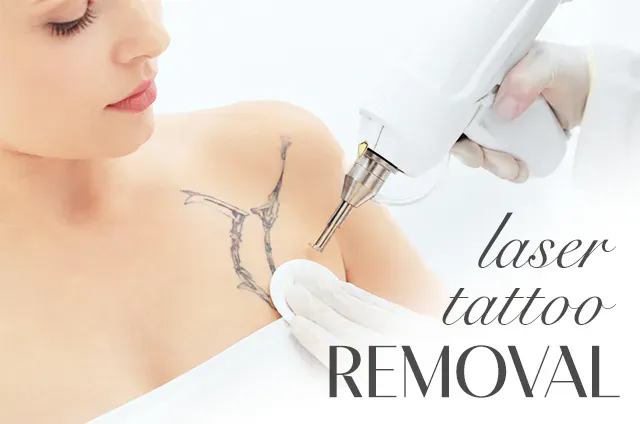
LASER TATTOO REMOVAL (Q-SWITCH ND: YAG)
Safe laser tattoo removal with Q-Switch ND:YAG at WeDo — advanced Alma Harmony technology, no scarring, personalized plans for all skin types and ink colors.
How it works
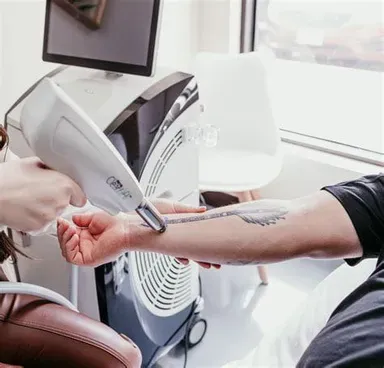
Q-SWITCHED ND YAG Laser Technology
The Harmony Alma Pro's Q-SWITCHED ND YAG laser operates by emitting high-energy laser beams with dual wavelengths of 532nm and 1064nm, directly targeting the tattooed skin. As the laser light penetrates the skin, it is absorbed by the tattoo ink particles, causing them to break down into tiny fragments. The body then naturally eliminates these ink fragments through the lymphatic system. This not only ensures effective tattoo removal but also guarantees skin safety and minimizes the risk of scarring.
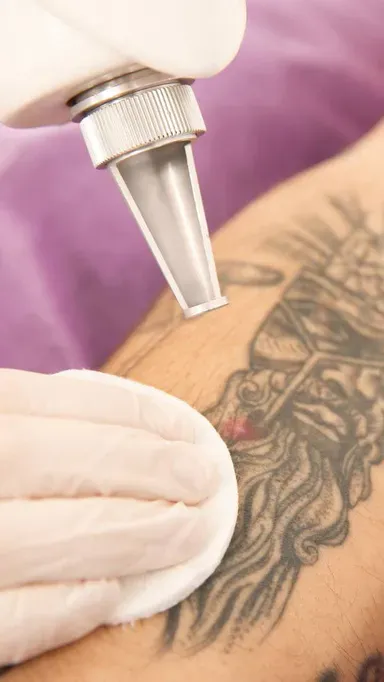
Ideal customers for Q-SWITCHED ND YAG laser tattoo removal
- Tailored laser tattoo removal for every individual: Whether you want to completely remove a tattoo or simply tone it down, Q-SWITCHED ND YAG laser technology offers customized treatments for all skin types and tattoo colors. - Achieve your desired look with precision: Our Q-SWITCHED ND YAG laser tattoo removal treatments can help you modify or fade existing tattoos, giving you a clean slate for your next design. - Gentle on the skin: Experience effective tattoo removal without compromising your skin's health. Our Q-SWITCHED ND YAG laser is designed to minimize discomfort and irritation.
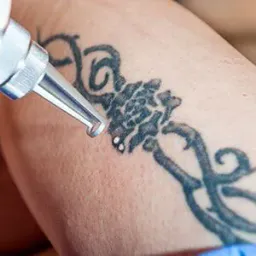
A comparison of Q-SWITCHED ND YAG laser technologies for tattoo removal
- Harmony's Q-SWITCHED ND YAG laser sets a new standard in laser tattoo removal. Unlike traditional methods, our advanced technology employs a gentle wavelength that targets the ink without damaging the skin's surface. This minimizes the risk of scarring and ensures a comfortable treatment experience. Unlike IPL, which only treats superficial tattoos, our laser penetrates deeper to remove even the most stubborn ink. Experience the future of tattoo removal with Harmony.
Why choose this treatment
7 steps, clinically led
Step 1: Personalized consultation and treatment plan
Before starting your laser tattoo removal journey, you'll undergo a comprehensive health and skin assessment. Our experienced dermatologist will carefully evaluate your tattoo's color, size, and placement to create a personalized treatment plan tailored to your unique needs.
Step 2: Cleansing and preparation of the target area for laser tattoo removal.
Following a consultation and customized treatment plan, the skin will be thoroughly cleansed. This pre-treatment step includes exfoliation to remove dead skin cells, dirt, and oil, preparing the area for the laser tattoo removal process.
Step 3: Topical anesthetic application
To ensure a pain-free laser tattoo removal experience, our doctor will apply a topical anesthetic to the treatment area. This numbing cream is evenly applied and allowed to penetrate the skin for a certain period. This makes the procedure more comfortable, allowing clients to relax and reduce anxiety.
Step 4: Numbness removal and disinfection prior to laser tattoo removal.
After the preparatory steps are completed, your dertomalogists will proceed with the laser tattoo removal procedure. The session can last anywhere from a few minutes to over an hour, depending on the size and complexity of the tattoo. Throughout the process, your doctor will closely monitor your comfort and safety. If you experience any discomfort, please let your doctor know immediately so they can adjust the laser energy or provide a break between treatments.
Step 5: Use a restorative and soothing cream to aid in skin regeneration post-laser tattoo removal
After your laser tattoo removal procedure, our skilled technicians will apply a specialized recovery cream to the treated area. This cream is formulated to provide deep hydration, accelerate healing, and minimize redness and swelling. You will receive comprehensive aftercare instructions to ensure optimal results and a speedy recovery.
Step 6: Post-care instructions for laser tattoo removal
Our laser tattoo removal services include personalized aftercare plans. We offer exclusive online support groups, connecting clients with our medical team for continuous monitoring and guidance throughout their healing journey.
Step 7: Follow up as scheduled for your laser tattoo removal treatment.
Patients adhere to the schedule for follow-up appointments and laser tattoo removal sessions as outlined in the treatment plan.
Make results last
Protecting yourself from the sun
After undergoing tattoo removal treatment, the tattooed area will be more sensitive than usual. Therefore, you should avoid direct sunlight for at least 2 weeks. If you must go outside, use sunscreen with a high SPF and wear protective clothing
Maintain meticulous hygiene
Proper aftercare is crucial for preventing infection after laser tattoo removal. Gently cleanse the treated area with saline solution or an antiseptic recommended by your dertomalogist.
Avoid scratching or rubbing
During the healing process for your laser tattoo removal, you may experience itching or discomfort. It’s crucial to avoid scratching or rubbing the treated area, as this can lead to further damage and increase the risk of infection.
Using gentle products
During the healing process after your laser tattoo removal procedure, it’s essential to use gentle skincare products that are free from harsh chemicals. Moisturizer is highly recommended to keep your skin soft and hydrated.
Avoid foods that can irritate the skin
To ensure a smooth and successful tattoo removal process, it’s crucial to pay close attention to your diet. Certain foods like beef, chicken eggs, water spinach, sticky rice, and seafood can lead to keloid scarring, infection, and slower wound healing. Minimizing consumption of these foods will help your wounds heal faster and reduce the risk of scarring.
Still have questions?
How many sessions are required for complete laser tattoo removal?
How much does laser tattoo removal cost?
Does laser tattoo removal hurt?
Can I get a tattoo after laser tattoo removal?
Shine with confidence in clear, radiant skin
Start your skin story.
Schedule your diagnostic session. Our doctors will map your unique skin biology to build a lifelong protocol for health.