General Information
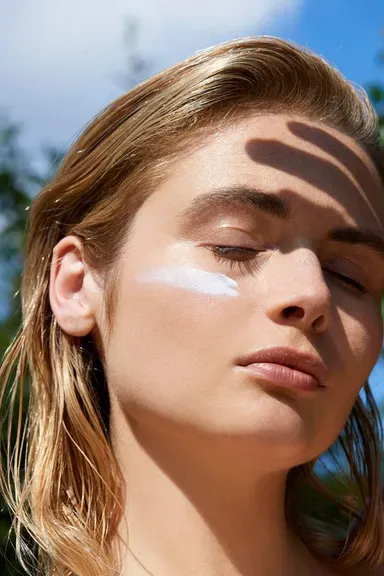
Sunscreen – The best protective shield to help your skin combat UVB and UVA rays. In the previous article, we explored how the enemies UVB and UVA operate. In this article, let’s dive into the “armor for our skin” – sunscreen. Different types of sunscreens have unique mechanisms, ingredients, and advantages.
Chemical Sunscreen – Mechanism: Acts as a chemical filter on the skin, absorbing and breaking down UV rays into lower-energy rays, releasing them before they can harm the skin.
Advantages: Lightweight, non-greasy texture, no color, no fragrance, quickly absorbs into the skin without leaving a greasy or overly white finish. Protects against both UVA and UVB rays.
Disadvantages: Higher risk of skin irritation, requires time to absorb, and must be applied 30 minutes before sun exposure for effectiveness. The effects don’t last long, so reapplication every 2 hours is necessary for optimal sun protection. Chemical sunscreen ingredients are sensitive to sunlight and the environment, so improper storage can reduce their effectiveness. Suitable for oily and acne-prone skin.

Physical Sunscreen: – Mechanism: Creates a protective shield to block, disperse, and reflect UV rays, preventing them from penetrating the skin. Physical sunscreen acts as a layer of armor or a wall that defends the skin against UV radiation.
Advantages: Provides a gentle and skin-friendly shield, causing minimal irritation. Sits on the skin’s surface, offering immediate protection and lasting longer than chemical sunscreens. Less affected by sunlight and the environment, making it easier to store. Contains Zinc Oxide, which is anti-inflammatory and soothing for acne-prone skin. Protects against both UVA and UVB rays.
Disadvantages: Lower SPF ratings, may leave a white cast on the skin, and can clump during application. Suitable for sensitive to very sensitive skin, as well as normal and dry skin.
It’s essential to understand that no sunscreen is universally good or bad. The key is knowing how they protect your delicate skin from the sun and whether they suit your skin type!
Contact Information
- Contact us for a free consultation and appointment!
———————–———————–
WeDo Skin Clinic
- 𝗪𝗲𝗯𝘀𝗶𝘁𝗲: cms.wedoskinclinic.com
- 𝗙𝗮𝗻𝗽𝗮𝗴𝗲: 𝗠𝗲𝗱𝗱𝗶 𝗦𝗸𝗶𝗻 | Meddi Skin Clinic&Spa | Wedo by Dr.Meddi
———————–———————–
WeDo District 1 – Tran Doan Khanh Street
- 𝗛𝗼𝘁𝗹𝗶𝗻𝗲/𝐙𝐚𝐥𝐨: 0898898875
- 𝐖𝐡𝐚𝐭𝐬𝐚𝐩𝐩: +84898898875
- Address: 11 Tran Doan Khanh Street, Da Kao Ward, District 1, HCMC
WeDo District 2 – Thai Thuan Street
- 𝗛𝗼𝘁𝗹𝗶𝗻𝗲/𝐙𝐚𝐥𝐨: 0707196622
- 𝐖𝐡𝐚𝐭𝐬𝐚𝐩𝐩: +𝟖𝟒707196622
- Address: 17 Thai Thuan Street, An Phu Ward, Thu Duc City, HCMC
———————–———————–
———————–———————–