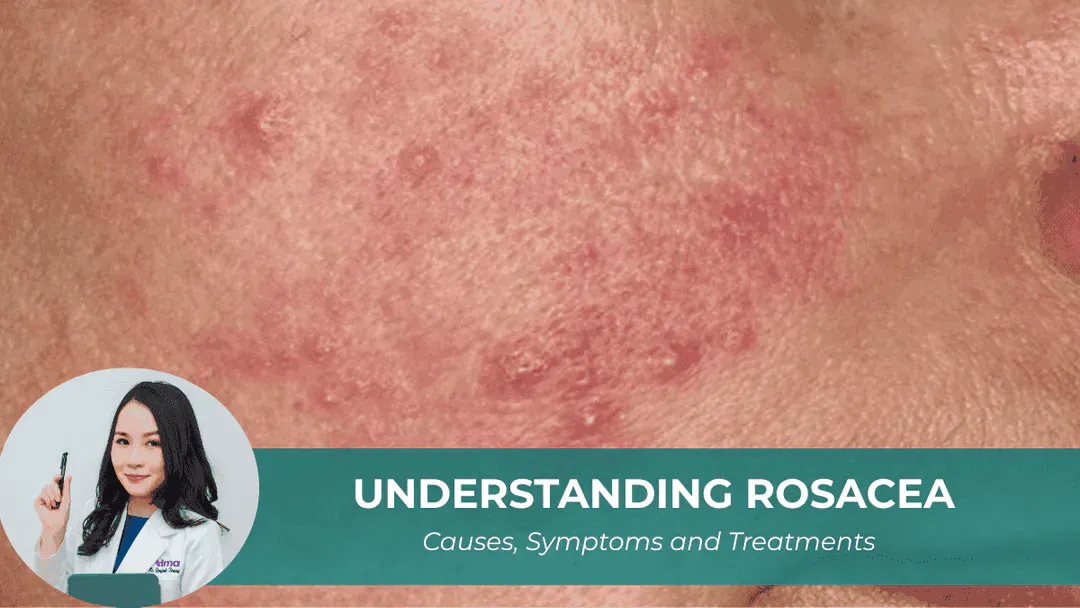
Rosacea is often nicknamed the “blushing face” condition, as it causes persistent facial redness that resembles a constant state of embarrassment. In reality, this is a chronic dermatological disorder that is frequently mistaken for acne. Without timely diagnosis and treatment, rosacea can progress, leading to swelling, papules, and pustules.
What is Rosacea?
Rosacea (also known as acne rosacea) is a chronic inflammatory skin disorder characterized by facial flushing, dilated capillaries, persistent redness, papules, pustules, and in severe cases, tissue changes such as rhinophyma.
It most commonly affects individuals aged 30–50, particularly those with fair skin, such as people of Irish or Northern European descent. The condition is less prevalent in people with darker skin tones.
Rosacea typically appears on the central areas of the face — forehead, nose, and chin — but can also affect the eyelid area. Other body areas are rarely involved.
Common Signs and Stages of Rosacea

Rosacea usually progresses through four stages: pre-rosacea, vascular, inflammatory, and late (phymatous) stages. However, some individuals may skip earlier stages and directly develop inflammatory symptoms.
- Pre-rosacea stage:
Patients experience facial warmth, excessive sweating, tingling, and flushing. These sensations may worsen with triggers such as sun exposure, emotional stress, extreme temperatures, alcohol, spicy foods, exercise, wind, cosmetics, or hot baths and drinks.
- Vascular stage:
Small, dilated blood vessels (telangiectasia) become visible on the skin, especially around the nose, accompanied by swelling due to impaired blood circulation.
- Inflammatory stage:
Redness is accompanied by papules and pustules (2–5 mm in size), often mistaken for acne. However, unlike acne, these lesions may involve microscopic organisms such as Demodex mites or other unclassified microbes.
- Late stage (in some patients):
Chronic inflammation, collagen deposition, and sebaceous gland hyperplasia cause tissue thickening, particularly on the nose and cheeks, resulting in rhinophyma (commonly known as “bulbous nose”), which is more frequent in men over 50.
Causes of Rosacea
The exact cause of rosacea remains unclear. Some studies suggest it begins with connective tissue damage from sun exposure, leading to vascular dysfunction and inflammation. According to the American Academy of Dermatology, genetic factors, immune dysregulation, abnormal vascular control, and antimicrobial peptide dysfunction may contribute to the condition.
- Environmental factors: Pollution, UV exposure, and blue light can irritate the skin, causing abnormal capillary dilation and inflammation. Damaged or sensitive skin also becomes more vulnerable to bacterial overgrowth.
- Diet: Although no specific foods are proven to cause rosacea, spicy foods, alcohol, and greasy meals can exacerbate the condition.
- Medications: Prolonged use of topical corticosteroids or antihypertensive drugs can weaken the skin barrier and dilate blood vessels, worsening symptoms. Other agents like lithium and testosterone may also aggravate rosacea. Certain cosmetics may contribute to vascular dilation and flare-ups as well.
- Genetics and ethnicity: A family history of rosacea increases risk. The condition occurs more often in people with fair skin compared to those with darker skin tones.
Rosacea Treatment Options

Rosacea is a chronic condition with no permanent cure, but symptoms can be effectively controlled through proper medical management.
Initial treatment focuses on avoiding triggers and using sun protection. Depending on disease stage, topical or oral medications may be prescribed.
Common approaches include:
-
Avoiding known triggers (sunlight, alcohol, heat, spicy foods).
-
Using topical or oral antibiotics (e.g., metronidazole, azelaic acid, ivermectin).
-
For persistent redness, topical brimonidine or oxymetazoline can be used; oral beta-blockers may also help.
-
Isotretinoin may be considered for resistant cases.
-
Laser therapy or electrosurgery can improve visible vessels.
-
For rhinophyma, surgical or laser debulking may be required.
Clinical guidelines (Baumann L. et al., 2016) recommend:
-
Topical metronidazole (0.75–1%), azelaic acid (15–20%), or ivermectin 1% cream twice daily.
-
Benzoyl peroxide (2.5%) may enhance efficacy.
-
Oral doxycycline, minocycline, or tetracycline for inflammatory papules and ocular rosacea, at the lowest effective dose.
-
Low-dose doxycycline (40 mg/day) has anti-inflammatory benefits without antibiotic resistance.
-
For persistent flushing, brimonidine 0.33% gel or oxymetazoline 1% cream may be used daily.
Case Study: Rosacea Treatment at Wedo Skin Clinic

Patient profile: Male, from Germany, with rosacea for 5–6 years. Previous topical treatments showed little improvement.
Treatment protocol by Wedo Skin Clinic:
-
Combo Tech DYE VL
-
ND YAG Laser 585 nm for vascular and redness correction
-
Ultrasound rejuvenation – hydrating and firming complex
-
LT Photocare Premium – skin repair and revitalization
-
DERMEDIC Redness Concentrate Cream (D02)
-
Pharmaceris Capinon K 1%
-
ARCEL MED Serum Dermal Repair Complex (AR02)
-
SMAS Peptide Silk Mask
Conclusion
Rosacea is a common yet persistent skin disorder that can be mistaken for acne. Symptoms like redness, visible blood vessels, and pustules can significantly affect self-confidence. Early diagnosis and proper dermatological care are crucial to controlling flare-ups and preventing long-term skin damage. If you notice any signs of rosacea, don’t hesitate to consult a dermatologist for accurate diagnosis and personalized treatment.
Explore our Dermatology section for more helpful insights!
Related articles:
- How Many Times Should You Wash Your Face a Day to Keep It Clean Without Dryness?
- Ice Pick Scars – Signs, Causes, and Effective Treatment Methods
- How to Minimize Enlarged Pores?
FAQ
1. Is Rosacea the same as common acne?
No. Rosacea may look similar to acne, but its causes are entirely different. It is a chronic inflammatory condition of the facial skin that causes persistent redness, visible blood vessels, and sometimes acne-like bumps. In contrast, acne is mainly caused by excess sebum production and clogged pores.
2. Can Rosacea be completely cured?
Rosacea cannot be completely cured, but it can be very well controlled with proper treatment and skincare. Symptoms such as redness, dilated capillaries, and papules can be significantly reduced and maintained in a stable condition if treatment is followed consistently.
3. What triggers Rosacea flare-ups?
Common triggers include:
-
Sun exposure
-
Extreme heat or cold
-
Spicy foods and alcoholic drinks
-
Stress or lack of sleep
-
Skincare or cosmetic products containing fragrance, alcohol, or harsh chemicals
Understanding your triggers is key to preventing flare-ups and managing Rosacea effectively.
4. Can people with Rosacea use Retinol or AHA/BHA?
It’s not recommended when the skin is irritated or inflamed. Once the skin is stable, low concentrations can be introduced gradually, ideally under the guidance of a dermatologist.
5. How should Rosacea-prone skin be cared for daily?
-
Gently cleanse twice a day with a mild, non-irritating cleanser.
-
Keep the skin well-moisturized; avoid products with alcohol or fragrance.
-
Apply a broad-spectrum sunscreen (SPF 30 or higher) every morning.
-
Have regular dermatology check-ups to adjust your treatment and skincare routine as needed.