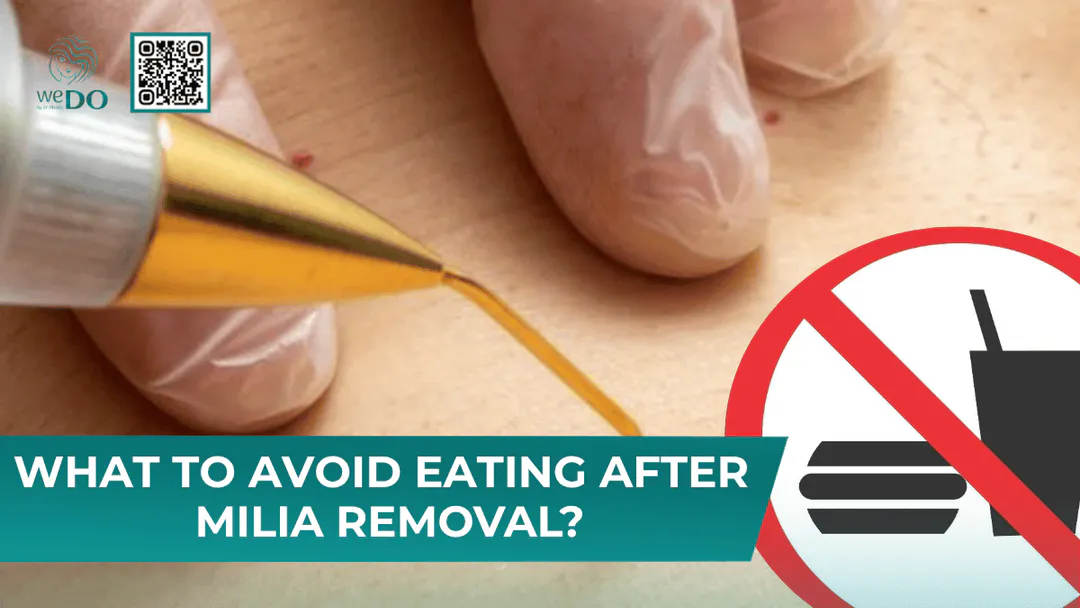
After undergoing milia removal via electrocautery, your skin becomes more sensitive to what you consume. A post-treatment diet might seem simple, but it plays a crucial role in determining how well your skin heals. So, what should you avoid eating after milia removal to minimize the risk of scarring?
Why Is a Post-Treatment Diet Important?
Following any dermatological procedure, especially one that impacts the skin barrier, your skin becomes more fragile. The extent of this depends on the method used. Non-invasive treatments such as Fractional CO2 Laser cause minimal damage to the surrounding skin and focus specifically on the affected areas—helping the skin remain stronger compared to invasive techniques.
However, even with advanced technology, the skin still requires meticulous care. A proper diet supports faster healing, minimizes the risk of keloid scars, and helps prevent infection.
By adopting a balanced diet rich in essential nutrients and avoiding specific trigger foods, you help your body replenish vitamins and minerals, reduce the risk of irritation and scarring, and speed up the recovery process.

What to Avoid After Milia Removal?
Consuming the wrong foods after treatment can delay healing, cause inflammation, and increase the likelihood of scarring. It’s recommended to avoid the following for at least 1–2 weeks post-treatment (this may vary based on individual skin condition):
-
Spicy and hot foods: Ingredients such as chili, pepper, lemongrass, and garlic can trigger inflammation, itching, and swelling in the treated area.
-
Stimulants: Tea, coffee, alcohol, tobacco, and similar substances can exacerbate inflammation and prolong healing time.
-
Sugary foods: Excessive sugar from sweets, soft drinks, and jams can suppress immune response and increase the risk of infection.
-
Fast food: Greasy and highly processed foods may irritate sensitive skin and hinder recovery.
-
Seafood: For individuals prone to allergic reactions, seafood can worsen inflammation and delay wound healing.
-
Scar-promoting foods: Chicken, duck, morning glory (rau muống), eggs, and beef are known to contribute to the development of raised or keloid scars in some cases.
What to Eat for Faster Skin Recovery?
To support the healing process, include these nutrient-rich foods in your daily diet:
-
Vitamin A-rich foods: Carrots, sweet potatoes, and spinach aid in skin cell regeneration, reduce inflammation, and help prevent scarring.
-
Vitamin C-rich foods: Strawberries, kiwi, guava, and leafy greens enhance immune function and promote collagen production for faster wound healing.
-
Omega-3 fatty acids: Found in mackerel, salmon, chia seeds, flaxseeds, and walnuts—omega-3 helps reduce inflammation and supports skin repair.
-
Zinc-rich foods: Whole grains, legumes, and seeds enhance skin healing and strengthen the immune system.
-
Lean proteins: Incorporate lean pork and anchovies to support tissue repair and cell regeneration.

Hydrating fruits not only help cool the body during summer but also support skin healing after milia removal.
Post-Treatment Skincare Guide
Alongside your diet, proper skincare is essential to ensure optimal healing:
-
Cleanse gently with saline solution: For the first 3–5 days, cleanse your skin using sterile saline solution to prevent infection. Avoid scrubbing or applying pressure to the treated area.
-
Use skin-repair creams: Apply a thin layer of cream containing ingredients like ceramide, panthenol, vitamin B3, etc., twice daily to support skin regeneration.
-
Let scabs fall off naturally: Do not pick at scabs or force peeling—this may damage the new skin and cause scarring.
-
Daily sunscreen application: Use SPF 50+ PA+++ sunscreen when going outdoors to protect your skin from UV rays and prevent post-inflammatory hyperpigmentation. Apply a sufficient amount (2–4 fingers, depending on the area) and reapply every 2–3 hours.
-
Moisturize after scabs have shed: Once your skin naturally sheds the scabs, apply moisturizers containing vitamin C to hydrate and even out skin tone.

Conclusion
A mindful post-treatment diet is more than a recovery booster—it’s a preventive measure against scars and pigmentation. This is a phase when your skin heals from the inside out, so listen to your body and choose foods wisely. If you’re uncertain about what to eat or avoid, consult a dermatologist for professional advice.
Frequently Asked Questions: Post-Milia Removal Diet
1. What if I accidentally ate something I was supposed to avoid?
Drink plenty of water, eat more vegetables, and take vitamins to help flush out toxins. Monitor your skin and avoid repeating the same mistake.
2. Does everyone need to follow the same dietary restrictions?
No, dietary restrictions depend on your skin type, treatment method, and level of sensitivity.
3. Can diet really speed up skin healing?
Yes. A healthy diet strengthens immunity and accelerates cell regeneration, promoting faster healing.
4. Should I combine a restricted diet with vitamin supplements?
Yes, if your diet lacks nutrients, you can take multivitamins as advised by your doctor to support recovery.
5. Do I need to “make up” for lost nutrients after the restriction period?
No need to overcompensate—just maintain a well-balanced, skin-friendly diet moving forward.