


 VIE
VIE

What foods should you avoid when treating warts? Nutritional regimen to support wart treatment
CONTENT
A scientific diet can become a “powerful assistant” in achieving the best results for wart treatment. That’s why the question “What should you avoid eating when treating warts?” is currently a concern for many people. In this article, WEDO Skin Clinic will share useful nutritional information to help you quickly regain healthy skin after undergoing modern wart treatment methods.
The Importance of Diet After Wart Treatment
After treating warts with methods such as laser wart removal, electrocautery, etc., building a proper diet not only helps the body recover quickly but also provides essential benefits such as:
- Promoting wound healing: Vitamins, minerals, and abundant antioxidants from food can support the regeneration of new skin cells, strengthen the immune system, and help wounds scab and heal quickly.
- Reducing inflammation: Certain food groups have natural anti-inflammatory properties, helping to soothe treated skin, reduce swelling, and alleviate discomfort.
- Preventing unsightly scars: Adequate collagen and essential nutrients from food groups can enhance skin elasticity, thereby minimizing the risk of keloid or pitted scars, making the treated skin smoother.

What to Avoid Eating When Treating Warts?
To optimize effectiveness and shorten recovery time after wart removal, you should limit the following food groups:
- Water spinach: Although generally safe, water spinach can stimulate keloid scar formation, causing itching and discomfort in newly healed skin.
- Sticky rice products: Foods made from sticky rice, such as sticky rice cakes or steamed sticky rice, can cause internal heat, slow wound healing, and increase the risk of swelling or pus at the treatment site.
- Spicy and hot foods: Chili, pepper, ginger, and other spicy seasonings can cause inflammation and prolong wart recovery time.
- Fried and greasy foods: These foods contain unhealthy fats, which can negatively affect the skin in general and the wound healing process after wart treatment in particular.
- Poultry: Although nutritious and rich in protein, poultry such as duck, chicken, or goose can cause swelling or pus in warts, leading to pain and prolonged healing time.
- Seafood: This food group can affect skin pigmentation, potentially causing uneven skin tone or dark spots in the treated area, leading to aesthetic issues. For those with sensitive skin, seafood may also cause irritation and itching.
- Beef: This type of meat can promote excessive collagen production, increasing the risk of scarring and dark spots at the treated wart site.
- Eggs: For some individuals with sensitive skin or allergies, eggs may cause skin irritation and leave scars after treatment.
- Stimulants: Alcohol, tobacco, and other stimulants increase the risk of irritation and itching, making warts harder to heal. They also cause dry skin, peeling, and accelerate skin aging.

What to Eat After Wart Treatment?
Besides foods to avoid after wart treatment, you should also include foods that support wound healing and skin regeneration. Recommended food groups include:
- Dark green vegetables: Vegetables like spinach, broccoli, etc., are rich in vitamins and minerals. They not only boost the skin’s immune system but also promote the healing of damage caused by warts effectively.
- Fruits: Prioritize citrus fruits like oranges, grapefruits, and tangerines to provide the body with ample vitamin C, minerals, and fiber, which hydrate the skin and reduce inflammation. Additionally, berries like strawberries and blueberries can accelerate skin regeneration due to their high antioxidant content and ability to stimulate collagen production.
- Pumpkin: This food is a rich source of zinc, fiber, beta-carotene, enzymes, and alpha hydroxy acids. These nutrients can heal skin damage, strengthen the skin’s protective barrier, provide antibacterial properties, balance pH, and control sebum after treatment.
- Nuts: Cashews, almonds, walnuts, hazelnuts, etc., are rich in Omega-3 and vitamin E. These nutrients significantly reduce inflammation, support the wart treatment process, and effectively heal skin damage.
- Stay hydrated: Water plays a crucial role in naturally flushing toxins from the body and boosting skin hydration. Therefore, maintain a habit of drinking enough water daily to help your skin recover quickly after wart treatment.

Notes After Wart Treatment
Besides diet, you should pay special attention to the following important points to ensure the wart treatment process is highly effective and your skin recovers quickly:
- Always use topical or oral medications as prescribed and instructed by a dermatologist.
- Absolutely avoid picking, scratching, or cutting the wart area. This can cause infection or spread the virus to other skin areas.
- Avoid sharing personal items like nail clippers, razors, etc., to prevent spreading warts to others or other parts of the body, especially if you have warts on your hands.
- Keep the wart area clean by gently washing with saline solution and carefully drying it.
- Within 2–4 weeks after treatment, closely monitor the treated area to promptly detect any abnormal signs or potential recurrence due to remaining HPV virus.
To minimize the risk of wart recurrence after treatment, you should visit reputable wart removal clinics. Here, you will receive accurate examinations and advice from dermatologists.
- Consider getting an HPV vaccine to prevent warts and reduce the risk of related dangerous diseases or cancers caused by the virus.
- Adopt a healthy lifestyle, such as getting enough sleep, sleeping on time, avoiding staying up late, and combining daily exercise to enhance toxin elimination, prevent warts, and improve overall skin health.
Frequently Asked Questions
1. How long should you avoid certain foods after wart treatment?
To optimize wound healing and prevent unsightly scars after wart treatment, pay attention to your diet, especially in the first two days. Since the skin is very sensitive after treatment, choosing suitable foods will help prevent inflammation, pus, and support effective skin recovery.
2. What should you apply after wart removal?
After wart removal, apply antibiotic ointment or moisturizing cream as prescribed by your doctor to promote wound healing and prevent infection.
3. How to prevent warts from spreading?
To prevent warts from spreading, avoid touching the wart, do not share personal items, and always keep the affected skin area clean and dry.
4. What should to avoided eating after laser wart removal?
To support the recovery process after wart treatment, adjust your diet slightly. Avoid stimulants like alcohol, carbonated drinks, or coffee. Limit spicy and hot foods with chili, garlic, or pepper, and reduce high-sugar foods.
Additionally, avoid fast food and greasy fried foods. In particular, steer clear of seafood and fishy-smelling foods like shrimp, crab, fish, or snails to help the skin heal faster.
The above article has provided detailed information on a supportive diet and important notes after treatment, answering the question “What to avoid eating when treating warts?”. Build a balanced diet and avoid unhealthy food groups to speed up recovery after laser wart treatment, achieving smoother skin.
WeDo District 1 – Tran Doan Khanh Street
- Hotline/Zalo/Whatsapp: 0898898875
- Address: 11 Tran Doan Khanh Street, Da Kao Ward, District 1, HCMC
WeDo District 2 – Thai Thuan Street
- Hotline/Zalo/Whatsapp: 0707196622
- Address: 17 Thai Thuan Street, An Phu Ward, Thu Duc City, HCMC
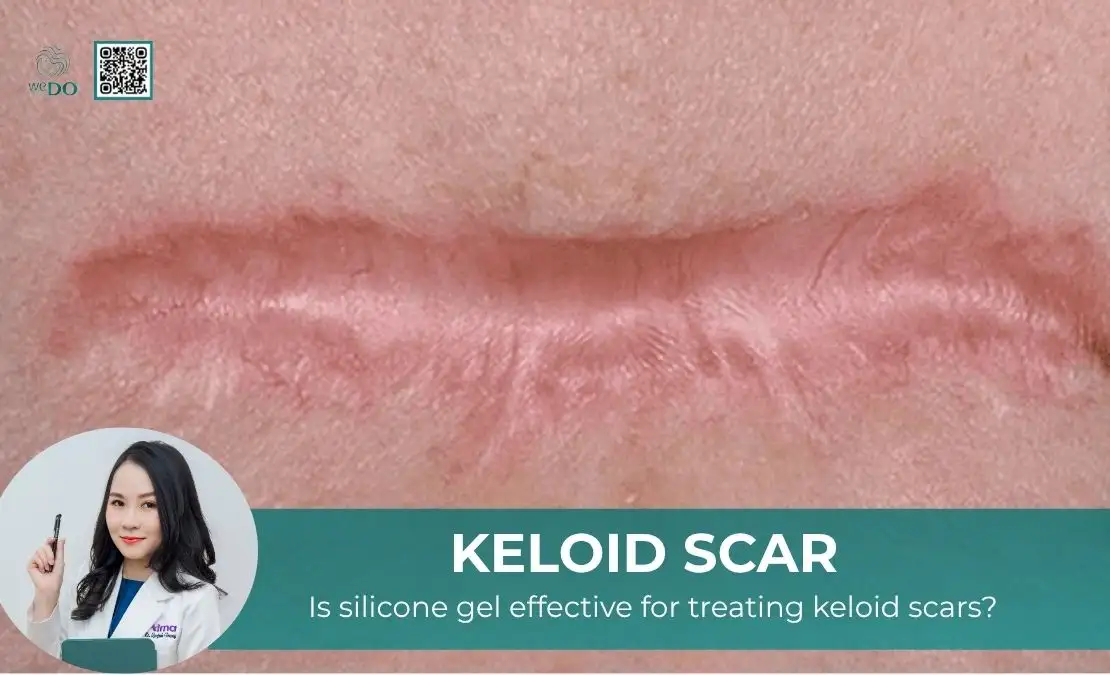
Is silicone gel effective for treating keloid scars?
Is silicone gel effective for treating keloid scars? For individuals with keloid scars, can topical treatments help flatten the scar? This is a common concern, as topical therapy is both cost-effective and non-invasive. If you are also curious, refer to the article below to find the answer. Is silicone gel effective for treating keloid scars?

What SPF level is sufficient for sunscreen?
What SPF level is sufficient for sunscreen? Does a higher SPF mean stronger and more effective sun protection? And is focusing solely on the SPF index enough to choose a suitable sunscreen for your skin? If you are also wondering about these questions, refer to the article below to find the answers. What is the
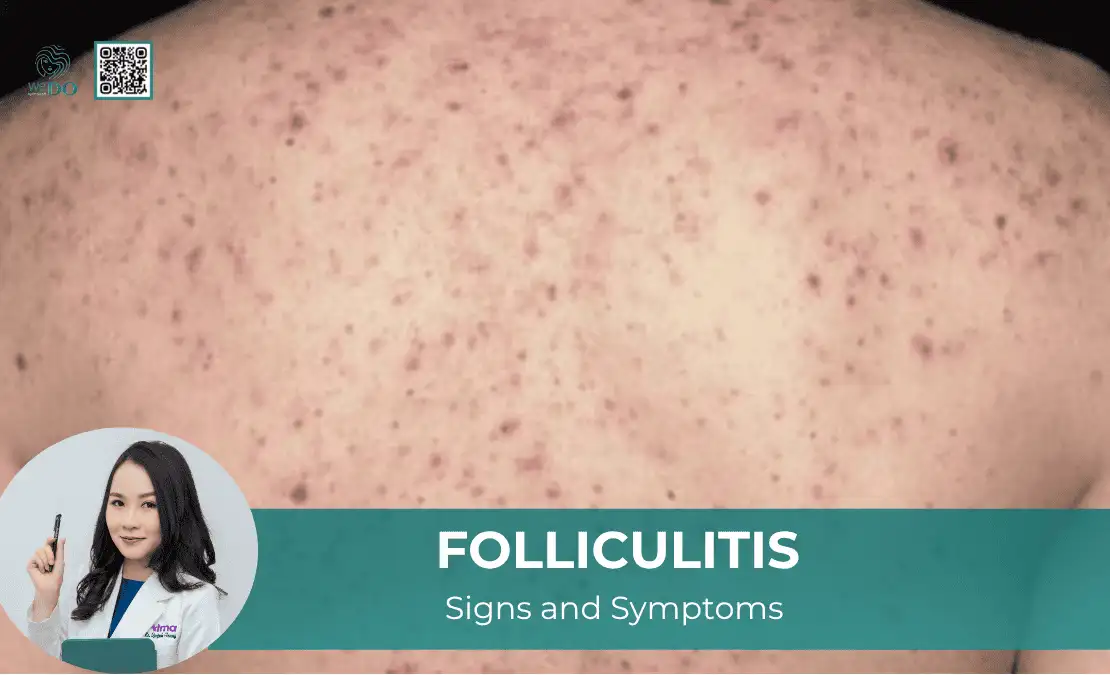
WHAT IS FOLLICULITIS AND HOW IS IT TREATED?
Folliculitis can affect anyone and may occur anywhere on the body except the palms and soles. Although it does not impact overall health, it often causes discomfort and reduces confidence due to cosmetic concerns. Without proper treatment, folliculitis tends to recur, making the skin appear less smooth. FOLLICULITIS – DEFINITION AND SIGNS AND SYMPTOMS Folliculitis
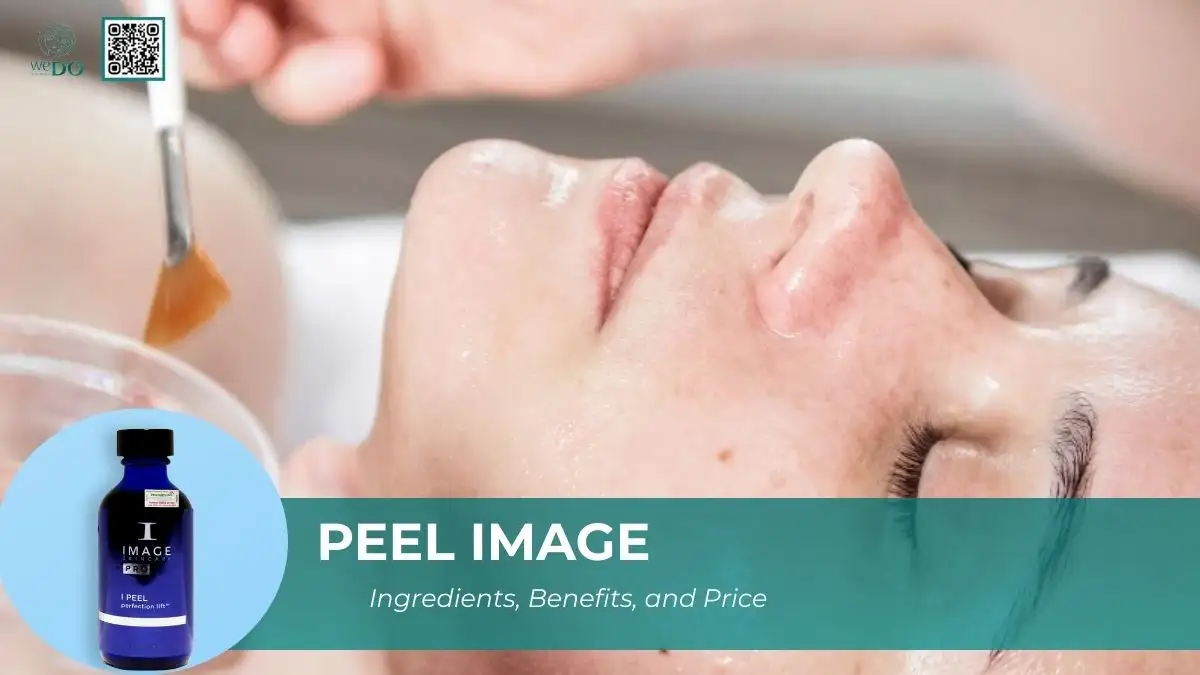
Image I Peel: Ingredients, Benefits, and Price
Peel Image (I Peel) is a familiar name among skincare enthusiasts, especially those who love chemical peels. But is this popular line really worth the hype — and what’s its price range? Let’s take a closer look. Key Ingredients of Peel Image Peel Image follows a multi-target, multi-mechanism principle — meaning it combines a variety
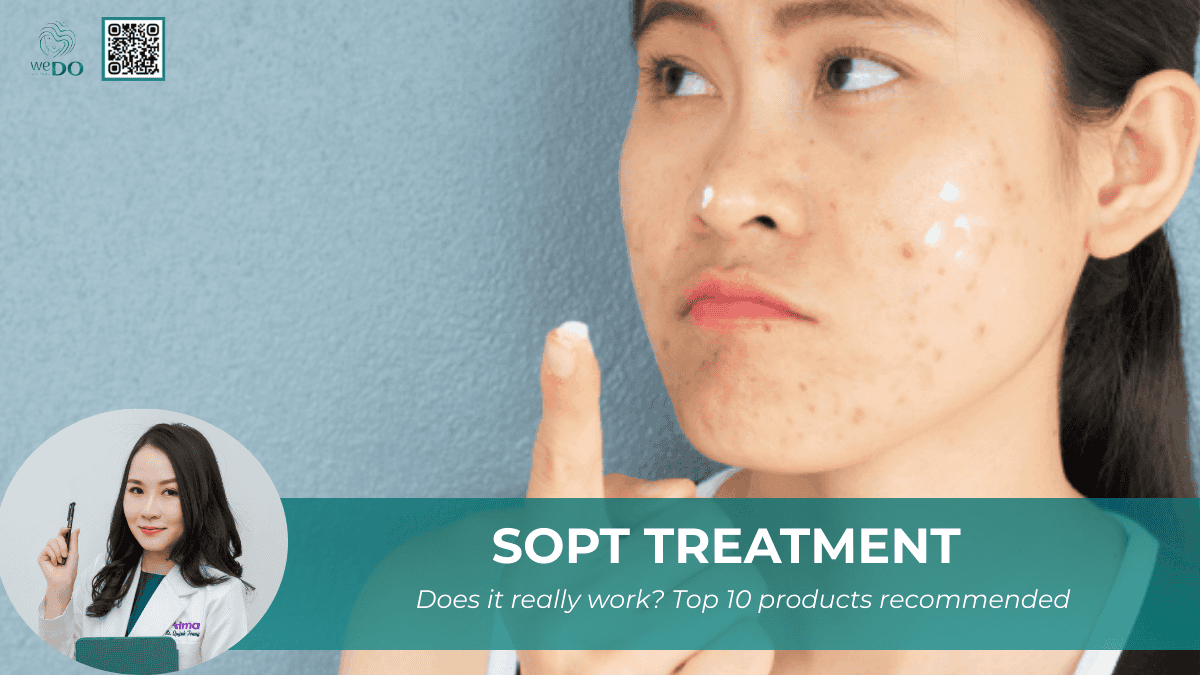
Does Acne Spot Treatment Really Work? Top 10 Products Recommended
Spot treatment is a familiar method for those dealing with acne-prone skin. It is simple, painless, affordable, and can be performed at home. The effectiveness depends largely on the active ingredients and the severity of acne. Benefits of Acne Spot Treatments Depending on their composition, different products serve distinct purposes, but generally, they work to:
Tác giả: wedo
Ngày đăng: 12/07/2025