


 VIE
VIE

Should warts be burned or not? What should be noted?
CONTENT
Although warts are not dangerous, they can cause aesthetic issues and spread easily if not treated properly. Among the current methods for treating warts, wart removal is considered a quick, thorough solution with high effectiveness. So, should you remove warts or not?
What is wart removal?
Wart removal is a dermatological surgical procedure aimed at eliminating keratinized proliferative masses on the skin surface caused by HPV (Human Papilloma Virus) infection. Depending on the severity and location of the warts, doctors will prescribe one of the common removal methods, such as electrosurgery, Fractional CO2 Laser, cryotherapy, etc. The goal of treatment is to thoroughly remove the damaged skin area, prevent virus spread, and regenerate new, healthy, evenly-colored skin.

Should you remove warts?
The answer is yes, but it depends on each individual case. According to advice from dermatologists, you should remove warts in the following cases:
- Warts that develop rapidly with signs of spreading.
- Lesions are located in areas prone to friction, causing pain, bleeding, or serious aesthetic issues (such as the face, neck, hands).
- Home treatment methods have been applied but are ineffective.
- History of immunodeficiency or easy transmission to surrounding people.
Wart removal must be performed under the guidance of a specialist doctor, ensuring effective lesion removal and reducing the risk of recurrence. Never attempt to remove warts at home using folk remedies or non-sterile instruments. If warts are left untreated for long periods, the virus can penetrate deep into the dermis, making the lesion more complex and potentially leaving permanent scars when treated later.
>>> You can refer to the article “Do warts go away on their own” to learn more about cases where warts resolve naturally and cases that require wart treatment methods.

Wart removal methods
Depending on the location, number, and depth of lesions, specialist doctors will prescribe appropriate wart removal methods to thoroughly eliminate virus sources and minimize recurrence risk. Below are the most common methods currently available:
Fractional CO₂ Laser
Fractional CO₂ Laser is modern technology using high-wavelength laser beams to directly target the damaged area. The laser mechanism works by precisely vaporizing target tissue without affecting healthy tissue, thereby minimizing post-treatment scarring. It can be seen that laser wart removal is an ideal method for thin skin areas, face and neck regions, or cases of deep warts that are difficult to treat with traditional methods. Fast recovery time, minimal pain, and high aesthetic results are outstanding advantages of this technique.
Electrosurgery
High-frequency electrosurgery uses high-frequency electrical current to generate heat, destroying wart tissue on the spot. This method is effective for large lesions, deep-rooted warts, or those that have recurred multiple times. After burning, doctors may combine root scraping to ensure complete pathogen removal. However, this technique requires high skill to control depth and avoid leaving depressed scars or post-inflammatory hyperpigmentation.
Cryotherapy
Liquid nitrogen cryotherapy is a method using extremely low temperatures to freeze and destroy wart cells. When in contact with liquid nitrogen, damaged cells become necrotic and fall off after several days. This technique is commonly prescribed for warts on hands, feet, or areas with thick keratinized layers. Although not very painful, cryotherapy usually requires multiple sessions, with effectiveness depending on root depth and individual body response.
Chemical or topical medication treatment
Treatment with chemicals or keratolytic topical medications (usually containing salicylic acid, trichloroacetic acid, or cantharidin) is an option for small, shallow, and newly appeared lesions. Active ingredients work by peeling the keratinized layer and destroying the wart tissue layer by layer. However, this method requires persistence, often taking several weeks to months, and easily recurs if the wart root is not completely removed.

What should be noted when removing warts?
Wart removal is a relatively simple procedure, but it still carries risks if not performed according to proper procedures and care. Below are important notes that patients need to remember:
Before wart removal:
- Undergo specialized dermatological examination to correctly identify the type of wart (common, genital, flat, clustered, etc.) and choose appropriate treatment methods.
- Do not self-apply medication, cut, scratch, or apply leaves to lesions, as this can easily cause infection and spreading.
- For people with keloid constitution or underlying conditions (diabetes, immunodeficiency), clearly inform the doctor for safe treatment guidance.
After wart removal:
- Keep the skin area clean and dry; do not peel scales or scrape lesions.
- Apply recovery medication as prescribed; avoid direct sunlight exposure if lesions are in exposed areas.
- Limit the use of cosmetics and soaps with strong cleansing agents during the skin recovery period.
- Return for follow-up as scheduled to evaluate treatment effectiveness and address any abnormal signs (swelling, redness, pus, prolonged pain, etc.).

How to care for wounds after wart removal
After wart removal, the skin undergoes a natural recovery process from 7 to 14 days, depending on constitution and treatment method. You need to care properly according to the dermatologist’s instructions to shorten wound healing time, prevent dark spots and scars, infection, and recurrence:
- Keep the skin area clean and dry: In the first 24-48 hours after removal, avoid direct water contact with the wound, only use saline solution or mild antiseptic solutions, avoiding perfumed soaps or strong cleansing agents.
- Do not peel scales or manipulate the damaged skin area: The scale layer is the body’s natural protective mechanism. Scraping and peeling can cause deeper skin damage, increasing the risk of dark spots or depressed scars.
- Apply regenerative and anti-inflammatory medication as instructed: After removal, doctors may prescribe antibiotic ointments, epithelial recovery agents, or anti-scar creams. You need to follow instructions to shorten skin regeneration time and limit complications.
- Absolutely avoid sun exposure: During the tender skin regeneration period, the post-treatment area is very sensitive to UV rays. You need to cover carefully when going outside, and only use sunscreen when the wound has completely closed.
- Limit vigorous exercise, rubbing, or using cosmetics on the treated skin area: This helps avoid irritation, inflammation, and prevents recurrence due to inappropriate mechanical impact.

Where should you remove warts in Ho Chi Minh City?
In Ho Chi Minh City, WEDO Skin Clinic is one of the highly-rated dermatology and medical aesthetics addresses for wart treatment using modern technology. With a team of highly specialized, experienced dermatologists, combined with modern technology systems like Fractional CO₂ Laser, high-frequency electrosurgery, and standard medical cryotherapy, WEDO provides personalized, safe, long-term, effective wart treatment protocols.
At WEDO, the wart removal process is standardized from examination, diagnosis, to treatment and post-treatment care. The intervention process helps thoroughly remove warts, thereby maintaining evenly-colored, healthy skin and preventing recurrence. Absolutely sterile treatment rooms, quick procedure time, painless, and especially committed to closely monitoring each customer’s recovery process.
WEDO Skin Clinic also stands out with clear after-sales policies, thorough post-treatment skin care consultation, and no unexpected costs. Customers can be completely confident when choosing.

Frequently asked questions
Is wart removal painful?
The answer is Yes. Before performing the procedure, doctors usually inject local anesthesia to minimize pain. However, after the anesthesia wears off, you may feel slight pain, burning, or mild discomfort at the removal site for several days.
How long is the recovery time after wart removal?
Recovery time depends on the size, location of the wart and removal method. Typically, the treated skin area will form scales or faint scars and heal within 1-3 weeks. For large or deep warts, the time may be longer.
Do warts recur after removal?
The answer is Yes. Warts can recur even after removal. This is because the HPV may still exist in the body or due to reinfection. Complete removal of infected cells and the body’s immune system play important roles in preventing recurrence.
Does wart removal leave scars?
The possibility of scarring depends on the removal method, depth of the wart, and individual constitution. Typically, scars after wart removal are usually small and faint, but some cases may leave more noticeable scars, especially if the warts are large or deep.
Who should not remove warts?
Pregnant women, people with weakened immune systems, those with bleeding disorders, or people with certain skin conditions, such as active skin infections in the area to be treated, may not be suitable for some removal methods. Always consult with a doctor for specific and safe advice.
Warts are benign lesions, but they need proper treatment to avoid aesthetic impact. Choosing the right treatment address, following post-removal care procedures, and performing under medical supervision are important factors to note. If you are wondering where to remove warts, WEDO Skin Clinic is a priority suggestion, ensuring safety, professionalism, and effectiveness.
WeDo District 1 – Tran Doan Khanh Street
- Hotline/Zalo/Whatsapp: 0898898875
- Address: 11 Tran Doan Khanh Street, Da Kao Ward, District 1, HCMC
WeDo District 2 – Thai Thuan Street
- Hotline/Zalo/Whatsapp: 0707196622
- Address: 17 Thai Thuan Street, An Phu Ward, Thu Duc City, HCMC
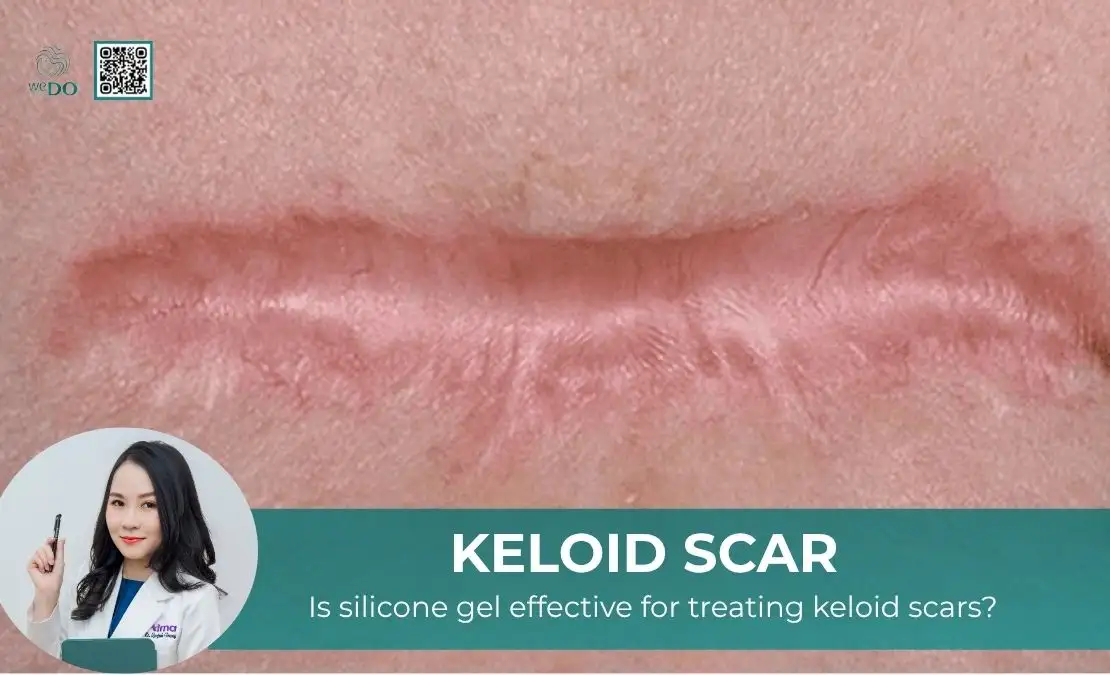
Is silicone gel effective for treating keloid scars?
Is silicone gel effective for treating keloid scars? For individuals with keloid scars, can topical treatments help flatten the scar? This is a common concern, as topical therapy is both cost-effective and non-invasive. If you are also curious, refer to the article below to find the answer. Is silicone gel effective for treating keloid scars?

What SPF level is sufficient for sunscreen?
What SPF level is sufficient for sunscreen? Does a higher SPF mean stronger and more effective sun protection? And is focusing solely on the SPF index enough to choose a suitable sunscreen for your skin? If you are also wondering about these questions, refer to the article below to find the answers. What is the
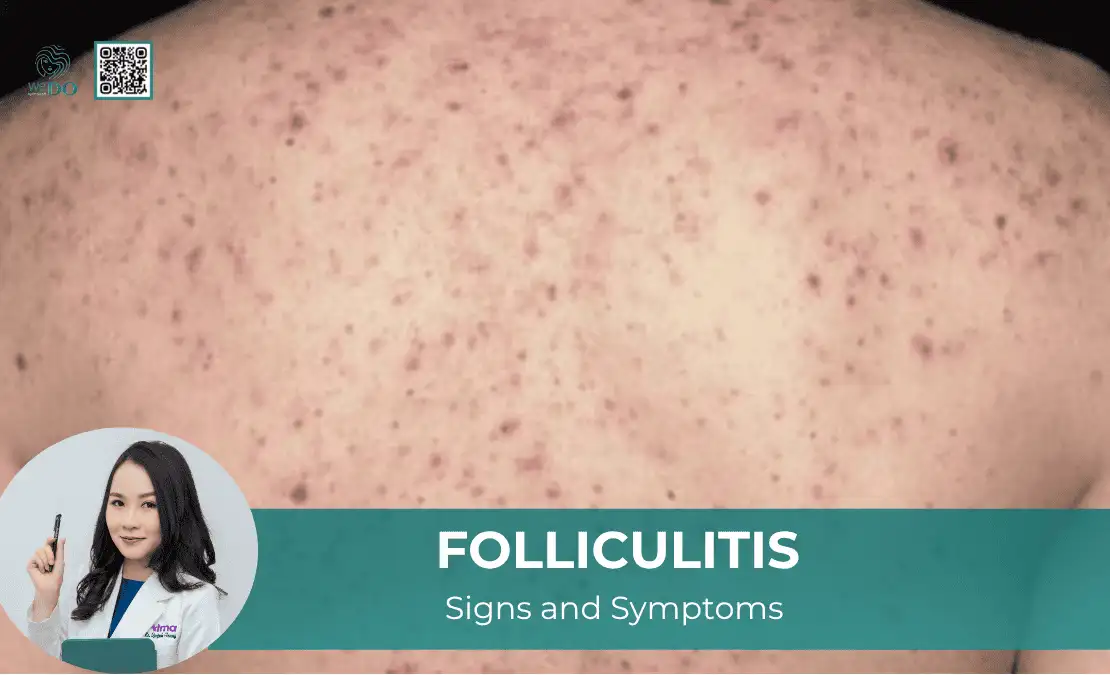
WHAT IS FOLLICULITIS AND HOW IS IT TREATED?
Folliculitis can affect anyone and may occur anywhere on the body except the palms and soles. Although it does not impact overall health, it often causes discomfort and reduces confidence due to cosmetic concerns. Without proper treatment, folliculitis tends to recur, making the skin appear less smooth. FOLLICULITIS – DEFINITION AND SIGNS AND SYMPTOMS Folliculitis
Image I Peel: Ingredients, Benefits, and Price
Peel Image (I Peel) is a familiar name among skincare enthusiasts, especially those who love chemical peels. But is this popular line really worth the hype — and what’s its price range? Let’s take a closer look. Key Ingredients of Peel Image Peel Image follows a multi-target, multi-mechanism principle — meaning it combines a variety
Does Acne Spot Treatment Really Work? Top 10 Products Recommended
Spot treatment is a familiar method for those dealing with acne-prone skin. It is simple, painless, affordable, and can be performed at home. The effectiveness depends largely on the active ingredients and the severity of acne. Benefits of Acne Spot Treatments Depending on their composition, different products serve distinct purposes, but generally, they work to:
Tác giả: wedo
Ngày đăng: 27/06/2025