


 VIE
VIE

Are warts on hands dangerous? Can they be cured?
CONTENT
Small wart bumps on hands may seem tiny, but they are extremely bothersome. They persist stubbornly, not only causing aesthetic issues but also making you feel self-conscious. So, what should you do when you have warts on your hands to effectively and safely “say goodbye” to these uninvited guests? Let’s explore the optimal solutions in the article below.
Signs of having warts on the hands
Warts on hands are a condition caused by Human Papilloma Virus (HPV) infection, particularly HPV strains that cause epidermal hyperplasia. This virus penetrates through micro-injuries on the skin, creating hard papular lesions that tend to spread if not effectively controlled. The identifying characteristics are as follows:
- Diverse sizes: From a few mm to over 1 cm, can appear individually or in clusters, especially around finger joints, around nails, palm areas, or between fingers.
- Rough surface: Easily observable with the naked eye, dry surface, slightly raised, may have scaling.
- Appearance of tiny black dots: Tiny black dots appear on the skin due to capillary blockage within the lesion structure – a characteristic commonly seen in common warts.
- May cause pain: Warts may cause pain when pressed firmly or when the damaged skin area comes into contact with external force, such as gripping heavy objects, washing hands with strong antiseptic solutions.
Warts can develop silently for many weeks or months before manifesting clearly on the skin. In some cases, lesions may spontaneously regress, but usually persist if left untreated.

Causes of warts on hands
The main cause of warts is HPV (Human Papillomavirus) penetrating the epidermis through scratches or skin injuries. There are over 100 HPV strains, with groups 1, 2, 4, and 7 commonly causing common warts on the hands. Some favorable factors that increase the risk of hand wart formation include:
- Contact with infection sources: Touching the skin of people with warts, sharing personal items like towels, nail clippers, and gloves (the virus can survive on object surfaces for many hours in humid conditions).
- Immune suppression: People with diabetes, immune disorders, using immunosuppressive drugs, or after chemotherapy/radiation therapy are usually more susceptible to warts and have longer treatment times.
- Habits that damage skin: Habits like nail biting, cutting nails too close to the cuticle, or unhygienic nail care cause the skin’s protective layer to be broken, creating conditions for viral penetration.
- Exposure to humid environments, chemicals, and improper skin hygiene reduces local resistance, thereby increasing the risk of HPV infection.
Clearly identifying the cause helps doctors choose the right intervention method, while also providing appropriate prevention solutions to avoid transmission to others or recurrence after treatment.
Are warts on the hands dangerous?
Warts on the hands are not dangerous. Essentially, warts are benign lesions caused by the HPV virus and do not threaten life. However, if not treated properly, this condition can cause many concerning problems, such as:
- Rapid spread: Warts can spread rapidly to adjacent skin areas or from person to person through direct or indirect contact. This easily occurs in work environments that frequently use their hands, such as offices, customer service, spas, or medical facilities.
- Causing discomfort and affecting aesthetics: Lesions can develop in number and size, causing pain, interference with activities, or seriously affecting aesthetics. Cases of warts growing around fingernails can deform nail structure or create conditions for secondary bacterial invasion, causing soft tissue inflammation.
- Difficult to self-heal without treatment: Hand warts are difficult to self-heal if the immune system is weakened, or if the patient has habits of scratching, breaking warts, and causing lesions to spread further. Therefore, although they are non-malignant lesions, warts still need medical evaluation and treatment for thorough control.
>>> Many people wonder, “Do warts go away on their own?”. This depends on each specific case. To know for sure, you need to visit a reputable dermatology clinic for examination and consultation.

Can warts on hands be cured?
Currently, with the development of dermatology and aesthetic technology, warts can be completely removed effectively and safely. However, the ability to cure depends on many factors such as the degree of lesion, individual treatment response, and the chosen method.
Treatment methods such as fractional CO₂ laser, high-frequency electrocautery, liquid nitrogen cryotherapy, or using specialized organic acids have been proven to bring clear results and limit recurrence. Doctors will base their decision on lesion location, wart root depth, number of warts, and skin type to prescribe appropriate methods.
However, to completely cure and maintain healthy skin, you need to combine post-treatment care, maintain hand hygiene, boost immunity, and strictly follow the doctor’s instructions. In cases of treatment-resistant warts or frequent recurrence, intensive monitoring and timely treatment protocol adjustment are needed.
The important thing is not to arbitrarily use folk remedies or medications of unknown origin, as this can cause skin irritation, leave scars, or cause warts to spread. Early treatment under professional guidance helps increase the rate of complete recovery and minimizes unwanted complications.
>>> You can refer to: Are warts contagious?

How to prevent warts on hands from recurring
Although modern treatment methods can effectively remove warts, the risk of recurrence still exists if proper care and prevention are not combined. To minimize the possibility of warts returning, it is necessary to implement multiple measures synchronously, focusing on controlling infection factors and enhancing the body’s natural immune barrier. Below are some professional recommendations to help prevent hand wart recurrence:
- Maintain frequent hand hygiene with antibacterial soap or mild antiseptic solutions, especially after contact with public places, shared objects, or damaged skin areas.
- Avoid scratching, rubbing, or arbitrarily squeezing warts, as this is the cause of spreading pathogens to healthy skin areas.
- Do not share personal items such as hand towels, nail clippers, gloves, or razors with others.
- Proper hand skin care, especially when skin is scratched, dry, or cracked, always use restorative moisturizers and protective gloves when exposed to chemicals.
- Enhance natural immunity through a balanced diet, adequate sleep, appropriate exercise, and stress control.
- Regular follow-up after treatment for doctors to assess the recovery level and early detection of abnormal signs, avoiding silent wart redevelopment.

Some frequently asked questions
How long does it take for warts to heal?
Warts may spontaneously disappear in about 25% of cases within 3-6 months and 65% after 2 years if you have a good immune system. However, there are also cases where warts persist for over 5 years if your immune system is compromised.
Are warts on hands contagious?
The answer is Yes. Hand warts are highly contagious as the HPV virus can spread from person to person through direct skin contact or indirectly through sharing daily items.
Can warts on hands heal by themselves?
In some cases, especially in children and with newly appeared warts, warts may self-heal after several months or years, thanks to the body’s immune system. However, in adults or warts that have existed for a long time, the ability to self-heal is lower and usually requires treatment intervention.
Do warts on hands leave scars?
Most wart treatment methods carry the risk of leaving scars, though usually faint or small scars. The degree of scarring depends on the treatment method, size, and depth of the wart, as well as individual constitution. Less invasive methods usually leave fewer scars.
Having warts on hands may not be dangerous to overall health, but can leave many consequences in terms of aesthetics, daily activities, and psychology if neglected or handled incorrectly. Correctly identifying the cause, timely treatment with specialized methods, combined with proper care and prevention, will help effectively remove warts, reduce recurrence risk, and protect healthy, confident hand skin.
WeDo District 1 – Tran Doan Khanh Street
- Hotline/Zalo/Whatsapp: 0898898875
- Address: 11 Tran Doan Khanh Street, Da Kao Ward, District 1, HCMC
WeDo District 2 – Thai Thuan Street
- Hotline/Zalo/Whatsapp: 0707196622
- Address: 17 Thai Thuan Street, An Phu Ward, Thu Duc City, HCMC
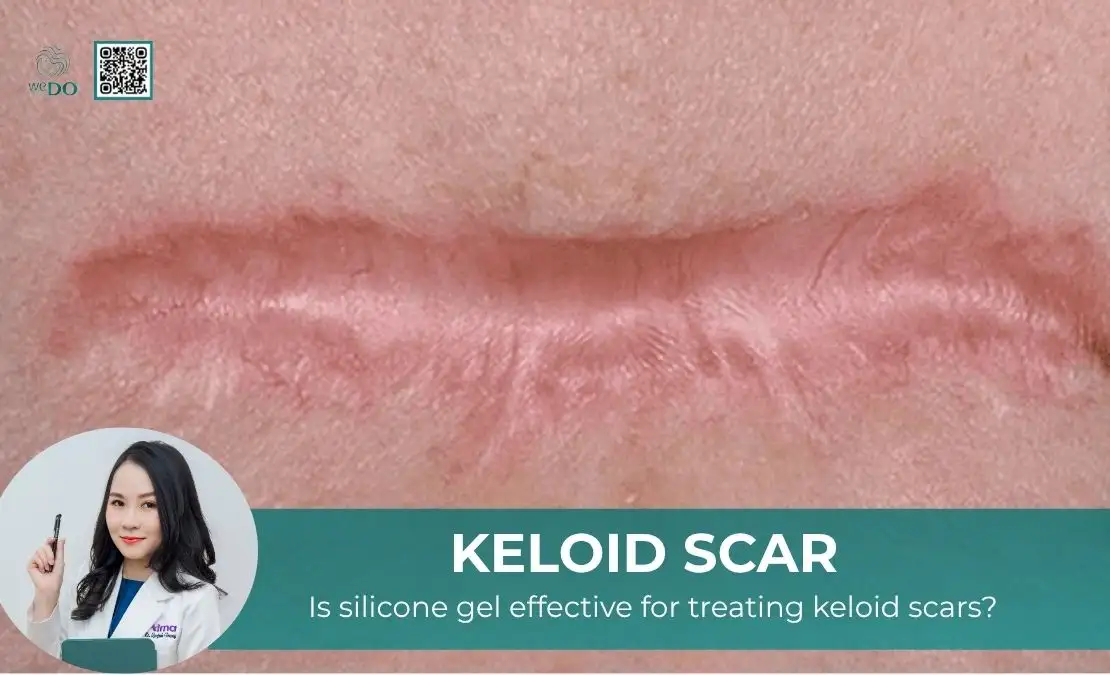
Is silicone gel effective for treating keloid scars?
Is silicone gel effective for treating keloid scars? For individuals with keloid scars, can topical treatments help flatten the scar? This is a common concern, as topical therapy is both cost-effective and non-invasive. If you are also curious, refer to the article below to find the answer. Is silicone gel effective for treating keloid scars?

What SPF level is sufficient for sunscreen?
What SPF level is sufficient for sunscreen? Does a higher SPF mean stronger and more effective sun protection? And is focusing solely on the SPF index enough to choose a suitable sunscreen for your skin? If you are also wondering about these questions, refer to the article below to find the answers. What is the
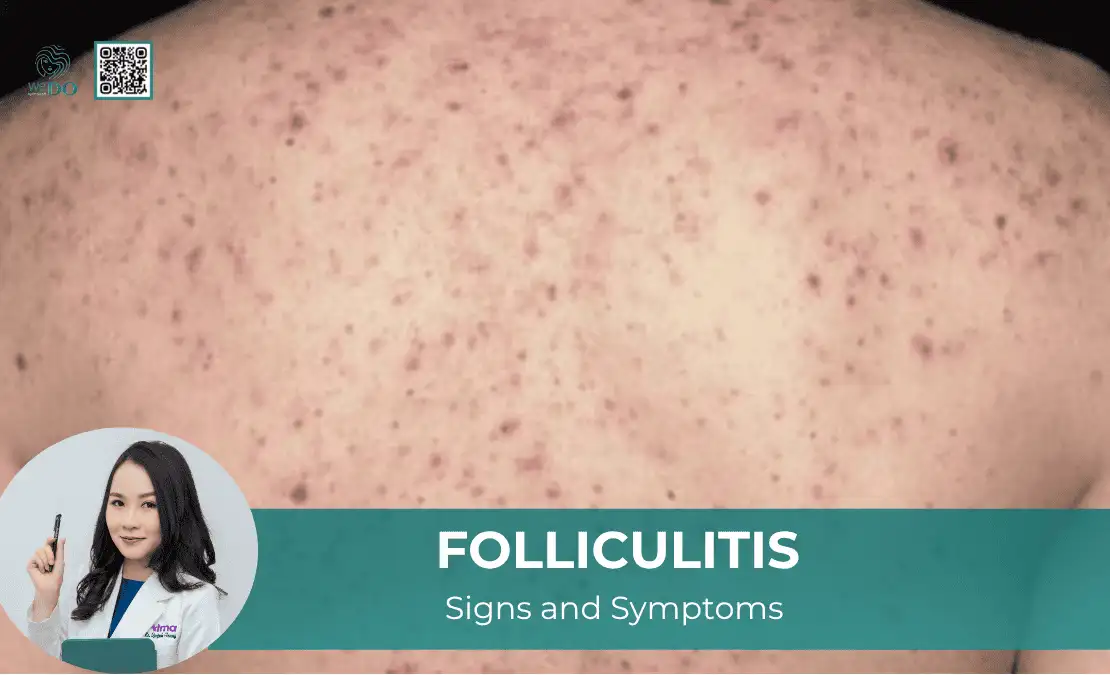
WHAT IS FOLLICULITIS AND HOW IS IT TREATED?
Folliculitis can affect anyone and may occur anywhere on the body except the palms and soles. Although it does not impact overall health, it often causes discomfort and reduces confidence due to cosmetic concerns. Without proper treatment, folliculitis tends to recur, making the skin appear less smooth. FOLLICULITIS – DEFINITION AND SIGNS AND SYMPTOMS Folliculitis
Image I Peel: Ingredients, Benefits, and Price
Peel Image (I Peel) is a familiar name among skincare enthusiasts, especially those who love chemical peels. But is this popular line really worth the hype — and what’s its price range? Let’s take a closer look. Key Ingredients of Peel Image Peel Image follows a multi-target, multi-mechanism principle — meaning it combines a variety
Does Acne Spot Treatment Really Work? Top 10 Products Recommended
Spot treatment is a familiar method for those dealing with acne-prone skin. It is simple, painless, affordable, and can be performed at home. The effectiveness depends largely on the active ingredients and the severity of acne. Benefits of Acne Spot Treatments Depending on their composition, different products serve distinct purposes, but generally, they work to:
Tác giả: wedo
Ngày đăng: 28/06/2025