


 VIE
VIE

Tips for Caring for Oily Acne-Prone Skin
CONTENT
Oily skin produces excess sebum, which easily clogs pores and leads to breakouts. That’s why caring for oily, acne-prone skin requires not only proper cleansing but also oil control and the right skincare products. With a suitable routine, oily skin can become clearer, healthier, and less prone to acne.
Identifying Oily Skin
Facial skin generally falls into three types: oily, dry, and combination (oily- or dry-prone). Correctly identifying your skin type helps you choose the right products and build an effective routine.
Key characteristics of oily skin
-
Shiny, greasy appearance: especially in the T-zone.
-
Enlarged pores, blackheads, whiteheads, acne: excess oil trapped in pores creates blockages and fosters bacterial growth.

How to test for oily skin:
-
After cleansing: if most areas become shiny within 1–2 hours, your skin is oily. If only the T-zone is oily while cheeks feel dry, you have combination skin.
-
Blotting paper: if the paper turns transparent, you likely have oily skin.
-
Touch test: oil residue on your fingers indicates excess sebum.
Skincare Routine for Oily, Acne-Prone Skin
Cleansing/Makeup Removal
- Removes dirt, sunscreen, and excess oil.
- Options: oil or balm cleansers for makeup; micellar water for daily use or sunscreen; gentle micellar water for inflamed acne.
- Important: emulsify oil cleansers thoroughly to avoid residue.
Facial Cleanser
- Use formulas with BHA (salicylic acid), AHA (glycolic acid), copper sulfate, zinc gluconate etc.
- Wash twice daily; avoid over-cleansing to prevent rebound oil production.

Exfoliation
- 2–3 times/week with scrubs or chemical exfoliants (AHA/BHA).
- Avoid when skin is inflamed or severely acneic.
Toner/Lotion
Alcohol-free formulas to rebalance pH and soothe skin.
Targeted Serum (for acne-prone skin)
- Choose products with glycerin, salicylic acid, glycolic acid to regulate oil and calm acne.
- For persistent or severe acne, consult a dermatologist.
Moisturizer
- Essential even for oily skin. Hydrated skin produces less sebum.
- Opt for lightweight gel-based, oil-free, non-comedogenic products.
Sun protection is mandatory in all routines. If skin isn’t too oily or acne-prone, steps can be simplified to cleansing, toning, moisturizing, and sunscreen.
Guidelines for Choosing Products
-
Prioritize oil-free and non-comedogenic formulas.
-
Lightweight textures: gels, lotions, or serums.
-
Avoid irritants: drying alcohols, strong fragrance, mineral oils.
-
Look for dermatologically tested products labeled for oily/acne-prone skin.
-
Active ingredients to consider: salicylic acid, niacinamide, zinc PCA, clay.

Lifestyle Tips for Oily, Acne-Prone Skin
-
Stay hydrated.
-
Eat a balanced diet with vegetables, fruits, fiber, omega-3; avoid excessive sugar, fried foods, and fast food.
-
Get enough sleep and manage stress to regulate hormones.
-
Avoid polluted environments; cleanse thoroughly after exposure.
-
Use cosmetics in moderation; avoid layering too many products or heavy makeup.
Conclusion
Caring for oily, acne-prone skin requires consistency, proper product selection, and a healthy lifestyle. With the right approach—cleansing, moisturizing, protecting, and balancing—the skin can improve significantly. For persistent or severe acne, seek professional guidance from a dermatologist.
Related articles:
FAQs on Oily Acne-Prone Skin
1. Why is oily skin more acne-prone?
Overactive sebaceous glands trap oil and dead cells in pores, creating blockages and bacterial growth.
2. Does oily skin need moisturizer?
Yes. Adequate hydration prevents excess sebum production.
3. Why not wash the face too often?
Over-cleansing strips natural oils, causing rebound oiliness.
4. What lifestyle habits help?
Sufficient sleep, hydration, balanced diet, reduced sugar/fats, and stress management.
5. What to do when acne worsens and is hard to control?
Visit a trusted dermatology clinic such as Wedo Skin Clinic for personalized treatment and product recommendations.

About Morpheus8 – The Rejuvenation Device Highly Sought After by Celebrities
There is a rejuvenation device that has successfully won over some of the world’s top celebrities. It is Morpheus8 – an advanced RF microneedling technology, honored to rank among the top two most popular aesthetic technologies worldwide. If you are still unfamiliar with this device and technology, explore the article below so you do not

Skintag & Mole removal: What method is good?
Skin tags and moles are common skin concerns that many people choose to remove for cosmetic reasons or personal comfort. Skin tags usually appear as small raised bumps that make the skin surface look uneven, while moles often develop when pigment cells cluster in one area instead of being distributed evenly across the skin. Sun
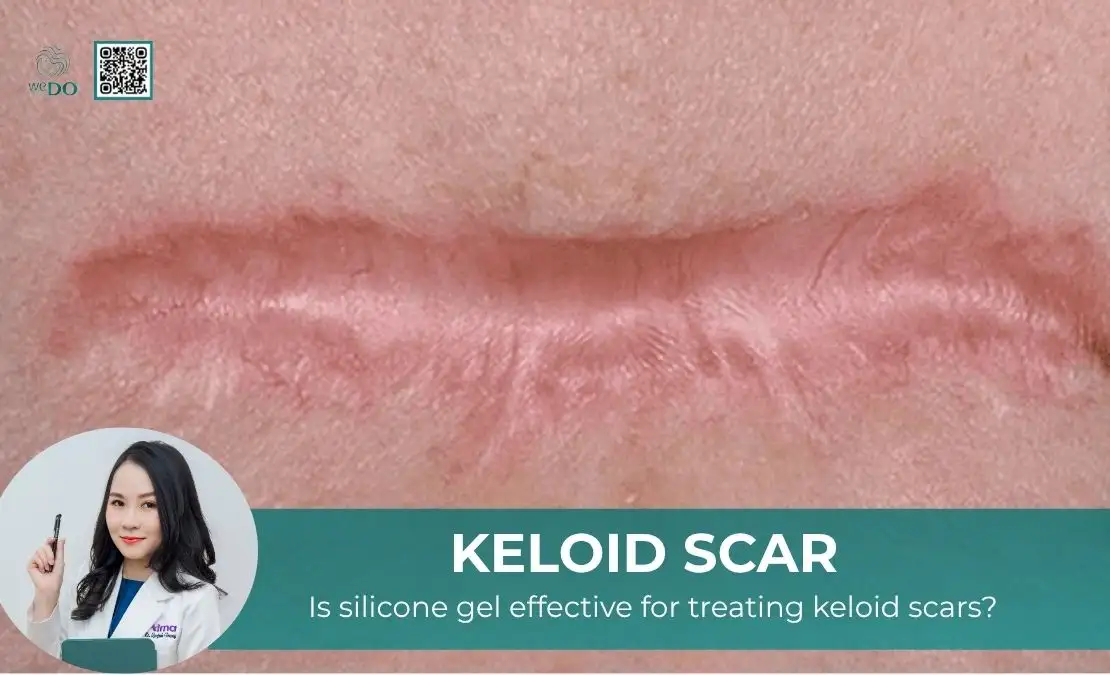
Is silicone gel effective for treating keloid scars?
Is silicone gel effective for treating keloid scars? For individuals with keloid scars, can topical treatments help flatten the scar? This is a common concern, as topical therapy is both cost-effective and non-invasive. If you are also curious, refer to the article below to find the answer. Is silicone gel effective for treating keloid scars?

What SPF level is sufficient for sunscreen?
What SPF level is sufficient for sunscreen? Does a higher SPF mean stronger and more effective sun protection? And is focusing solely on the SPF index enough to choose a suitable sunscreen for your skin? If you are also wondering about these questions, refer to the article below to find the answers. What is the
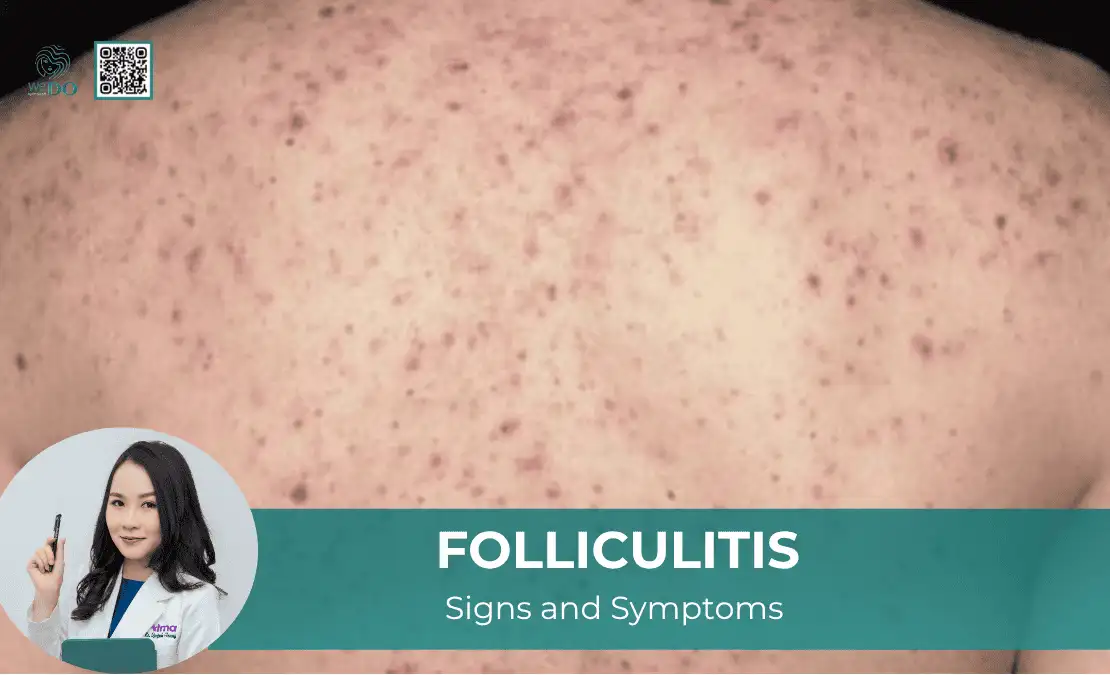
WHAT IS FOLLICULITIS AND HOW IS IT TREATED?
Folliculitis can affect anyone and may occur anywhere on the body except the palms and soles. Although it does not impact overall health, it often causes discomfort and reduces confidence due to cosmetic concerns. Without proper treatment, folliculitis tends to recur, making the skin appear less smooth. FOLLICULITIS – DEFINITION AND SIGNS AND SYMPTOMS Folliculitis
Tác giả: Huong Giang
Ngày đăng: 13/09/2025