


 VIE
VIE

Should Acne Be Extracted and When Is the Right Time?
CONTENT
Acne is never desirable, so many people instinctively want to extract it immediately for relief. However, what seems like a simple action can pose significant risks if not performed correctly. The questions arise: Should acne be extracted, and when is the appropriate time to do so safely?
Should Acne Be Extracted?
The answer is yes, but only if done properly and at the right time. Acne lesions, particularly blackheads, mature comedones, or encapsulated lesions, are unlikely to resolve on their own. Leaving them untreated for too long can create subcutaneous gaps that eventually lead to pitted scars. In these cases, extraction is necessary to remove the comedonal core.
For safety and efficacy, acne extraction should ideally be performed by a dermatologist to ensure thorough removal without post-inflammatory hyperpigmentation or scarring. Certain types of acne, such as superficial blackheads and whiteheads that have surfaced, may be managed at home. However, inflamed or pus-filled lesions should always be treated under medical supervision to avoid complications.

When Should Acne Be Extracted?
The optimal time for extraction is when the lesion has “matured,” meaning the comedonal core has consolidated and is close to the surface. At this stage, only minimal pressure is required for removal.
Signs that acne is ready for extraction include:
-
The head of the lesion turns white or yellow and is visible on the skin surface.
-
Tenderness and swelling subside; the lesion is no longer painful.
-
The core feels dry and protrudes slightly.
-
The lesion becomes smaller compared to its initial size.
-
Local inflammation decreases, and surrounding skin redness resolves.

When Should Acne Not Be Extracted?
Avoid extraction in the following situations:
-
Lesions that are inflamed, swollen, painful, or red. Interfering at this stage may spread bacteria and worsen acne.
-
Comedones with cores that remain deep under the skin or have not surfaced. Premature extraction can cause tissue damage and convert non-inflammatory acne into inflammatory lesions.
-
Painful, clustered, or cystic acne with fluid or pus, which signals severe inflammation. These cases require medical evaluation and treatment, not self-extraction.
Consequences of Premature Extraction
Extracting immature acne can exacerbate the condition, trigger infection, and cause permanent scarring. When the core has not consolidated, excessive force is often applied, which fails to remove the lesion completely and damages the surrounding tissue, leading to hyperpigmentation or scarring. Residual contents may flare up, forming larger inflammatory lesions.
In some cases, improper extraction around sensitive areas such as the mouth and nose—rich in nerve endings—can damage nerves, cause pain, and even lead to bloodstream infections (sepsis) if bacteria spread.

Safe Acne Extraction Procedure at Wedo Skin Clinic
To minimize risks, acne extraction should be carried out by trained professionals. At Wedo Skin Clinic, dermatologists and technicians conduct a thorough skin assessment to determine acne type and severity before proceeding with a standardized medical protocol:
Step 1: Cleansing the skin
-
Technician changes gloves (first set)
-
Makeup removal
-
Facial cleansing
-
Exfoliation
-
pH balancing
Step 2: Steam therapy
-
Softens skin and dilates pores, facilitating easier extraction while reducing pain and trauma.
Step 3: Sebum suction
-
Excess oil and comedones, especially in the T-zone, chin, and nose, are removed using vacuum suction with a glass tube.
Step 4: Medical-standard extraction
-
Technician changes gloves (second set)
-
Sterile instruments prepared: comedone extractor, sterile cotton swabs, needle, povidone-iodine solution, saline, sterile gauze
-
Skin disinfected with povidone-iodine, then cleansed with saline
-
Comedones extracted thoroughly
-
Post-extraction disinfection with povidone-iodine and saline cleansing
Step 5: Additional treatments as prescribed
-
May include acne-specific serums via iontophoresis or blue light therapy.
Step 6: Final care
-
Facial cleansing, application of moisturizer, and completion of the treatment session.
Conclusion
Acne extraction is not inherently harmful, but timing and proper technique are critical. By understanding the skin’s signals, choosing the right moment, and using the correct method, the risks of scarring or infection can be minimized. For inflamed or complex acne, it is strongly recommended to seek treatment from a qualified dermatologist or reputable clinic to ensure safe and effective outcomes.
Frequently Asked Questions
1. Does acne extraction harm the skin?
Yes, if performed incorrectly or too early, it can cause skin damage, infection, scarring, and hyperpigmentation.
2. What are the signs that acne is ready for extraction?
When the lesion’s head turns white or yellow, swelling subsides, and the core becomes dry and elevated on the skin’s surface.
3. Which types of acne should not be extracted at home?
Inflamed, red, pustular, or deep-seated lesions should not be self-extracted, as they may worsen.
4. How does Wedo Skin Clinic perform acne extraction?
Wedo Skin Clinic follows a medical-standard protocol with thorough sterilization, dermatologist evaluation, and safe extraction techniques to minimize complications.
5. What are the risks of extracting acne too early?
Premature extraction may cause infection, pitted scarring, or worsen the spread of acne lesions.

About Morpheus8 – The Rejuvenation Device Highly Sought After by Celebrities
There is a rejuvenation device that has successfully won over some of the world’s top celebrities. It is Morpheus8 – an advanced RF microneedling technology, honored to rank among the top two most popular aesthetic technologies worldwide. If you are still unfamiliar with this device and technology, explore the article below so you do not

Skintag & Mole removal: What method is good?
Skin tags and moles are common skin concerns that many people choose to remove for cosmetic reasons or personal comfort. Skin tags usually appear as small raised bumps that make the skin surface look uneven, while moles often develop when pigment cells cluster in one area instead of being distributed evenly across the skin. Sun
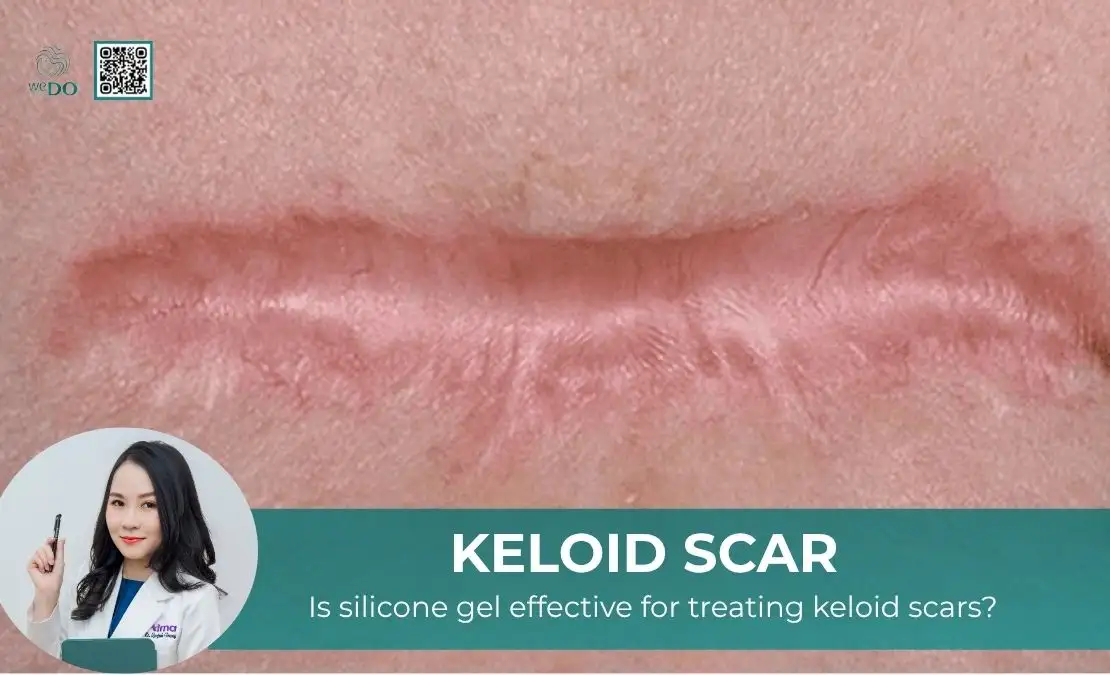
Is silicone gel effective for treating keloid scars?
Is silicone gel effective for treating keloid scars? For individuals with keloid scars, can topical treatments help flatten the scar? This is a common concern, as topical therapy is both cost-effective and non-invasive. If you are also curious, refer to the article below to find the answer. Is silicone gel effective for treating keloid scars?

What SPF level is sufficient for sunscreen?
What SPF level is sufficient for sunscreen? Does a higher SPF mean stronger and more effective sun protection? And is focusing solely on the SPF index enough to choose a suitable sunscreen for your skin? If you are also wondering about these questions, refer to the article below to find the answers. What is the
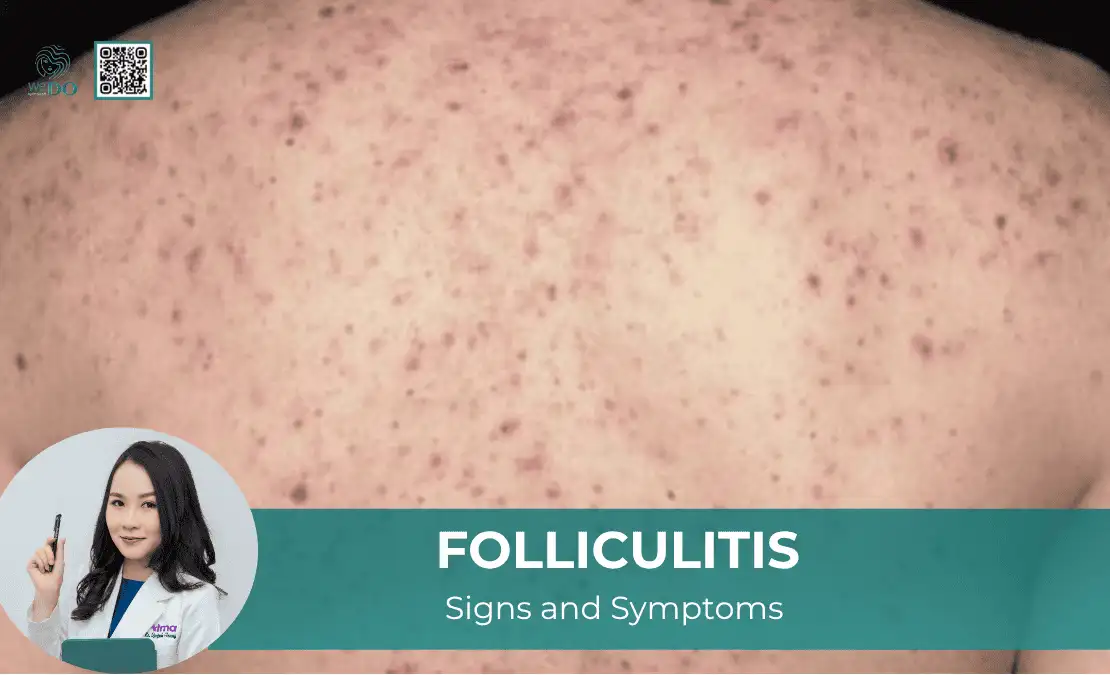
WHAT IS FOLLICULITIS AND HOW IS IT TREATED?
Folliculitis can affect anyone and may occur anywhere on the body except the palms and soles. Although it does not impact overall health, it often causes discomfort and reduces confidence due to cosmetic concerns. Without proper treatment, folliculitis tends to recur, making the skin appear less smooth. FOLLICULITIS – DEFINITION AND SIGNS AND SYMPTOMS Folliculitis
Tác giả: Huong Giang
Ngày đăng: 30/08/2025