


 VIE
VIE

How to whiten sunburned face?
CONTENT
When skin is frequently exposed to UV rays without proper protection, the epidermis is easily damaged, weakening the skin’s protective barrier, leading to pigmentation disorders and accelerated aging. So, how to restore brightness to sunburned facial skin? The article below analyzes the mechanism of sunburn, its causes, and effective methods to improve skin pigmentation after damage.
Causes of Sunburned Skin
Sunburn is an acute inflammatory response of the skin due to exposure to ultraviolet radiation from sunlight. This process can be triggered by three main factors: DNA damage to cells, disruption of the skin’s protective barrier, and post-inflammatory hyperpigmentation. Specific causes include:
Impact of UV Rays
Sunlight contains two types of ultraviolet rays that affect the skin, including:
- UVA rays (320-400nm): These penetrate deep into the dermis, breaking down collagen and elastin structures, causing premature skin aging and weakening the skin’s natural protective function.
- UVB rays (290-320nm): These primarily affect the epidermis, directly causing DNA damage to keratin cells, triggering inflammation and sunburn. UVB rays are also the main cause of skin redness, burning, and peeling.
Lack of Skin Protection During Sun Exposure
Not using sunscreen, using it incorrectly (applying insufficient amounts, not reapplying every 2-3 hours, or choosing the wrong SPF/PA rating), is a common cause of sunburn. Additionally, habits like not wearing hats, sunglasses, or clothing that covers exposed skin when outdoors also make the skin more prone to damage.
Exposure to Sunlight During High UV Intensity Periods
The hours from 10 AM to 3 PM are when UV rays are at their peak, especially in tropical regions. Radiation intensity during this time can exceed safe levels for the skin after just 10-20 minutes of direct exposure.
Sensitive or Fair Skin Types
People with fair, thin skin and low melanin levels have weaker natural protection against UV rays. Since melanin absorbs and disperses ultraviolet radiation, those with less melanin are more susceptible to sunburn, melasma, and oxidative damage.
Sensitive Skin or Post-Aesthetic Procedure Skin
After procedures like microneedling, chemical peels, or laser treatments, the skin enters a regeneration phase, becoming thin and prone to irritation. Without thorough protection, the skin reacts strongly to UV rays, increasing the risk of post-inflammatory hyperpigmentation (PIH).
Use of Photosensitizing Medications or Products
Certain medications with phototoxic or photosensitizing properties increase the skin’s reaction to sunlight, including:
- Antibiotics in the tetracycline group (doxycycline, minocycline)
- Retinoids (isotretinoin, tretinoin)
- Thiazide diuretics
- Certain NSAIDs (piroxicam, ketoprofen)
Additionally, citrus essential oils like orange or lemon in natural cosmetics can make skin more photosensitive if not thoroughly cleansed before sun exposure.

How to Restore Brightness to Sunburned Facial Skin?
To safely restore sunburned skin and brighten pigmentation, focus on four goals: restoring the skin barrier, controlling inflammation, inhibiting melanin production, and maintaining strict sun protection. Here’s how:
Soothing and Acute Recovery After Damage
Within the first 24-72 hours after sunburn, the skin enters an acute inflammatory phase. This is the time to prioritize soothing and restoring the skin barrier:
- Apply cold compresses or isotonic mist to reduce burning sensations and cool the epidermis.
- Use barrier-repair creams containing ingredients like panthenol (vitamin B5), madecassoside (centella asiatica extract), ceramide, or low-concentration niacinamide.
- Avoid using strong actives like AHA, BHA, retinoids, or vitamin C during this phase, as they may worsen inflammation.
- Do not scratch or peel flaking skin to avoid triggering post-inflammatory hyperpigmentation (PIH).
>>> Learn more about safe ways to brighten facial skin to keep your skin radiant, bright, and vibrant!

Controlling Hyperpigmentation and Brightening Post-Inflammatory Skin
After 5-7 days, when inflammation subsides, the skin enters the post-inflammatory hyperpigmentation phase. At this stage, you can begin brightening interventions with melanin-inhibiting actives:
- Niacinamide (4-10%): Inhibits melanosome transfer, safely improving skin pigmentation with good tolerance.
- Alpha-arbutin (2%): Brightens skin by inhibiting tyrosinase, a key enzyme in melanin synthesis.
- Azelaic acid (10-20%): Brightens skin and supports anti-inflammatory effects (note: 20% azelaic acid is not suitable for sensitive skin).
- Tranexamic acid: Inhibits plasmin activation in skin inflammation, reducing melanin production related to inflammatory responses.
All these activities should be used under the guidance and monitoring of a dermatologist, especially if the skin is sensitive or has deep damage.
>>> Learn more about acne treatment products containing salicylic acid to choose the right product and avoid hyperpigmentation from sun exposure.
Maintaining Strict Sun Protection
This is a mandatory and decisive step in the sunburn recovery process:
- Use broad-spectrum sunscreen with SPF ≥ 50, PA++++, prioritizing physical or hybrid sunscreens for sensitive skin.
- Reapply every 2-3 hours when outdoors or after heavy sweating.
- Combine with physical protection: face masks, wide-brimmed hats, sunglasses, and UV-protective clothing.
- Avoid sun exposure during high UV hours (10 AM–3 PM) for at least 2 weeks post-damage.

Enhance Nutrition and Antioxidants from Within
A proper diet plays a supportive role in skin recovery:
- Consume foods rich in vitamins A, C, E, and zinc to accelerate skin regeneration and neutralize free radicals caused by UV exposure.
- Drink sufficient water (2-2.5 liters/day) to maintain hydration and support the circulatory system in nourishing the skin.
- Consider oral sunscreen supplements containing Polypodium leucotomos, Lutein, Astaxanthin, or Beta-carotene as prescribed by a doctor.
Things to Avoid to Prevent Facial Sunburn
To minimize facial sunburn, avoid the following mistakes:
- Not using sunscreen daily: This is the leading cause of UV-related skin damage. Those with sensitive skin, post-treatment skin, or existing melasma need to use sunscreen consistently and correctly.
- Applying insufficient sunscreen or not reapplying: Sunscreen should be applied at 2mg/cm² and reapplied every 2-3 hours or after sweating or swimming.
- Being careless during high UV hours: From 10 AM to 3 PM, UV intensity peaks. Going out during these hours without proper protection significantly increases sunburn risk.
- Using photosensitizing cosmetics without proper protection: Products containing AHA, BHA, retinoids, or citrus essential oils can increase photosensitivity. Without proper protection, the skin is highly prone to deep damage.
- Over-exfoliating or peeling at incorrect frequencies: This habit can thin the epidermis and weaken the skin barrier, making it easier for UV radiation to penetrate.
>>> Learn more about the benefits of chemical peels for acne treatment to understand their effects and avoid incorrect practices that weaken the skin barrier.

Common Questions
How long does it take for skin to recover after sunburn?
Recovery time depends on the severity of the damage. For mild sunburn, the skin may recover in 5-7 days. If peeling or hyperpigmentation occurs, recovery can take 2-6 weeks, requiring additional restorative and brightening products.
Should you exfoliate after sunburn?
Avoid exfoliating sunburned skin for at least 7-10 days to prevent further damage.
Can you apply whitening masks immediately after sunburn?
Avoid applying whitening masks right after sunburn. During the initial recovery phase, the skin needs soothing and restoration, so avoid these products to prevent irritation or worsening inflammation.
Can sunscreen help restore skin brightness after sunburn?
Sunscreen does not directly brighten skin but plays a crucial role in preventing new damage, supporting brightening treatment efficacy, and preventing recurring darkening.
Sunburn is an acute skin injury, but it can be prevented and recovered from with proper care. Understanding the damage mechanism, caring for the skin in stages, and maintaining strict sun protection are key to restoring skin structure, controlling pigmentation, and regaining an even-toned, healthy complexion. If you’re still wondering how to restore brightness to sunburned facial skin, start by listening to your skin, adjusting care habits, and using the right actives as advised by dermatologists.
WeDo District 1 – Tran Doan Khanh Street
- Hotline/Zalo/Whatsapp: 0898898875
- Address: 11 Tran Doan Khanh Street, Da Kao Ward, District 1, HCMC
WeDo District 2 – Thai Thuan Street
- Hotline/Zalo/Whatsapp: 0707196622
- Address: 17 Thai Thuan Street, An Phu Ward, Thu Duc City, HCMC
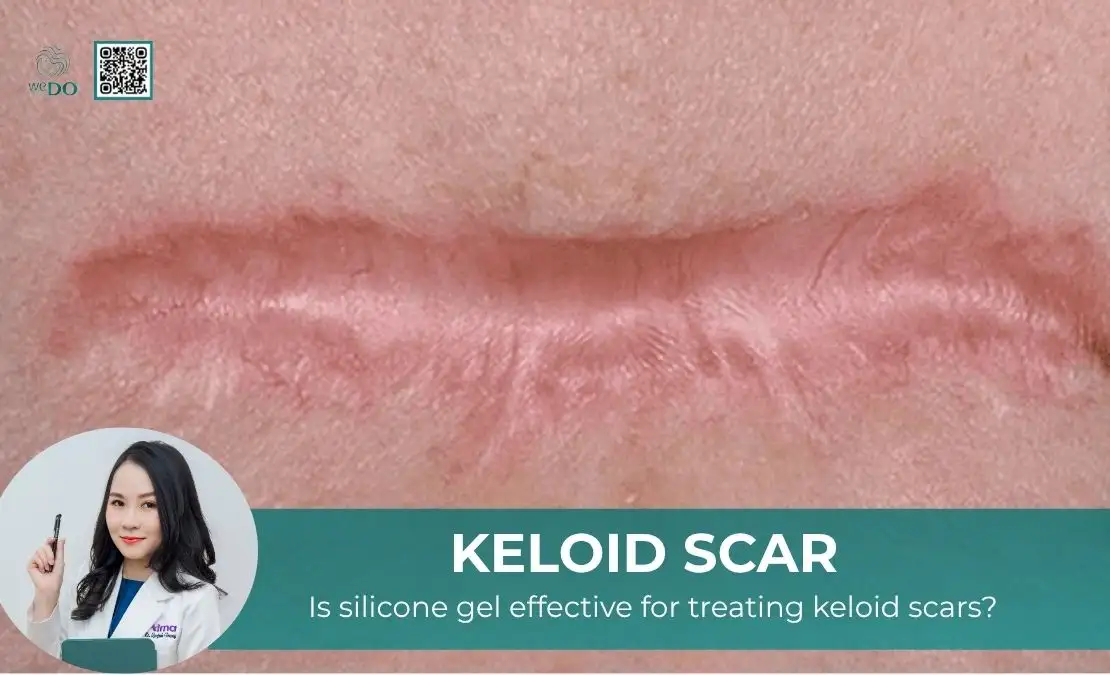
Is silicone gel effective for treating keloid scars?
Is silicone gel effective for treating keloid scars? For individuals with keloid scars, can topical treatments help flatten the scar? This is a common concern, as topical therapy is both cost-effective and non-invasive. If you are also curious, refer to the article below to find the answer. Is silicone gel effective for treating keloid scars?

What SPF level is sufficient for sunscreen?
What SPF level is sufficient for sunscreen? Does a higher SPF mean stronger and more effective sun protection? And is focusing solely on the SPF index enough to choose a suitable sunscreen for your skin? If you are also wondering about these questions, refer to the article below to find the answers. What is the
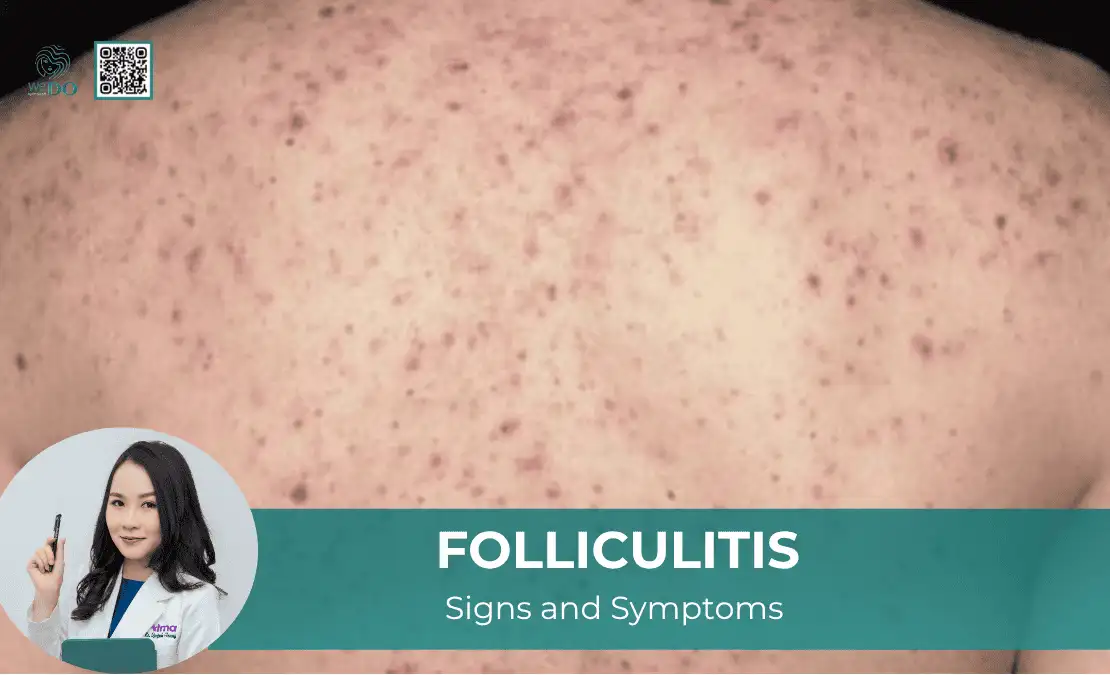
WHAT IS FOLLICULITIS AND HOW IS IT TREATED?
Folliculitis can affect anyone and may occur anywhere on the body except the palms and soles. Although it does not impact overall health, it often causes discomfort and reduces confidence due to cosmetic concerns. Without proper treatment, folliculitis tends to recur, making the skin appear less smooth. FOLLICULITIS – DEFINITION AND SIGNS AND SYMPTOMS Folliculitis
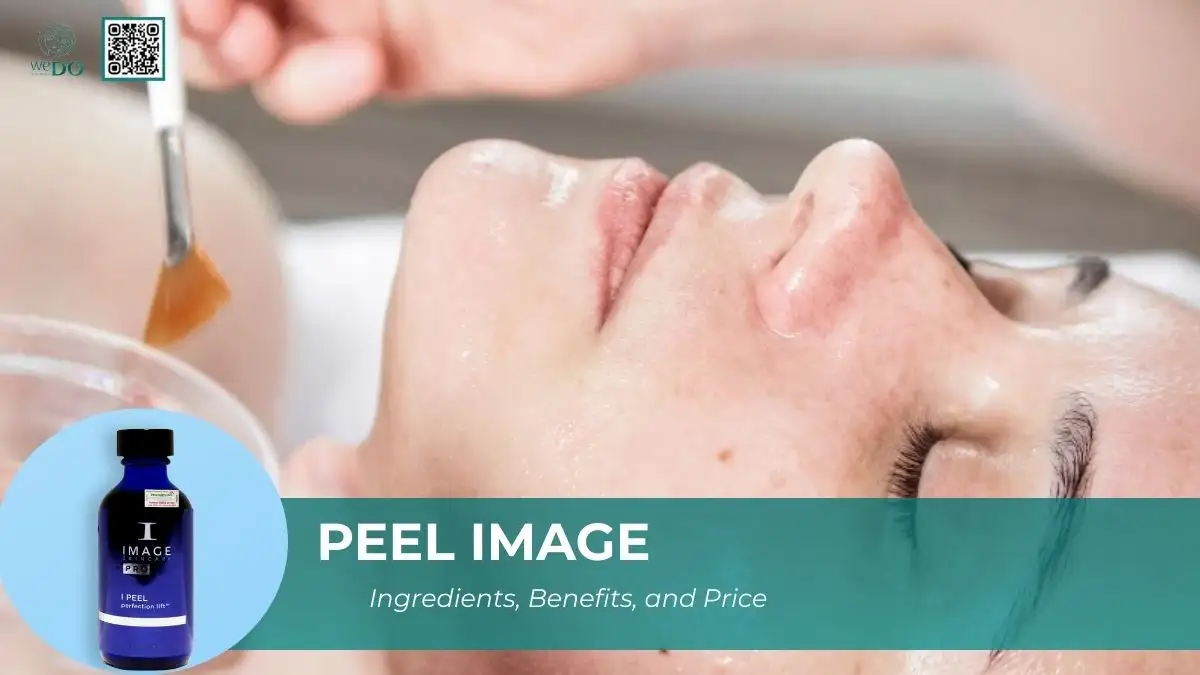
Image I Peel: Ingredients, Benefits, and Price
Peel Image (I Peel) is a familiar name among skincare enthusiasts, especially those who love chemical peels. But is this popular line really worth the hype — and what’s its price range? Let’s take a closer look. Key Ingredients of Peel Image Peel Image follows a multi-target, multi-mechanism principle — meaning it combines a variety
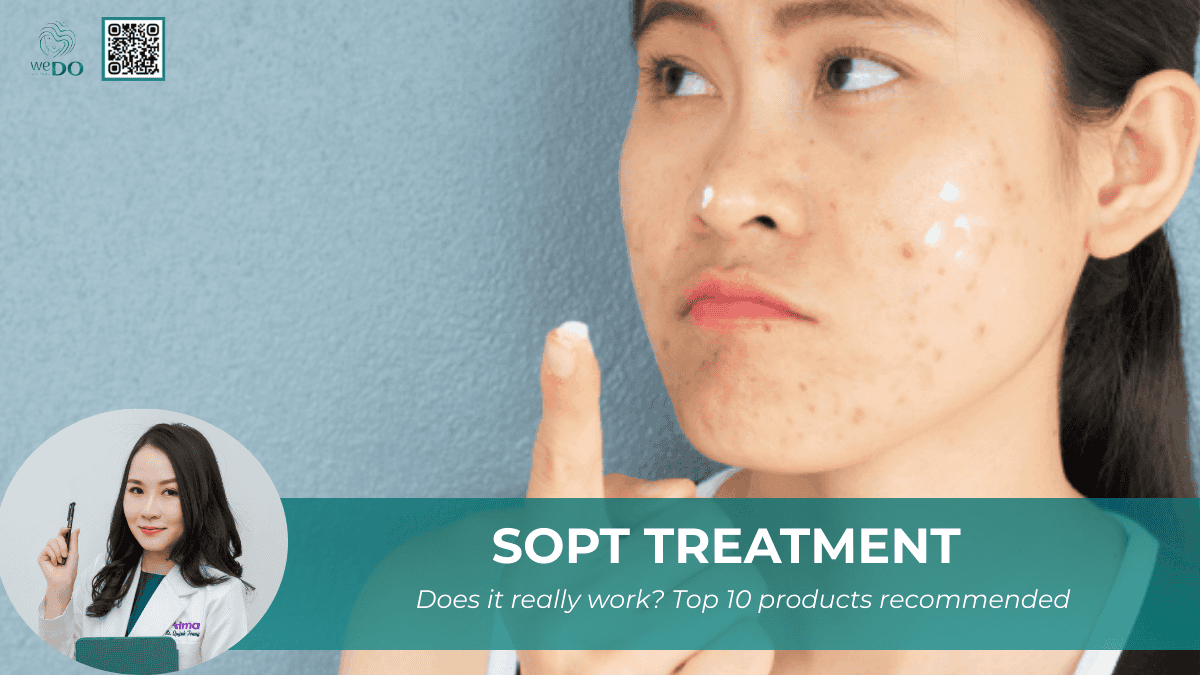
Does Acne Spot Treatment Really Work? Top 10 Products Recommended
Spot treatment is a familiar method for those dealing with acne-prone skin. It is simple, painless, affordable, and can be performed at home. The effectiveness depends largely on the active ingredients and the severity of acne. Benefits of Acne Spot Treatments Depending on their composition, different products serve distinct purposes, but generally, they work to:
Tác giả: wedo
Ngày đăng: 24/07/2025