


 VIE
VIE

What is the effect of acne peel? Is acne peel good?
CONTENT
Acne peel treatment is becoming a popular beauty trend thanks to its ability to quickly improve skin conditions. Not only does it simply remove dead skin cells, but this method also deeply affects the skin structure, helping to reduce acne, brighten skin, and effectively stimulate regeneration. So, what are the effects of acne peeling? Is it really effective and suitable for all skin types? Let’s learn more about this method to make the right choice and understand proper care to minimize unnecessary skin damage.
Is acne peeling good?
Acne peeling is the process of using chemical substances, mainly natural acids (such as AHA, BHA, PHA, TCA), to remove dead skin cells from the surface, thereby promoting the regeneration of new cells. With this mechanism, peeling helps significantly improve acne conditions, brighten skin, and reduce dark spots and acne scars.
So, is acne peeling really good? The answer depends on how it’s applied and the condition of each individual’s skin. If done correctly, peeling can be highly effective in treating acne and regenerating skin. However, misuse or failure to follow post-peel skin care steps may lead to serious skin issues such as irritation, excessive peeling, or even permanent skin damage.
Who should consider acne peeling?
Acne peeling is suitable for those experiencing the following skin issues:
- Blackheads, hidden acne: Peeling clears pores, removes excess oil and dead skin cells—major causes of clogged pores. Acids like AHA, BHA deeply penetrate, pushing acne out without damaging skin.
- Mild to moderate acne: Those with whiteheads, blackheads, or mild inflammatory acne can use peeling to reduce inflammation and bacteria. Peeling keeps pores clear, preventing new acne.
- Skin with acne dark spots: Peeling promotes cell regeneration, fading dark spots left by acne. Stronger peels like TCA or Retinol can stimulate collagen production, improving skin texture.
- Large pores, rough skin: Peeling removes dead skin cells, deeply cleanses pores, and smoothens skin. Roughness and uneven tone improve significantly through post-peel regeneration.
- Dull, uneven skin tone: Peeling eliminates aged skin cells, revealing brighter, more evenly toned skin. Acids like Glycolic Acid and Lactic Acid support cell renewal, enhancing skin pigmentation.
- Oily skin prone to clogged pores: Peeling regulates oil production, reducing acne risk caused by clogged pores. Those with oily, acne-prone skin should choose peels containing BHA for optimal results.
Who should not consider acne peeling?
Although acne peeling offers many benefits, not everyone is suitable for this method. Carefully consider the following conditions:
- Sensitive, easily irritated skin: Peeling can cause excessive dryness, irritation, and damage.
- Severe inflammatory acne, cystic acne: Peeling can weaken already inflamed skin and worsen inflammation.
- Damaged skin or open wounds: Peeling can delay healing and risk infection.
- Pregnant or breastfeeding women: Certain peel acids can affect maternal and infant health.
What are the effects of acne peeling?
Acne peeling brings multiple positive effects to the skin, including:
- Deeply cleansing pores: Removes excess oil, dirt, and dead cells, reducing acne risks.
- Reducing acne and preventing new breakouts: Peel’s active ingredients are antibacterial, anti-inflammatory, effectively treating acne.
- Improving acne scars and dark spots: Eliminates old skin layers, stimulates cell growth for brighter skin.
- Controlling oil production: Regulates oiliness, reducing shine, ideal for oily, acne-prone skin.
- Skin regeneration, improved texture: Smoothens skin surface, tightens pores, leaving softer skin.
Side effects of acne peeling
Although acne peeling brings many benefits, improper application or using overly high acid concentrations can lead to unwanted side effects:
- Redness and irritation: After peeling, the skin often becomes red and sensitive due to the acidic effects on the epidermis. The level of irritation depends on the type of peel, acid concentration, and your skin condition before peeling.
- Flaking and dryness: Peeling-induced flaking is a normal sign of dead skin shedding. In this case, you just need to use restorative moisturizers to soften the skin.
- Increased sun sensitivity: After peeling, the new skin layer is thin and vulnerable to UV rays. Without proper sunscreen protection, skin may darken or develop pigmentation.
- Temporary purging: Peeling can push hidden acne to the surface due to deep pore cleansing. This is a normal reaction, and proper care is needed to prevent inflammation from worsening.
- Damaged, weakened skin if overused: Peeling too frequently or using strong acids can damage the skin’s natural barrier.
Should you perform acne peeling at home?
At-home peeling may save costs, but it comes with many risks. Without professional knowledge, you might use the wrong acid concentration, causing severe irritation or skin damage. Therefore, if you want to peel, it’s best to choose a reputable skincare clinic for safe and effective results.
Currently, the brightening and whitening skincare regimen with Dermalogica Peel at WEDO is highly favored by many customers. The regimen is designed to suit all skin types, is non-flaky, offers quick effects, and helps brighten the skin, fade pigmentation, and promote optimal regeneration. This is definitely the number one choice you should not miss.

How to care for your skin after acne peeling
After a peel, your skin needs time to heal. Follow these steps to ensure a quick recovery and avoid damage:
- Keep skin well moisturized: Use moisturizers with healing ingredients like HA (Hyaluronic Acid), B5 to soothe and hydrate the skin.
- Avoid sun exposure: Always use sunscreen SPF 30+ to protect the skin from UV rays.
- Avoid products with alcohol or fragrance: This helps reduce the risk of irritation.
- Don’t pick at peeling skin: Do not peel off skin manually to avoid further damage or scarring.

Expert advice after acne peeling
Post-peeling care is crucial. Here are some tips from Dr. Quynh Trang, a certified dermatologist, to help protect your skin after a peel:
- Gently cleanse your skin:
- Do not wash your face immediately after the peel: Wait at least 4–6 hours or follow expert instructions since the skin is very sensitive.
- Use a gentle cleanser: Choose products free of alcohol, fragrance, or harsh detergents to avoid irritation.
- Avoid hot water: Use cool or lukewarm water only to calm the skin.
- Keep skin hydrated for faster recovery: Post-peel skin tends to be dry and flaky, so it requires constant moisturizing. Use recovery creams with panthenol, ceramides, and hyaluronic acid. Drinking enough water also aids regeneration.
- Always use sunscreen properly:
- Avoid direct sunlight right after peeling, as the skin becomes highly sensitive to UV rays.
- Use physical sunscreens with SPF 30+ that are alcohol-free and non-irritating.
- Wear hats and masks when going outdoors, especially during the first 1–2 weeks post-peel.
- Do not touch or peel off flaking skin: Let the skin shed naturally. Picking can damage new skin layers and lead to scars or dark spots. Use soothing sprays or recovery creams if skin feels too dry.
- Avoid makeup for at least 3–5 days: Makeup products can clog pores and delay healing. If needed, use light, non-oily products and cleanse thoroughly afterward.
- Don’t use active ingredients immediately after peeling: Avoid retinol, AHA/BHA, vitamin C, or niacinamide for the first 5–7 days to prevent strong irritation.
- Monitor skin reaction and consult a doctor if needed: If you experience prolonged redness, burning, swelling, or signs of infection, see a dermatologist immediately. Do not self-medicate without professional advice.

Acne peeling can bring smoother, clearer skin when done properly and suited to your skin condition. However, not everyone can apply this method arbitrarily. Before deciding to peel, thoroughly research the procedure and choose a safe, appropriate treatment to protect your healthy, glowing skin.
Contact Information:
- Contact us for a free consultation and appointment!
———————–———————–
WeDo Skin Clinic
- Website: wedoskinclinic.com
- Fanpage: Meddi Skin | Meddi Skin Clinic & Spa | Wedo by Dr.Meddi
———————–———————–
WeDo District 1 – Tran Doan Khanh Street
- Hotline/Zalo: 0898898875
- WhatsApp: +84898898875
- Address: 11 Tran Doan Khanh Street, Da Kao Ward, District 1, HCMC
WeDo District 2 – Thai Thuan Street
- Hotline/Zalo: 0707196622
- WhatsApp: +84707196622
- Address: 17 Thai Thuan Street, An Phu Ward, Thu Duc City, HCMC
———————–———————–
- YouTube: https://www.youtube.com/@Wedoskinclinic
- Tiktok: https://www.tiktok.com/@wedo.skin.clinic
- Instagram: https://www.instagram.com/drmeddiskin/
- Pinterest: https://www.pinterest.com/wedoskin/
- X: https://x.com/wedoskinclinic
- LinkedIn: https://vn.linkedin.com/company/meddi-skin
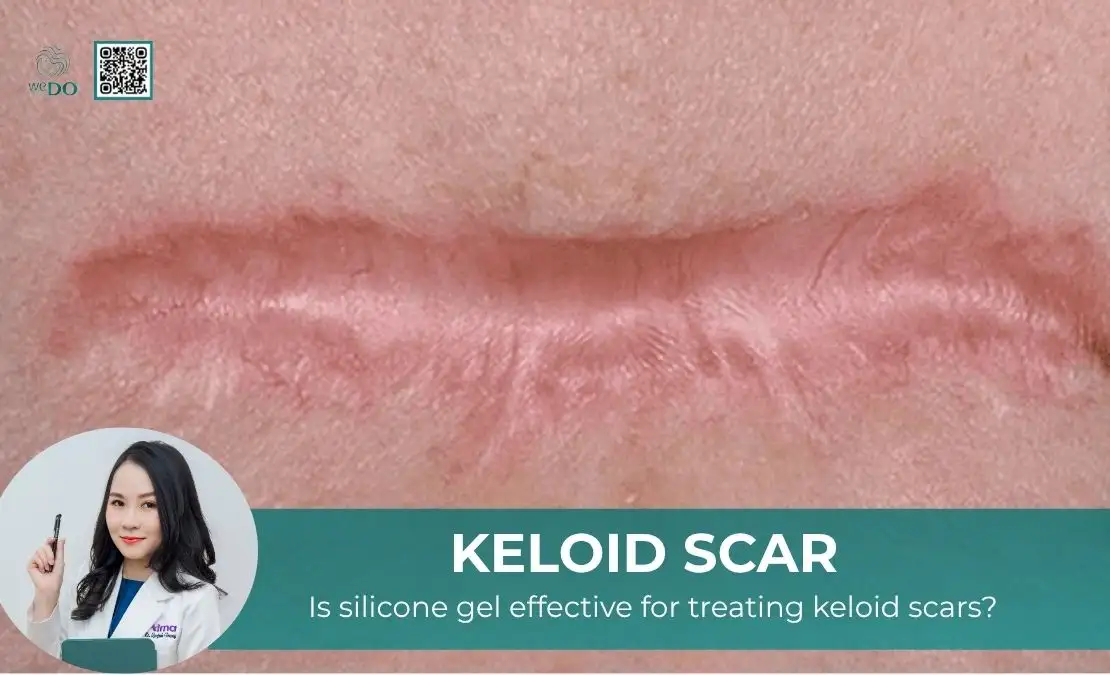
Is silicone gel effective for treating keloid scars?
Is silicone gel effective for treating keloid scars? For individuals with keloid scars, can topical treatments help flatten the scar? This is a common concern, as topical therapy is both cost-effective and non-invasive. If you are also curious, refer to the article below to find the answer. Is silicone gel effective for treating keloid scars?

What SPF level is sufficient for sunscreen?
What SPF level is sufficient for sunscreen? Does a higher SPF mean stronger and more effective sun protection? And is focusing solely on the SPF index enough to choose a suitable sunscreen for your skin? If you are also wondering about these questions, refer to the article below to find the answers. What is the
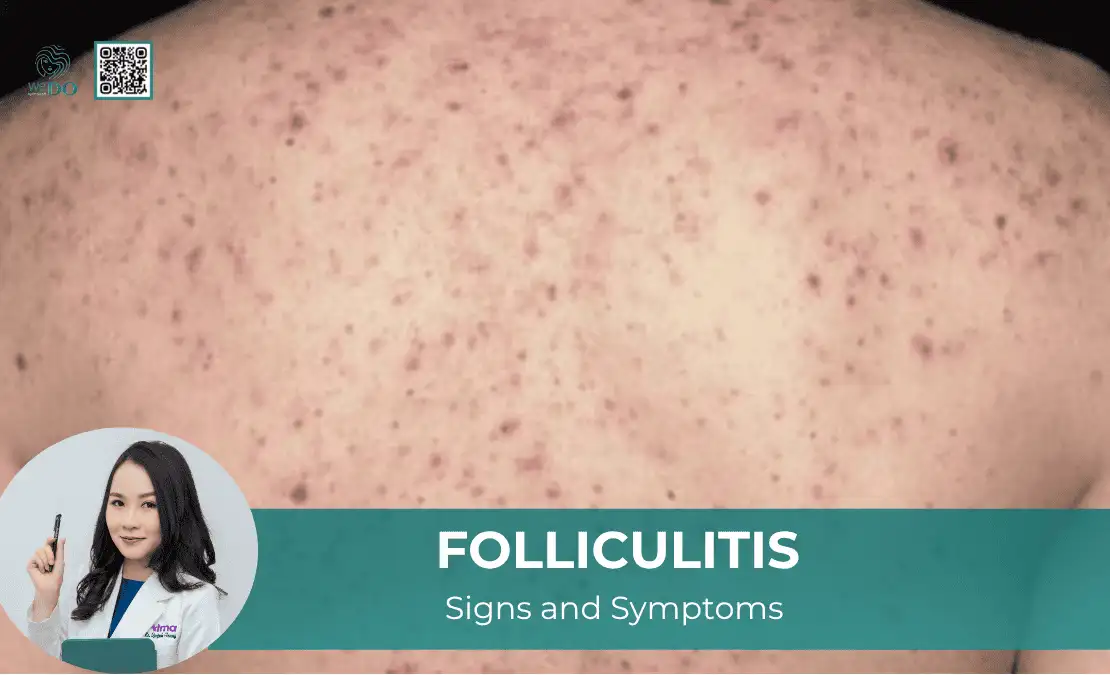
WHAT IS FOLLICULITIS AND HOW IS IT TREATED?
Folliculitis can affect anyone and may occur anywhere on the body except the palms and soles. Although it does not impact overall health, it often causes discomfort and reduces confidence due to cosmetic concerns. Without proper treatment, folliculitis tends to recur, making the skin appear less smooth. FOLLICULITIS – DEFINITION AND SIGNS AND SYMPTOMS Folliculitis
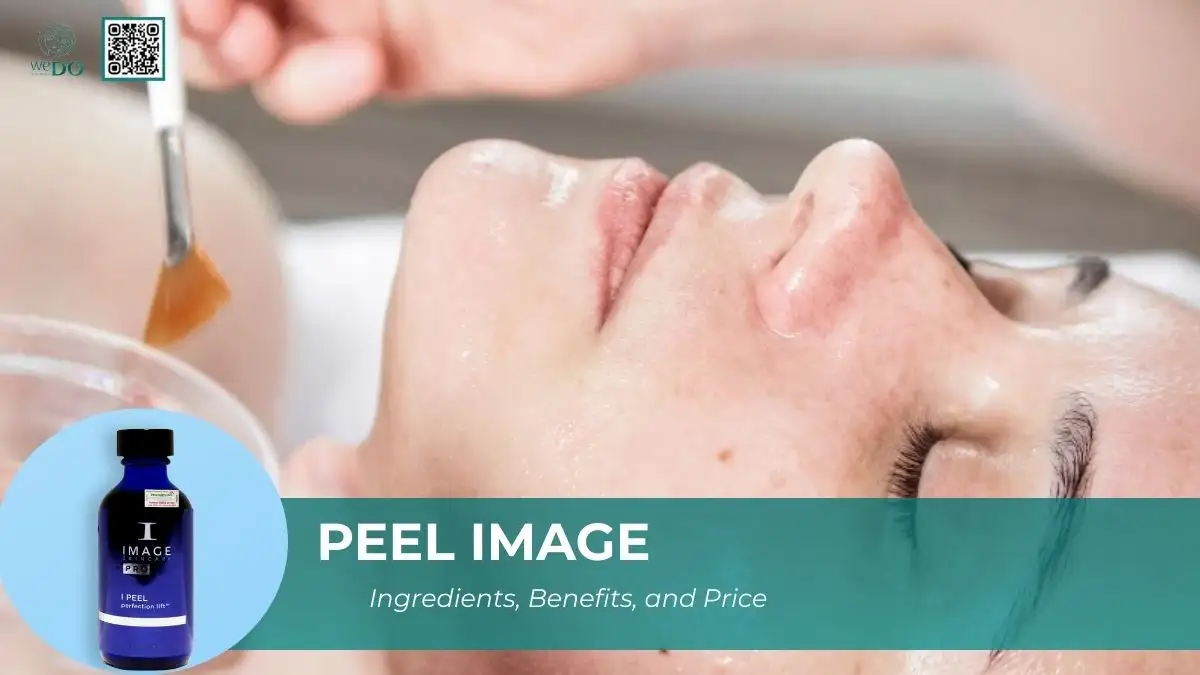
Image I Peel: Ingredients, Benefits, and Price
Peel Image (I Peel) is a familiar name among skincare enthusiasts, especially those who love chemical peels. But is this popular line really worth the hype — and what’s its price range? Let’s take a closer look. Key Ingredients of Peel Image Peel Image follows a multi-target, multi-mechanism principle — meaning it combines a variety
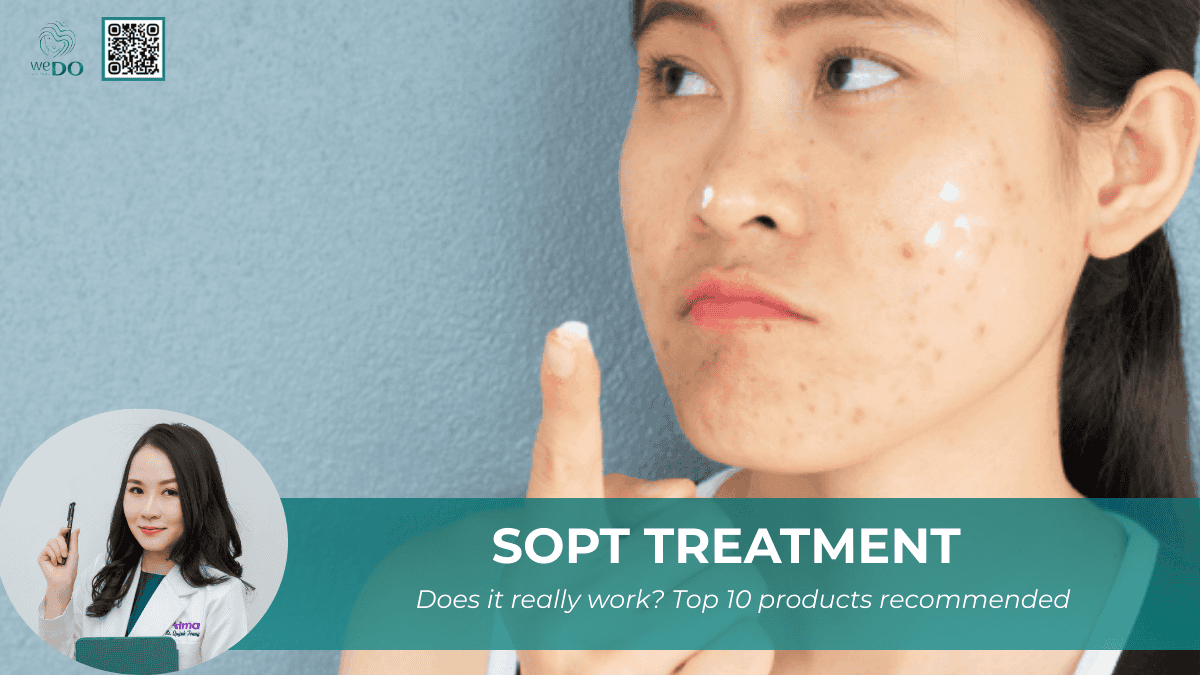
Does Acne Spot Treatment Really Work? Top 10 Products Recommended
Spot treatment is a familiar method for those dealing with acne-prone skin. It is simple, painless, affordable, and can be performed at home. The effectiveness depends largely on the active ingredients and the severity of acne. Benefits of Acne Spot Treatments Depending on their composition, different products serve distinct purposes, but generally, they work to:
Tác giả: wedo
Ngày đăng: 17/04/2023