


 VIE
VIE

Top 5 acne treatment products containing salicylic acid that are safe for acne-prone skin
CONTENT
Acne treatment products containing salicylic acid (BHA) are an effective choice for acne-prone skin, particularly for non-inflammatory acne (blackheads, hidden acne). BHA can penetrate deeply into pores, helping to remove dead skin cells and sebum, thereby preventing comedone formation. In this article, let’s explore 5 acne treatment products containing salicylic acid that are relatively safe for the skin.
What is salicylic acid? What is its role in acne treatment?
Salicylic acid is a type of beta-hydroxy acid (BHA), belonging to the group of organic acids with lipid-soluble properties. Chemically, salicylic acid is a derivative of benzoic acid, with a hydroxyl group (-OH) at the ortho position on the aromatic ring, allowing it to exhibit mild acidity but high biological activity. In dermatology, salicylic acid is used as a keratolytic agent, capable of loosening and exfoliating the stratum corneum on the skin’s surface.
How salicylic acid works on the skin
Salicylic acid exerts its effects through lipid dissolution and keratolytic mechanisms. Due to its oil-soluble nature, this active ingredient can penetrate through excess sebum and enter hair follicles, where sebum and dead skin cells tend to accumulate. There, salicylic acid breaks down keratinocyte connections in the stratum corneum, aiding in the removal of dead skin cells and preventing comedone formation. Additionally, it has anti-inflammatory properties by inhibiting cyclooxygenase (COX), helping to soothe localized inflammatory responses and improve acne-damaged skin areas.
Main benefits of BHA in acne treatment
Salicylic acid offers numerous benefits in acne treatment, including:
- Keratolytic and pore cleansing: Removes dead skin cells and sebum, preventing clogged hair follicles.
- Localized anti-inflammatory: Soothes redness and swelling caused by inflammatory acne.
- Sebum regulation: Helps control oil production and reduces skin oiliness.
- Prevents new comedone formation: Maintains clear pores, reducing acne recurrence.
Suitable skin conditions for use
Due to its direct action on pores and sebaceous glands, salicylic acid is particularly suitable for:
- Blackheads, whiteheads (non-inflammatory acne)
- Hidden acne under the skin
- Oily skin, combination-oily skin
- Skin prone to hyperkeratosis or clogged oil glands
You should carefully select the appropriate concentration and frequency of use to optimize treatment efficacy while avoiding irritation on sensitive skin.
Cases where salicylic acid should not be used for acne treatment:
- People with dry or very dry skin, sensitive skin, or skin prone to irritation.
- Pregnant or breastfeeding women to avoid BHA absorption into the bloodstream, ensuring safety for mother and baby.
- People allergic to aspirin, as BHA is a derivative and may cause severe reactions.
- Skin with open wounds, ulcers, or inflamed pustules, as BHA may cause burning, strong irritation, and slow wound healing.
- People using other strong treatment actives like retinoids, vitamin C, etc.
- Skin with eczema, rosacea, or other dermatological conditions, due to a weakened skin barrier prone to irritation.

Tips for choosing acne treatment products containing salicylic acid
Here are key considerations when selecting products containing salicylic acid for acne-prone skin:
Suitable concentration: 0.5-2%
For acne skincare, salicylic acid concentrations range from 0.5% to 2%:
- 0.5% – 1%: Suitable for sensitive skin, beginners using BHA, or skin with open wounds.
- 2%: Suitable for oily skin, heavy acne, hyperkeratotic skin, or skin with good tolerance.
Concentrations above 2% should only be used under the guidance and supervision of a dermatologist.
Ideal pH for optimal efficacy
Salicylic acid works best in a pH range of 3.0 to 4.0. This pH level maintains its acidic properties and pore-penetration ability. If a product’s pH is too high (near neutral), its keratolytic and anti-inflammatory effects are significantly reduced.
Prioritize products without alcohol, fragrance, or parabens
Irritating ingredients like denatured alcohol, synthetic fragrances, or parabens can weaken the skin barrier, especially when the skin is sensitive due to BHA use. Combining salicylic acid with these irritants may increase the risk of redness, peeling, and damage to the skin’s natural protective barrier. Therefore, choose products with gentle, dermatologist-tested formulations free of irritants.
Prioritize products with soothing and restorative ingredients
To minimize side effects and enhance skin recovery during acne treatment, select products containing supportive ingredients such as:
- Niacinamide: Strengthens the skin barrier, regulates sebum, and supports skin brightening.
- Green tea extract (EGCG): Offers antioxidant properties, soothes inflammation, and prevents bacterial acne.
- Centella Asiatica extract: Promotes epithelial regeneration, soothes redness, and supports skin healing.
Avoid combining with retinoids or high-dose vitamin C on sensitive skin
Using salicylic acid simultaneously with irritative actives like retinoids or vitamin C (L-ascorbic acid at concentrations >15%) can increase skin sensitivity, leading to peeling, tightness, or mild inflammation. This is because these actives thin the stratum corneum and stimulate cell turnover. When combining, you should:
- Separate usage times, e.g., vitamin C in the morning, BHA at night.
- Reduce frequency to 2-3 times per week initially.
- Alternate days, especially for beginners or sensitive skin.

Top 5 acne treatment products containing salicylic acid
Below are 5 salicylic acid-containing products highly rated by dermatologists based on efficacy, safety, and suitability for acne-prone skin:
1. Paula’s Choice Skin Perfecting 2% BHA Liquid Exfoliant
Paula’s Choice Skin Perfecting 2% BHA Liquid Exfoliant is a standout chemical exfoliant that improves skin texture, deeply cleanses pores, and effectively reduces blackheads. With a lightweight, toner-like texture, it absorbs quickly without leaving a greasy residue.
- BHA concentration: 2% salicylic acid
- Form: Liquid exfoliant
- Benefits: Deep cleansing, non-drying, alcohol-free, fragrance-free, optimal pH
- Suitable for: Oily skin, combination-oily skin, blackheads, hidden acne

2. La Roche-Posay Effaclar Duo+
La Roche-Posay Effaclar Duo+ is a standout product in the French dermocosmetic line for acne-prone skin. Its formula contains LHA (a BHA derivative) for gentle exfoliation, combined with niacinamide and procerad, which soothe and restore acne-affected skin effectively:
- BHA concentration: Approximately 1.5% LHA (equivalent to BHA effects)
- Form: Gel/cream
- Benefits: Reduces mild to moderate inflammatory acne, prevents post-acne marks, absorbs quickly, non-clogging
- Suitable for: Mild to moderate inflammatory acne, sensitive skin, oily acne-prone skin

3. Obagi Clenziderm M.D. Pore Therapy
Obagi Clenziderm M.D. Pore Therapy contains pure salicylic acid in an isopropyl alcohol base, providing strong antibacterial properties, deep cleansing, and faster comedone drying. This toner is often used in clinical acne treatment protocols.
- BHA concentration: 2% salicylic acid
- Form: Liquid toner with alcohol
- Benefits: Fast comedone drying, strong antibacterial action, visible results in a short time
- Suitable for: Healthy oily skin, pustular inflammatory acne, non-sensitive skin

4. Pharmaceris T Sebo Almond Peel (3%, 5%, 10%)
Pharmaceris T Sebo Almond Peel is a chemical peeling line containing mandelic acid—an AHA with a large molecular structure that penetrates slowly, making it particularly gentle for the skin. Though not salicylic acid (BHA), this product is highly regarded for its ability to cleanse pores, reduce acne, and improve skin texture similarly to BHA. Pharmaceris T Sebo Almond Peel causes minimal irritation and suits various tolerance levels and skin conditions.
- Mandelic acid concentration: 3%, 5%, 10%
- Form: Gel serum
- Benefits: Gentle exfoliation, minimal irritation, fades post-acne marks, evens skin tone, can be alternated with BHA to reduce irritation
- Suitable for: Sensitive skin, whiteheads, micro-acne, dull skin

5. MartiDerm Acneover Gel Purifying
MartiDerm Acniover Gel Purifying is a versatile cleansing gel/treatment gel from MartiDerm (Spain). Designed specifically for acne-prone skin, it contains a salicylic acid complex combined with zinc and antibacterial plant extracts.
- BHA concentration: Not explicitly disclosed (estimated ~1–2%)
- Form: Gel cleanser or treatment gel (depending on the product)
- Benefits: Removes excess sebum, reduces acne-causing bacteria, soothes inflamed acne areas
- Suitable for: Mild inflammatory acne, whiteheads, oily skin, combination-oily skin

Note: These products are for reference only. Selection should be based on specific skin conditions, tolerance to salicylic acid, and guidance from a dermatologist.
If you frequently experience hidden acne on the forehead despite using salicylic acid acne products, visit a reputable dermatology clinic immediately for examination and advice on medical-standard acne treatment.
Guide to using BHA-containing products effectively
To maximize the effectiveness of acne treatment products containing salicylic acid (BHA) while avoiding skin irritation, follow these guidelines:
- Frequency of use: For beginners, use BHA products 2-3 times per week, gradually increasing if the skin tolerates well.
- Order in skincare routine: Apply BHA after cleansing (with a facial cleanser) and before serums or moisturizers.
- Combine with restorative and protective products: After using BHA, skin may become more sensitive, so use restorative moisturizers with soothing ingredients like niacinamide, panthenol, or ceramides. Additionally, applying broad-spectrum sunscreen with SPF 30 or higher during the day is a must.

Precautions when using acne treatment products with salicylic acid
Although salicylic acid is an effective acne treatment active, users should consider the following precautions to minimize irritation risks:
- Avoid combining with strong actives: Do not use salicylic acid simultaneously with strong actives like retinoids, tretinoin, AHAs (glycolic acid, lactic acid), or high-potency vitamin C on sensitive skin, as this may weaken the skin barrier, causing peeling or redness.
- Mild tingling is normal: During initial use, the skin may experience mild itching or tingling, which is usually not concerning if it subsides within minutes. However, if symptoms persist or worsen after multiple uses, discontinue use and consult a dermatologist immediately.
- Patch test on a small area: To ensure suitability, test the product on a small area (e.g., behind the ear or under the jaw) for 24-48 hours before applying to the entire face.
- Purging phenomenon: When starting BHA, some may experience increased acne, known as purging—a normal reaction as the skin accelerates turnover, pushing underlying comedones to the surface. Purging typically lasts 2-4 weeks and occurs in areas prone to acne. In contrast, irritation appears immediately or after 1-2 uses, may spread without specific localization, and is accompanied by redness, peeling, itching, or skin warmth.
Acne treatment products containing salicylic acid deeply cleanse pores, reduce sebum, and effectively prevent acne. However, to ensure safety and optimal results, choose products suited to your skin, use them at the correct frequency, and combine with proper restorative care and sun protection.
WeDo District 1 – Tran Doan Khanh Street
- Hotline/Zalo/Whatsapp: 0898898875
- Address: 11 Tran Doan Khanh Street, Da Kao Ward, District 1, HCMC
WeDo District 2 – Thai Thuan Street
- Hotline/Zalo/Whatsapp: 0707196622
- Address: 17 Thai Thuan Street, An Phu Ward, Thu Duc City, HCMC
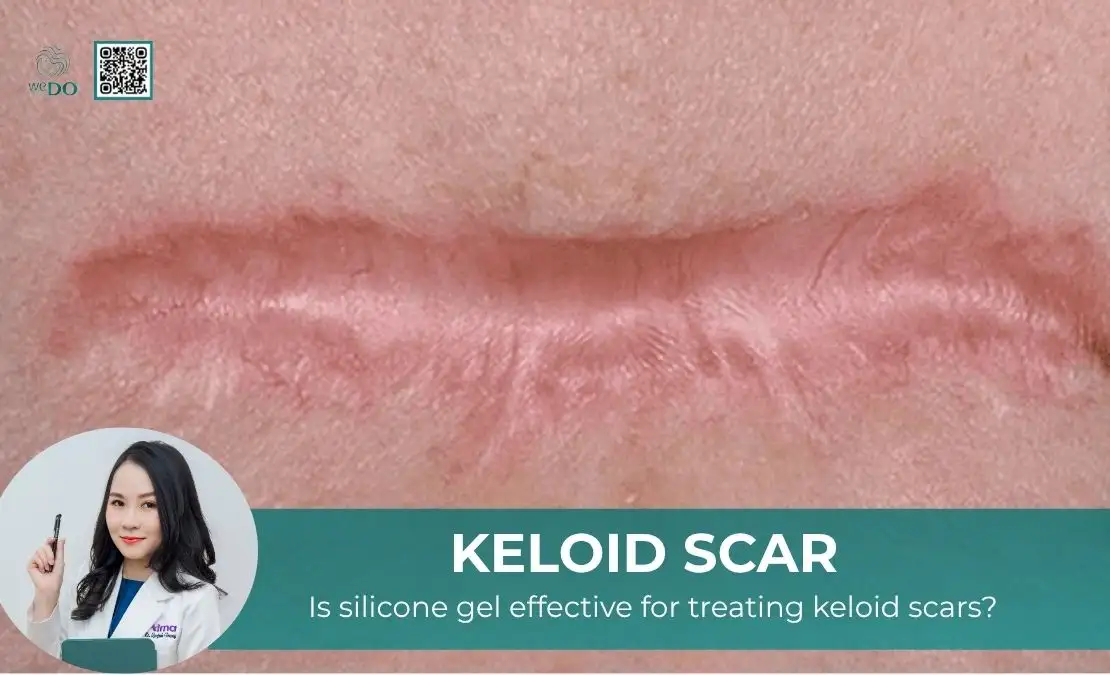
Is silicone gel effective for treating keloid scars?
Is silicone gel effective for treating keloid scars? For individuals with keloid scars, can topical treatments help flatten the scar? This is a common concern, as topical therapy is both cost-effective and non-invasive. If you are also curious, refer to the article below to find the answer. Is silicone gel effective for treating keloid scars?

What SPF level is sufficient for sunscreen?
What SPF level is sufficient for sunscreen? Does a higher SPF mean stronger and more effective sun protection? And is focusing solely on the SPF index enough to choose a suitable sunscreen for your skin? If you are also wondering about these questions, refer to the article below to find the answers. What is the
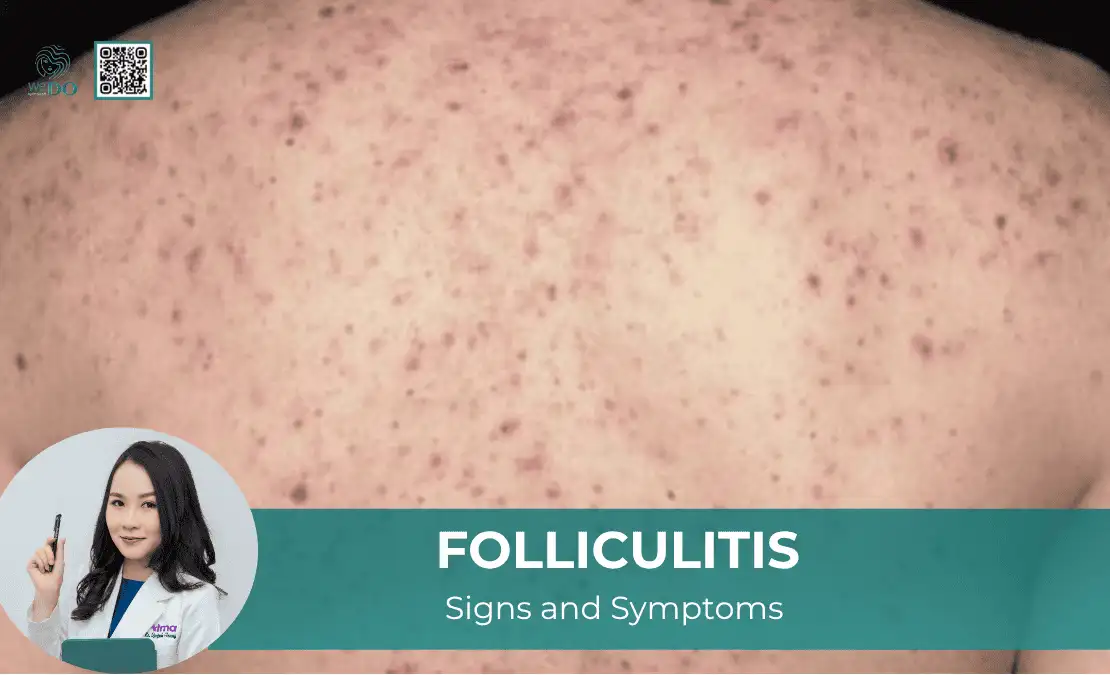
WHAT IS FOLLICULITIS AND HOW IS IT TREATED?
Folliculitis can affect anyone and may occur anywhere on the body except the palms and soles. Although it does not impact overall health, it often causes discomfort and reduces confidence due to cosmetic concerns. Without proper treatment, folliculitis tends to recur, making the skin appear less smooth. FOLLICULITIS – DEFINITION AND SIGNS AND SYMPTOMS Folliculitis
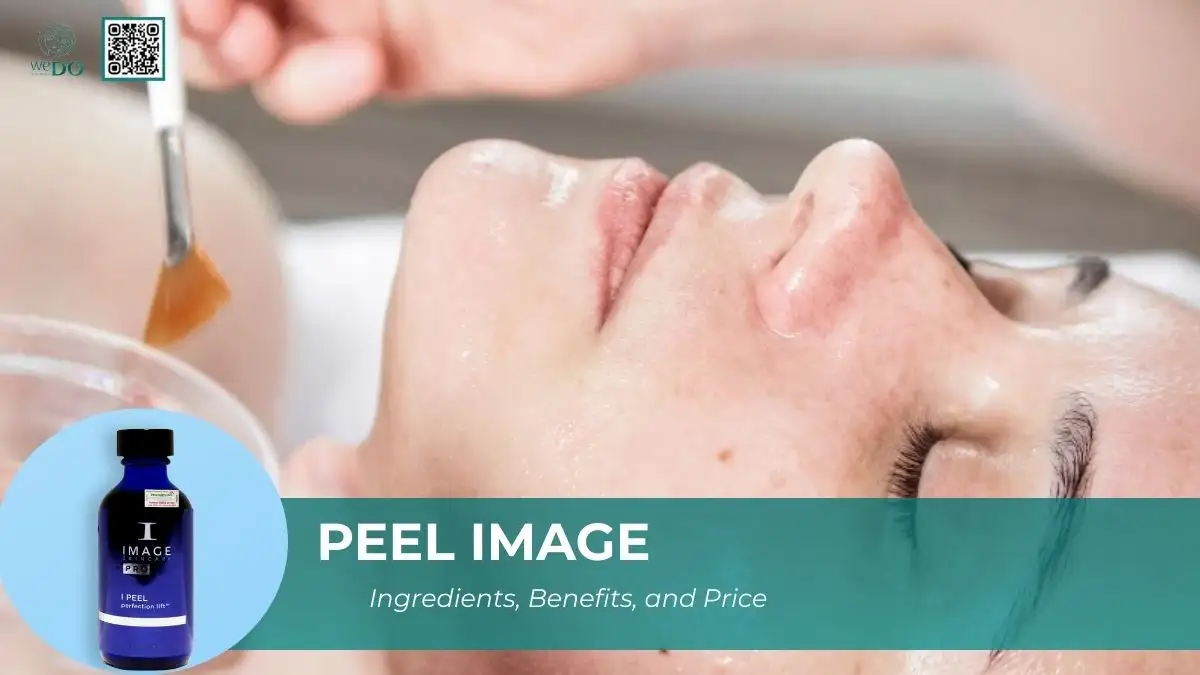
Image I Peel: Ingredients, Benefits, and Price
Peel Image (I Peel) is a familiar name among skincare enthusiasts, especially those who love chemical peels. But is this popular line really worth the hype — and what’s its price range? Let’s take a closer look. Key Ingredients of Peel Image Peel Image follows a multi-target, multi-mechanism principle — meaning it combines a variety
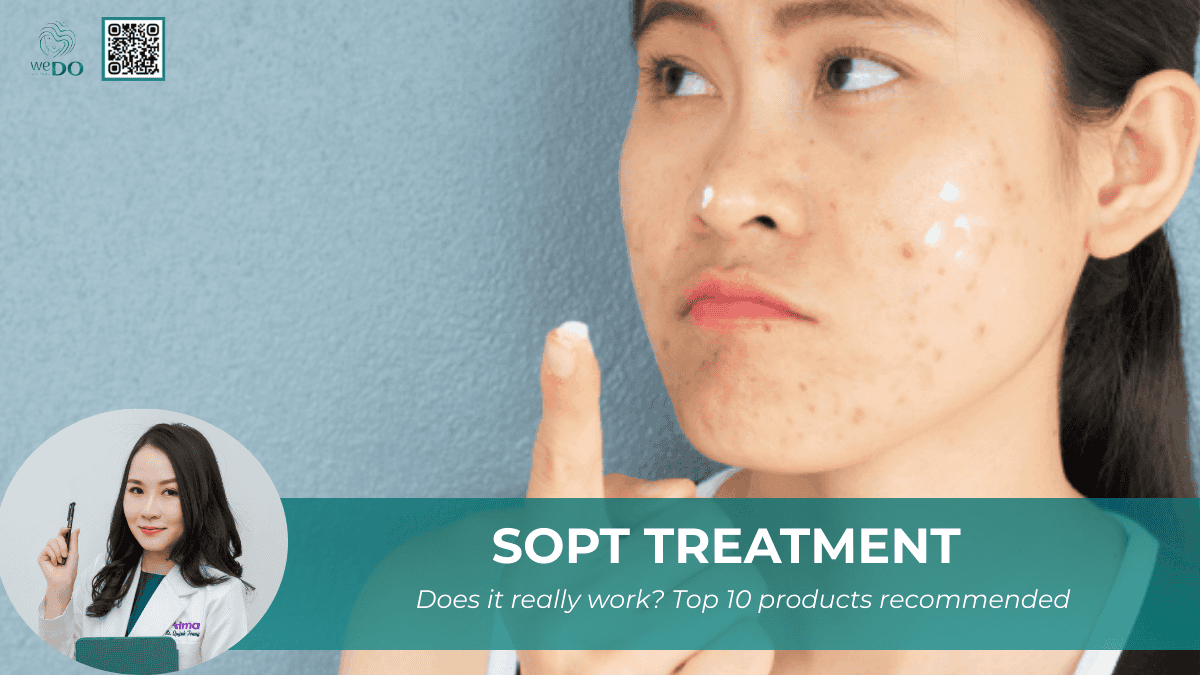
Does Acne Spot Treatment Really Work? Top 10 Products Recommended
Spot treatment is a familiar method for those dealing with acne-prone skin. It is simple, painless, affordable, and can be performed at home. The effectiveness depends largely on the active ingredients and the severity of acne. Benefits of Acne Spot Treatments Depending on their composition, different products serve distinct purposes, but generally, they work to:
Tác giả: wedo
Ngày đăng: 15/06/2025