


 VIE
VIE

Can You Treat Skin Tags Yourself? When to See a Doctor
CONTENT
Skin Tags Treatment is a common concern for many people. These benign skin growths do not cause pain, but improper treatment can lead to scarring, irritation, or secondary complications. So, is it safe to treat milia at home? When should you see a dermatologist? Read the article below for accurate answers.
Can You Treat Skin Tags at Home?
In traditional remedies, many people use antibacterial tea tree oil, apple cider vinegar, fresh garlic, and similar methods to treat milia at home. However, these methods cannot fully remove established milia, are not recommended in mainstream medical literature, and lack sufficient clinical evidence to confirm their effectiveness.
Attempting to treat skin tags by cutting, picking, or pricking them poses risks of infection, scarring, post-inflammatory hyperpigmentation, and even damage to sensitive areas like around the eyes.
Therefore, medical recommendations advise against at-home treatments and instead encourage seeking advanced milia treatment methods such as Fractional CO2 laser, electrocautery, cryotherapy, or minor dermatological surgery, as prescribed by a doctor. These methods offer high safety, superior effectiveness, reduced recurrence risk, and minimal scarring.
Some people wonder, “Do skin tags disappear on their own?” In reality, milia do not resolve naturally and require appropriate treatment to avoid post-treatment scarring.

When Should You See a Dermatologist?
When you notice skin tags on the face or other parts of the body, you should consult a dermatologist promptly for an effective treatment plan, especially in the following serious cases:
- Milia appear in large numbers, spread widely, or occur in sensitive areas like around the eyes or eyelids.
- Previous self-treatment attempts were ineffective, with milia persisting or recurring frequently.
- Uncertainty about whether the growths are milia or other skin lesions like molluscum contagiosum, sweat gland tumors, or benign skin growths requires accurate differential diagnosis by a doctor.
- Milia causes significant aesthetic concerns, impacting quality of life, confidence, and showing signs of inflammation or infection.
At a dermatology clinic, the doctor will perform a clinical evaluation, possibly combined with skin imaging or biopsy if needed, to accurately identify the nature of the lesion and prescribe the most suitable and effective treatment method.

Treating Skin Tags with Fractional CO2 Laser: A Safe, Root-Targeted Method
Currently, the Fractional CO2 laser is considered a leading solution for milia treatment in aesthetic dermatology. This method selectively removes hyperplastic sweat gland lesions, improving skin structure and delivering significant aesthetic results post-treatment.
Mechanism of Fractional CO2 Laser in Skin Tags Treatment
Fractional CO2 laser operates using a 10,600 nm wavelength laser that penetrates deep into the dermis. When applied to milia-affected areas, the laser breaks down hyperplastic sweat gland tissue and stimulates new cell regeneration through micro-point tissue healing. Simultaneously, it promotes natural collagen production, resulting in even-toned, firmer skin post-treatment.
Due to its ability to selectively target diseased tissue without causing widespread damage, this method is considered minimally invasive, safe, and highly aesthetic. In milia treatment, the Fractional CO2 laser does not merely “burn off” the growths but also smooths the skin surface, significantly reducing the risk of dark or indented scars.
Compared to traditional or natural treatment methods, Fractional CO2 laser offers several superior advantages:
- Precise and selective targeting: The laser beam accurately targets lesions, avoiding damage to surrounding healthy tissue.
- Root-level removal of abnormal sweat glands: This is a key advantage that topical treatments or natural remedies cannot achieve.
- Minimal skin damage: Thanks to micro-point laser technology with stable energy, Fractional CO2 laser minimizes risks of bleeding, burns, and post-procedure complications.
- Short recovery time: After treatment, patients can resume normal activities, provided they follow proper skincare instructions.
- Significant aesthetic results: After 5-7 days, the light scabbing peels off, revealing smoother, healthier skin. Within 1-2 months, the skin fully recovers, with treated areas barely noticeable.
Fractional CO2 laser is effective for most patients with benign milia, including sensitive areas like the eyes, cheeks, or forehead. However, thorough pre-treatment screening is necessary to ensure safety and maximize effectiveness.
WEDO Skin Clinic is one of the few specialized aesthetic dermatology centers in Vietnam employing next-generation Fractional CO2 laser for treating milia, scars, hyperpigmentation, and benign skin lesions. The clinic boasts a team of dermatologists with extensive training and experience in handling complex lesions, particularly in sensitive areas like around the eyes, temples, and lower eyelids. WEDO Skin Clinic adheres to strict medical standards:
- Consultation, evaluation, and treatment tailored to each patient by specialized dermatologists.
- Sterile, certified, and regularly calibrated equipment is imported from reputable sources.
- Personalized treatment plans based on skin condition, lesion type, and recovery metrics.
- Specialized post-procedure care to minimize scarring and shorten healing time.
- Free follow-up visits and monitoring as per the doctor’s prescribed schedule.
Beyond focusing on lesion treatment efficacy, WEDO Skin Clinic prioritizes overall aesthetic outcomes, ensuring smooth, even-toned skin recovery without visible intervention marks. This is why WEDO Skin Clinic is a preferred choice for milia treatment and other aesthetic dermatology concerns.
At dermatology clinics, the Fractional CO2 laser treatment process for milia includes the following steps:
- Personalized consultation and evaluation: The doctor assesses the lesion type, number of milia, location and determines the appropriate method.
- Skin cleansing and anesthesia: The treatment area is cleaned, followed by the application of a topical anesthetic for 20-30 minutes to ensure a pain-free experience.
- Laser application: The doctor uses the laser device to target each lesion, adjusting energy levels based on the specific skin area.
- Application of antibiotics and regenerative nutrients: After laser treatment, the skin is soothed and protected with specialized medication.
- Post-treatment care instructions: Patients receive detailed guidance on hygiene, moisturizing, sun protection, and follow-up visit schedules if needed.
Treatment sessions typically last 15-30 minutes, depending on the number of lesions. Usually, 1-2 sessions are sufficient, unless the lesions are widespread or have a high recurrence risk.

Common Questions
1. Can Skin Tags disappear on their own?
In most cases, milia do not disappear over time. On the contrary, the lesions often persist or increase in number if not properly treated.
2. Is it safe to pick, squeeze, or burn Skin Tags at home?
Absolutely avoid picking, squeezing, or burning milia at home. These structures are often deep under the skin and lack the open head of acne. Attempting to remove them manually can easily cause burns, scarring, infection, or hyperpigmentation, leading to permanent aesthetic and skin health damage.
3. Can a single laser treatment fully resolve Skin Tags?
Depending on the number and depth of milia, the doctor may prescribe 1-2 treatment sessions. For mild, localized lesions, a single session can deliver significant, long-lasting results if proper skincare is maintained.
4. Is Fractional CO2 laser treatment for Skin Tags painful?
Before laser application, the treatment area is numbed with a topical anesthetic. During the procedure, patients may feel mild stinging, which subsides within a few hours and does not affect daily activities.
Milia are benign skin lesions but tend to spread over time, especially around the eyes and face. The Skin Tags treatment process requires professional evaluation, appropriate method selection, and strict adherence to post-procedure care to ensure aesthetic results and minimize recurrence.
WeDo District 1 – Tran Doan Khanh Street
- Hotline/Zalo/Whatsapp: 0898898875
- Address: 11 Tran Doan Khanh Street, Da Kao Ward, District 1, HCMC
WeDo District 2 – Thai Thuan Street
- Hotline/Zalo/Whatsapp: 0707196622
- Address: 17 Thai Thuan Street, An Phu Ward, Thu Duc City, HCMC
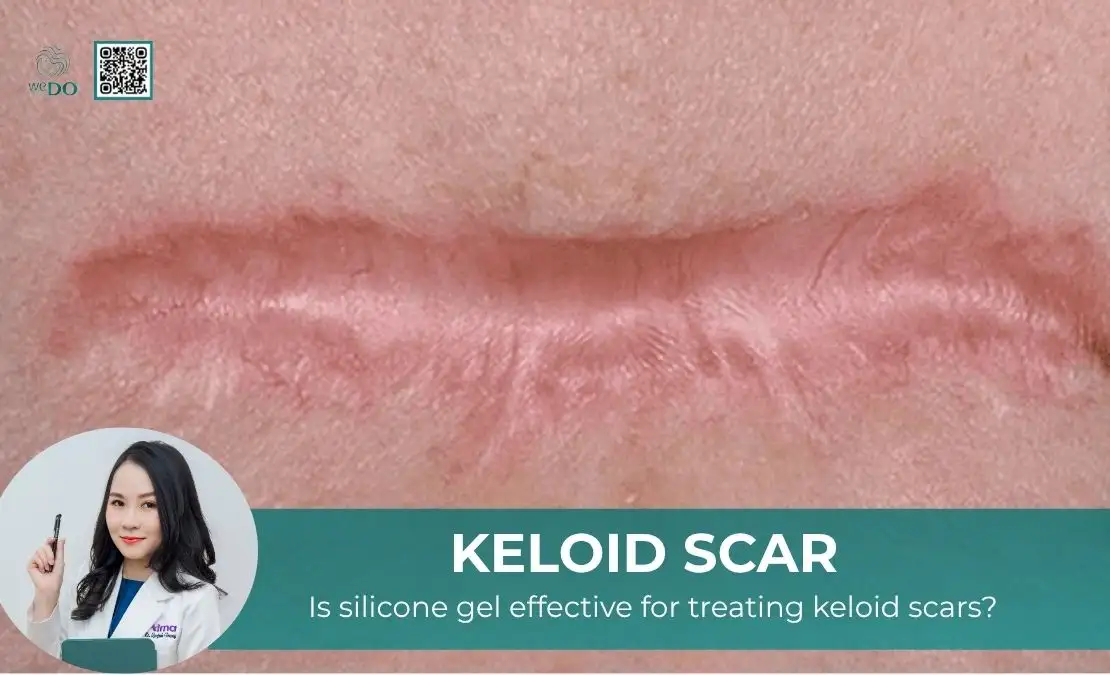
Is silicone gel effective for treating keloid scars?
Is silicone gel effective for treating keloid scars? For individuals with keloid scars, can topical treatments help flatten the scar? This is a common concern, as topical therapy is both cost-effective and non-invasive. If you are also curious, refer to the article below to find the answer. Is silicone gel effective for treating keloid scars?

What SPF level is sufficient for sunscreen?
What SPF level is sufficient for sunscreen? Does a higher SPF mean stronger and more effective sun protection? And is focusing solely on the SPF index enough to choose a suitable sunscreen for your skin? If you are also wondering about these questions, refer to the article below to find the answers. What is the
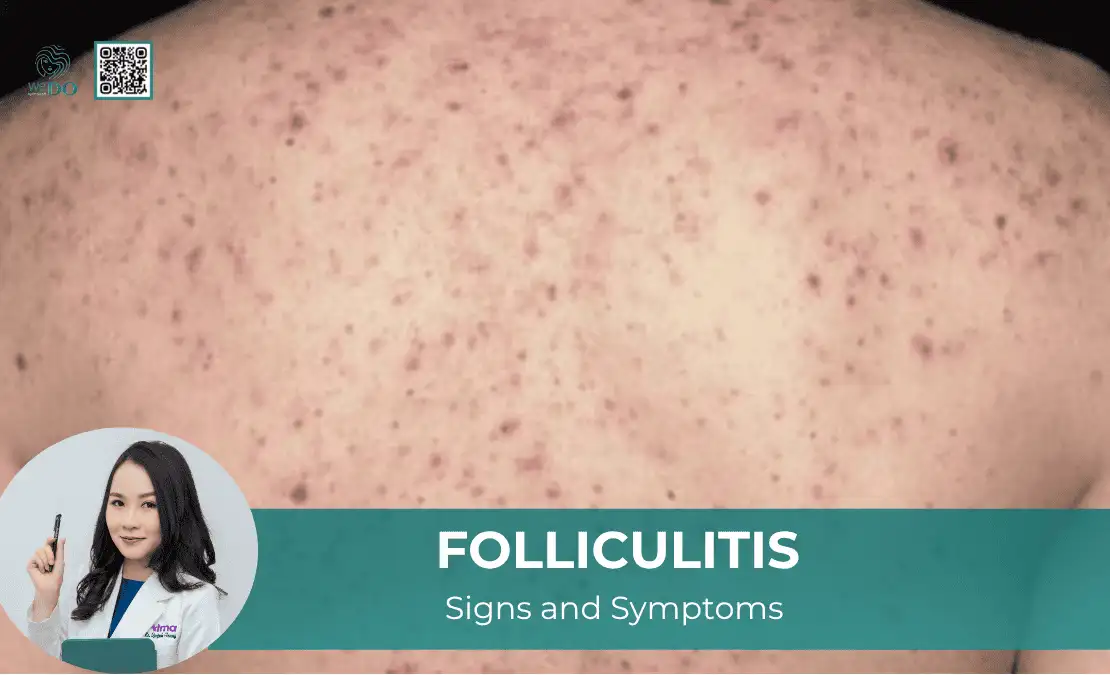
WHAT IS FOLLICULITIS AND HOW IS IT TREATED?
Folliculitis can affect anyone and may occur anywhere on the body except the palms and soles. Although it does not impact overall health, it often causes discomfort and reduces confidence due to cosmetic concerns. Without proper treatment, folliculitis tends to recur, making the skin appear less smooth. FOLLICULITIS – DEFINITION AND SIGNS AND SYMPTOMS Folliculitis
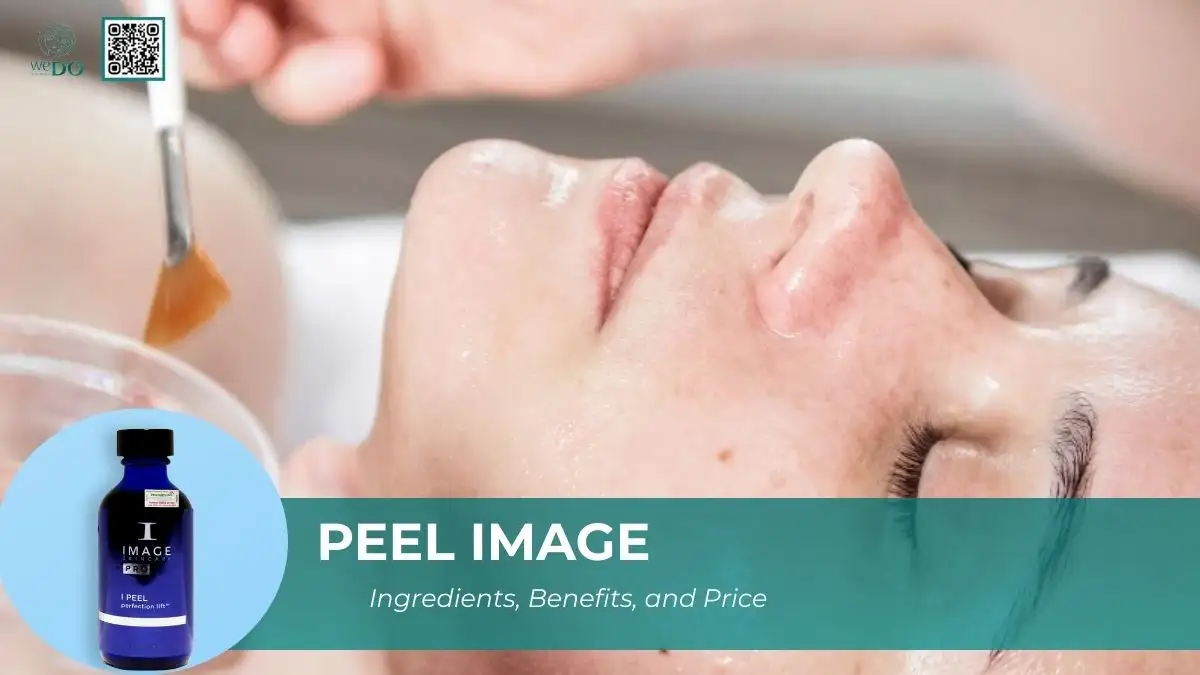
Image I Peel: Ingredients, Benefits, and Price
Peel Image (I Peel) is a familiar name among skincare enthusiasts, especially those who love chemical peels. But is this popular line really worth the hype — and what’s its price range? Let’s take a closer look. Key Ingredients of Peel Image Peel Image follows a multi-target, multi-mechanism principle — meaning it combines a variety
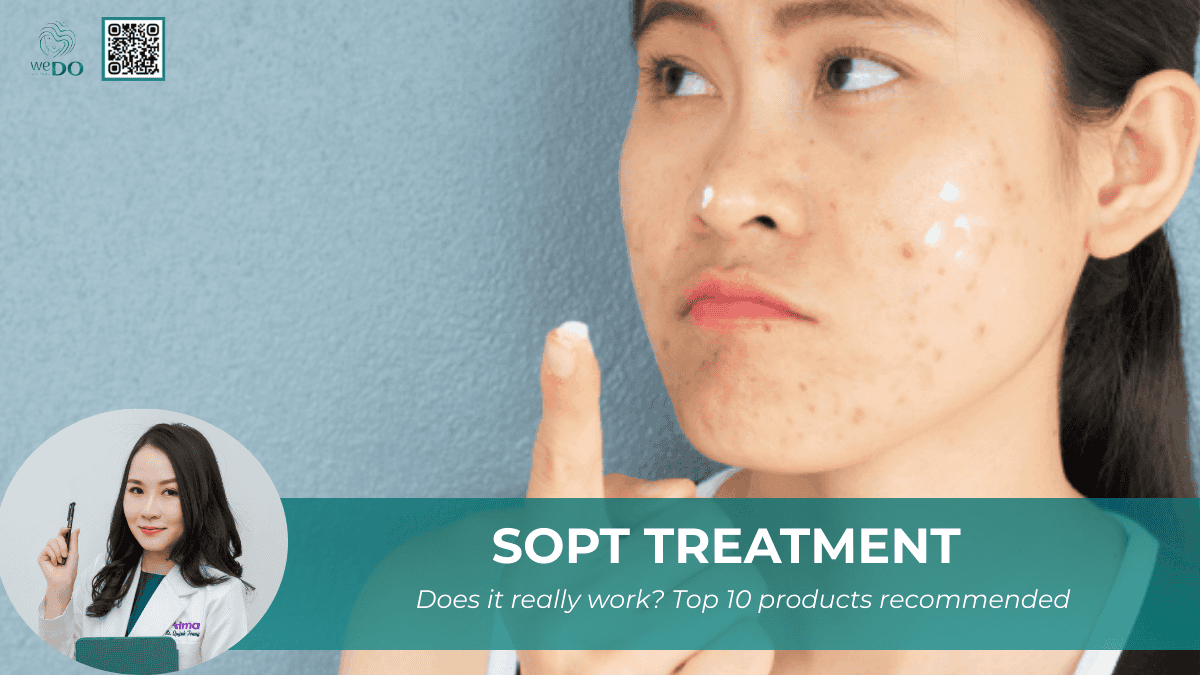
Does Acne Spot Treatment Really Work? Top 10 Products Recommended
Spot treatment is a familiar method for those dealing with acne-prone skin. It is simple, painless, affordable, and can be performed at home. The effectiveness depends largely on the active ingredients and the severity of acne. Benefits of Acne Spot Treatments Depending on their composition, different products serve distinct purposes, but generally, they work to:
Tác giả: wedo
Ngày đăng: 24/07/2025