


 VIE
VIE

Can skin tags on the face spread to other areas of the skin?
CONTENT
Skin tags on the face are a common dermatological condition that directly affects aesthetics. Unlike acne, milia are formed due to abnormal development of sweat glands and collagen under the skin and cannot disappear on their own without specialized intervention. So, is milia contagious? How to prevent and treat it effectively? Let’s find out in the article below.
Causes of Skin Tag Formation
Skin tags on the face (scientific name: Syringoma) are small, hard bumps that commonly appear around the eyes, neck, forehead, or other skin areas. Unlike acne, milia do not have pus heads and are not caused by bacteria.
Milia form when the sweat glands under the skin develop abnormally. These structures become clogged or overactive, stimulating the formation of small white, yellowish, or skin-colored bumps. Factors that increase the risk of milia formation include:
- Genetics: Milia can be hereditary, especially in individuals prone to collagen accumulation or those with genetic conditions such as Down syndrome or Marfan syndrome. If your family has a history of milia, you are also at high risk of developing them.
- Collagen metabolism disorders: When the process of collagen synthesis and breakdown is disrupted, collagen can accumulate abnormally under the skin, forming milia. This may be due to aging, hormonal imbalances, or a diet lacking vitamin C.
- Excess sebum production: People with oily skin or overactive sweat glands are more prone to milia. Excess sebum thickens the stratum corneum, allowing collagen to build up under the skin. Hormones also influence milia formation.
- Aging and environmental factors: Aging reduces the skin’s ability to regenerate collagen, making it easier for milia to form. Sunlight, pollution, and cosmetics can damage the skin, disrupt natural healing, and trigger milia growth.

Can milia disappear on their own?
Milia do not disappear on their own like common acne because they are not caused by bacteria or clogged pores. So even with proper skincare, milia will not fade naturally. However, in some rare cases, milia may shrink or fade if:
- Hormonal changes: When hormones are balanced, milia may gradually improve as sebaceous glands function more stably, reducing abnormal collagen buildup and encouraging skin regeneration.
- Improved skincare routine: Maintaining a consistent skincare routine helps limit milia development. Proper cleansing, chemical exfoliation, and retinoid use control keratin buildup and promote skin renewal. Moisturizing and applying sunscreen daily are also crucial to protect against UV damage, which can stimulate milia growth.
- Environmental and harsh cosmetic exposure: Factors such as sun exposure, comedogenic cosmetics, and air pollution can accelerate milia formation. Choosing gentle products, reducing UV exposure, and maintaining a clean living environment are important preventive measures.
Once formed, milia tend to persist and may even spread over time if not treated. Only professional dermatological treatments like CO2 laser, cryotherapy, or minor surgery can completely remove them.
CO2 laser treatment at WEDO is an optimal solution for removing milia from the root using a 10,600 nm wavelength, accurately targeting the core without damaging surrounding skin. This advanced technology ensures safety, is painless, scar-free, and requires no downtime. Clients can resume normal activities immediately after treatment. Moreover, the procedure is performed by dermatologists who also provide post-care guidance to help maintain smooth, clear skin.

Common misconceptions about milia on the face
Many people mistakenly believe that milia forms due to poor facial hygiene. However, this is incorrect. Milia are not caused by dirt or bacteria but rather by the abnormal development of sweat glands beneath the skin. The primary causes are often genetic, collagen metabolism disorders, or hormonal changes. So, no matter how thoroughly you wash your face, milia may still appear.
Additionally, certain misconceptions can worsen milia and make them more difficult to treat:
Squeezing milia is effective
Many people have a habit of squeezing milia, but this method is ineffective and may damage the skin. Milia do not have a typical core like acne. Trying to squeeze them may lead to inflammation and scarring without resolving the root issue.
Milia only appear in older adults
While milia are more common in adults and the elderly due to skin aging, younger individuals can also develop them. Causes may include genetics, hormonal imbalance, or environmental stressors affecting the skin.
Topical creams can cure milia
Many topical creams are advertised to treat milia, but in reality, they cannot eliminate them. Such products may help soften the skin or reduce the likelihood of new milia, but they won’t remove existing ones completely.

Can milia on the face spread to other areas?
Can touching milia spread them to other areas?
Some believe that milia can spread through skin contact, but in fact, milia are not contagious like inflammatory or bacterial acne. These bumps develop independently in each person and are closely related to individual factors such as genetics, sweat gland activity, and skin aging.
Cases where milia may spread across the skin
Although not contagious in the traditional sense, milia can still spread if certain risk factors are present, such as:
- Natural development of milia: Milia often begin as tiny, skin-colored or yellowish bumps, typically around the eyes, neck, or chest. Without proper management, they can grow larger or spread to nearby areas over time. This occurs due to abnormal collagen accumulation under the skin and the proliferation of keratinized cells. Friction from clothing, skin rubbing, or improper skincare may also accelerate their development.
- Hormonal imbalance: Hormonal changes strongly affect milia formation, especially during puberty, pregnancy, menopause, or conditions like polycystic ovary syndrome (PCOS). When hormones are imbalanced, sebaceous and sweat gland activity increases, raising the risk of oil accumulation and keratin buildup. This indirectly promotes the spread of milia and makes them harder to manage without timely intervention.
- Skin aging and impaired regeneration: Aging is one of the primary factors that promote milia development. As the skin loses elasticity and regenerative ability, dead cells and disordered collagen accumulate under the skin, forming milia. Areas like the eyes, neck, and forehead are especially vulnerable due to thinner skin and greater exposure to aging. As the skin sags and weakens, milia may appear more densely and progress faster over time.
- Use of unsuitable skincare or cosmetic products: Some cosmetics contain heavy oils, silicones, or comedogenic ingredients that can worsen milia. Improper cleansing leaves residue on the skin, contributing to keratin buildup and abnormal collagen growth.
- Frequent sun exposure: UV rays from the sun also contribute to aging and collagen structure damage, making the skin more vulnerable to milia. Constant sun exposure without protection can increase milia, especially on exposed areas like the face, neck, and arms.
- Genetic predisposition: If your family has a history of facial milia, your risk is higher. In these cases, milia tend to appear earlier and spread more widely over time, even without external triggers.

Expert Advice on Preventing Milia on the Face
To reduce the risk of developing milia on the face, consider the following measures:
- Maintain a proper skincare routine: Use gentle cleansers and exfoliate regularly to keep pores clear.
- Protect your skin from environmental damage: Always apply sunscreen when going outdoors to shield your skin from UV rays.
- Limit the use of oil-based cosmetics: Skincare and cosmetic products high in oil can clog pores and contribute to milia formation.
- Adopt a healthy diet: Consume foods rich in vitamins A, C, and E to keep your skin healthy and reduce the development of milia.
- Avoid squeezing milia: Popping milia is ineffective and may damage the skin, causing scarring. For treatment, seek professional options such as CO2 laser, cryotherapy, or surgical excision at dermatological clinics.

Milia on the face may not harm your health, but it can spread if not properly managed. To prevent this, maintain a scientific skincare routine, protect your skin from environmental factors, and lead a healthy lifestyle. For complete treatment, consult a dermatologist for effective methods to maintain smooth, healthy skin.
WeDo Skin Clinic
- Website: wedoskinclinic.com
- Fanpage: Meddi Skin | Meddi Skin Clinic & Spa | Wedo by Dr.Meddi
————————————————
WeDo District 1 – Tran Doan Khanh Street
- Hotline/Zalo: 0898898875
- Whatsapp: +84898898875
- Address: 11 Tran Doan Khanh Street, Da Kao Ward, District 1, HCMC
WeDo District 2 – Thai Thuan Street
- Hotline/Zalo: 0707196622
- Whatsapp: +84707196622
- Address: 17 Thai Thuan Street, An Phu Ward, Thu Duc City, HCMC
————————————————
- YouTube: https://www.youtube.com/@Wedoskinclinic
- Tiktok: https://www.tiktok.com/@wedo.skin.clinic
- Instagram: https://www.instagram.com/drmeddiskin/
- Pinterest: https://www.pinterest.com/wedoskin/
- X: https://x.com/wedoskinclinic
- LinkedIn: https://vn.linkedin.com/company/meddi-skin
————————————————
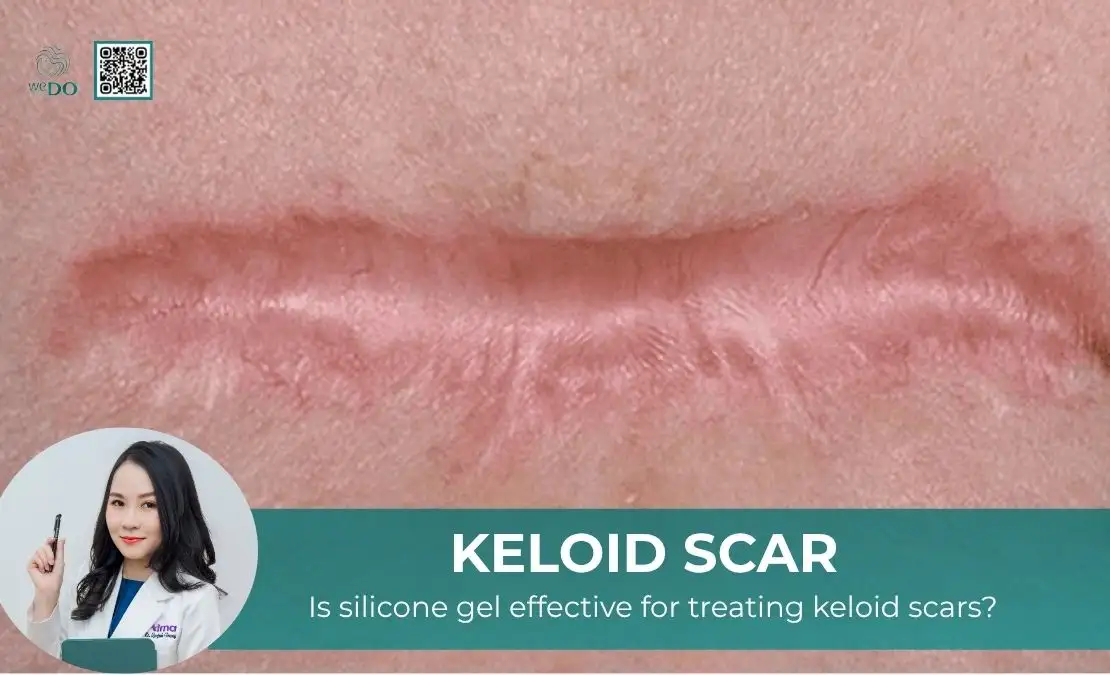
Is silicone gel effective for treating keloid scars?
Is silicone gel effective for treating keloid scars? For individuals with keloid scars, can topical treatments help flatten the scar? This is a common concern, as topical therapy is both cost-effective and non-invasive. If you are also curious, refer to the article below to find the answer. Is silicone gel effective for treating keloid scars?

What SPF level is sufficient for sunscreen?
What SPF level is sufficient for sunscreen? Does a higher SPF mean stronger and more effective sun protection? And is focusing solely on the SPF index enough to choose a suitable sunscreen for your skin? If you are also wondering about these questions, refer to the article below to find the answers. What is the
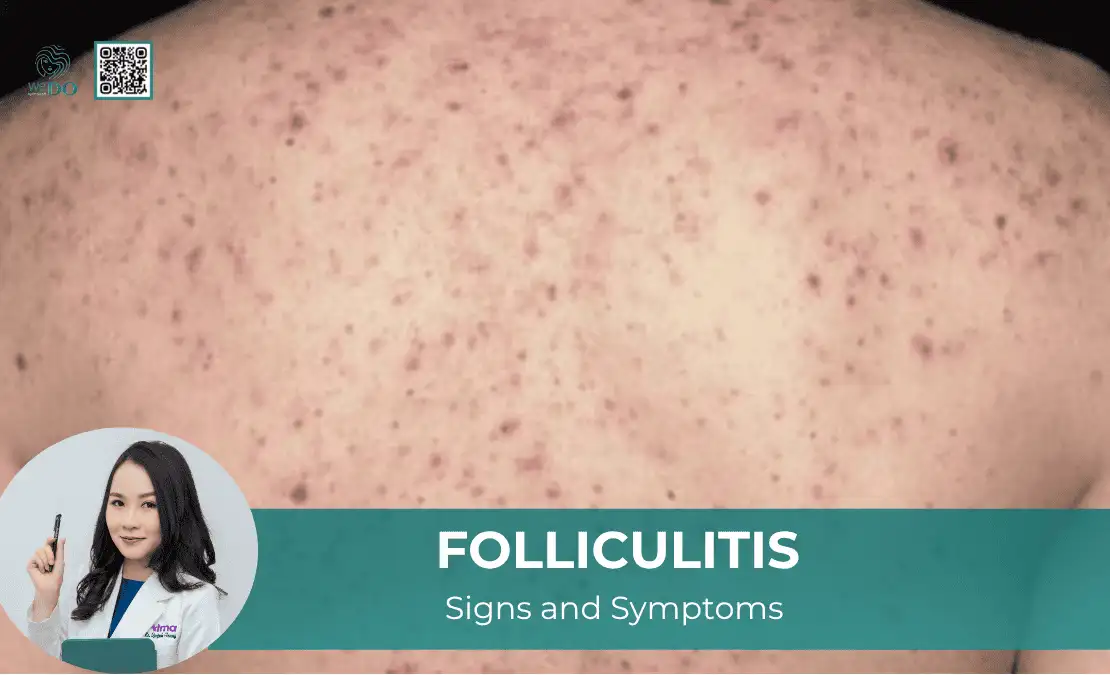
WHAT IS FOLLICULITIS AND HOW IS IT TREATED?
Folliculitis can affect anyone and may occur anywhere on the body except the palms and soles. Although it does not impact overall health, it often causes discomfort and reduces confidence due to cosmetic concerns. Without proper treatment, folliculitis tends to recur, making the skin appear less smooth. FOLLICULITIS – DEFINITION AND SIGNS AND SYMPTOMS Folliculitis
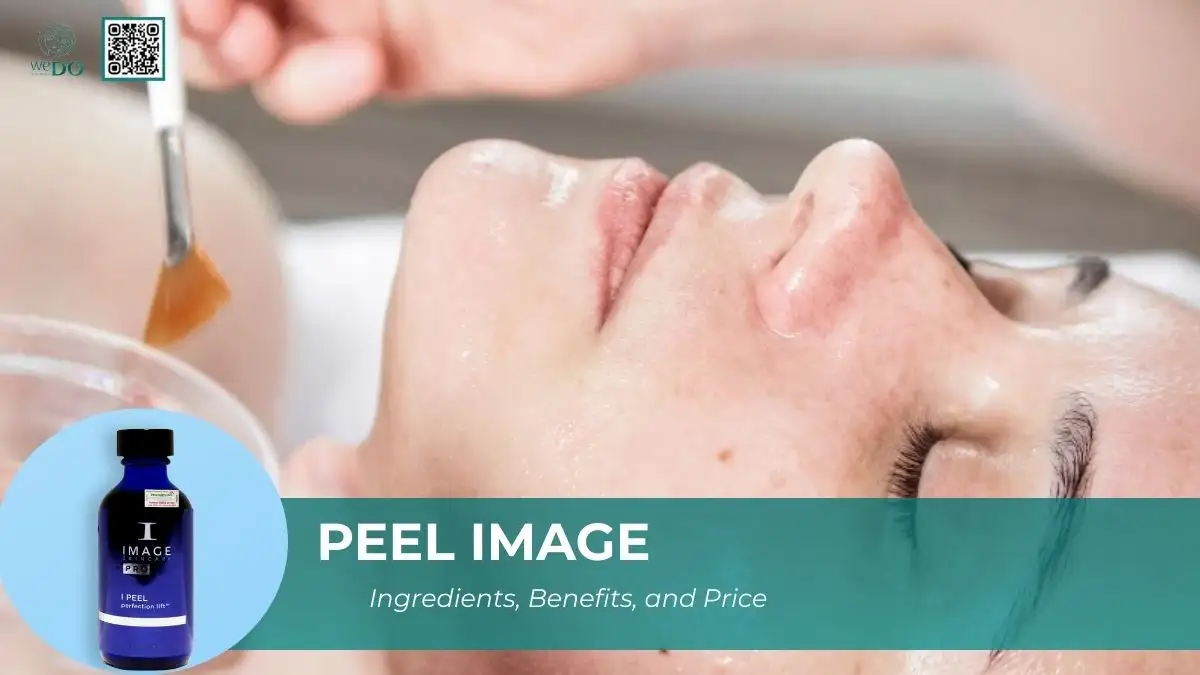
Image I Peel: Ingredients, Benefits, and Price
Peel Image (I Peel) is a familiar name among skincare enthusiasts, especially those who love chemical peels. But is this popular line really worth the hype — and what’s its price range? Let’s take a closer look. Key Ingredients of Peel Image Peel Image follows a multi-target, multi-mechanism principle — meaning it combines a variety
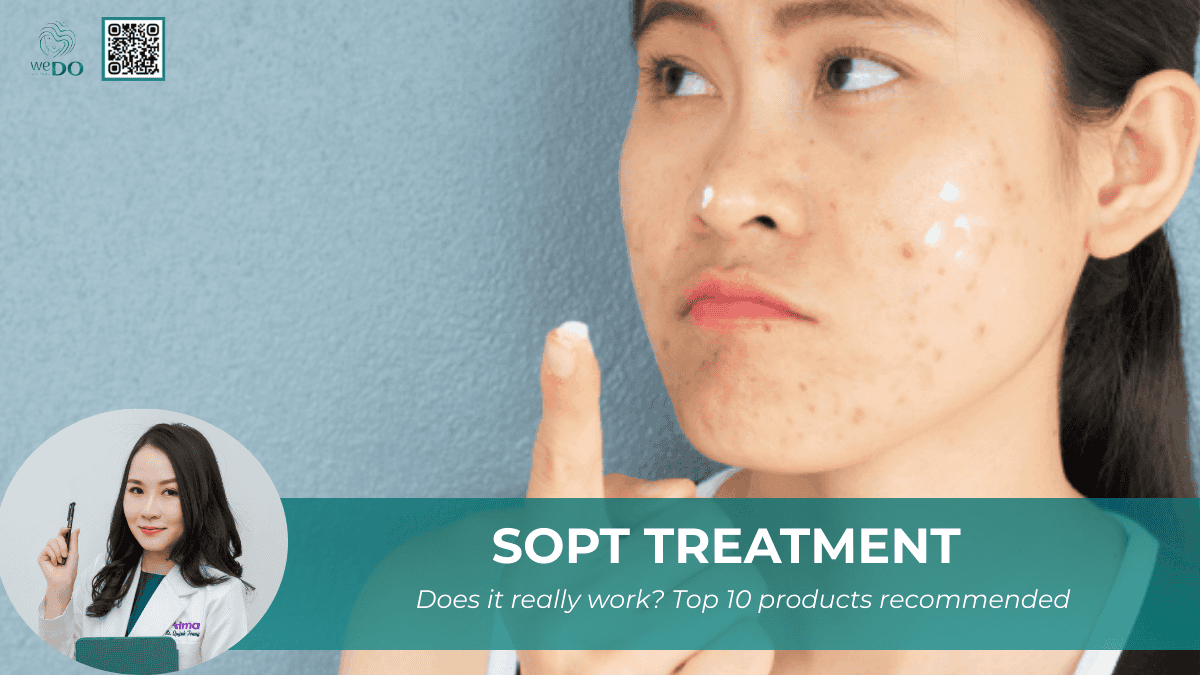
Does Acne Spot Treatment Really Work? Top 10 Products Recommended
Spot treatment is a familiar method for those dealing with acne-prone skin. It is simple, painless, affordable, and can be performed at home. The effectiveness depends largely on the active ingredients and the severity of acne. Benefits of Acne Spot Treatments Depending on their composition, different products serve distinct purposes, but generally, they work to:
Tác giả: wedo
Ngày đăng: 04/04/2023