


 VIE
VIE

Will skin tags go away on their own? Should skin tags be burned?
CONTENT
Milia, commonly referred to in Vietnamese as “mụn thịt,” is a widespread dermatological condition known in medical terms as syringoma or acrochordon, depending on the specific type of lesion. Often mistaken for sweat gland tumors, flat moles, or even acne, milia have a distinct nature and require clear differentiation to choose appropriate treatment methods. So, can milia resolve on their own? Is it advisable to treat milia by cauterization? Let’s explore below!
Mechanism of Milia Formation
Milia form due to the excessive proliferation of eccrine sweat ducts, the primary sweat glands responsible for regulating body temperature. When these ducts become clogged or overgrown, tiny bumps appear on the skin’s surface, forming the characteristic milia. This condition is often associated with the following risk factors:
- Genetics: Studies indicate that milia tend to run in families, particularly in individuals predisposed to hyperplastic sweat glands.
- Age: Milia are more common in adults, especially after age 30, when skin cell turnover slows and sweat gland activity changes.
- Gender: Women are at higher risk due to hormonal influences, particularly during periods of hormonal fluctuation such as pregnancy or menopause.
Unlike acne, milia are not related to poor skin hygiene, diet, or bacterial infections. Therefore, conventional acne treatments are ineffective for milia.

Can Milia Resolve on Their Own?
Before deciding on milia treatment, many people wonder: “Can milia disappear without intervention?” To understand this correctly and avoid skincare mistakes, let’s analyze this issue from a professional perspective:
Misconceptions About Milia
Many believe milia can naturally disappear over time or through the body’s natural processes since they are painless and non-irritating. However, in reality, milia typically do not resolve on their own and may even increase in number or size over time if not properly treated. Waiting for milia to “self-resolve” not only wastes time but can also lead to more widespread and harder-to-control skin lesions.
Milia Require Medical Intervention to Resolve
According to dermatological literature, milia result from the benign proliferation of eccrine sweat gland cells, commonly appearing in thin-skinned, gland-rich areas such as around the eyes, neck, chest, or armpits. Their tissue structure does not naturally regress and is entirely different from inflammatory or non-inflammatory acne (comedones). Milia contain no core, pus, or sebum, do not respond to common cosmetic ingredients like AHA, BHA, or retinol, and do not dry up or fall off over time.
Thus, effective milia treatment requires specialized dermatological techniques such as electrocautery, CO₂ laser, or cryotherapy, performed by a qualified dermatologist. If left untreated, milia tend to spread, becoming more aesthetically displeasing and harder to manage, especially milia on the face.

Should You Cauterize Milia?
Choosing a milia treatment method should be based on a thorough understanding of available techniques and the specific characteristics of each case. The following analysis provides detailed insights into common treatment methods to help you make an informed decision:
Common Milia Treatment Methods
- Electrocautery: This method uses high-frequency electric currents to burn off milia, destroying the affected cells and promoting skin regeneration. Its advantages include quick procedure time, low cost, and noticeable results after a few sessions. However, it may cause pain, swelling, or redness post-treatment, with a risk of scarring or hyperpigmentation if not performed correctly.
- CO2 Laser: This method uses laser energy to precisely remove milia tissue with minimal invasiveness. CO2 laser is highly regarded for its effectiveness, short recovery time, and low risk of complications. However, it is more expensive and requires a skilled dermatologist to avoid hyperpigmentation or scarring.
- Minor Surgery: This method is typically used for larger or hard-to-treat milia. Minor surgery completely removes the lesions but requires longer recovery time and may leave small scars if post-treatment care is inadequate.
- Cryotherapy (Liquid Nitrogen): This technique uses liquid nitrogen to freeze and destroy milia tissue. The procedure is simple and cost-effective but may cause discomfort, redness, or swelling, with a potential risk of scarring or skin discoloration if not performed properly.

Comparing Electrocautery with Other Treatment Methods
Electrocautery is a widely used method that delivers quick results and is ideal for small, clustered milia, particularly on the face or neck. However, improper technique can lead to scarring or inflammation. To ensure optimal results and avoid complications, treatment should be performed at a medical facility by a qualified dermatologist. Below is a comparison of electrocautery with other methods for your consideration:
|
Criteria |
Electrocautery | CO₂ Laser | Minor Surgery |
Cryotherapy (Liquid Nitrogen) |
| Mechanism of Action | Uses high-frequency electricity to burn and destroy milia tissue | Uses CO₂ laser to precisely target and remove milia tissue | Surgical removal of lesions | Uses liquid nitrogen to freeze and destroy milia tissue |
| Effectiveness | Quick removal, highly effective, but may cause surrounding tissue damage | Precise removal, minimal damage to healthy tissue, highly effective | Thorough for large or localized milia | Moderately effective, suitable for small milia |
| Recovery Time | About 7-10 days | About 5-7 days | Longer, about 10-14 days | 7-10 days |
| Pain During Procedure | Slight burning sensation, mild pain | Less painful than electrocautery | Requires anesthesia, pain from incision | Minimal pain, cold sensation |
| Risk of Scarring/Hyperpigmentation | Possible scarring or hyperpigmentation if not properly cared for | Lower risk of scarring due to precise targeting | Higher risk of scarring due to surgery | Low to moderate risk |
| Treatment Cost | Moderate | Higher than electrocautery due to advanced technology | High due to surgery and anesthesia | Moderate |
Factors to Consider Before Cauterizing Milia
Before deciding to cauterize milia, consider the following factors:
- Location and Number of Lesions: For milia around the eyes, neck, or face—high-aesthetic areas—laser or electrocautery is recommended to minimize scarring.
- Skin Type and History of Post-Inflammatory Hyperpigmentation: Individuals with darker skin or a tendency for PIH (post-inflammatory hyperpigmentation) should receive thorough consultation before treatment.
- Skin Sensitivity: For thin-skinned areas like the eyelids, CO₂ laser is safer than electrocautery.
- Cost and Post-Treatment Care Conditions: Some methods require avoiding water, strict sun protection, and proper skincare post-treatment for optimal results.

In conclusion, milia are small bumps caused by the benign proliferation of eccrine sweat gland cells and typically do not resolve without medical intervention. Understanding whether milia can resolve on their own helps dispel misconceptions and enables proactive selection of appropriate treatment methods.
WeDo District 1 – Tran Doan Khanh Street
- Hotline/Zalo/Whatsapp: 0898898875
- Address: 11 Tran Doan Khanh Street, Da Kao Ward, District 1, HCMC
WeDo District 2 – Thai Thuan Street
- Hotline/Zalo/Whatsapp: 0707196622
- Address: 17 Thai Thuan Street, An Phu Ward, Thu Duc City, HCMC
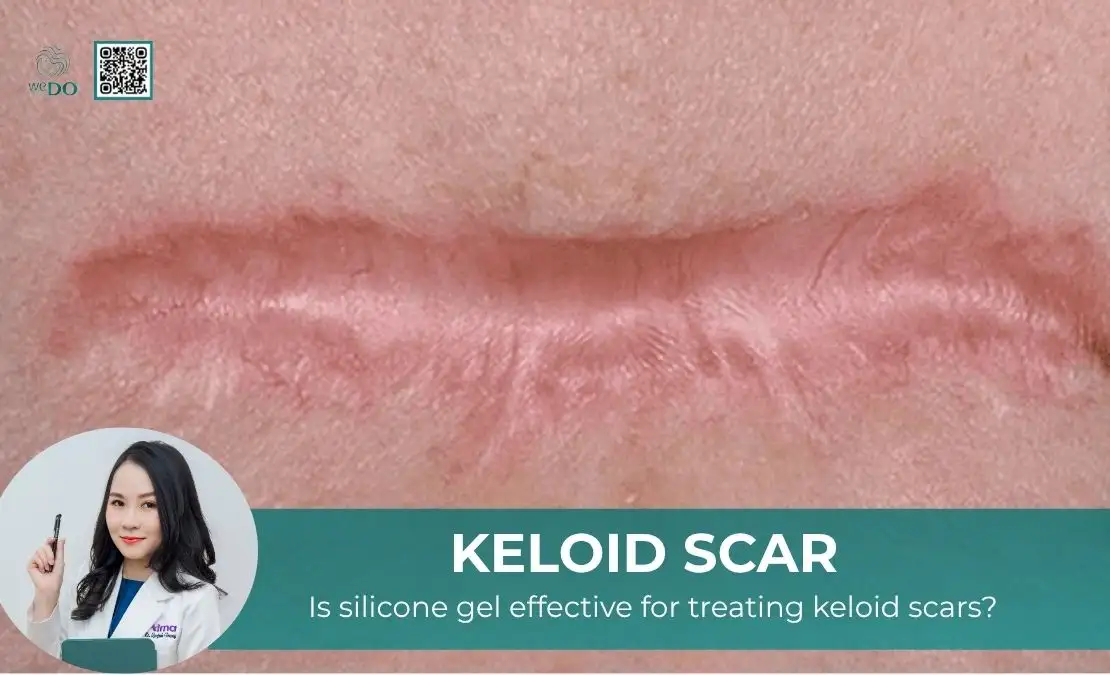
Is silicone gel effective for treating keloid scars?
Is silicone gel effective for treating keloid scars? For individuals with keloid scars, can topical treatments help flatten the scar? This is a common concern, as topical therapy is both cost-effective and non-invasive. If you are also curious, refer to the article below to find the answer. Is silicone gel effective for treating keloid scars?

What SPF level is sufficient for sunscreen?
What SPF level is sufficient for sunscreen? Does a higher SPF mean stronger and more effective sun protection? And is focusing solely on the SPF index enough to choose a suitable sunscreen for your skin? If you are also wondering about these questions, refer to the article below to find the answers. What is the
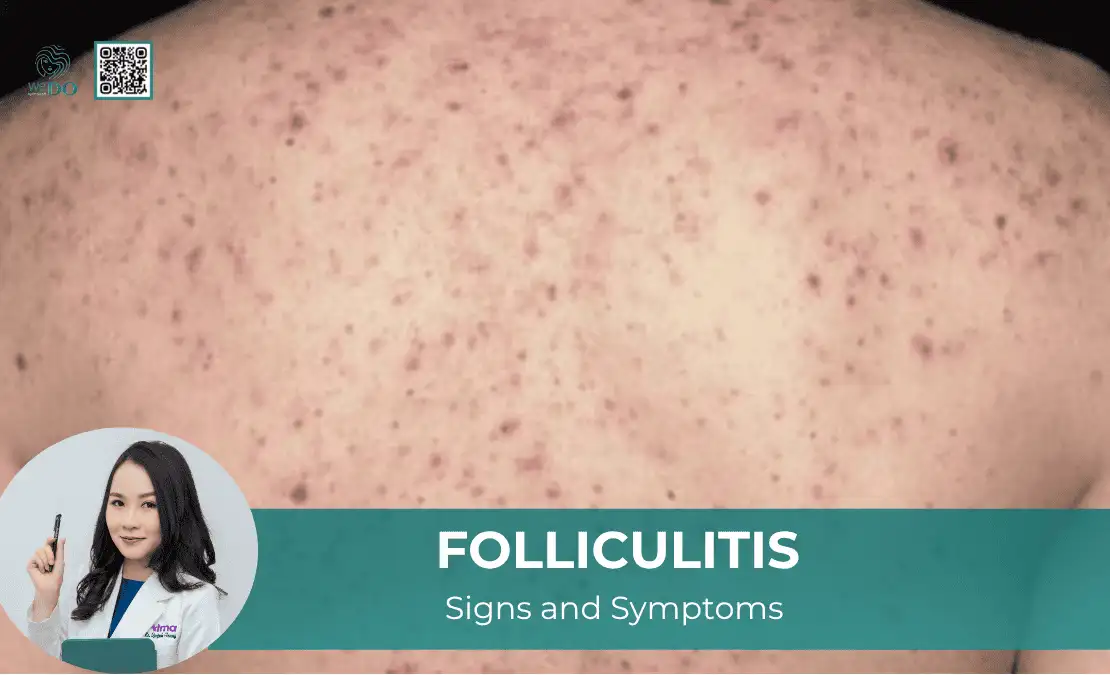
WHAT IS FOLLICULITIS AND HOW IS IT TREATED?
Folliculitis can affect anyone and may occur anywhere on the body except the palms and soles. Although it does not impact overall health, it often causes discomfort and reduces confidence due to cosmetic concerns. Without proper treatment, folliculitis tends to recur, making the skin appear less smooth. FOLLICULITIS – DEFINITION AND SIGNS AND SYMPTOMS Folliculitis

Image I Peel: Ingredients, Benefits, and Price
Peel Image (I Peel) is a familiar name among skincare enthusiasts, especially those who love chemical peels. But is this popular line really worth the hype — and what’s its price range? Let’s take a closer look. Key Ingredients of Peel Image Peel Image follows a multi-target, multi-mechanism principle — meaning it combines a variety

Does Acne Spot Treatment Really Work? Top 10 Products Recommended
Spot treatment is a familiar method for those dealing with acne-prone skin. It is simple, painless, affordable, and can be performed at home. The effectiveness depends largely on the active ingredients and the severity of acne. Benefits of Acne Spot Treatments Depending on their composition, different products serve distinct purposes, but generally, they work to:

Tác giả:
Ngày đăng: